
Posted in Daily, Food

The “PB&J” Way

“Man cannot live by bread alone; he must have peanut butter.” James A. Garfield

One of the iconic American sandwich is the “PB&J sandwich”, which includes one or more layers of peanut butter and one or more layers of jelly ( jam in British English) on bread. Eaten open faced or with one slice of bread folded over ( a “half sandwich”); this sandwich is quite common and popular among Americans especially the children. The history of the peanut butter and jelly sandwich is the story of three essential ingredients; all of which have been around for a long time, when combined together gives us the American favorite and enduring PB&J sandwich; which slowly soared in popularity across the world.

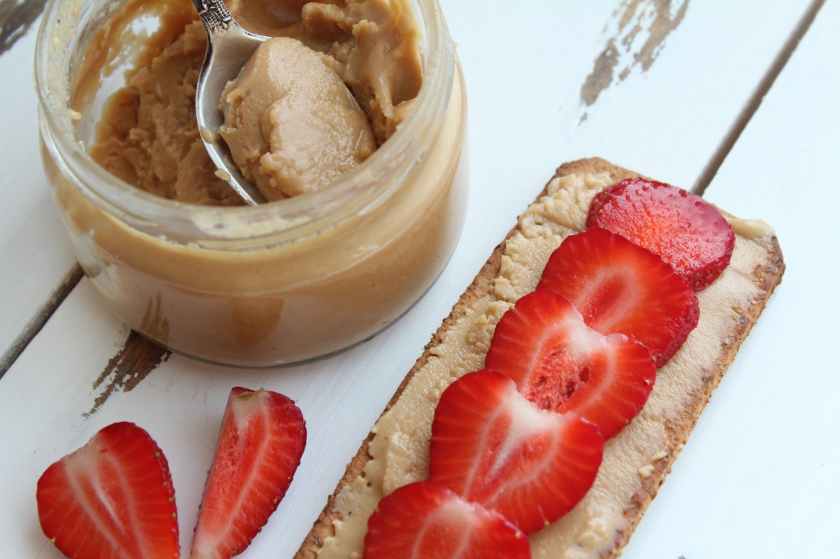
Layer each bread slice with two tablespoons of Peanut butter. The forerunner of the peanut butter of today was when a St. Louis physician, Dr. Ambrose Straub had made a peanut paste for geriatric patients who had trouble swallowing or had bad teeth (1880s). Around the same time, Dr. John Harvey Kellogg ( of the cereal fame) was the first to patent a process for manufacturing peanut butter. Post the Chicago World Fair (1983), where the peanut butter was first introduced and the St. Louis World Fair (1904) when Dr Straub had got a food company to develop the peanut spread further; their popularity rose high with grocery stores stocking up on peanut butter. Upscale tea rooms of New York City, peanut butter appeared as delicacies with watercress, sandwiches, on toasted triangles with soda crackers as well.

Then add two tablespoons of the iconic “strawberry Jelly” to the peanut butter layered bread slices, merge them and enjoy. The development of the jelly (although it has been around for a long time), in the case of this quintessential American PB&J sandwich can be credited to Paul Welch. He had secured a patent (1917) for pureeing grapes and turning them into jelly which he had developed and advertised as Grapelade. This was popular with America’s troops in WWI, who had brought the trend of Grapelade spread on bread, back to their homes after the war.

The first peanut butter and jelly sandwich recipe appeared in the Boston Cooking School Magazine of Culinary Science and Domestic Economics (1901) written by Julia Davis Chandler. The recipe had advised to use currant or crab-apple jelly with the combination being delicious and as far as known then, original.

With creamier peanut butter (doesn’t stick to the palate) being made, Grapelade and pre-sliced bread becoming popular, the PB&J slowly gained popularity. During the Great Depression of 1930s, families discovered that peanut butter had provided a less expensive but satisfying high protein substitute. Yet the major breakthrough came when this was included in the US Military ration menus of World War II. With peanut butter being high-protein, shelf-stable and easily portable; grape-lade on its’ second trip with the soldiers and pre-sliced bread readily available; the combination of the three became a part of the American soldier’s life.

When the soldiers came home from the war, the PB&J sandwich scored with the families. With the great taste and easy to make, both the young and the old loved it, especially when budgets were tight and the times were difficult.

“Everyone has the talent to some degree: even making a peanut butter and jelly sandwich, you know whether it tastes better to you with raspberry jam or grape jelly; on chewy pumpernickel or white toast.” Anna D. Shapiro

Today a wide variety of mix ups and combinations have been seen across globally, with honey or sliced fruit substituted for the jelly component or the transition to “almond butter and jelly” (AB&J) sandwiches. With marshmallow fluff being substituted for the jelly, or added for extra flavor; the “fluffernutter” sandwich is created. Cream cheese substituted for the peanut butter ( a cream cheese and jelly sandwich) or Nutella (possible substitute for one of the spreads) with PB or Jelly are other common variants.

Slight changes can be made to the original recipe by using an artisan bread and heating it in butter, which melts the peanut butter and jelly; creating a crispy, buttery crust on the bread similar to when cooking grilled cheese. White or brown bread alternatives include rye, whole grain or sourdough bread. One other popular variant of “PB&J” sandwich is “the peanut butter and Lucy banana sandwich” or peanut butter, banana and bacon sandwich,known as an Elvis sandwich or simply the Elvis, consists of toasted bread slices with peanut butter, sliced or mashed banana, and sometimes bacon. Honey is seen in some variations of the sandwich as well alternative fillings of sweet potato, carrots, pumpkin, and apples. The sandwich is frequently cooked in a pan or on a griddle, served hot. Additionally the PB&J can be added to pancakes, crepes and even french toast.

Like these combinations, many more are being made with creative cooking on the rise. Just like variety adds the spice to life, jelly up with peanut butter on this day as foodimentarians celebrate “Peanut butter and Jelly” Day today (April 2nd). Mix, match ad spice it up for a quick break from the routine cooking with both kids and family enjoying the break from the routines or predictability the day.

Posted in Daily, Random Thoughts, Stories Around the World, Work

To Believe It or Not !!

” “Coca-Cola is launching three flavours of its Zero Sugar brand featuring avocado, sourdough and charcoal.”

Imagine the consequences of the taste buds and the senses after an episode of experimentation with these flavours. And here’s how the flavours were described.
• Coca-Cola Zero Sugar Avocado – Forget smashed or blended, this new flavour infuses the subtle, creamy undertones of amazing avocado with that great Coca-Cola Zero Sugar taste. Both delicious and nutritious, this gorgeously green pick-me-up is guaranteed to make your socials grow.
• Coca-Cola Zero Sugar Charcoal – Cleanse, refresh and revitalise with a Zero Sugar supercharge. Loaded with activated charcoal, creating a smooth and rich flavour, this miracle in-a-can pairs-perfectly with your favourite Instagram filter.
• Coca-Cola Zero Sugar Sourdough – Crafted with care, superbly sour and bursting with fermented flavours. Packed with crumbly goodness – so you can start the day in the right way with a mouth-wateringly good snap of this wild-yeast infused Zero Sugar treat. “

For the readers of the above news on the Daily Mirror online version last year, had resulted in a frenzy of whether this was true or was it an “All Fools Day Prank”. Being mixed with the “true news” of the society, food, travel and living sections; it wasn’t easy to ascertain whether one was going to really taste avocado, sourdough or charcoal in their drink.

“The first of April, some do say
Is set apart for All Fool’s Day;
But why the people call it so
Nor I, nor they themselves, do know,
But on this day are people sent
On purpose for pure merriment.” (Poor Robin’s Almanac, 1790)

One of the days dreaded the most, especially at work, school or neighbourhood, is the first day of April, where the day is pretty confusing for each hour goes by the wait of “being pranked”. Each day this year, from social media to official meetings, one is always second guessing everything. As for pranksters, its’ a day of freedom, fun and revelry.

Yet when the prank is actually the truth, one may feel a bit razzed. For instance people who celebrate their birthdays on April First have always been questioned, even though they are speaking the truth. Remember the headlines that state “the African continent can split into two” after an enormous crack appears. Well, it’s actually true for a large crack, several miles long and growing accompanied with seismic activity had appeared in south-western Kenya causing the Nairobi-Narok highway to collapse. Researchers have attributed this to activity between the tectonic plates in Earth’s crust and upper mantle. Today the rift still continues to grow and an expert says it’s evidence that the continent is breaking apart.

Yet news like this, practical jokes and hoaxes especially on All Fools’ Day or April Fools’ Day spreads mass confusion (which was or wasn’t the purpose all along). Why this particular day ? The origin behind this day is quite interesting, with various versions and tales trending around the world.

As per Geoffrey’s Chaucer’s “The Cantebury Tales”, New Years’ Day used to be celebrated around April. With the Gregorian Calendar (1582, France) being introduced by Pope Gregory XIII with January 1st to be celebrated as “New Years’ Day.” For those who refused to support this,; they were mocked and sent on fools’ errands on April 1st.

Another disputed association between April 1st and foolishness also comes from Geoffrey Chaucer’s The Canterbury Tales (1392). In the “Nun’s Priest’s Tale”, a vain cock Chauntecleer is tricked by a fox on “Syn March bigan thritty dayes and two.” While readers apparently understood this line to mean “32 March”, i.e. April 1, it wasn’t clear if this was the correct inference. The scholars of today, believe that there is a copying error in the extant manuscripts and that Chaucer actually wrote, “Syn March was gon.” Then the passage would have originally meant 32 days after March ( i.e. May 2nd), the anniversary of the engagement of King Richard II of England to Anne of Bohemia (1381).

French poet Eloy d’Amerval (1508) had referred to “a poisson d’avril” (April fool, literally “Fish of April”), possibly the first reference to the celebration in France. In France, January 1st as New Year’s Day became common only by the mid-16th century and the date was adopted officially as per the Edict of Roussillon (1564). Likewise Flemish poet Eduard de Dene (1539) had written about a nobleman who sent his servants on foolish errands on April 1st.

The origin of April Fools’ Day is different in Netherlands, where it’s often attributed to the Dutch victory at Brielle in 1572, where the Spanish Duke Álvarez de Toledo was defeated (“Op 1 april verloor Alva zijn bril”). Another citation in history was on April 1, 1698 when several people were tricked into going to the Tower of London to “see the Lions washed”.

Few authors have expressed the belief that the origins of April Fool’s Day may go back to the Genesis flood narrative, although this hasn’t been verified by Biblical scholars or historians. As written by the Harper’s Weekly cartoonist Bertha R. McDonald (1908), ” Authorities gravely back with it to the time of Noah and the ark. The London Public Advertiser of March 13, 1769, printed: “The mistake of Noah sending the dove out of the ark before the water had abated, on the first day of April, and to perpetuate the memory of this deliverance it was thought proper, whoever forgot so remarkable a circumstance, to punish them by sending them upon some sleeveless errand similar to that ineffectual message upon which the bird was sent by the patriarch”.

Festivals celebrating a day for pranks has been there since the early Roman times, where “Hilaria” a Roman festival was celebrated. As the name suggests, it was a festival of laughter and hilarity where people would dress up in disguises to fool others and enjoy the spring season. Various countries have different ways to celebrate this day. While across Italy, France, Belgium, and French-speaking areas of Switzerland and Canada, people celebrate April Fools’ Day by trying to stick a paper fish on someone (without being noticed); in Iran jokes were played on each other on ‘Sizdah Be-dar'(the 13th day of the Persian New Year, falling on April 1st or 2nd). On the other hand Spanish speaking countries celebrate similar festivity on the ‘Day of the Holy Innocents’ (December 28 or 29) and in Denmark, this day is celebrated on’Maj-Kat’, which means ‘May-cat’ (May 1st).

Either way the chance to play practical jokes and hoaxes on this day has promoted this trend to continue. For there’s nothing more enriching than genuine innocent fun and laughter for the day.

“The maple syrup’s full of ants.
A mouse is creeping on the shelf.
Is that a spider on your back?
I ate the whole pie by myself.
The kitchen sink just overflowed.
A flash flood washed away the school.
I threw your blanket in the trash.
I never lie—I—
April Fool!” (Myra Cohn Livingstone)