“The Queen of Hearts, she made some tarts,
All on a summer day:
The Knave of Hearts, he stole those tarts,
And took them quite away!” – Lewis Carroll
As echoed by the words of Lewis Carroll, the association of “tarts” to the upper ranks of pastries has been there since the medieval ages. Fast forward to the present, their popularity hasn’t diminished by any means with more than three food holidays for tarts like the raspberry tart day (May 3rd), Cherry Tart Day (June 18th), Butter Tart Day (June 1st) and even National Milk Tart Day (February 27th) as declared and celebrated by “foodimentarians” around the world.
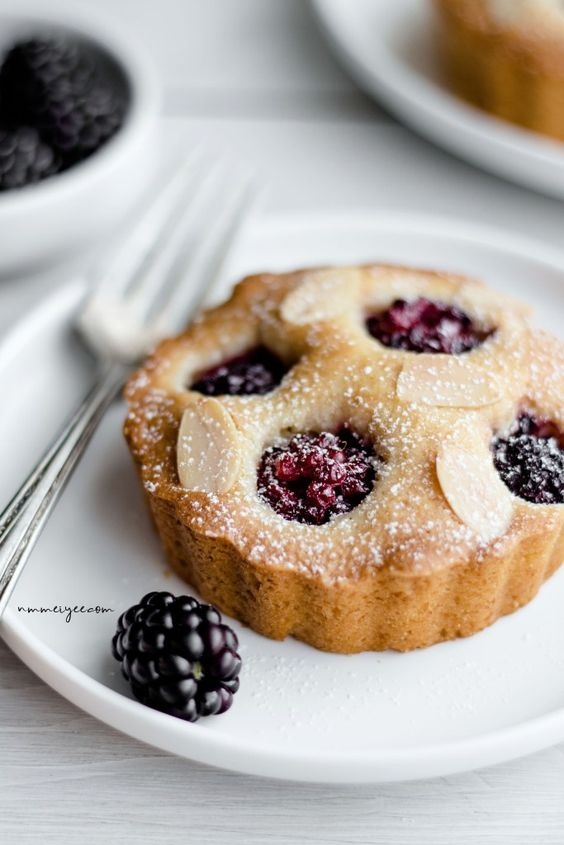
Tart is basically a baked dish with filling over a pastry base with the top left open. While the pastry is usually of shortcrust, the filling can vary from sweet to savoury; although modern tarts are fruit-based with or without custard. Miniature tarts known as tartlets like egg tarts are also gaining widespread popularity as they can essentially substitute for a complete breakfast for the “busy fast paced” world out there.


Originating from the Old French “tarte” or Medieval Latin “tarta”; the distinction of tart with flan, quiche and pie are often blurred with differentiation on the basis of the covering over the pastry or the filling type being sweet, savoury or meat and vegetable based. the categories of “tart”, “flan”, “quiche”, and “pie” overlap, with no sharp distinctions.
“Unless you are a professional, you will find the tart to be a high-maintenance, unforgiving whistle-blower of a pastry.” Sloane Crosley
On tracing the origins of tart, most food historians believe that they came about from the tradition of layering food or “putting things on top of other things” especially over notably round, flat pieces of bread or bread based crusts. Over time, the base was pastry type and then tarts had come about. Another line of thought maintains that tarts spring from the Medieval pie-making tradition, as a kind of flat, open-faced pie. Dating to at least mid 15th century, one of the earliest tarts was “the Italian crostata”, described as a “rustic free-form version of an open fruit tart” or “an open-faced sandwich or canape” due to its’ crusted appearance.
With the arrival of enriched dough around the 1550s, pies took a setback of being a common man’s way of recycling offal and table scraps, while tarts were made with fillings of “high cuisine” often made artistic and pleasing to the eye as well as palate. Often custard-based, a large, open tart presented a broad canvas upon which an artistic chef might compose a work of edible art with brightly-colored fruits, vegetables and spices added onto or into them, mostly being sweet than savoury, or a little of both.


Typically free-standing with firm pastry base of dough, itself made of flour, thick filling, and perpendicular sides; tarts have been made with varied fillings including jam, Treacle tart, meringue tart, tarte Tatin and Bakewell tart.
In fact, the “tarte Tatin”, named after the hotel (originated in France) serving it as its signature dish, is an upside-down pastry in which the fruit (usually apples) are caramelized in butter and sugar before the tart is baked. Over the years, this version as spread to other countries over the years with the filling upside-down being of not just apples or other fruit but also onions, tomatoes and other vegetables.
With savoury tarts getting their own special niche of “quiches”, German Zwiebelkuchen ‘onion tart’ or Swiss cheese tart (Gruyere); tarts and their related varieties are here to stay, especially for quick, comfortable, fun and artistic cooking. With June being the month of outdoors and picnics, tarts and pies are very much here to stay.
“I’m really a scientist. I follow recipes exactly – until I decide not to. And then I’ll follow something else exactly. I may decide I could turn this peach tart into a plum tart, but if I’m following a recipe, I follow it exactly.” Ina Garten


 Sugar And Spice... Among Other Things