“Things that really matter are the things that gold can’t buy, so let’s have another cup o’ coffee and let’s have another piece o’ pie.” Irving Berlin
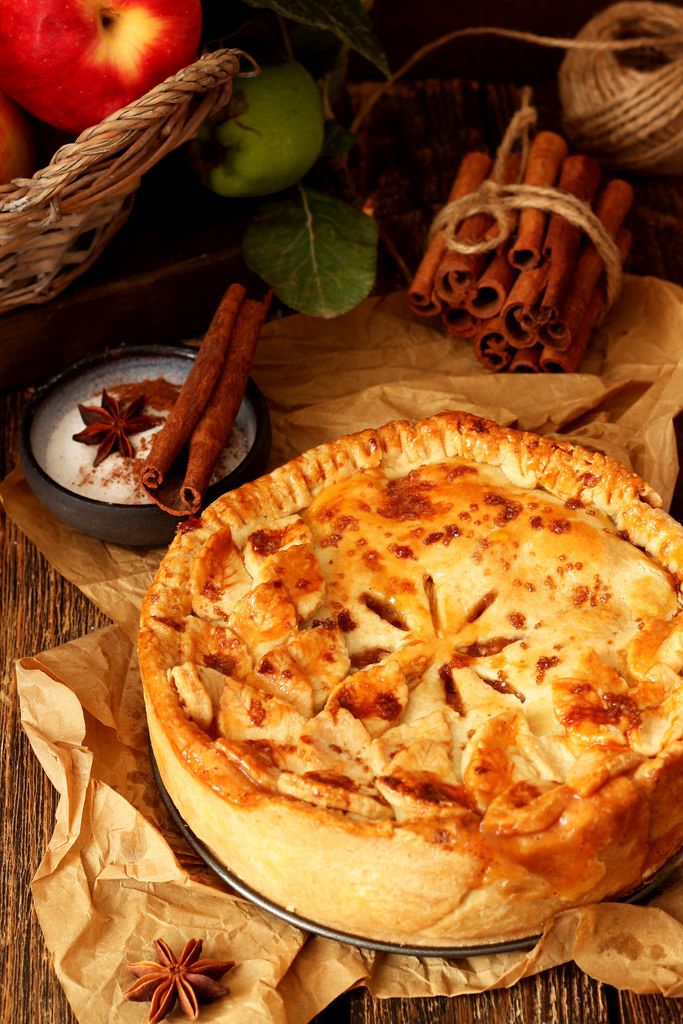
In the initial years of domestication, life in the kitchen revolved around one step meals. From casseroles to pasta and pie, homemade food was simple, basic and hassle free. One of the first recipes to attempt with the oven were the pie recipes, something that our grandmother used to to do on a weekend basis. Today with dessert pies being the classic in any restaurant, it makes for a welcome change from the usual simple desserts for the weekend lunch.


Interestingly the concept of pie making can be traced to as early as the Neolithic era of Egyptians. Pie essentially meant anything edible encased in a tough pastry shell mainly served as a baking dish, storage container or serving vessel, initially too hard to actually eat. As historical evidence points out, these early forms of pies are known as galettes, which essentially are rustic free-form pies. These pie-like treats were made with oat, wheat, rye or barley; then filled with honey and the dish was baked over hot coals. As Egyptian hieroglyphics and drawings show that the bakers to the pharaohs incorporated nuts, honey, and fruits in bread dough, a primitive form of pastry.
As the Greeks carried over the tradition of galettes; they had modified the pies during their period by making a flour-water paste wrapped around the meat, which served to cook the latter and seal their juices. When the Romans had conquered Greece, they had used various types of meat including oysters, mussels, lampreys, fish in every course of meal, sometimes even dessert . As written in the records of De Agricultura by the Roman Statesman Marcus Porcius Cato (234-149 B.C.), the recipe most popular during his era was known as the “Placenta” or “libum”. They were made more like a cheesecake, baked on or sometimes inside a pastry base, these were the initial pie/cake.
Through the gateways of the Roman cuisine, the trend of pie making made it’s inroads into the European cuisine, adapting itself to the local customs and imbibing itself with the traditional cuisine. The initial pies were known as “coffins” or “coffyns” (the word actually meant a basket or box). There were savory meat pies with the crusts or pastry being tall, straight-sided with sealed-on floors and lids. The open-crust pastry (no tops or lids) were known as “traps.” Holding an assortment of meat and sauce components, these pies were baked more like a modern casserole with the crust being the pan, its pastry tough and inedible. The crust was often made several inches thick to withstand many hours of baking. The initial pie prototypes were more savoury than sweet and were a mix of top-cased than open ones (known as tarts today). The sweet pies were more of the “tart” variety.
“Tak gode Applys and gode Spycis and Figys and reysons and Perys and wan they are wel brayed colourd wyth Safroun wel and do yt in a cofyn and do yt forth to bake wel.” (Recipe for apple tart, 1379) Source:The Forme of Cury, A Roll Of Ancient English Cookery, Compiled, about A.D. 1390, by the Master-Cooks of King Richard II.


As to the etymology of the word “pie”, the source may be traced to the magpie, a bird that was known for collecting odds and ends especially the shiny ones and storing them in it’s nest (visualize the similarity). Considering that the Medieval pies also contained many different animal meats including chickens, crows, pigeons and rabbits, the possibility rests on that similarity for the modern word of “pie”.
The modern pies are baked dish, with a pastry dough casing that completely contains a filling of various sweet or savoury ingredients and meant to be eaten. From sweet pies with fillings of fruit, nuts, brown sugar or sweetened vegetables like rhubarb or the savoury pies like the steak pie, Jamaican patty with plain meat, eggs and cheese (quiche) or a mix of the vegetables and meat (pot pie(, pies today are meant to be edible as a whole. And the crusty cover can be made from the typical shortcrust pastry meant for pies or even substituted by powdered biscuits, mashed potatoes, bread crumbs to give a soft or strong edible base or cover.
Modern pies carry a whole lot of tradition and history behind each dish typical of a particular cuisine. Knowing that and adding on to those ingredients, giving the pie making a special flavour and zing tot he final dish. After one of the best places to experiment, experience and recreate the flavours of history is the kitchen.


 Sugar And Spice... Among Other Things
_-_WGA4972.jpg)