Posted in Daily, Random Thoughts, Stories Around the World, Work

To Believe It or Not !!

” “Coca-Cola is launching three flavours of its Zero Sugar brand featuring avocado, sourdough and charcoal.”

Imagine the consequences of the taste buds and the senses after an episode of experimentation with these flavours. And here’s how the flavours were described.
• Coca-Cola Zero Sugar Avocado – Forget smashed or blended, this new flavour infuses the subtle, creamy undertones of amazing avocado with that great Coca-Cola Zero Sugar taste. Both delicious and nutritious, this gorgeously green pick-me-up is guaranteed to make your socials grow.
• Coca-Cola Zero Sugar Charcoal – Cleanse, refresh and revitalise with a Zero Sugar supercharge. Loaded with activated charcoal, creating a smooth and rich flavour, this miracle in-a-can pairs-perfectly with your favourite Instagram filter.
• Coca-Cola Zero Sugar Sourdough – Crafted with care, superbly sour and bursting with fermented flavours. Packed with crumbly goodness – so you can start the day in the right way with a mouth-wateringly good snap of this wild-yeast infused Zero Sugar treat. “

For the readers of the above news on the Daily Mirror online version last year, had resulted in a frenzy of whether this was true or was it an “All Fools Day Prank”. Being mixed with the “true news” of the society, food, travel and living sections; it wasn’t easy to ascertain whether one was going to really taste avocado, sourdough or charcoal in their drink.

“The first of April, some do say
Is set apart for All Fool’s Day;
But why the people call it so
Nor I, nor they themselves, do know,
But on this day are people sent
On purpose for pure merriment.” (Poor Robin’s Almanac, 1790)

One of the days dreaded the most, especially at work, school or neighbourhood, is the first day of April, where the day is pretty confusing for each hour goes by the wait of “being pranked”. Each day this year, from social media to official meetings, one is always second guessing everything. As for pranksters, its’ a day of freedom, fun and revelry.

Yet when the prank is actually the truth, one may feel a bit razzed. For instance people who celebrate their birthdays on April First have always been questioned, even though they are speaking the truth. Remember the headlines that state “the African continent can split into two” after an enormous crack appears. Well, it’s actually true for a large crack, several miles long and growing accompanied with seismic activity had appeared in south-western Kenya causing the Nairobi-Narok highway to collapse. Researchers have attributed this to activity between the tectonic plates in Earth’s crust and upper mantle. Today the rift still continues to grow and an expert says it’s evidence that the continent is breaking apart.

Yet news like this, practical jokes and hoaxes especially on All Fools’ Day or April Fools’ Day spreads mass confusion (which was or wasn’t the purpose all along). Why this particular day ? The origin behind this day is quite interesting, with various versions and tales trending around the world.

As per Geoffrey’s Chaucer’s “The Cantebury Tales”, New Years’ Day used to be celebrated around April. With the Gregorian Calendar (1582, France) being introduced by Pope Gregory XIII with January 1st to be celebrated as “New Years’ Day.” For those who refused to support this,; they were mocked and sent on fools’ errands on April 1st.

Another disputed association between April 1st and foolishness also comes from Geoffrey Chaucer’s The Canterbury Tales (1392). In the “Nun’s Priest’s Tale”, a vain cock Chauntecleer is tricked by a fox on “Syn March bigan thritty dayes and two.” While readers apparently understood this line to mean “32 March”, i.e. April 1, it wasn’t clear if this was the correct inference. The scholars of today, believe that there is a copying error in the extant manuscripts and that Chaucer actually wrote, “Syn March was gon.” Then the passage would have originally meant 32 days after March ( i.e. May 2nd), the anniversary of the engagement of King Richard II of England to Anne of Bohemia (1381).

French poet Eloy d’Amerval (1508) had referred to “a poisson d’avril” (April fool, literally “Fish of April”), possibly the first reference to the celebration in France. In France, January 1st as New Year’s Day became common only by the mid-16th century and the date was adopted officially as per the Edict of Roussillon (1564). Likewise Flemish poet Eduard de Dene (1539) had written about a nobleman who sent his servants on foolish errands on April 1st.

The origin of April Fools’ Day is different in Netherlands, where it’s often attributed to the Dutch victory at Brielle in 1572, where the Spanish Duke Álvarez de Toledo was defeated (“Op 1 april verloor Alva zijn bril”). Another citation in history was on April 1, 1698 when several people were tricked into going to the Tower of London to “see the Lions washed”.

Few authors have expressed the belief that the origins of April Fool’s Day may go back to the Genesis flood narrative, although this hasn’t been verified by Biblical scholars or historians. As written by the Harper’s Weekly cartoonist Bertha R. McDonald (1908), ” Authorities gravely back with it to the time of Noah and the ark. The London Public Advertiser of March 13, 1769, printed: “The mistake of Noah sending the dove out of the ark before the water had abated, on the first day of April, and to perpetuate the memory of this deliverance it was thought proper, whoever forgot so remarkable a circumstance, to punish them by sending them upon some sleeveless errand similar to that ineffectual message upon which the bird was sent by the patriarch”.

Festivals celebrating a day for pranks has been there since the early Roman times, where “Hilaria” a Roman festival was celebrated. As the name suggests, it was a festival of laughter and hilarity where people would dress up in disguises to fool others and enjoy the spring season. Various countries have different ways to celebrate this day. While across Italy, France, Belgium, and French-speaking areas of Switzerland and Canada, people celebrate April Fools’ Day by trying to stick a paper fish on someone (without being noticed); in Iran jokes were played on each other on ‘Sizdah Be-dar'(the 13th day of the Persian New Year, falling on April 1st or 2nd). On the other hand Spanish speaking countries celebrate similar festivity on the ‘Day of the Holy Innocents’ (December 28 or 29) and in Denmark, this day is celebrated on’Maj-Kat’, which means ‘May-cat’ (May 1st).

Either way the chance to play practical jokes and hoaxes on this day has promoted this trend to continue. For there’s nothing more enriching than genuine innocent fun and laughter for the day.

“The maple syrup’s full of ants.
A mouse is creeping on the shelf.
Is that a spider on your back?
I ate the whole pie by myself.
The kitchen sink just overflowed.
A flash flood washed away the school.
I threw your blanket in the trash.
I never lie—I—
April Fool!” (Myra Cohn Livingstone)

Posted in Daily, Food

Of Rice, Steam and Cake

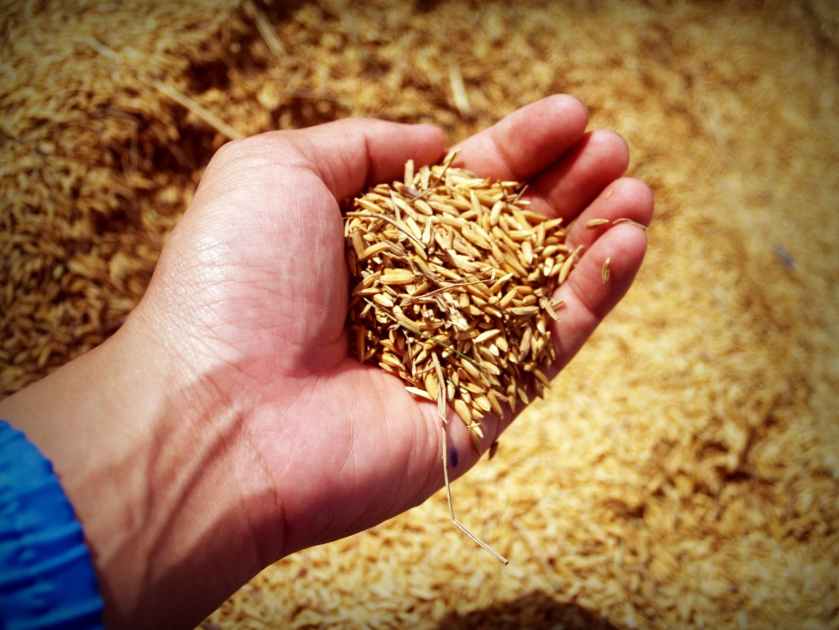
Add four parts uncooked rice (or parboiled rice) to one part whole white lentil (urad dal) are soaked separately overnight (at least four hours to six hours). Optionally spices like fenugreek seeds can be added at the time of soaking for additional flavour. After being soaked, the lentils are ground to a fine paste and the rice is separately coarsely ground and then combined. The mixture is left to ferment overnight during which its volume will more than double. The finished batter is put into trays of greased perforated moulds for steaming. The trays are held above the level of boiling water in a pot, and the pot is covered until done (about 10–25 minutes, depending on size).

Idli or idly are a type of savoury rice cake, originating from the Indian subcontinent, popular as breakfast foods. Made primarily from steaming a batter of fermented black lentils (de-husked) and rice, idlis are can be had at any time, most popularly with condiments like chutney and sambhar. Other variations include rava (semolina) idli, ragi idli, “tatte” idli varying to the local ingredients and flavour.

Several ancient Indian works mention the precursor of modern idli. Initial records mention soaking black gram in buttermilk, ground to a fine paste and mixed with the clear water of curd and spices. The three key aspects of the modern idli recipe; the use of rice (not just urad dal), the long fermentation of the mix and the steaming for fluffiness are left out. Popular belief is that the Indonesian influence on the cooks of those times may have let to the development of the modern idli. As of 2015, March 30 is celebrated as World Idli Day.

Besides known for its’ versatility of flavours and on the streets, idlis are nutritionally smart. In a single idli, one consumes 2 grams of protein, 2 grams of dietary fiber and 8 grams of carbohydrates, approximately 39 calories. In addition, it contains iron with trace amounts of calcium, folate, potassium and vitamin A. Spices like fenugreek, mustard seeds, chili peppers, cumin, coriander, ginger or sugar may be added to make them sweet instead of savory. Stuffed idli with filling of potato, beans, carrot and masala are popular. Leftover idlis can be cut-up or crushed and sauteed for a dish called idli upma. Creative fusion recipes like idly chicken, idly manchurian, idly fry, chilly idly and a lot of different ideas have been successfully experimented and recreated.

From the huge plate sized “thatte idlis” to the “Mangalorean Muday Idli” in steamed leaves or Goan Sannas and mini Sambhar idli, these dishes are travelling miles from the subcontinent and gaining popularity globally.


Posted in Daily, Life, Personal Musings, Quotes, Stories Around the World, Work

Set the Glass Down

“Goodnight. Sleep tight.”

As we say these words to the young and dear ones, flashbacks of our younger days come to mind. If one remembers our childhood nights of bedtime stories and goodnight hugs; the nights today would have a feeling of uneasiness at times with night with “insomnia” or related like event, when the nights are spent in restlessness. Looking over the years, as we grow up sleepless nights became the trend. From blissful sleep of childhood, pulling an all-nighter with friends; then later on around the exams and finally in college to adult life; the trend of “staying up all night” transformed from being a trend to “the norm”. The thought that surfaces to mind is , “when was the last time we slept well?”

“The truth is that stress doesn’t come from your boss, your kids, your spouse, traffic jams, health challenges, or other circumstances. It comes from your thoughts about these circumstances.” Andrew J. Bernstein

Analyzing the nights where we toss and turn the bed covers, not sleeping a wink would be reasons ranging from a newborn to sick child or pending work, spouse’s absence, health issues and the list is endless. While some of these reasons are not in our hands to control or fathom; others’ can be controlled by containing our thoughts and putting our trust into our Faith.

“It’s not stress that kills us, it is our reaction to it.” Hans Selye

Life has given us whole causes for sleepless nights. Yet in the face of the hurdles, once we learn to lighten the burden with reason, immense Faith and Hope; the world tomorrow mayn’t be so bad. Whether we drive ourselves crazy with worry or not, what will happen will happen. Is it worth losing our sleep on these things ?

“Stress and worry, they solve nothing. What they do is block creativity. You are not even able to think about the solutions. Every problem has a solution.” Susan L. Taylor

“Once upon a time a psychology professor walked around on a stage while teaching stress management principles to an auditorium filled with students. As she raised a glass of water, everyone expected they’d be asked the typical ‘glass half empty or glass half full’ question. Instead, with a smile on her face, the professor asked, ‘How heavy is this glass of water I’m holding?’
Students shouted out answers ranging from eight ounces to a couple pounds. She replied, ‘From my perspective, the absolute weight of this glass doesn’t matter. It all depends on how long I hold it. If I hold it for a minute or two, it’s fairly light. If I hold it for an hour straight, its weight might make my arm ache a little. If I hold it for a day straight, my arm will likely cramp up and feel completely numb and paralyzed, forcing me to drop the glass to the floor. In each case, the weight of the glass doesn’t change, but the longer I hold it, the heavier it feels to me.’

As the class shook their heads in agreement, she continued, ‘Your stresses and worries in life are very much like this glass of water. Think about them for a while and nothing happens. Think about them a bit longer and you begin to ache a little. Think about them all day long, and you will feel completely numb and paralyzed – incapable of doing anything else until you drop them.’”

“‘Sunrise Sunset’ is about trying to get to a place where life is simple and not letting the stress and happenings in the world get in the way of your happiness.” Benny Cassette

Posted in Daily, Family and Society, Life, Quotes, Reflections

Once Upon A Time

“…..And they lived happily after.”

One of the many endings often read; fairy tales and bed time classics have been going around for years, doing their fair share of imagination, creativity and togetherness during the childhood years. From the far-fetched tales of talking animals to almost realistic tales; fairy tale also known as magic tale or Marchen is a folklore genre, which typically features dwarfs, dragons, elves, fairies, giants to list a few. The common thread between various folklore tales across the globe is the “moral sense” of right and wrong being instilled in the young minds.

“Fairy tales are more than true: not because they tell us that dragons exist, but because they tell us that dragons can be beaten.” Neil Gaiman

As we grow up, we start cross examining these stories with reality. Then why do we need fairy tales? What are we seeking for in them? Do fairy-tales help us dream of good, affection, triumph over evil ? Are fairy-tales and classics a mirage that hide the true realities of life from children ?

“There is many a monster who wears the form of a man; it is better of the two to have the heart of a man and the form of a monster. ” -Jeanne-Marie Leprince de Beaumont, Beauty and the Beast

In the fairy tale, joy and love wins with everything being fair especially at the end. From the brave princes to Snow White and mermaids, kind old dwarf to naughty elves; fairy tales bring to life cozy home, adventures and dreams. Yet is the reality different or can we chose to make the best of the beginnings and endings that we receive ?

“Outside, on the bough of a tree, sat the living nightingale. She had heard of the emperor’s illness, and was therefore come to sing to him of hope and trust. And as she sung, the shadows grew paler and paler.” -Hans Christian Andersen, “The Nightingale”

Far from being extinct, fairy tales do have reasons to stay. The start of any fairy tale is one of adventure, inspiration and dreams. As the story unfolds and trials start; the fight against evil, the power of hope and reassurance that despite all odds things will turn out to be alright in the end when we believe in the true power of love, kindness, honesty and persevere for our dreams. Reassuring us to be ourselves, being honest and treasuring the gifts of life are few of the many subtle messages hidden in a fairy tale or the classics.

“You’re entirely bonkers, but I’ll tell you a secret, all the best people are.” Lewis Carroll, Alice in Wonderland

In the modern era of “smart technology”, preserving the art of reading aloud, bonding together and family time would go a long way into modeling our children for the future. So read them fairy tales once in a while. Give them stories to love, cherish and dream on. Maybe later in this world it would be easier for them to survive, cope, adapt and live life to their dreams.

“Every man’s life is a fairy tale written by God’s fingers.” Hans Christian Andersen

Posted in Daily, Food

Little “Bits” of Cake

“Cake on stick, once in a while, never hurts the diet.”

Baking a cake involves getting the right ingredients, weighing them and mixing them in the right proportions. For the more elaborate cakes, the icing, food colouring as well as the shapes of the base cakes needs to be set right. Ever tried making a “football field” cake without leftover crumbs. No matter how accurate and sharp the knife is, there are still inevitable crumbs of cake left behind.

Gather all the crumbs, crush them and mixed them with the leftover icing and chocolate, shape them and coat them with sprinkles or gems depending on one’s choice. put them on sticks like lollipops and freeze. Voila, cake on sticks like candy or more popularly known as “cake pops” are ready.

Although there is no recorded date for the creation of cake pops, this confectionery craze took over the industry from 2009 to 2011. Often credited to “Bakerella” a baking blog, “cake pops” rose in popularity. While the regular “round or spherical shapes” of cake pops are easy to make, tools are needed for making various cartoon cake pops, cubes or emoticons. Add little notes or messages on them makes the routine more interesting and surprising, something like the fortune cookies. Variations of cake pops are cake balls, cakesicles (cake sand Popsicle), cupcake pops and cake-on-a-stick. The evidence of their popularity is globally felt with March 25th celebrated by foodimentarians as “National Cake Pops” Day. 

With the changing diet trends and necessity of sticking to “little dose of sugar”; the possibility of having these tiny delicacies puts the strong cravings to rest.

Posted in Daily, Family and Society, Life, Quotes, Reflections, Stories Around the World, Work

Writing on the Stone

“Instead of focusing on that circumstances that you cannot change – focus strongly and powerfully on the circumstances that you can.” Joy Page

Bad days, we all have had our fair share of them. While we may envy others’ and wonder why do our days go wrong, what we have to think about instead is, why it went wrong. Sometimes the answer doesn’t lie with us, but in the circumstances that surround us. Either ways, when to know to let go is as important as when to learn to appreciate the good things that we are blessed with.

“Whatever good things we build end up building us.” Jim Rohn

Setbacks are no stranger to each one of us. Every person has their own share of struggles, stress and worries. At some point in our lives, we all have been deceived, struck down and lost relationships. Learning to survive and cope solely depends on how much we let go and how much we keep within ourselves. Being at the receiving end of the “wrongs” hurts a lot, but remembering the “good things done for us” makes those setbacks seem less painful. Carve the good done for us in solid rock to withstand the troubled waters and gales when they strike again. As for the “bad moments”, learn from them and write them on the sand so that over time, the winds will ease the sorrows and pain, rendering the forgiveness that each one of us are due to receive.

“You can live your life angry, bitter, mad at somebody or even guilty, not letting go of your own mistakes, but you won’t receive the good things God has in store.” Joel Osteen

“Two friends were walking through the desert. At one stage in their journey, they had an argument and one friend slapped the other one in the face. The one who got slapped was hurt, but without saying anything he wrote in the sand, ‘Today my best friend slapped me in the face.’
They kept on walking until they found an oasis, where they decided to have a wash. The one who had been slapped got stuck in a mire and started drowning, but his friend saved him. After he had recovered from his shock, he wrote on a stone, ‘Today my best friend saved my life.’
The friend who slapped and saved his best friend asked him, ‘After I hurt you, you wrote in the sand and now, you write in stone, why?’ The other friend replied, ‘When someone hurts us we should write it down in sand where winds of forgiveness can erase it away. But, when someone does something good for us, we must engrave it in stone where no wind can ever erase it.’”

“The more you talk about it, rehash it, rethink it, cross analyze it, debate it, respond to it, get paranoid about it, compete with it, complain about it, immortalize it, cry over it, kick it, defame it, stalk it, gossip about it, pray over it, put it down or dissect its motives it continues to rot in your brain. It is dead. It is over. It is gone. It is done. It is time to bury it because it is smelling up your life and no one wants to be near your rotted corpse of memories and decaying attitude. Be the funeral director of your life and bury that thing!” Shannon L. Alder

Posted in Daily, Food

Frozen to Last

One of the most common areas in the food mart where there is a constant flow of shoppers and at times, we do have to shove to get a leg space in between is near the frozen section. And if they are special offers then, its’ a constant rush of buyers checking the expiration dates with the discount offers.

Frozen foods have been in the system for quite some time. From the very early days of using simple techniques like crushed snow and ice for storage and the development of refrigerants, mechanical freezers to modern cryogenic or flash freezing techniques. Weighing the advantages and the demerits, certain foods are best frozen and especially to get the exotic vegetables, fruits, meat and desserts; freezing them is the option. Health wise, frozen foods aren’t dangerous once when we debunk the myths and get the facts and science straightened out.

” I’m obsessed with frozen yogurt because you don’t feel totally guilty eating it. It’s not as bad as ice cream, and during the hot summer months, it’s a great way to just refresh.” Caroline Sunshine

On buying frozen foods, fruits or vegetables; check the expiration dates. Technically these dates are given so as to recycle their use as well as to maintain their quality. Safety wise, unless the thawing process is wrong; generally frozen foods don’t get contaminated as long as the temperature requirements and settings are maintained.

Nutritionally speaking, fresh local produce is always better. Yet for recipes calling for the exotic ingredients, desserts or meat imported; frozen foods don’t lack the nutritional quality as long as the cold chain is maintained.

Thawed food once handled can be safe to refreeze as long as its’ been thawed in the fridge and not on the counter. Thawing frozen foods should never be done on the counter as it becomes a microbial plate then. Instead thaw it in the fridge compartment (from the freezer) or put it in cold water and change the water every half hour (USDA Recommendation). The shortcut technique of running hot water over frozen food could cause uneven cooking of the ingredients, in addition to safety issues.

After buying frozen foods, putting them directly in the freezer isn’t advisable as the air holes in the containers can deteriorate their taste and quality. Instead re-wrap the meat or fruits and vegetables (best to blanch the vegetables first) into air tight units pushing the maximum air out first. Quality wise, frozen foods have to be checked for added sodium; while frozen foods have to be nutritionally balanced with add on’s or side dishes for a balanced diet.

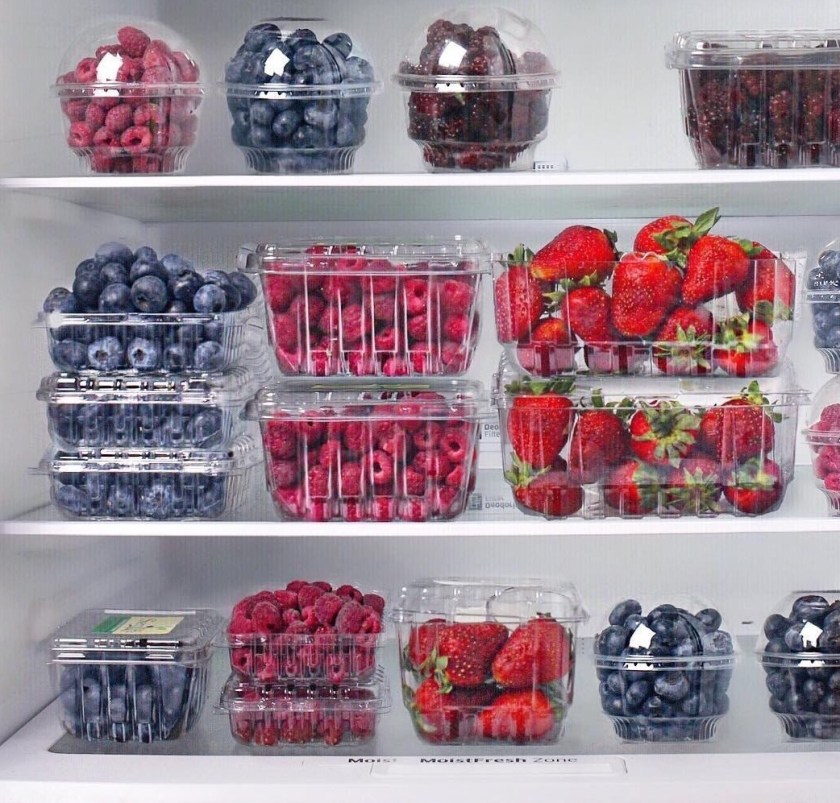
Frozen foods, on the whole isn’t a bad option to indulge in when required, as long as one maintains the temperature or cold chain and hygiene while handling them. For strawberries in winter, would give a pleasant surprise for the meal; besides enhancing the taste buds and flavouring the meal.