Posted in Daily, Life, Photography Art, Random Thoughts

The Daily Savings Account

On the occasion of today being World Savings Day or the World Thrift Day, my niece had received a piggy bank from her school. The concept of dedicating a day to promote the concept of saving or thrift was initiated in order to gain a higher standard of life and to secure the economy in the long run.

While this initiative was started off by the International Savings Bank Congress in 1924 globally, there is another savings account that we all have. Unfortunately many of us don’t hold ourselves liable to this particular account.

All of us are born with an account which is credited with 86,400 currency of either Rupees, U.S. dollars, Australian dollars, Dir-hams, Euros, Yen, Canadian Dollars, Ringgits, Rand or whichever may be the currency of the country we are residing in at present. Yet this account is credited each morning and carries no balance over to the next day, neither is there any overdraft. What we have is just the present account and there is no drawing against future accounts. This account goes by the name of “Time”.

Although you may have heard of this previously, what we fail to realize is that despite knowing all this, we still do end up wasting our time. However today there are three things I would like to stress on. First time is scarce, so although you may  or may not work in the profession that you love, find time to do something that you really want to everyday like your hobbies or special interests. It can be anything like reading that novel put off for a long time or trying out new recipes, going for a drive to a place that you have earmarked for a long time. Whatever it may be, take some time to do something that makes you happy and is worthwhile too. It is never about getting the time to do things, it’s whether we want to do it or not. Secondly is the art of time management. While many say it is a skill to be perfected by methodical and concise planning, some days our plans derail completely. That is when we adapt our time as per the priority list, so that by nightfall we have invested at least some time to good purpose. Third and most important is that time wasted is gone. It will never come back but regretting time wasted is even more fruitless. For this endeavor of contrition of carried for long, will cause us to lose out on the time tomorrow. What is gone is over and done with, don’t shackle the guilt to the next day. For then we’ll put ourselves in the chains of regret for long-term.

Granted that all this is easier said than done, effort should be made not to lose what is in our hands. For as the adage goes, time and tide waits for no man.

Posted in Daily, Food

Pancakes Across the Globe

If there is any food, since prehistoric times which has been carried over in families and homes to the present day; it has to be batter rich and poured on plate, ready to be eaten when done. Called by various names across the globe, pancake (a.k.a. hotcake, griddlecake or flapjack) has been a constant item on the breakfast or comfort foods menu both across the East and the West as well North and South. While the structure and components vary across the globe, the essential ingredient of cereal based flour (wheat, buckwheat, oats, rice and so on) in the batter leavened or unleavened has been the central theme of almost all the pancakes across the homes and diners world-wide. As food changes as per the local flavours, pancakes even when called by different names can be made either sweet or savoury but is essentially akin to quick breads or flat breads. While its’ not only by proportions, but also by the local available flavours each type of pancake has their own story to tell and cuisine to belong to.

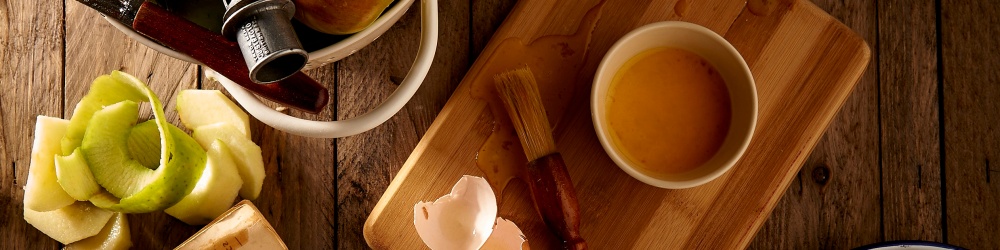
Flour. Baking Powder. Sugar. Milk. Eggs. Butter. Pinch of Salt. Mix, Pour and heat. Pancakes are ready. 
The toppings added varies according to seasons and availability. Kaiserschmarrn is an Austrian pancake with raisins, almonds, apple jam or small pieces of apple, split into pieces, and sprinkled with powdered sugar. They can be made thin and filled with jam, chocolate sauce or hazelnut spread. A traditional version includes filling pancakes with cheese, pouring yogurt over them, and then baking in an oven. While Æbleskiver are traditional spherical shaped Danish pancakes, Ålandspannkaka made in Finland is an extra thick variety of oven-made pancake which includes the addition of cardamom and either rice pudding or semolina porridge to the dough.

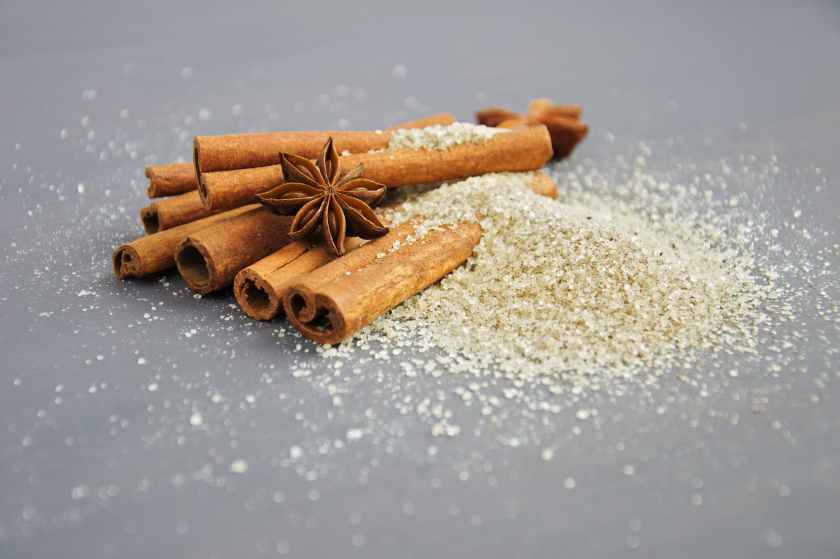
Flour. Milk. Eggs. Pour and then Crêpes are ready. They are very thin pancakes that are served with a sweet (fruit, ice cream, jam, chocolate spread) or savoury filling (cheese, ham, seafood, spinach). In some places, galette (or galette bretonne) is prepared which is a large thin pancake made of buckwheat flour, often cooked on one side only. Farinata ( also known as socca) are pancakes made from chickpea flour and black pepper as seasoning and are quite popular in the Mediterranean regions. In South Africa, a “pancake” is a crêpe known as a pannekoek. Pannekoeke are usually served with cinnamon-flavoured sugar (sometimes lemon juice) that is either allowed to dissolve into and soften them. To retain the crispy texture, they have to be eaten immediately.

Short-grain rice. Dal. Fenugreek seeds.Salt. Mix for Batter. Soft crepes. Dosa ready to go. By thickening the batter and adding savouries, it’s uttapam. With fermented rice flour appam is made while gram flour is used to make salty pancakes (cheela). In Nepal, chataamari is the savoury rice pancake cooked with meat or eggs on top or served plain. Chinese pancakes may be either savoury or sweet, and are generally made with dough mostly consisting of water, flour, and vegetable oil.The Indonesian pancake serabi is made from rice flour and coconut milk and can include fruit toppings, chocolate, meat or even ground peanuts. While in the Philippines, bibingka is made from rice flour, eggs, and coconut milk, whereas in Japan, Okonomiyaki are made from flour, egg, cabbage and a choice of ingredients.

Irrevocably pancakes have become a part of the tradition and culture of the place. Traditionally pancakes are eaten on Shrove Tuesday (or as Mardi Gras or Fat Tuesday), which is known as “Pancake Day” in a few Western countries like Canada, the United Kingdom, France. Historically, pancakes were made on Shrove Tuesday so that the last of the fat or lard was used up before Lent as meat products were avoided during Lent. Additionally pancake art as well as pancake fund raising breakfast have been on the rise. Besides with the rise of tourism along the banana pancake trail, exploring and having fun filled experiences is on the bucket list of many.

Ranging from many emotions, pancake fundraising breakfast campaigns to absolute food art, pancakes remind us of home, comfort and warmth. To quote Kathleen Flinn, “I don’t have to tell you I love you. I fed you pancakes.” With a varied range of mixes, toppings, fillings and side-dishes for the different types of pancake mixes results in an surfeit of ideas for quick breakfasts on weekdays, rich calorie laden meals for the lazy weekends or a delightful delicious cuisine of art and hospitality. Looks like pancake are here to stay for a long time to come with newer recipes to be experimented and tried.

Posted in Daily, Life, poetry, Random Thoughts

Cloak of Maturity

During my initial days of college life, there used be to a particular poster always put next to the notice board outside the dean’s office. Over the years, variations of the same poster found its’ way outside our campus library as well as in the campus cafeteria. Along the years, towards the last few months of college, it was seen on the walls of a few of our local cafe’s and delis. The posters varied from being a wordle to the full fledged poem of “If”. Written by the Rudyard Kipling, it exemplifies the multitude characteristics essential to become the ideal man. In other words, this poem brings to light the stoicism and reserve seen in the classic British “stiff upper lip.”

Although I suspected that “If” found its’ predominance in my college campus so as to bring the class of students into line with the intent of bringing order and discipline into the campus. To this day, I still believe that “If” did play a prominent though subtle role during the intense situations in college life.

The core of “If” that helped us during our college days was to set parameters to reach the level of maturity in the modern world. It taught us not only to be responsible for the decisions we make in life, but to also stand up for our beliefs with due consideration to the social strictures and seek clarifications when in doubt. Although caution has to be used to see through the lies and know whom or when to give our trust. Even though education opens the doors, the skill lies in understanding which desires or ambitions to achieve and when to modulate our dreams to the current tide so as not to lose our grasp on reality. Above all not to forget our roots and neither to indulge in pompous display of knowledge or skill.

“If” made us realize that neither success stays nor does failure, but preparedness to start again if need be instead of dwelling on the losses or gains of the past. Instead we learn to deal with the disappointment and the grief. For the resilience of the human nature is like the phoenix, to rise from the ashes even if a kernel of hope exists. Above all, learn to make every hour count and then we will to find the world at our fingertips.

My Alma-mater was determined to teach us to not only ride the rough waters waves but also to secure a safe location and drop the Anchor within ourselves during the storm. For us immature youth, they taught us to wear the cloak of dignity with humility and fortitude to reach the maturity of adulthood.


if-poem-by-rudyard-kipling-claudette-armstrong
Source: https://pixels.com/featured/if-poem-by-rudyard-kipling-claudette-armstrong.html
Posted in Daily, Food, Quotes

Art of Theobroma cacao

Theobroma cacao in Latin translates as “food of gods”. From its’ leaves to seeds, especially the latter when fermented, dried, crushed, ground and roasted become the bitter form of “chocolate”. The word “chocolate” comes from the Classical Nahuatl word “chocolatl” or “xocolatl” which entered the English language from Spanish. Although this fact is not fully approved as debates are still going on whether the original word was “chokolatl” or “chicolatl”.

Native to Meso-American areas, where the pre-Columbian civilizations flourished before the Spanish colonization, the history of chocolate originated as a beverage mostly bitter, mixed with spices or corn puree and sometimes fermented as an alcoholic beverage. Since then it has been in popular use especially among the upper classes, as determined by the archaeological evidence. Although it was used in official ceremonies and religious rituals, at feasts and festivals, as funerary offerings or as tribute; it was valued for its’ medicinal properties as well. Later on Cacao beans were used as currency even as taxes.

Till the 16th century, cacao was unknown to the Europeans. With the Spanish venturing into the Meso-American areas, cacao was introduced into Spain but gained popularity when the Spanish friars introduced it to the Spanish court. As the plantations slowly spread into the English, Dutch and French colonies, the market and craze for chocolate was gaining ground. Alkaline salts were introduced to chocolate by a Dutch chemist to reduce the bitterness. With the invention of the chocolate press, adding milk to chocolate and evolution of the cacao butter lead to the modern era of chocolate. From then on with artisanal chocolate lines and independent chocolatiers, chocolate has become a feast for the palate as well as the eyes.

“Chocolate knows no boundaries; speaks all languages; comes in all sizes; is woven through many cultures and disciplines… it impacts mood, health, and economics, and it is a part of our lives from early childhood through elderly years.” Herman A. Berliner

Chocolate is one of the rare foods which has a variety of days designated to celebrate it, both nationally, internationally and even locally. Over the years, there are very few food fads which has garnered a lot of attention and interest even in the entertainment, fashion as well as the art world. Why so much fuss about chocolate ?

“Chocolate is the first luxury. It has so many things wrapped in it: deliciousness in the moment, childhood memories, and that grin-inducing feeling of getting a reward for being good.” Mariska Hargitay

Besides forming an essential part of many childhoods, it has become a life saver in most kitchens and restaurants. From the liquid to the solid forms, chocolate has been a favourite for many events, even some board meetings where chocolate is at hand. To quote Johnny Iuzzini, “Chocolate is one of the backbones of the pastry kitchen. It is one of the most important ingredients in our pantry. It is very versatile, it is complex, and it is extremely temperamental.”

With the rising benefits of the cacao bean highlighted especially as dark chocolate, it has made a comeback as a healthy snack. Being a rich source of polyphenols, flavinoids as well as nitric oxide, chocolate has a role in the cardiovascular health. Besides there’s nothing as mood lifting as chocolate when we get stuck in any fiasco.

If any man has drunk a little too deeply from the cup of physical pleasure; if he has spent too much time at his desk that should have been spent asleep; if his fine spirits have become temporarily dulled; if he finds the air too damp, the minutes too slow, and the atmosphere too heavy to withstand; if he is obsessed by a fixed idea which bars him from any freedom of thought: if he is any of these poor creatures, we say, let him be given a good pint of amber-flavored chocolate… and marvels will be performed. – Anthelme Brillat-Savarin 

Yet like all good things, chocolate in moderation will go a long way in helping us enjoy this treat for a lifetime. If we indulge in too much of it, we may have a setback later. The fun of chocolate is to savour it in the moment, little at a time to make it last longer. As Forrest Gump says,” Momma always said life is like a box of chocolates. You never know what you’re gonna get.”

With the National Chocolate day in two days time, chocolate deserves a little extra attention for the menu. For in life even though,“All you need is love. But a little chocolate now and then doesn’t hurt. Charles M. Schulz”

Posted in Daily, Photography Art, Reflections, Stories Around the World

Sharpen the Pencil

While sitting in one of the meetings, I had run out of ink while jotting down notes. Thankfully after a harried search in my bag, I found a small pencil and my note taking went undisturbed. Later that day, I was reminiscing about the last time I had used a pencil. For the regular sketchers, designers and artists, that question is pretty irrelevant. But for occasional writers, poets, businessmen, office workers, software engineers and the like, it is a moot point as a pen holds the same role as the pencil. Ironically though many of us had started off our learning with the pencil.

Even today, I still remember the entire procedure of packing my bag the night before school. Along with the notebooks, till primary school it was the pencil box with my assorted selection of pencils which had a prominent role in the calligraphy and drawing lessons . As time progressed, we had switched over to pens and along the way, our writing had changed. All the same, there is a special feel while holding the pencil in hand. In fact it brings to memory, the pencil’s tale.

The pencil’s tale: An old pencil maker took his newest pencil aside, just before he was about to pack him into a box. Imagining the little fellow as a person he recalled a few things about the pencil.“There are five things you need to know,” he said to his pencil, “before I send you out into the world. Always remember these five things – never forget them – and you will become the best pencil you can be!
“The first thing is to remember that you will be able to do many great things, but only if you put yourself in someone else’s hands.
“From time to time you will experience a painful sharpening, but remember that this will make you a better pencil.
“Also, keep in mind that you will be able to correct any mistakes you might make along the way.
“And the most important part of you is what’s on the inside.
“And remember this, as well, upon every surface that you are used, you must leave your mark. No matter what else happens, you must continue to write.”
It seemed the pencil listened to him and promised he would remember these five things so that he could live his life with heart and purpose.

Although applying the finer aspects of this tale might not always be possible all the time. Somewhere along the journey, when we get lost; the five lessons of the pencil would bring us back to the days where life was fun and meaningful. For by sharpening the pencil (graphite or charcoal), the artisans, craftsmen and even carpenters begin or continue their work to create their masterpieces.

Posted in Daily, Life, Photography Art, Random Thoughts

Switch to Outdoors

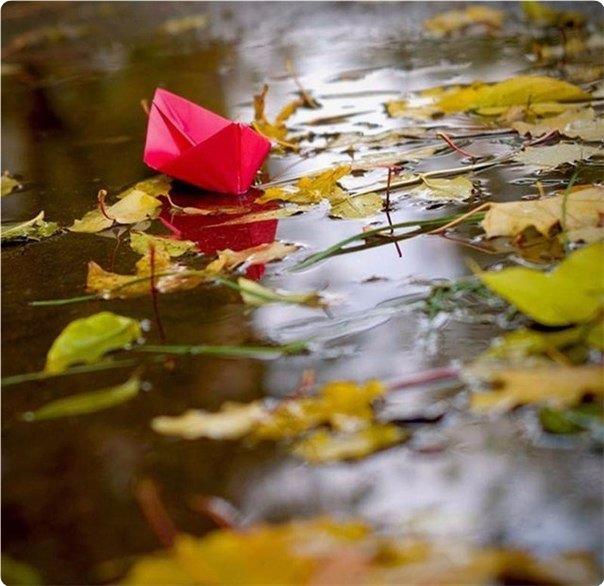
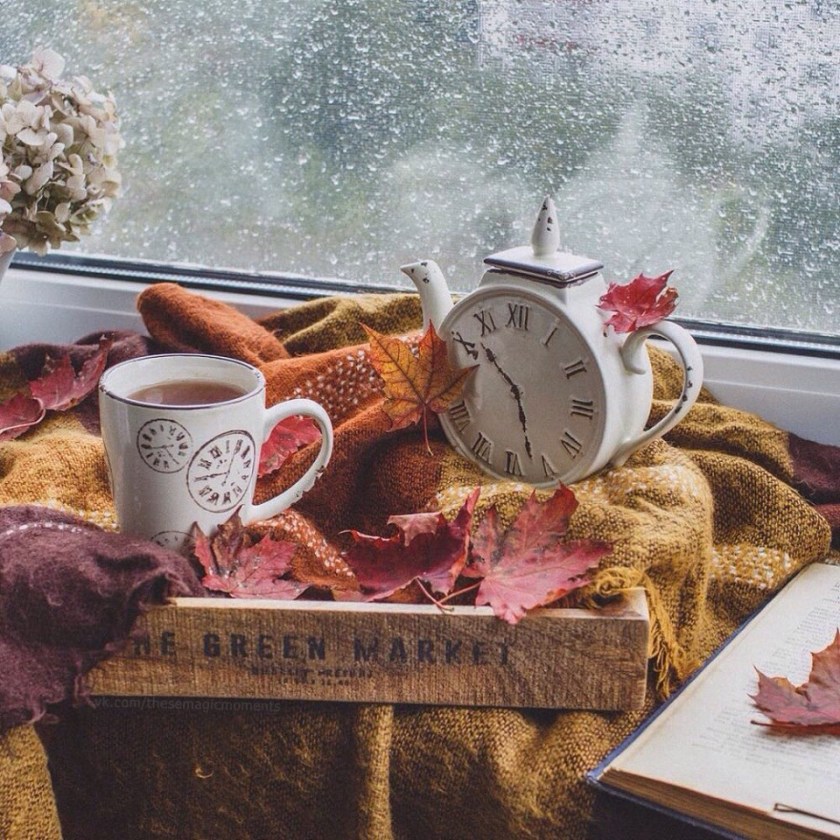
With the autumn winds and rains in full swing, the outdoors offer a walk filled with an array of colours. For the children, non rainy days of autumn are spent outside for they beckon them like beacons of joy and fun. To experience days like these, living in the country is better than the cities. There’s nothing better than the fields, the green and the beauty of nature to revamp and rejuvenate ourselves after a long day. Although it is true that the cities afford to give us the modern living, but the daily existence gets mundane and boring after a while. In fact the growth of modern technology to the feasibility of internet or app based food and groceries delivery, online shopping deals, excessive indoor entertainment options and increased working hours with limited breaks have all contributed its’ fair share to the humdrum existence. Even worse is when the regular childhood hours of outside play is substituted with gadgets and indoor toys.

The aftermath was that the entire focus shifted to living within the walls of our homes, to the point of limiting our daylight exposure. The recent report released by VELUX has highlighted the statistics and data researched about the “indoor generation”. The consequences are alarming not only to our physical well being but emotional and mental health too of the present and future generations.

To break from the daily routine of work-home-work cycle isn’t easy, especially for the city dwellers. The options though limited are feasible. First is to get outdoors as frequently possible especially during office breaks. If that is limited, try walking through a public park before joining the regular commute. Second, bring nature and daylight into our homes. Although we live smack in the city, the bigger the windows, the greater amount of sunlight in our homes Third, bring nature into our house with indoor plants, rooftop or balcony wall gardens and increase the ventilation. Fourth give allotted time for outside play especially for the kids. It would be great if the entire family spends some quality time outdoors. Fifth and the best option is to get out of the town over the weekend at least fortnightly or monthly and rejuvenate with nature. With many bed and breakfast establishments open all over the countryside, the break would be worth it. And for those of us who have extended family living in the country, it pays to visit them once in a while.

Despite all the modern conveniences that man has invented, it is the soothing and peaceful presence of nature that offers peace and brings not just physical wellness but emotional and mental sanity.

Posted in Daily, Photography Art, Random Thoughts

Ripe not Sour

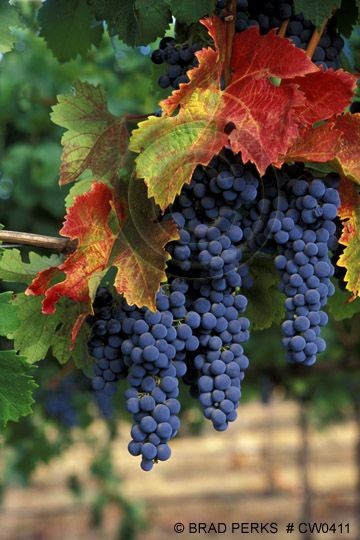
Yesterday night, the bedtime story was Aesop’s Fable of the Fox and The Grapes. As I was explaining the story and it’s morals to my toddler, the first question he asked was why didn’t the fox try shaking the branches so that the big fat grapes fall down. To answer, I had tried one explanation that the vine was too strong and second the fox was too tired. Unfortunately he didn’t believe it.

Late night, the moral of the story was going around in my head like clockwork. It’s so easy to speak ill of the things we can’t attain. Why do we do it ? May be it helps to distance ourselves from our failures, of what we couldn’t or can’t have. May be it does help us to dissociate ourselves between our ideas, beliefs or thoughts against what has happened. Yet the reality is by calling the ripe “sour” doesn’t change anything.

Life is full of goals, desires, ambitions and temptations. Some of them are within grasp but the rest we have to let go, either by choice or by circumstances. Though at times we do regret that the may-haves would have been possible if we gave a little extra push from our side. Although by blinding our eyes and declaring the true, false may bring momentary gratification but it doesn’t change the situation. Instead we miss out on another attempt for something better. For unless we pluck up the courage to admit and determine what went wrong, we will continue on the path of disappointment and disillusionment, eluding the “ripe grapes” repeatedly.

The fox who longed for grapes, beholds with pain
The tempting clusters were too high to gain;
Grieved in his heart he forced a careless smile,
And cried, ‘They’re sharp and hardly worth my while
(a quatrain by Aphra Behn in Francis Barlow’s illustrated edition of the fables (1687))