
Posted in Daily, Food, Musique, Stories Around the World

A Penny, A Bun…

Hot cross buns!
Hot cross buns!
One a penny, two a penny,
Hot cross buns!

If you have no daughters,
give them to your sons.
One a penny, two a penny,
Hot cross buns!
– Roud Folk Song Index Number (13029)

Almost every parent, guardian or caregiver has heard of the predefined set of nursery rhymes (ranging from Twinkle Twinkle Little Star to Ba Ba Black Sheep), especially when trying to make the young mind learn a bit of the English language, rhymes and songs. The above song “Hot Cross Bun” is no stranger to the set of these rhymes. However it was the smell of freshly baked buns (butter buns, fruit buns mainly) from the bakery near my workplace that would account for the sudden thoughts of “Hot Cross Bun” ( originally an English street cry) being dredged up from the grey cells. Like those memories that linger, thoughts of a pot of tea with fresh buns do enter the list of sudden urges for the taste buds occasionally.

This spiced sweet bun usually made with fruit and traditionally marked with a cross (as sugar toppings or partially sliced through) was associated with the end of Lent and is usually eaten on Good Friday. At times, spices are also added. These days hot cross buns are available all year round at most places, even in the supermarket chains with varieties like toffee, orange-cranberry, salted caramel and chocolate, apple-cinnamon, coffee flavoured, white chocolate and raspberry, banana and caramel, sticky date and the list goes on to being more creative and flavoured in certain bakeries and delis.

The exact origin of “hot cross buns” was historically believed to be associated with the rise of Christianity. During the Lent period, plain buns were made without any dairy products and eaten hot or toasted. Although archaeological evidence suggest that the Greeks (6th century) may have marked cakes with a cross. While one theory states that the Hot Cross Bun originated when where Brother Thomas Rodcliffe, a 14th Century monk at St Albans Abbey (1361), developed a recipe (similar to hot cross bun) called an ‘Alban Bun’ and distributed them to the local poor on Good Friday.  Though the London street cry,”Good Friday comes this month, the old woman runs. With one or two a penny hot cross buns”, which had appeared in Poor Robin’s Almanac (1733) was the first ever definite record of hot cross buns. On trying to trace if these buns were made earlier than 18th century London, records of recipes come to a blank.

More of interest are the numerous traditions and beliefs surrounding these “hot cross” buns. While one says that buns baked and served on Good Friday will not spoil or grow mouldy during the subsequent year, others encourage keeping these buns purely for medicinal purposes or are carried along for long sea voyages to protect against shipwreck. Few kitchens may have a “hanging hot cross bun” which gets replaced every year, done so as to protect against fires and ensure that all breads turn out to be perfect and exquisite.

Be it the Lent season or not, hot cross buns are one of the best spiced buns are to have, especially hot or toasted ( or cold as per preference). The more the variety, the better. Moreover, one doesn’t need to wait for the right time to indulge that heavenly taste and flavour. With creative flavourings on the rise, these buns are definitely worth a try.

Posted in Daily, Food

Ice, Cream and Coffee

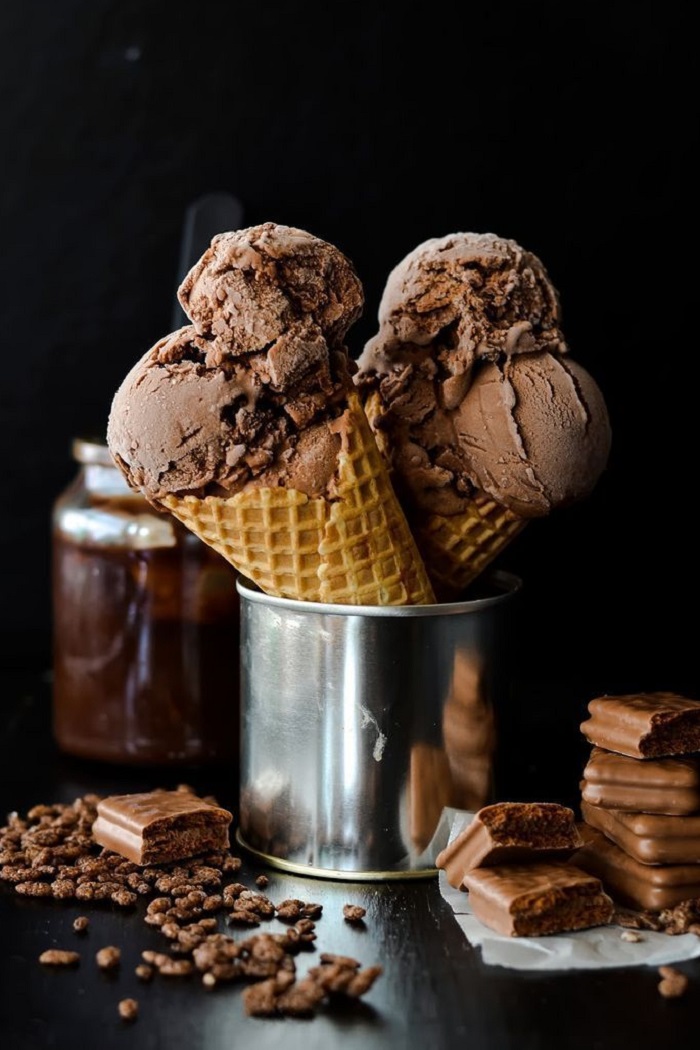
An impromptu get-together of classmates and families over the weekend, makes for a memorable time. With potluck lunch being the norm, cooking was never a hassle. Though the matter of settling the desserts takes up more time. Considering the higher proportion of sweet tooth among the adults and children alike, there was a huge batch of ice-cream, not just any but homemade coffee ice-cream to follow.

“There were some problems only coffee and ice cream could fix.” Amal El-Mohtar

There are few recipes and tricks that are handed down from one generation to the next. Among them desserts, especially those which can be made with regular ingredients; coffee ice cream along with the regular tarts, puddings, gulab jamuns and the like which require basic ingredients or minimum preparatory time are saved for the “dessert quandary“.

Interestingly, early records show that coffee ice cream (1869) was first used in the making of parfait. Few cookbooks (1919) had the recipe of an Egg Coffee consisting of cream, crushed ice and coffee syrup. By late 1900s, coffee ice-cream slowly rose to fame having it’s own secure place on the menu in the ice cream parlours.

While vanilla still is the most popular ice cream, with a regular supply often stocked up in the freezer; coffee ice cream makes way for a delicious change. With many recipes found online, subtle changes like adding beaten egg yolks to the cooling coffee/milk/cream mix and using dark-roast beans makes for the changing flavours each time coffee ice-cream is made at home. Though the longer the ice cream is frozen, the better it is; morning preparations are ready by noon with a minimum freeze time of four hours. The next time an impromptu meet is there, sprucing up the regular ice cream can make for more deliciously happy and fun memories.

“Personally, I like to mix and match–I prefer to get a couple of milk shakes, a banana split … a sundae or two. Then I top it off with a mocha chip in a cone. I don’t know why. I guess that’s like the dinner mint at the end of a meal to me. Know what I mean?” J.R. Ward, The Beast

Posted in Daily, Food

Back to “Mush Meal”

Spooning the porridge into my nephew’s mouth; while doing a short stint of baby-sitting at the family home, was indeed a remarkable experience. The mush meal of ragi with jaggery had lead to early memories of feeding my toddler and creative ways that were tried to mash the cereals, convert them into an exciting enticing gooey mush and trying to prevent the “spit battle” with these young people. While most of the gooey mesh landed in the little mouth (more than on the bib); surprisingly the porridge pot was emptied by the adults ranging from twelve years to fifty. Though it was not just gooey creamy mush but laced with a couple of raisin, honey, dried cranberries and dates as a post luncheon quick dessert.

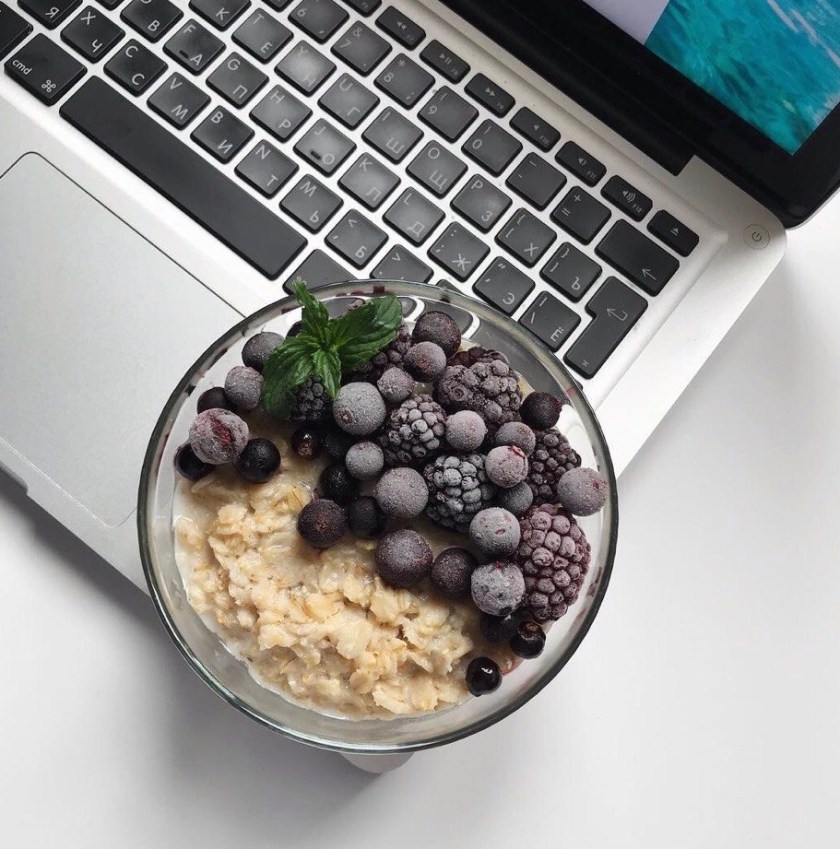
And for anyone who thinks that these mush meals are just for these infants, think twice before refusing the wholesome meal of grits (ground corn meal), semolina and milk porridge or the good old oats or wheat porridge laced with plenty of fresh berries, treacle on top and caramelized sugar to go, all complete with an omelette and bread to satisfy the morning hunger pangs, especially when meals have to quick, simple, wholesome and varied.

From the very early days of primitive cooking, the making of these mush meals was what sustained them especially during the lean periods when meat was scare or inedible. Besides requiring very basic preparatory time, these meals could be prepared anywhere and everywhere as long as one had a supply of grains, water, a pan and the fire. Add-ons of sugar, wild berries, honey, vegetables and meat were something that had evolved over the years.

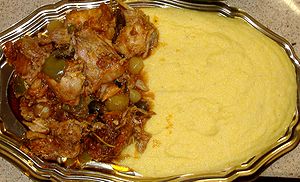
As for the good old porridge, there are plenty of varieties to be tried. From the South American Avena (drink prepared with stewed oatmeal, milk, water, cinnamon, clove and sugar), Malaysian and Indonesian preparation of Bubur ayam (rice congee with shredded chicken meat), Italian Polenta (cornmeal boiled into a porridge, eaten directly or baked, fried, grilled) and the Swedish or Finnish “Vispipuuro” ( sweet, wheat semolina (manna) dessert porridge made with berries) are just a few of the numerous varieties and styles of these mush meals or porridge.

If one still feels that these mush meals as breakfast are off the menu; modify them a bit and serve them as sweet puddings. Besides being quick and basic, these desserts have an easy way of keeping everyone, (small or big), happy and second helpings are often a battle, especially the more sweeter they get. For a change of breakfast scene, getting a start with porridge may bring back memories of the early childhood years, quick meals and less dish up effort and time.

Posted in Daily, Food

“Mix” Along the “Trail”

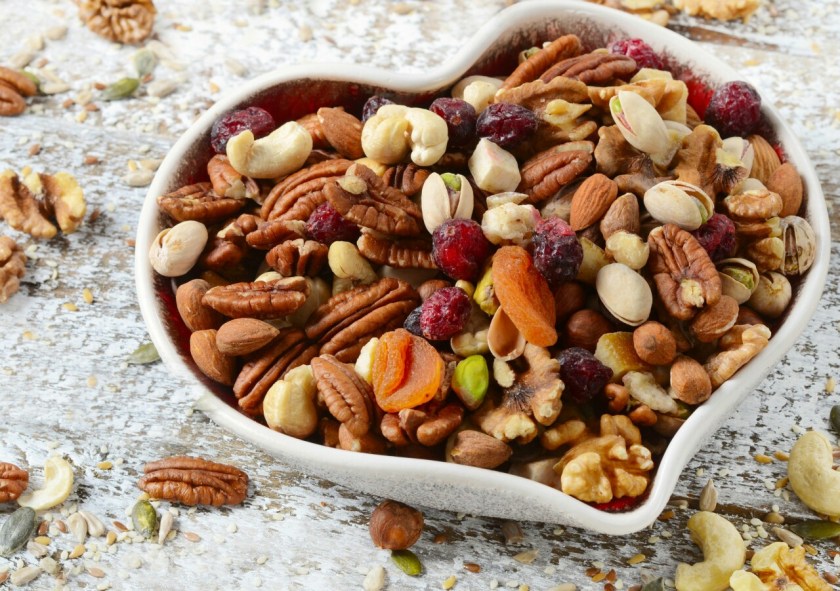
Couple of almonds or cashews. Legumes (peanuts or baked soybeans). Dried fruits like cranberries, raisins, apricots, apples pieces, gooseberries or candied orange peel. Throw in a few chocolate chips, chunks, and M&M’s or pretzels along with crystallized ginger. One is good to go.

Early morning and sugars low. Throw in dry breakfast cereal for the sugary crunch. More salty feel or crunchy feel, add in banana chips or carob chips. For high fibre effect, add in the rye chips. Enrich the antioxidant feel with pumpkin, chia or sunflower seeds.

Little did hiker and outdoors-man Horace Kephart, know that recommendation of “scroggin” or “trial mix” in his popular camping guide (1910s), would lead to the snack becoming ever popular or more varied over time. The original “trail mix” was more of a combination of granola, dried fruit, nuts, and sometimes chocolate developed as a food to be taken along on Besides being quick and easy to carry along, the wide variety of mixes as per as own personal choice makes it’s popularity still stay.

Interestingly, the name “scroggin” or “schmogle” as used in New Zealand may have arose as an acronym from it’s ingredients of sultanas, carob, raisins, orange peel, grains, glucose, imagination(?) and nuts or alternatively sultanas, chocolate, raisins and other goody-goodies including nuts; although these facts are up to debate. Across continents, America’s gorp ( acronym for “good old raisins and peanuts” or common ingredients “granola, oats, raisins, peanuts) and Europe’s “student fodder”, “student oats” or “student mix” in the local languages show essentially how the same thing stays across the different cultures.

For snackers globally, the National Trail Mix Day (August 31st) would give a reason to go the extra mile for an exotic, unusual trail mix style ( cranberries, gooseberries, gummy bears and cornflakes dried anyone ?)

Posted in Daily, Food, Stories Around the World

Of “Petit Pots”

“Heat the milk and cream. Make it a bit bubbly. Add the flavours, mix it into the whisked eggs and egg yolks. Strain the mixture and pour into cups. Bake these cups in a water bath at low heat. Depending on taste, one can flavour this dessert with pieces of broken or melted choclate, rum, add a base of crunchy texture or garnish with almond slivers, sliced berries, cinnamon, colorful sugar or sprinkles; all leading to a piece of art as well as of delectable taste.”

The above simple dessert similar to a lightly set baked custard, known as “Pot de crème” or “petit pots” was believed to have originated from France during the 17th century. While the name means “pot of custard” or “pot of cream”,referring to the porcelain cups which were used to make and serve the dessert; the latter concept may have evolved from the from English Syllabub.

Usually looser than other custards, crème brulee, flans or crème caramel; it requires minimal preparatory time and can be made with the ingredients at hand. Such that it can be prepared without milk or had frozen. Hardly surprising that, this delight has got its’ own special place and day (August 27th) in the foodimentarian’s heart. For all the dessert connoisseurs, it would be time to experiment the taste buds with the varieties of preparations. While for the experimental chefs, let the steps to make an artful and palatable creation begin.

Posted in Daily, Food, Stories Around the World

Of Sponge Cake, Styles and Flavours

One of the very basic cakes, known to most kitchens and tea times; made of the very basic ingredients of flour, sugar, butter and eggs, mostly made as the non-yeasted cakes but leavened with beaten eggs are the “sponge cakes”.

With the roots tracing back to Spain of the early Renaissance period; the forerunner of sponge cake was initially believed to be have made more as a biscuit, flat and thin. The brainchild recipe was believed to be by the Italian pastry chef Giovan Battista Cabona (called Giobatta), at the court of Spain with his lord, the Genoese marquis Domenico Pallavicini, approximately around the middle of the 16th century. In fact the earliest original and attested sponge cake recipe was seen in English poet, Gervase Markham’s “The English Huswife, Containing the Inward and Outward Virtues Which Ought to Be in a Complete Woman (1615).” The thin crisp cookie like cake became it’s present form when bakers started using beaten eggs as the rising agent (mid 18th century). With baking powder (Victorian period, Alfred Bird, 1843), sponge cakes became higher and lighter.

The British sponge cake is produced using the batter method, with the layered Victorian sponge cake and the Madeira cake being popular in the high tea menu; these cakes made using the batter method are known as butter or pound cakes in US. The typical Victoria sponge filling consists of strawberry jam and whipped double cream sandwiched between two sponge cakes with the top of the cake layered with a dusting of icing sugar.

While sponge cakes are made using the batter method; cakes made using the trapped are known as “foam cakes”. Cakes made based on the technique of using trapped air to life the cake, partially or wholly, existed in most European patisseries. Like the Anglo-Jewish “plava”, pan di Spagna (Italy), génoise (Italian), pão-de-ló (Portugese) to mention a basic few.

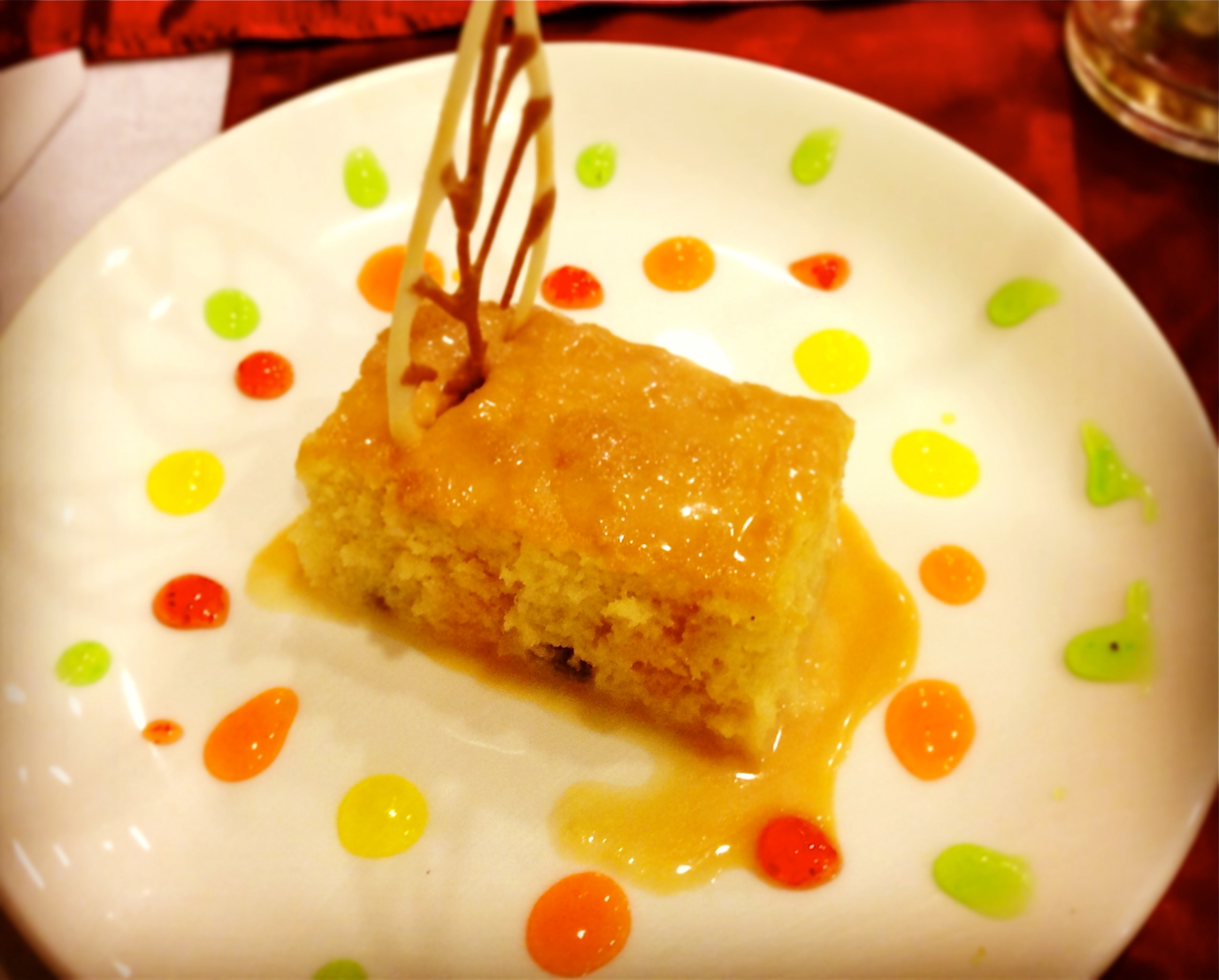
The derivatives of the basic sponge cake idea include the American chiffon cake, the Mawa cake (Indianized British sponge cake from Mumbai) and the Latin American tres leches cake. The latter is a sponge cake soaked in three kinds of milk: evaporated milk, condensed milk, and heavy cream. From the simple sponge cake, before it has cooled, the creation of rolled cakes as in the Swiss rolls, trifles, Madeleine and ladyfingers are possible. Little wonder then, this basic cake has been a part of the kitchens over the centuries. With the National Sponge Cake (August 23rd) being recognized by foodimentarians today; experimenting and indulging in the basic cakes of the childhood days would make way for a change fr the usual.

“Kai slices the cake, his version of the banana cake I have always talked about. He has made a vanilla sponge cake, soaked in vanilla simple syrup, and layered with sliced fresh bananas and custard. There is a central layer of dark chocolate ganache with bits of crispy pecans and toffee, and the whole thing is covered in chocolate buttercream, with extravagant curls of chocolate and chocolate-dipped banana slices piled in the middle. I accept a thin slice, savoring the flavors, both of the cake, and of simple joy.” Stacey Ballis (Good Enough to Eat)

Posted in Daily, Food

Sweet, Flavoured and Iced

“After scalding the teapot, put into it one quart of boiling water and two teaspoonfuls green tea. If wanted for supper, do this at breakfast. At dinner time, strain, without stirring, through a tea strainer into a pitcher. Let it stand till tea time and pour into decanters, leaving the sediment in the bottom of the pitcher. Fill the goblets with ice, put two teaspoonfuls granulated sugar in each, and pour the tea over the ice and sugar. A squeeze of lemon will make this delicious and healthful, as it will correct the astringent tendency.” (Marion’s recipe for “Ice Tea” (1879))
– The oldest sweet tea recipe (ice tea) in print from the community cookbook “Housekeeping in Old Virginia”, by Marion Cabell Tyree (1879 publication)

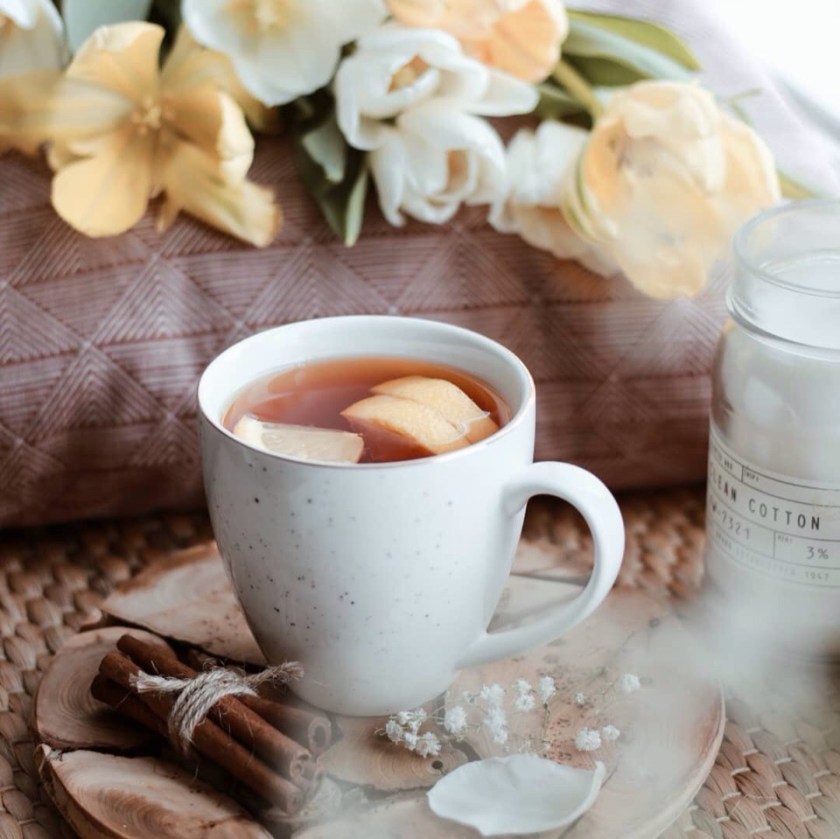
Although summer heat has given way to the rain, tea especially the iced and sweetened versions have almost a year round presence. Despite the rains, each week has it’s fair share of afternoon heat, best felt when one spends the muggy hours on foot. While iced or cool water has their benefits, there is the something about iced tea and sweet tea that prompts every cool drink enthusiast to indulge in them once a while.

With trade and colonial conquests, tea was introduced to Europe and then on to the Americas, where it had gained widespread popularity especially in the southern parts. By the 1900s, black tea became more accepted than green tea, especially when taken with ice. With scorching heat, the sweetened and iced version had more support than simply the iced version. Yet it was the World Fair (1904) that had made iced tea a popular summertime drink. This popularity had catapulted with the Prohibition ( 1920-1933) wherein beer, wine and alcohol was declared illegal then.

The technical difference between “sweet” and “iced tea” lies in the sugar. The former is taken as “sweetened and iced” whereas the latter i.e. iced tea, may be served unsweetened or black. Either way, learning to make sweet tea is a must for any afternoon social especially when the age of soft drinks may have been passed. With National Sweet Tea Day tomorrow (August 21st), it’s time to go recipe hunting and come with a flavoured and tacky sweet tea recipe.