Posted in Food, Photography Art

In the “Or-e-o Craze”

“I need to go for a two day trainers workshop. Debbie has fallen sick with flu, so I am her replacement. Mom is coming to stay in for those two days. Rachel is coming too, she’s on study break at home; so don’t worry about the kids or anything else.” 

Before pressing the send icon near the above message, there were mixed emotions running through my mind. First thoughts were on the huge amount of pending office work to complete and the workshop preparation required, second the cleaning up chores required before I leave and the third, stocking up of the pantry.

As far as cooking is concerned, worries are less because not only their grandmother knows how to turn them around but with my cousin Rachel alone, it would be quite a chocolaty bribe. Knowing her fondness for anything chocolate and quick meals, her kitchen preparations especially in dessert area well loved by all. With physique never being a problem, her dinner revolves around a tub of ice-cream and a couple of Oreos. Which is why, I had to make a new shopping list, one with plenty of sugar on it.

“Oreos come in packages. Otherwise known as a gift. Cherish it.” Oreo Queen

Speaking of Oreos, there is something about them, which makes them a favourite. Whether had direct or as an add-on, Oreos provide a wonderful accompaniment to most desserts and even breakfast pancake batter, smoothies and summer shakes. Keeping nutrition and dietary restriction aside, Oreos are a lifesaver. When the breakfast cereal gets boring, it is those crushed Oreos that make the welcome change. When the groans surface at “dosa again for breakfast!!”, the added crushed Oreos to the batter make way for the change in their minds and the scramble for more.

Above all, like everything with chocolate, Oreos help to make bad days bearable. With plenty of happy moments, these biscuit sandwiches would occupy their fair share of the grocery list.

“Of course, that rationalization didn’t work at all. It would have helped if I’d had some Oreo cookie ice cream to eat that the same time. I’ve learned that self-delusion is much easier when there’s something sweet in your mouth.” Lee Goldberg

Posted in Daily, Food, Stories Around the World

A Pound and Two

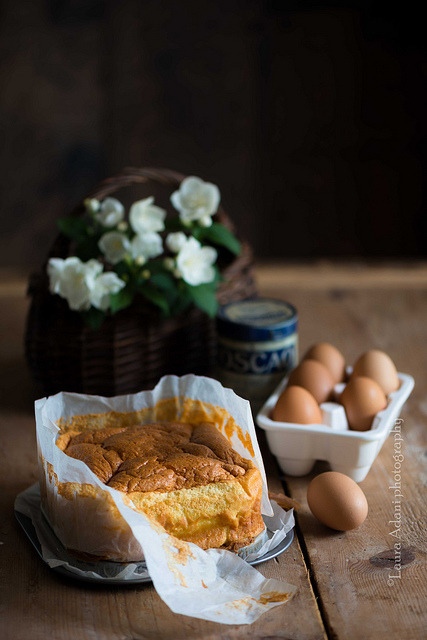
Coming back from school, there is a flurry of running feet. Keeping aside their bags, lunch kits back in the kitchen, a quick wash and the most expectant question, “What’s for tea?” While most days, it’s the simple bread, butter and jam that rocks the tiny kitchen table; some days it’s an elaborate snack meal. Well yesterday it was pound cake added to the simple mix. The difference was in it being elaborate and homemade.

Made from the traditional ingredients of flour, butter, eggs and sugar, the pound cake gets it’s name from the measure of one pound of each. Baked in either a loaf pan or a Bundt mold, dusted with powdered sugar, lightly glazed or layered with a coat of icing on or between the slices; these cakes have been dates back to the early 17th century. Early variations involved the replacement of the flour with cornmeal made from dried corn (maize), the creation then being known as Indian meal.

While for the English it is a pound, for the French it is “quatre-quarts”, means four quarters. With equal weights present in each of the four quarters, the same quantity of four ingredients are used. Depending on the occasion, certain areas use rum (Christmas Eve), mashed bananas or the addition of choclate or lemon juice, simply for flavour.

Moving ahead to the German cuisine, the Eischwerteig mit Fett (roughly “egg-weight dough with fat”) is a recipe very similar to the pound cake, but referenced in multiples of the weight of the average egg used. The recipe calls for measures for such a cake to be baked in a spring form tin (26 cm) as four eggs, 3 egg-weights of butter, 4 egg-weights of sugar, three egg weights of flour and one egg-weight of starch. Adding it up, it makes a close English pound of each or the French four equal quarters. With terms of measures being in base egg-weight, scaling it up or down helps not just in the quantity but addition of ingredients for the added variation like the Falscher Rehrücken (fake venison saddle with bitter chocolate and almonds) or the Nußkuchen (hazelnut cake).

With numerous variations on the traditional pound cake and certain countries and regions having their own signature and distinctive styles, one can stretch their creativity and imagination. From the inclusion of vanilla, almond or orange extracts to the incorporation of dried fruit as well as proportionate alteration to the measures, tea-time can turn out to be an anticipated wait , creative expression and simply, an indulgence after a tiring or busy day.

“Pound Cake.
The old rule–and there is none better–calls for one pound each of butter, sugar and flour, ten eggs and a half wine glass of wine and brandy. Beat the butter to a cream and add gradually a pound of sugar, stirring all the while. Beat ten eggs without separating until they become light and foamy. Add gradually to the butter and sugar and beat hard. Sift in one pound sifted flour and add the wine and brandy. Line the cake pans with buttered paper and pour in the well beaten mixture. Bake in a moderate oven. This recipe may be varied by the addition of raisins, seeded and cut in halves, small pieces of citron or almonds blanched and pounded in rose water. Some old fashioned housekeepers always add a fourth of a teaspoon of mace. The mixture may be baked in patty tins or small round loaves, if preferred, putting currants into some, almonds or raisins in the rest. Pound acake is apt to be lighter baked in this way. The cakes may be plain or frosted, and they will grow richer with the keeping in placed in stone jars.”
—The New York Evening Telegram Cook Book, Emma Paddock Telford [Cupples & Leon:New York] 1908 (p. 126)

Posted in Food, Photography Art, Quotes, Random Thoughts, Stories Around the World

Green, Leap and Fun

“Please send something green for snack time during the first break tomorrow.”
(School diary, as read on February 28,2020)

On seeing the note above, the eyebrows went up and a quick glance at the clock ensured a quick browse through the recipes. As night was approaching, a solution had to be reached before the shops were shut for the day. The quick trip downtown resulted in meeting a couple of parents rushing in. With the queue being long, a quick round of talk and news exchange, left me feeling grateful that my task was just in the food arena. To mark the leap year, the kinder-gardeners and primary schoolers were tasked with bringing something green for snack hour and “the world around us” hour; while the middle schoolers had to present projects, fun facts and presentations to mark the history, science and special for the Leap Day.

Leap Day, technically was first observed by those who followed the Gregorian calendar marking the extra-revolutionary hours of six, cumulatively every four years by making it a special day, marked at the end of February. While popular folk traditions first used to mark this day as Bachelor’s Day, various traditions and customs were added on over the years. The concept of “leap day” has been associated with frogs (re-read as leaping frogs) or as to do something “green”. More popular towards the early 21st century, the latter “green” was meant as an initiative by multinational companies so that employees could use the extra day to improve the environment. Those added twenty four hours were meant for change to energy efficient measures, create compost heaps, going green, a “no” to plastic as well as practicing the concept of “reuse, reduce and recycle”.

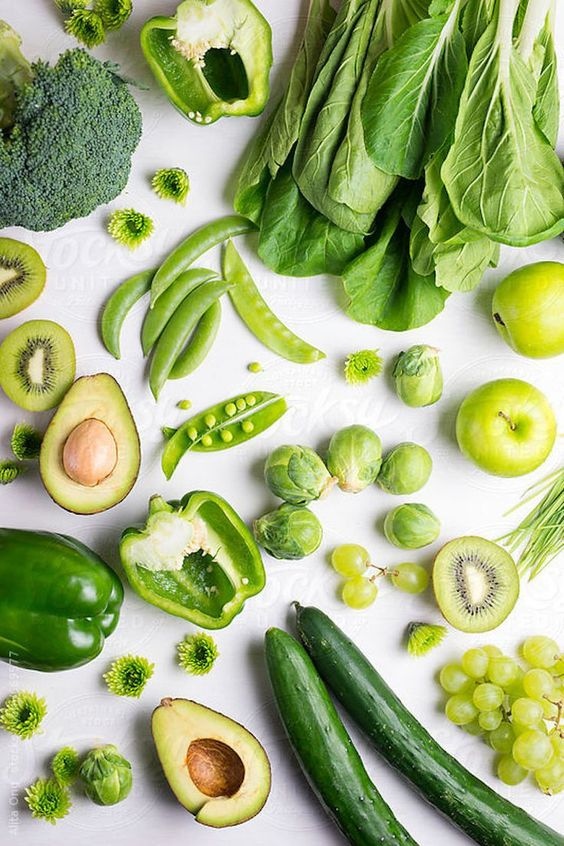
Moving over to the kitchen preparations for leap day, it was thin brown mint sandwiches, couple of cucumbers and a green apple that made my morning light, quick and green.

For others out there on the same boat of experimentation with something “green and edible”, there are numerous options ranging from green coloured cupcakes to crepes with a heavy dose of crushed mint, coriander or even basil in the batter, the green smoothies, the green cookies, pistachio flavoured ice-cream or even the good old pickles and peas for lunch.

Either way leap day is meant to that extra-something not done previously. As for “the non-edible going-green” process, sticking to it for this year and on, would be wonderful step to enjoy more future leap years on this land that we live on.

“Today is an ephemeral ghost… A strange amazing day that comes only once every four years. For the rest of the time it does not “exist.” In mundane terms, it marks a “leap” in time, when the calendar is adjusted to make up for extra seconds accumulated over the preceding three years due to the rotation of the earth. A day of temporal tune up! But this day holds another secret—it contains one of those truly rare moments of delightful transience and light uncertainty that only exist on the razor edge of things, along a buzzing plane of quantum probability…
A day of unlocked potential.
Will you or won’t you? Should you or shouldn’t you?
Use this day to do something daring, extraordinary and unlike yourself. Take a chance and shape a different pattern in your personal cloud of probability!”
Vera Nazarian, The Perpetual Calendar of Inspiration

Posted in Food

Crêpe, Sweet, Savoury or Thalipeeth

Pancakes have always been an essential part of the weekly menu plans. There are lots of sides to a pancake, from the thick ones to stuffed or light paper-thin ones and the sweet or savoury ones. The ease of making delicious pancakes, as a quick morning breakfast, is what makes it a favourite for both the chef and the hungry mouths. One of the family favourites, is the crêpe or crepe.

These light thin pancakes were originally a part of the ancient Greek cuisine, which was one of the earliest creations made on the frying pan like vessels. Though etymologically speaking, the French “crêpe” can be traced to the Latin crispa, the latter means with “creases”. Made both sweet (crêpes sucrées) and savoury (crêpes salées), they can have a variety of fillings, as simple as sugar to the caramelized buttery crêpes Suzette or in flambé style.

Per the norm, sweet crêpes are made with wheat flour (farine de froment) with fillings of chocolate or fruit spread, preserves, sugar, maple or golden syrup, whipped cream, sliced soft fruits or confiture; usually had as a breakfast or dessert special. While savory crêpes though made usually with wheat flour, can be made with non-wheat flours such as buckwheat, rice flour, powdered oats flour, chickpea flour or even sago grains, especially for those who require gluten-free meals. Fillings for the savoury crêpes include cheese, mushrooms, egg products and various meat products.

With simple ingredients, batter can be made and voila crêpes are ready for meals time. Experimenting with diverse recipes, one of the special recipes used when my cousin comes down for a visit is the “thalipeeth”, A savoury multi-grain pancake prepared from roasted grains (rice, wheat, bajra, jowar), legumes (chickpea, black gram) and spices like cumin, crushed star anise or coriander. For the batter ingredients like finely diced onions, fresh coriander or finely chopped vegetables, depending on the mood of the hour. Other flour types include that of tapioca or amaranth seeds; though they all go by local names depending on the regional variations and local flavours. Often served with milk, yoghurt or ghee, it is popular as a breakfast dish or an early evening snack meal.

Made any way, crêpes make for a pleasant morning start or that light touch of sweetness after the lunch. Most of all, they are easy for busy dads and even children, especially when mothers are on the night shift or on out of the town work projects. Getting started with a family crêpes tradition, would be a good project to keep the small hands busy and for light delicious moments of laughter and fun.

Posted in Food

Of the Hand, Bread and Cake

Imagine feeding an infant who absolutely refuses to have any pureed or steamed food, cereals or mashed vegetables. The struggle during that phase was when the taste of milk alone was acceptable. In those it was the good old mashed bananas that came to the rescue. With just enough sugar and plenty of coaxing, the bawling stopped and the spitting stopped. Once the toothless smile changed then, a repeat phase started when the favourite word especially on seeing the plate was “No”!! Then again, the only favoured food was “nana” for that curved piece of yellow fruit. One had to scourge the books and net for various rcipes based on bananas. It was banana pancakes, mashed bananas, fritters and so on. Frankly wth the constant presence of banana, the rest of the family got sick and tired of it, but not the toddler.

The sudden recollection was due to the presence of a large bunch of bananas. The hand was a gift from our neighbours for a successful crop year. While we could just have a few of them, the old recipes were then referred for baking the holiday favourite banana bread.

Measuring out the all-purpose baking flour, one could often relate to the women of the Great Depression Era. With necessities running short and budgets tight; making perishables last was important. With the advent of baking soda and powder, the addition of ripe or overripe bananas to the flour gave the regular bread a different texture, taste and a welcome change from the usual. Over time the regular banana bread evolved to the a mix of the favourites of the diner like the banana raisin bread, banana nut bread, chocolate chip banana bread and the banana dates bread.

“Banana Tea Bread
1 3/4 c. sifted all-purpose flour,  2 teasp. baking powder, 1/4 teasp. baking soda, 1/2 teasp. salt, 1/3 c. shortening, 2/3 c. granulated sugar, 2 eggs, well-beaten, 1 c. mashed, ripe bananas (2-3 bananas)
Sift together flour, baking powder, soda, salt. Work shortening with a spoon until fluffy and creamy, then add sugar gradually while continuing to work with a spoon, until light. Add eggs and beat well with a spoon. Add flour mixture alternately with the bananas, a small amount at a time, beating smooth with a spoon, after each addition. Turn into a greased or oiled loaf pan about 9″ X 5″ X 3″. Bake in a moderate oven of 350 degrees F. for 1 hour 10 min., or until done. 1/2 c. chopped walnuts, or 1 c. chopped dates may be added.” – Good Housekeeping Cook Book, completely revised edition [Farrar & Rinehart:New York] 1942, 1944 (p. 482)

Though the popularity of the banana bread, muffins and cakes rose in the 20th century cookbooks; banana cakes and different variants were indigenous to the South East Asian cuisine. The Gao (steamed, flour based banana cakes) were a part of the Chinese meals, often served along with it or at tea. The Vietnamese Bánh chuối (sweet banana cake or bread pudding) was made with ripe bananas or plantains, coconut milk, sugar, white bread, shredded young coconut, condensed milk, butter, egg and vanilla extract. There were two main varieties, Bánh chuối nướng which was baked banana cake with a golden-brown, crisp exterior and the Bánh chuối hấp (“steamed banana cake”) with rice starch added. Another preparation of steam banana cakes are the Indonesian “Kue nagasari”, which is made using banana, mung bean flour or rice flour, coconut milk and sugar.

Keeping the choices and taste of the family in mind, it was an interesting venture at trying out the steamed version of banana cakes for a change. The outcome will be seen during the office lunch hour. While balking at the initial thought of letting the gift go to waste; the smell of the freshly baked banana bread as well as steamed cakes makes the hours in the kitchen worth their while.

“Banana Cake
Beat to a cream a quarter of a cup of butter, add a half cup of sugar and one egg; when very light, stir in enough flour to make a stiff dough; roll into a thin sheet and line a square, shallow baking pan. Peel five good, ripe bananas, and chop them very fine; put them over the crust in a pan, sprinkle over a half cup of sugar, the pulp of five tamarinds soaked in a quarter of a cup of warm water; squeeze over the juice of two Japanese oranges, put over a tablespoonful of butter cut into pieces, a saltspoonful of mace, and two tablespoonfuls of thick cream. Grate over the top two small crackers, bake in a moderate oven a half hour, and cut into narrow strips to serve.” – Mrs. Rorer’s New Cook Book, Sara Tyson Rorer [Arnold and Company:Phildadelphia] 1902 (p. 697)

Posted in Daily, Food

Food, Flame and Wine

When the major Sunday luncheon is hosted at home, cooking for the week seems like a drag, especially when it includes packing school lunches. While lunch is managed by sandwiches, with esurient appetites dinner isn’t so light an affair. Moreover when one has an unexpected surprise when good old family friends pop over for a visit long overdue; the topic of dinner has to be a quick, palatable meal with few but good dishes. That’s when a couple of wine bottles ( in lieu of the holiday season), rice and chicken came in handy. The adding of wine to the flavours of food is like a sharp edged sword. Wine has the potential to enhance a meal or completely ruin it with a debatable concoction of flavours.

“If you do not have a good wine to use, it is far better to omit it, for a poor one can spoil a simple dish and utterly debase a noble one.” Julia Child

As far as wine is concerned, the drinking wine is good enough to be added to the cooking process instead of solely investing in cooking wine. In short if you like to drink it, then use it in meals. Else, just don’t. The drinkable wine should be clean, fresh and if it’s stored in the refrigerator uncorked even for two weeks, it can be used as long as long it is drinkable wine. Sweeter the wine, better in sauces and recipes, even desserts as well.

Wine acts as a partial substitute for the use of oil in cooking. While the usual method is to saute vegetables in butter or oil (good for kids); a smaller amount of oil with some wine for flavor and moisture can do a subtle twist to the regular flavour. For marinades, most of the times decreasing the oil to half of the regular and replacing that amount with wine makes a good substitute for the dietary fat watchers.

As wine connoisseurs know, there are different types of drinking wines. They are the light and dark ones, the white and red wines as well as the sweet wines and dry ones as well. All these wines make their difference to the regular meals by their subtle flavours. Which is why, some wines are paired with certain foods. For instance, white wine works best with dishes based on melon, apple, mushrooms, pineapples, citrus and the vanilla flavoured desserts, whereas red wine goes well with cherries, peaches, plums, chocolate and coffee.

Another general rule is that a light-flavored wine is paired best with delicately flavored foods. As far as meat is concerned, white wine works well dishes of chicken, turkey, fish or veal; white dark coloured wines especially red wine goes well with highly seasoned foods like beef, pork, duck or even goose. For the main course rice or pasta, it is question of light (or white) or dark (like red) wines, though the latter is best for heavier or spicier preparations. A less good wine is better for slow cooking recipes like stew than quick pan meals when deglazing which happens in minutes is the final touch. Another technique used by seasoned chefs is to add a small dash of better wine at the end of a long braise. The quandary in choosing which is the better wine will be solved when the entire recipe is taken into consideration.

As far as desserts are concerned, the cake batter can be given a more airy sweeter feel when a cup of white wine is added to it, replacing a little of the regular proportion of oil. Only concern with wine based desserts or even meals, is that it’s off limits for children, pregnancy and non-alcohol drinkers. In short, wine provides a delicious twist to the regular meal. Learning through experimentation during the quiet meals, helps one keep wine as a handy measure to add the twist when required. Which is why wine has a role in the simple, basic dishes of the kitchen to the major role between, before and after meals as well.

Posted in Food, Stories Around the World

Soft, Gooey and Halwa

One of the best things about school holidays is the staying with grandparents. Come summer, it is the time to make not just jams, pickles, fruits syrups and squash but also time to make “halwa”. Making halwa was an elaborate activity. Measuring out the ingredients, dry fruits and getting the big vessels ready to make it, kept us, the grandchildren occupied.

“Halva. Name of a hugely varied range of confections made in the Middle East, Central Asia, and India, derived from the Arabic root hulw, sweet. In 7th century Arabia, the word meant a paste of dates kneaded with milk. By the 9th century, possibly by assimilating the ancient Persian sweetmeat afroshag, it had acquired a meaning of wheat flour or semolina, cooked by frying or toasting and worked into a more or less stiff paste with a sweetening agent such as sugar syrup, date syrup, grape syrup, or honey by stirring the mass together over a gentle heat. Usually a flavouring was added such as nuts, rosewater, or pureed cooked carrots (still a popular flavouring). The finished sweetmeat would be cut into bars or moulded into fanciful shapes such as fish. Halva spread both eastwards and westwards, with the result that is is made with a wide variety of ingredients, methods, and flavourings…” -Oxford Companion to Food, Alan Davidson [Oxford University Press:Oxford] 1999(p.367)

This dense, sweet confection believed to have originated in the Middle East, Central and South Asia is popularly known as halva or halwa, with varying local names. While written records of halva recipes have been in the Arabic Kitab al-Tabikh (The Book of Dishes, early 13th century), these recipes may have been there in the traditional cuisine well before then. These desserts are essentially of two types, flour based or nut butters based.

Relatively more popular in the South Asia, these flour based halvas are slightly gelatinous and made from grain flour (semolina or suji) with other basic ingredients like clarified butter, sugar or honey, dry fruits and flavouring syrups like rose water. The flour is fried in oil, mixing it into a roux and then cooked with a sugary syrup making it into a gelatinous flour based consistency.

Selmolina based halva include the popular Turkish un helvası. Usually made with wheat semolina, sugar or honey, butter or vegetable oil along with raisins, dates, other dried fruits, nuts like almonds or walnuts. This halva is very sweet, of a gelatinous texture with a rich, heavenly feel. The Indian halva recipes primarily use flour with melted butter or ghee and sugar (optional use of acacia gum). Made in various colours ranging from bright orange, red, green to brown and black; they have a gelatinous appearance and are flecked with raisins, cashew nuts, pistachios, almonds and even sesame seeds. Vegetable based recipes (to replace the flour) are there like the popular carrot halwa (gajjar halwa), mung beans halwa (moong dal halwa), doodi halwa (bottle gourd halwa), beetroot halwa to name a few. These are usually prepared with condensed milk and ghee with sugar added to give a moist, flaky texture when freshly prepared. In fact, there are numerous variations of halwa present in the Indian subcontinent with each flavour having its own special appeal.

Other flour based halwas include the Greek cornstarch-gelatinous halva, the Zanzibarian rice flour and coconut milk halva and the Burmese delicacy of Pathein halwa, a dairy-based rice flour halva.

The other variety of halva are nut butter-based. They are made from grinding the oily seeds to paste like consistency like the sesame paste (tahini), sunflower seed butter paste, mixed with hot syrupy sugar cooked to hard-crack state. It can be made crumbly as well. This type is more popular in the Mediterranean, Central Asian and Middle Eastern cuisine and has special tales of its’ own to weave.

“Halwa Al.
Two pounds of sugar, half a pound of bees’ honey, half a bound of sesame oil and four ounces of starch. Stir it middling fine [one the fire until it takes consistency, then spread it on a smooth tile]. Put four ounces of sugar on it, and three ounces of finely pounded pistachios, and musk and rose-water: Spread this filling on it, then cover it with another cloak of halwa and cut it up into triangles. It is as delicious as can be. If you wish, make the filling into meatballs like luqma [luqmat al-qadi], and cover it was the mentioned halawa, and it is saciniyya.” -Medieval Arab Cookery: Essays and Translations, by Maxime Rodinson, A.J. Arberry & Charles Perry [Prospect Books:Devon] 2001 (p. 456)

All said and done, halva, whether bought from the market, made at home or sent from grandma; it carries a ton of memories, nostalgia and a feeling of happiness starting from the first bite itself.  For in every generation, these sweet or savoury (as to own taste) delicacies have delighted and captivated both the old and the young, the weight-watchers and the food-lovers and all those in between and far apart. Little wonder why then, this tradition and culture of halva still lives on over the centuries.