Posted in Food, Photography Art, Quotes, Random Thoughts, Stories Around the World

Green, Leap and Fun

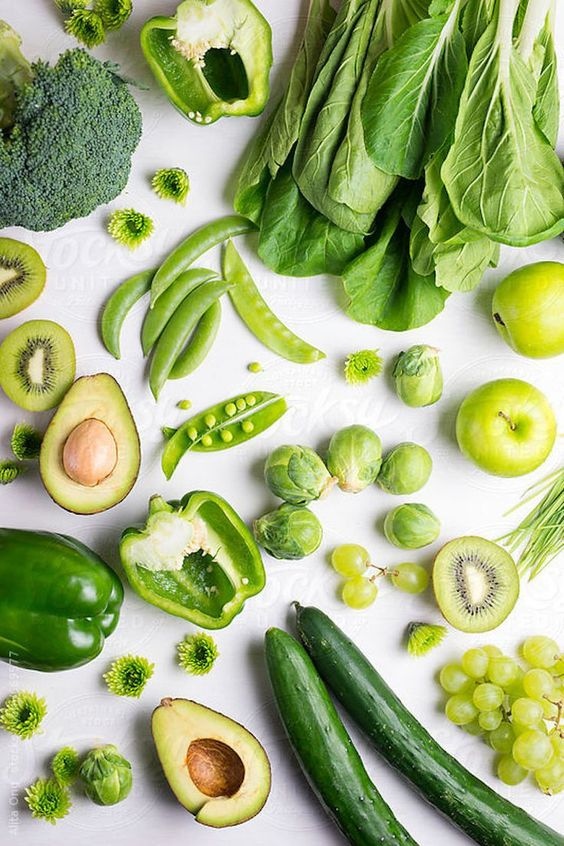
“Please send something green for snack time during the first break tomorrow.”
(School diary, as read on February 28,2020)

On seeing the note above, the eyebrows went up and a quick glance at the clock ensured a quick browse through the recipes. As night was approaching, a solution had to be reached before the shops were shut for the day. The quick trip downtown resulted in meeting a couple of parents rushing in. With the queue being long, a quick round of talk and news exchange, left me feeling grateful that my task was just in the food arena. To mark the leap year, the kinder-gardeners and primary schoolers were tasked with bringing something green for snack hour and “the world around us” hour; while the middle schoolers had to present projects, fun facts and presentations to mark the history, science and special for the Leap Day.

Leap Day, technically was first observed by those who followed the Gregorian calendar marking the extra-revolutionary hours of six, cumulatively every four years by making it a special day, marked at the end of February. While popular folk traditions first used to mark this day as Bachelor’s Day, various traditions and customs were added on over the years. The concept of “leap day” has been associated with frogs (re-read as leaping frogs) or as to do something “green”. More popular towards the early 21st century, the latter “green” was meant as an initiative by multinational companies so that employees could use the extra day to improve the environment. Those added twenty four hours were meant for change to energy efficient measures, create compost heaps, going green, a “no” to plastic as well as practicing the concept of “reuse, reduce and recycle”.

Moving over to the kitchen preparations for leap day, it was thin brown mint sandwiches, couple of cucumbers and a green apple that made my morning light, quick and green.

For others out there on the same boat of experimentation with something “green and edible”, there are numerous options ranging from green coloured cupcakes to crepes with a heavy dose of crushed mint, coriander or even basil in the batter, the green smoothies, the green cookies, pistachio flavoured ice-cream or even the good old pickles and peas for lunch.

Either way leap day is meant to that extra-something not done previously. As for “the non-edible going-green” process, sticking to it for this year and on, would be wonderful step to enjoy more future leap years on this land that we live on.

“Today is an ephemeral ghost… A strange amazing day that comes only once every four years. For the rest of the time it does not “exist.” In mundane terms, it marks a “leap” in time, when the calendar is adjusted to make up for extra seconds accumulated over the preceding three years due to the rotation of the earth. A day of temporal tune up! But this day holds another secret—it contains one of those truly rare moments of delightful transience and light uncertainty that only exist on the razor edge of things, along a buzzing plane of quantum probability…
A day of unlocked potential.
Will you or won’t you? Should you or shouldn’t you?
Use this day to do something daring, extraordinary and unlike yourself. Take a chance and shape a different pattern in your personal cloud of probability!”
Vera Nazarian, The Perpetual Calendar of Inspiration

Posted in Personal Musings, Photography Art, poetry, Random Thoughts

Colours through the Expanse

“What a strange thing!
to be alive beneath cherry blossoms.”
Kobayashi Issa

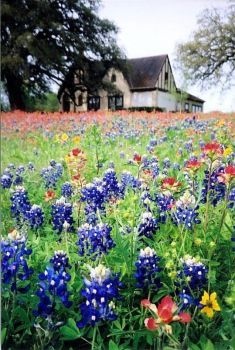
With the nip in the air coming down and the ground turning to wet slush with the rain midst the change of season, one can definitely see the beginnings of spring. As the leap month draws to a near close, the charge in the air and touch of green on the grounds reminds one of the new lease of life after the cold winds. As the days grow longer, the grounds come alive with the scampering of feet and a ball or the flight of the ball in the wind to the hands of the fielders. To put it in simple terms, spring brings sounds of laughter, running feet and life come alive, along with the vibrant colours in the air.

“Somewhere, something incredible is waiting to be known.” Carl Sagan

Our lives reflect the phases of spring at different stages. Going through difficult days, circumstances embroiled in worry, meshed with anxiety and the flurries of doubts of whether things would work out or not and the like has been experienced by each of us at some point of time or the other. On some days, one manages to survive and emerge victorious; while on other days one may barely make it through or sometimes not. In the days of the latter, is when one yearns for the events which bring a smile to the face through the memories stored and moments treasured. Those are the moments akin to spring, giving a new lease of life when needed the most.

“Is the spring coming?” he said. “What is it like?”…
“It is the sun shining on the rain and the rain falling on the sunshine…”
Frances Hodgson Burnett (The Secret Garden)

Coming out through the quagmire of dark thoughts and emotions, each of us need that sliver of spring, giving the warmth through cold memories and bringing a fresh lease of life to the mundane. Coming out through those dark days takes immense grit and will. The joy of the colours awaiting brings the spring in the step towards the few few steps needed to reach the end of the drab and dingy roads.

Just as spring signals the new beginnings towards the end of the cold and stillness, so do our lives colour up when we come out of the gloom and embrace the chance, changes as well as keep the will and spirit strong, to look for the light at the end of the stormy tunnels.

The Twenty-Second of February
William Cullen Bryant

Pale is the February sky,
And brief the mid-day’s sunny hours;
The wind-swept forest seems to sigh
For the sweet time of leaves and flowers.

Yet has no month a prouder day,
Not even when the summer broods
O’er meadows in their fresh array,
Or autumn tints the glowing woods.

For this chill season now again,
Brings, in its annual round, the morn
When, greatest of the sons of men,
Our glorious Washington was born.

Lo, where, beneath an icy shield,
Calmly the mighty Hudson flows!
By snow-clad fell and frozen field,
Broadening, the lordly river goes.

The wildest storm that sweeps through space,
And rends the oak with sudden force,
Can raise no ripple on his face,
Or slacken his majestic course.

Thus, ’mid the wreck of thrones, shall live
Unmarred, undimmed, our hero’s fame,
And years succeeding years shall give
Increase of honors to his name.

Posted in Christian, Daily, Photography Art, poetry

Glow of Peace

In the wee morning hours, as the church service had come to a close, the rays of dawn had lighted up the chapel hall. The colours of dawn through the glass stained windows had brought a sense of peace within. Through the stillness of winter, those rays bring colour, hope and joy to the gray and dark times.

One of the best parts about His Grace is handing over our troubles of life in His Hands. There is nothing as fulfilling as being blessed with the feeling of quietness and harmony within the soul. Leaving all the mundane worries, trifling matters and sorrows in His Hand, the soul is rested and comforted. Such is due to the blessing being bestowed on man on the blessed day of Christmas.

“And you, my child, will be called a prophet of the Most High; for you will go on before the Lord to prepare the way for him, to give his people the knowledge of salvation through the forgiveness of their sins, because of the tender mercy of our God, by which the rising sun will come to us from heaven to shine on those living in darkness and in the shadow of death, to guide our feet into the path of peace.” (Luke 1:76-79)

Amazing Peace: A Christmas Poem

Thunder rumbles in the mountain passes
And lightning rattles the eaves of our houses.
Flood waters await us in our avenues.

Snow falls upon snow, falls upon snow to avalanche
Over unprotected villages.
The sky slips low and grey and threatening.

We question ourselves.
What have we done to so affront nature?
We worry God.
Are you there? Are you there really?
Does the covenant you made with us still hold?

Into this climate of fear and apprehension, Christmas enters,
Streaming lights of joy, ringing bells of hope
And singing carols of forgiveness high up in the bright air.
The world is encouraged to come away from rancor,
Come the way of friendship.

It is the Glad Season.
Thunder ebbs to silence and lightning sleeps quietly in the corner.
Flood waters recede into memory.
Snow becomes a yielding cushion to aid us
As we make our way to higher ground.

Hope is born again in the faces of children
It rides on the shoulders of our aged as they walk into their sunsets.
Hope spreads around the earth. Brightening all things,
Even hate which crouches breeding in dark corridors.

In our joy, we think we hear a whisper.
At first it is too soft. Then only half heard.
We listen carefully as it gathers strength.
We hear a sweetness.
The word is Peace.
It is loud now. It is louder.
Louder than the explosion of bombs.

We tremble at the sound. We are thrilled by its presence.
It is what we have hungered for.
Not just the absence of war. But, true Peace.
A harmony of spirit, a comfort of courtesies.
Security for our beloveds and their beloveds.

We clap hands and welcome the Peace of Christmas.
We beckon this good season to wait a while with us.
We, Baptist and Buddhist, Methodist and Muslim, say come.
Peace.
Come and fill us and our world with your majesty.
We, the Jew and the Jainist, the Catholic and the Confucian,
Implore you, to stay a while with us.
So we may learn by your shimmering light
How to look beyond complexion and see community.

It is Christmas time, a halting of hate time.

On this platform of peace, we can create a language
To translate ourselves to ourselves and to each other.

At this Holy Instant, we celebrate the Birth of Jesus Christ
Into the great religions of the world.
We jubilate the precious advent of trust.
We shout with glorious tongues at the coming of hope.
All the earth’s tribes loosen their voices
To celebrate the promise of Peace.

We, Angels and Mortal’s, Believers and Non-Believers,
Look heavenward and speak the word aloud.
Peace. We look at our world and speak the word aloud.
Peace. We look at each other, then into ourselves
And we say without shyness or apology or hesitation.

Peace, My Brother.
Peace, My Sister.
Peace, My Soul.
— Maya Angelou
(Amazing Peace: A Christmas Poem)

Posted in Food, Photography Art, Stories Around the World

Flavoured, Festive and Wine

No festive season is complete without the traditional accompaniment of wine. For winter, the entire holidays and Christmas centers around the mulled wine. Traditionally mulled wine, also known as spiced wine, is usually made with red wine along with various mulling spices and sometimes raisins which may be served warm. While most versions are alcoholic, there are many non-alcoholic variations especially for children during Christmas.

Tracing the origins of mulled wine, the second century Roman cuisine saw records of wine being spiced and heated in some areas. Although their era came to an end, certain aspects of the Roman cuisine had been merged with the local cuisine. As wine and viticulture spread along the rest of Europe and till the Scottish border, various variations and traditions with mulled wine entered into the local cuisine and culture. As recorded in the Medieval English cookbook “The forme of Curry” (1390) mentions “Pur fait Ypocras …” (mulled wine) to grind together cinnamon, ginger, galangal, cloves, long pepper, nutmeg, marjoram, cardamom, and grains of paradise (“spykenard de Spayn”, rosemary may be substituted), mix them with red wine and sugar (form and quantity unstated).

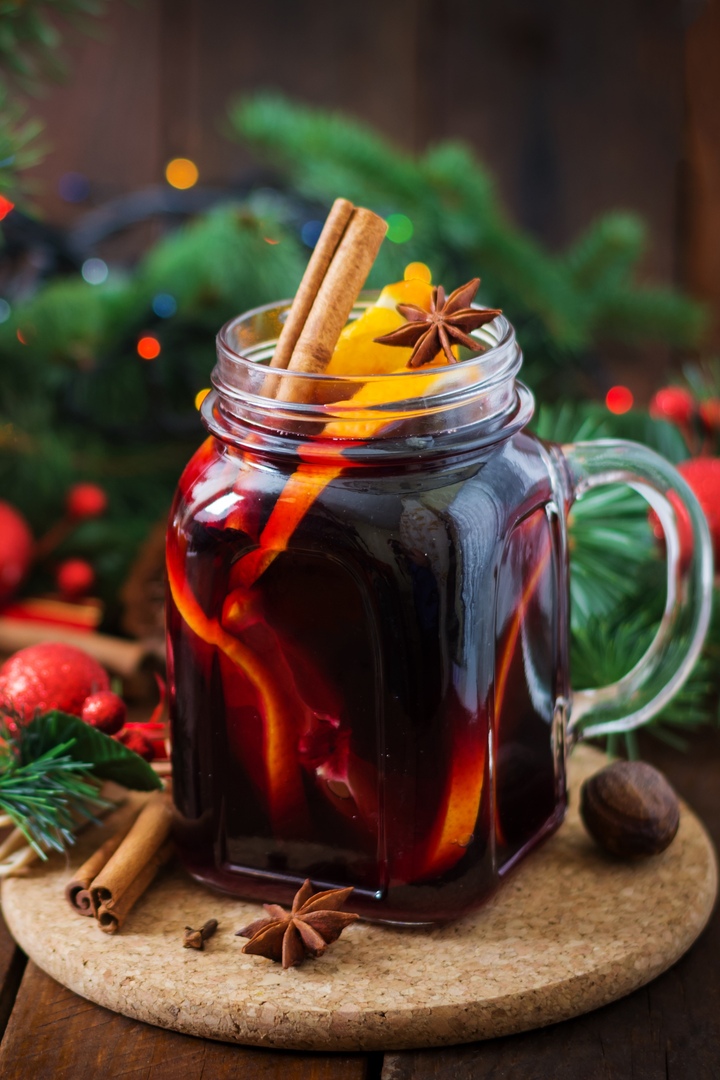
Early variations include the concept of mulled wine being transferred to mulled ale, mulled cider or mulled apple juice. Though today recipes for mulled wine include the combination of orange, lemon, cinnamon, nutmeg, fennel seed (or star anise), cloves, cardamom, and ginger. Usually the spices are combined and boiled in a sugar syrup, then red wine is added, heated and served usually in small porcelain glass mugs.

A quick way to make it would be to add a tea bag of spices to red wine, which is heated along slices of orange or lemon. Common variations include the addition of brandy or ginger wine.Served with an orange or lemon slice garnish studded with cloves, cinnamon or star anise; this brings winter Christmas in a mug. Not just confined to wine; mulling spices can be added to beer and cider, as in the preparation of Wassail punch, a recipe since the Victorian Era.

While known as mulled wine in English based cuisine, other varieties are indigenous to the different cuisines with the difference ranging from the type of wine used, method of preparation as well as the spice mix. For instance Glühwein popular in German-speaking countries and Alsace (France) is made from red wine with the addition of vanilla pods to the spices. Glögg, gløgg or glögi, which is mulled wine in the Nordic countries (sometimes spelled as glog or glug) are made wiht stronger spirits like rum, vodka, brandy or just plain fruit juices. Vinho quente served in the Brazil is typically made with red wine, cinnamon sticks and cloves. On the other hand, greyano vino served in Bulgaria is made of red wine, homey and peppercorn.

With the festive and holiday season in full swing, mulled wine essentially brings the warmth of the season in a cup. In fact, it is one of the best seasons to start the traditional family recipe of own. More than the experimentation, it is the memories that get passed on over the years.

TO MULL WINE.
INGREDIENTS.- To every pint of wine allow 1 large cupful of water, sugar and spice to taste.
Mode.-In making preparations like the above, it is very difficult to give the exact proportions of ingredients like sugar and spice, as what quantity might suit one person would be to another quite distasteful. Boil the spice in the water until the flavour is extracted, then add the wine and sugar, and bring the whole to the boiling-point, then serve with strips of crisp dry toast, or with biscuits. The spices usually used for mulled wine are cloves, grated nutmeg, and cinnamon or mace. Any kind of wine may be mulled, but port and claret are those usually selected for the purpose; and the latter requires a very large proportion of sugar. The vessel that the wine is boiled in must be delicately cleaned, and should be kept exclusively for the purpose. Small tin warmers may be purchased for a trifle, which are more suitable than saucepans, as, if the latter are not scrupulously clean; they spoil the wine, by imparting to it a very disagreeable flavour. These warmers should be used for no other purpose.
(Traditional recipe for Mulled Wine. Mrs Beeton’s Book of Household Management. 1869. Revised edition. Pg.929-930 (Paragraph 1961))

Posted in Daily, Food, Photography Art, Uncategorized

Tea with a Difference

Catching up with the extended family cousins who have been seriously bitten by the “travel bug” leads to often enlightening conversations and interesting accounts. In the course of discussion was their recent rove into the Tibetan lands. Asides the details of their stay and visits, what caught the curiosity of yours truly was their tea culture.

“When tea becomes ritual, it takes its place at the heart of our ability to see greatness in small things. Where is beauty to be found? In great things that, like everything else, are doomed to die, or in small things that aspire to nothing, yet know how to set a jewel of infinity in a single moment?” Muriel Barbery (author of The Elegance of the Hedgehog)

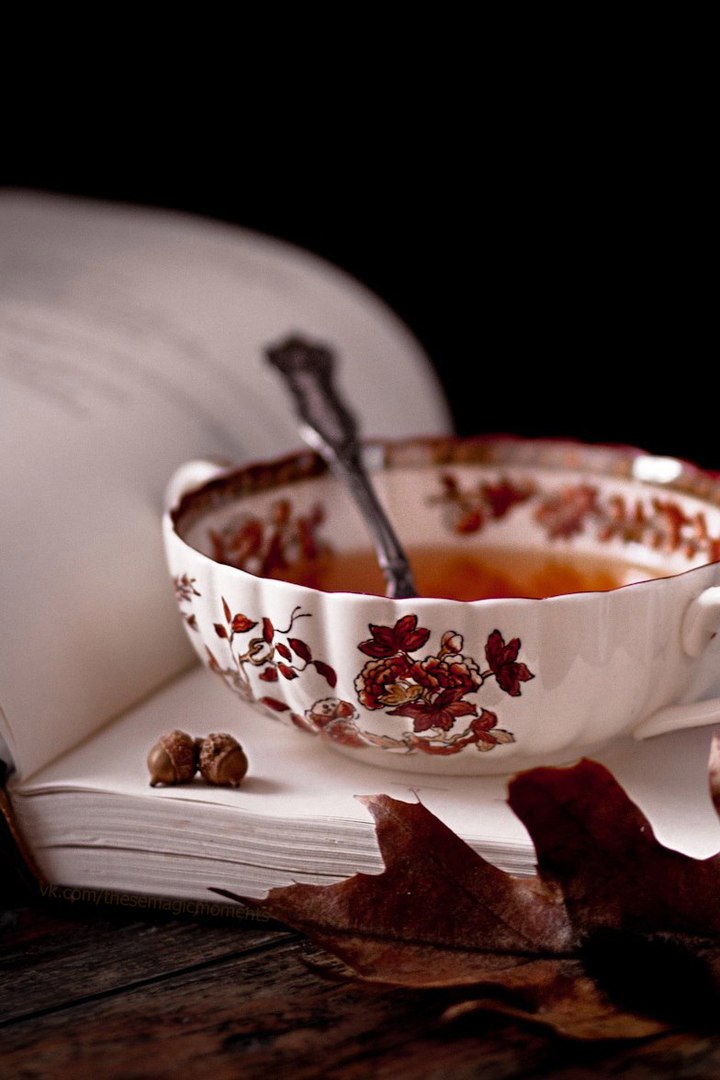
Interestingly the Tibetan tea culture primarily includes the butter tea and the sweet milk tea. Other varieties include the Pu’er Tea, green tea, milk tea and boiled black teas. The most favoured tea is the butter tea, known as po cha (Tibetan, Wylie: bod ja, “Tibetan tea”) or cha süma ( Eastern Tibet, Wylie: ja srub ma, “churned tea”) or suyóu chá (Mandarin Chinese) or gur gur (Ladakhi language). Made from tea leaves, yak butter, water, and salt in the traditional way, wherein the butter, milk and salt are added to the brewed tea. Although the variation today is to use the butter made from cow’s milk based on the latter’s wider availability and lower cost.Had by itself or used as an accompaniment for eating tsampa by pouring onto it or dipping the tsampa into it and mixing well.

The quality of the butter tea is enhanced by boiling the tea leaves to achieve a dark brown colour (takes almost half a day) or turns black (steep the tea leaves). One method involves skimmed the dark brown tea, pouring into a cylinder filled with fresh yak butter and salt and then the whole mix is shaken. The resulting thick liquid is then poured into tea pots or jars. Another method is to add salt to the steeped black tea, stirring the mix through the horse air (or reed) colander into the wooden butter churn with a large lump of butter then added to it. Then it is churned (or rapid stirring in wooden bowl) till the proper consistency of the tea is achieved and then transferred to copper pots kept warmed on a brazier. Modern day alternatives include tea bags, butter and blender.

Like the detailed preparation of butter tea, the Tibetan tea drinking culture has many rules. As per their custom, butter tea is drunk in separate sips. After each sip, the host refills the bowl to the brim. As a rule the guest never drains his bowl, instead it is to be constantly topped up. If the guest doesn’t wish to drink, the best thing to do is leave the tea untouched until the time comes to leave and then drain the bowl. This signifies the observance of etiquette, without any offense to the host. Another set of rules to follow is when one is invited to a house for tea. The host will first pour some highland barley wine. The guest must dip his finger in the wine and flick some away, which is done so three times to represent respect for the Buddha, Dharma and Sangha. Then the cup will be refilled two more times and on the last time it must be emptied or the host will be insulted. After this the host will present a gift of butter tea to the guest, who will accept it without touching the rim of the bowl. The guest will then pour a glass for himself, and must finish the glass or be seen as rude.

Not just limited to drinking but also serving butter tea has it’s own special set of tea-ware. From special porcelain cups to wooden bowls set with gold, silver or copper, or made from these metals as well jade, the Tibetan tea-ware is an art by itself. Interestingly like Tibet, most of the East Asian countries have their own special tea customs, so much so that the tea culture of each country has a rich and varied history behind it. That for tea connoisseurs is the beauty of tea, in itself and being a part of rich vibrant cultures, their customs and traditions, lending the subtle depth and significance to the art and concept of tea.

“The first cup moistens the throat;
The second shatters all feelings of solitude;
The third cleans the digestion, and brings to mind the wisdom of 5,000 volumes;
The fourth induces perspiration, evaporating all of life’s trials and tribulations;
With the fifth cup, body sharpens, crisp;
And the sixth cup is the first on the road to enlightenment;
The seventh cup sits steaming – it needn’t be drunk, as from head to feet one rises to the abode of the immortals.”
–Lu Tong, 9th century

Posted in Life, Personal Musings, Photography Art, Quotes, Reflections

Glimmer of Lights

With holidays round the corner, schools slowly winding down for Christmas and the shopping to be done; one would inadvertently meet lost or out-of-touch acquaintances, hear news from distant friends or renew previous friendships. Deep inside, the constant comparison of the present with the year previous would be there. At times, there would be days tinged with regrets and “what-ifs”; while other days may highlight the quiet acceptance of the present life and the resolve to face the future day and year in a better frame of mind with the aim to make the best of the things at hand. Either way, it is the view that one chooses to take that matters the most.

“The primary cause of unhappiness is never the situation, but you thoughts about it. Be aware of the thoughts you are thinking.” Eckhart Tolle

Regrets for what has passed, either the good or the bad, doesn’t change anything at all. We all have our firewood, to break or have chopped off; but it’s what we do with it that matters. Take for instance, the cup that contains tea. Regardless of whether it is hot or cold, full or empty; being thankful that one has a cup and that next time, one would take care to better it to own choice would be better than twiddling thumbs and cribbing about the cup.

“If I behave as though this is a completely normal situation, then maybe it will be …” Sophie Kinsella

Each time, the thoughts of “regret or despondency” take over; look around and start mentally counting the blessings. Doing so, will help one realize that though things may have been better if one had taken the either way previously; today what is there mayn’t be there. Looking around, one should never forget the fact that today is there. That the living of today holds more importance and rightness that desiring the “what ifs” of the past or speculating the prospects of the future.

“Life is a balanced system of learning and evolution. Whether pleasure or pain; every situation in your life serves a purpose. It is up to us to recognize what that purpose could be.” Steve Maraboli

When these downtrodden thoughts assail one, know to address the quiet sadness of the past and think of those days, but hold the “what ifs” at bay. While peering and hoping for a planned future, speculate and let the curiosity of the “what will” stay. For the latter helps one to grow and put forward their best efforts n the present. Yet while looking forwards and backwards, remember not to fail to look around. For the hugs and kisses of the loved ones in the present are the ones that help one to face the future and fills up the treasure chest of thoughts, memories and moments from the past. Learn to swim in the sea of the present as one prepares to chart the course of travels into the future.

Posted in Daily, Food, Photography Art

Art in the Jar

“The wonder of imagination is this: It has the power to light its own fire.” John Landis Mason

Rummaging through the church sale, there were numerous purchases, not just the clothes and books sections, but also collectibles ranging from the funny shaped lanterns to glass bottles and finally the mason jars. Speaking of the latter, these were a staple of the kitchens during the prime years of my grandmother and the generations before her. Without the existence of modern day refrigerators, the winter supply was primarily contributed by canning and preservation techniques.

Though the technique of preservation of food were in many rudimentary forms, it was the French chef Nicolas Appert who had brought about the method of preserving food by enclosing it in sealed containers. Among the earliest glass jars used for home canning were wax sealers (named so as attributed to the sealing wax poured into a channel around the lip to secure the tin lid). Although this process was complicated and error-prone, the wax sealing process was largely in popular use. As this method got slowly modified with screw on cap, till John Landis Mason took over with his innovative twist.

For every canning enthusiast, antique collector or simply any collector, the Mason Jar is a must on the list. A Mason jar, named after John Landis Mason, is a molded glass jar used in home canning to preserve food. From the first patented form of 1857, to the present, Mason jars have had hundreds of variations in shape and cap design. Although the collector’s treasure is the “Patent Nov 30th 1858,” signifying the date of Mason’s patent, as embossed on thousands of jars, which were made in many shapes, sizes, and colors well into the 1900s.

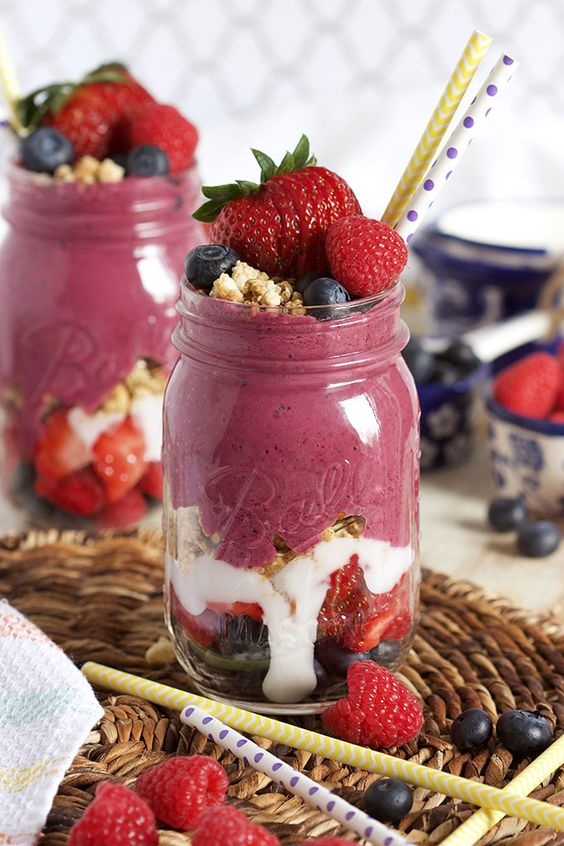
Today mason jar aren’t confined to the “canning section” alone, but form a big part of many aspects. From the aesthetic turn to food art, serving jars as well as “healthy shakes”, party essentials to leaflet holder, coin jars or quote jars, gift ideas and many more, owning the original one is a collector’s dream. Over the years though technology as well as modern science has progressed in leaps and bounds; there are certain “antique” things in life which still remain in the personal favourite or choice list.