Posted in Food, Stories Around the World

Of Crisp, Soft to Crunchy or Curls

With snack time being in the savoury category for the past one week (courtesy of the fresh crop of plantain and cassava), the urge to indulge in something sweet was running quiet strong. For the change, it was “churros” that got the pick and making it at home, was quite an interesting experience.

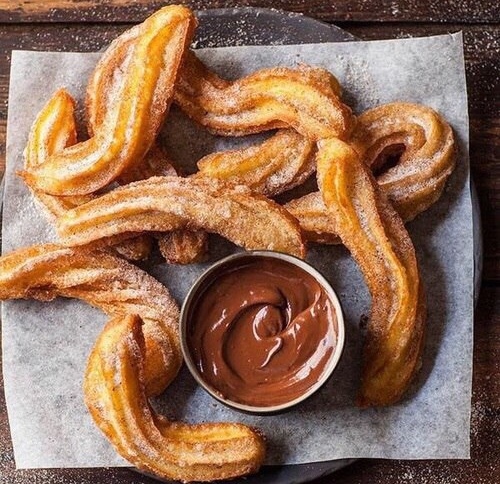
Predominantly a choux based snack, made of fried pastry dough; “churros” are synonymous to the Spanish and Portuguese food traditions. Made from flour, these thin spirally, knotted or neat, long or thick pieces of dough (all purpose flour or wheat mixed) are more of a breakfast tradition, had dipped in champurrado (chocolate based atole) or hot choclate, dulce de leche with sugar sprinkled on top.

Tracing their origins, the making of churros were credited to the Spanish shepherds, who had fried the dough of flour, water, salt with a little butter and eggs, as a substitute for fresh bread. Interestingly, the name churros was adapted from the ridged horns of the native Churra sheep, which kind of resembled the ridges on this snack. On the other hand, some food historians state that the Spanish churro is an adaptation of the Chinese pastry “youtiao” whic was pastry fried in oil with their shape being as two long conjoined breadsticks. As the legend goes, the “youtiao” was brought back to Iberia by Portuguese explorers. From therein, the distinct star-edged shaped took root and the dish became famed for its’ sweetness on the breakfast tables across Spain and Portugal. With colonization and spread of travel, churros soon found there way to the Americas, both Norht and South; and gradually across the globe.

As with all popular dishes, churros too have been adapted to their indigenous cuisine. Known as calientes in Andalusia, these pastry dough are fried as a continuous spiral which is then cut into portions. The delicacy and art of these lie in the thick and soft centers. Another variation is made with a thinner dough and smooth non-ridged surface (no star shaped nozzle on the piping bag). For filled, straight churros; the Cuban cuisine has made with fruit fillings like guava; while chocolate, vanilla or cajeta (caramelized goat’s milk) are the preferred fillings across Argentina, Mexico and Brazil. Alternatively churros may be had glazed with sweetened condensed milk, rolled in cinnamon or other sugars, or made savoury with a filling of melted cheese. From being made straight or bent into the typical “U” or other shapes, churros can be had as a meal, snack or party dip.

One of the best parts of churro, is their ease and simplicity in the make and style. For a quick snack when getting out of the kitchen isn’t an option and minimum stock of “packaged snacks” in the pantry, “churros” are a go-to option during the days like this. After all, it just comes down to pastry and sugar; missing out on a try would be a miss at the chance to travel down the food lane, not worth the miss.

Posted in Food

“Bits, Flipped or Sunny Side Up”

Coming back home into the noon hours, the quiet inside suddenly turned into a boisterous clamouring of feet and run of words. Nevertheless this noise was a welcome respite after winding up the work schedule at the main company. With the lock-down phase going quite strong; to close a couple of financial year-end projects, it was necessary to touch the base and camp in there for the last two days.

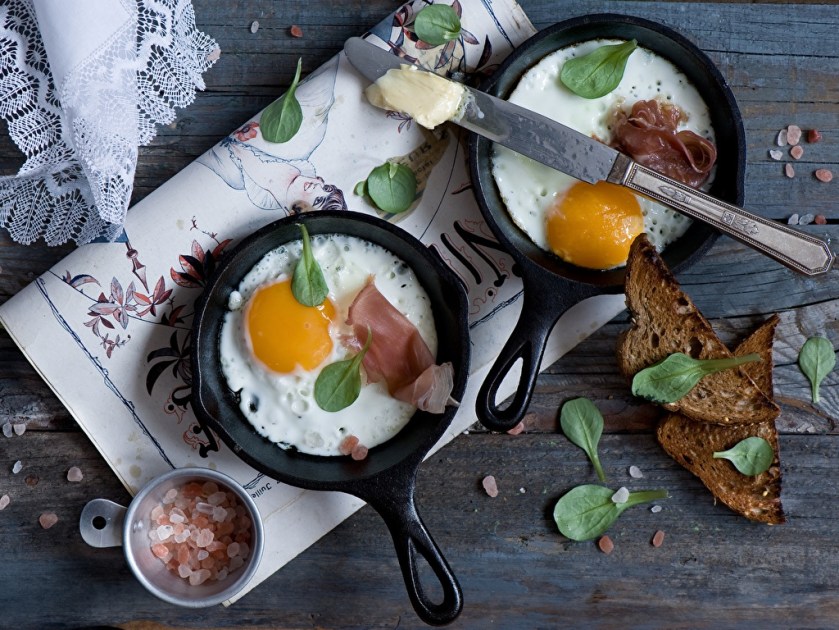
Being back at home with my better-half who was holding the fort, it was quite interesting to hear the events of past hours. With pieces of tales of the movie night, “One-eyed Jacks”, “dad let us sleep in”, “we had tons of ice-cream” and “we won the match”, the last day and half saw them getting involved in something new. What made it more interesting was the plate of “Adam and Eve on a Raft” with a cup of iced tea to go with the “accounting”. With food already in the fridge for yesterday was told, “getting creative with bread, a couple of eggs and other stuff” was what made the morning hours go by till lunch.

[1947]
“Adam and Eve on a Raft
Rounds of bread, 2 eggs, Butter or lard, Salt and pepper to taste
Cut a large round of bread, and fry it in hot butter or lard until a golden brown. Then place it on a hot platter, and keep warm. Poach the eggs carefully, season and place on bread.” Blondie’s Soups Salads Sandwiches Cook Book, selected and illustrated by Chic Young [Bell Publishing Company:Drexel Hill PA] 1947 (p. 134)

A handful of eggs, flour based food as base and basic vegetables of onions, tomatoes and a dash of salt, pepper and spices opens up a whole new slot of recipes. Call them by any name, but eggs on toast can be extrapolated to being “in-the-basket”, “pirate-eye” or the indigenous dish of “huevos rancheros” or Huevos estrellados” to name two.

Technically “egg in a hole (or frame)”, known by numerous other names like “one-eyed Jack” or “popeye”, refers to an egg prepared in the circular or square hole cut into the piece of bread, or even a bagel or waffle. When the buttered bread browns in the pan, the egg is cracked into the “basket” carved out in the toast. Depending on when one chooses to place the egg, flip the bread or cover it, results in varying shades of the same dish living up to all of it’s titles names.

[1990]
“One-eyed Jacks.
Use an upside-down cup to cut a hole out of the center of a slice of bread. lay the bread in a hot, greased pan and crack an egg into the hole. Fry it a few minutes until the egg sets, then flip the bread and egg with a spatula and cook the other side. You’ll have an egg and toast all in one.” Boy Scout Handbook, Boy Scouts of America 1990 (p. 109)

Even fried eggs have their own set of indigenous recipes, based on the local and regional cuisine. From the Portugese bife a cavalo, German Strammer Max, Chilean lomo a lo pobre, the Danish uitsmijter ham (or spek) en kaas or the Russian yaichnitsa are just few of the many recipes to decide from. Delving into the Mexican cuisine, huevos rancehros is one of the large traditonal Mexican brunches that one can prepare as same or in a variation. Keeping it simple, the basic dish consists of fried eggs served on lightly fried or charred corn or flour tortillas topped with a salsa fresca made of tomatoes, chili peppers, onion, and cilantro. It can be served with rice, refried beans or slices of avocado. Shifting over to lunch hours, Huevos estrellados (Madrid) refers to pan-eggs fried with French fries, meat (ham, bacon) and served hot with potatoes. While one can alter the recipes as suited for self, the combinations available are endless.

With the lock-down till on, trying out something different but simple puts an interesting spin to weary days. The fact that eggs, bread (or even pita or roti) with added simple kitchen ingredients pave way for an endless process of creativity as well as satisfying the taste buds, allows one to don the apron and start off.

[2006]
“Eggs in a Basket
2 servings
Kids get a kick out of this dish, especially when they get to make the basket.
Using a 2 1/2 inch biscuit cutter or small glass, cut a hole out of the center of 2 slices sandwich bread. Melt in a large skillet over medium heat 2 tablespoons butter, plus more as needed. Add the bread and cook for about 30 seconds. Crack into the holes 2 eggs. Do not worry if some of the white remains on top of the bread or runs out from underneath. When the eggs begin to set, 2 or 3 minutes, flip the bread and eggs, using a spatula. Add more butter as needed. Fry the other side until the eggs are done to your liking. Grill the rounds of bread in butter and serve them as well.” Joy of Cooking, 75th anniversary edition, Irma S. Rombauer et all [Scribner:New York] 1997, 2006 (p. 196)

Posted in Daily, Food

Basic, Staples and Gluten-free..

During childhood years, school breaks were one of the most awaited days. Not just for the fact that schools were closed, but also for the reason was that our parents would enroll us in the various extra-curricular activities or we could stay at our cousins’ place (on both sides of the family lines) for a part of the break. Staying with them was huge fun, not just for the camaraderie of cousins but also to be a part of various experimentation especially when one of my close-knit cousins was diagnosed with inflammatory bowel disease. So for a period of time, we were off wheat based diet and that is when the experimentation started. After all the salads and rice got tedious, my aunt had made few of the first gluten-free pancakes, of them one was the “potato pancake”.

Known as boxties, latkes, raggmunkar or simply potato pancakes, these are shallow-fried pancakes of grated or ground potato, matzo meal or flour (rice based or wheat) mixed with egg or applesauce (binding ingredient) and flavored with grated garlic or onion and seasoning. They can be had as savoury (with sour cream or cottage cheese), sweet dessert (with apple sauce, maple syrup or sugar), topped with spice condiments or just had plain. From mashing the potatoes to making pancake-shaped croquettes, there are plenty of variations with this basic meal. Interestingly with change of place, country or cuisine; these “potato pancakes” have a history of their own.

“Boxty on the griddle; boxty on the pan. If you can’t make boxty, you’ll never get a man!” (an old Irish rhyme)

One of the traditional potato pancakes, is the Irish boxty. The essence of the recipes (with regional variations) are the potatoes, finely grated and served fried. Recipe of the common version is of finely grated raw potato or mashed potato with flour (gluten-free in our case), baking soda, buttermilk, and sometimes egg. While the grated potato may be strained to remove some starch and water, it isn’t necessary. The mixture is fried on a griddle pan for a few minutes on each side, similar to a normal pancake.

When the flour is removed, one of the recipes is the Rösti or rööschti, a Swiss dish consisting mainly of potatoes, in the style of a fritter. Originating as a breakfast dish of the farmers (Bern), it has now become a Swiss favourite with plenty of European and trans-Atlantic variations. Rösti dishes are made with coarsely grated potato, either cooked or raw. With the potatoes being parboiled or grated raw, oil, butter or another fat may be added with salt and pepper. The potato mix is then shaped into rounds or patties (five inches to half inch thickness) and more commonly had pan-fried than baked. While the basic rösti consists of nothing but potato, a number of additional ingredients like bacon, onion, cheese, apple or fresh herbs are added, depending on the regional variations.

Keeping the consistency to a batter type, the Korean Gamja-jeon (or potato pancakes) is a variety of jeon (Korean style pancake), made by pan-frying finely grated potato on a frying pan with any type of vegetable oil until golden brown. Traditionally Gamjajeon is made with only potato, salt, and oil; though the grated potato may be enriched with slivers of carrots, onions or scallions, sliced mushrooms, or garlic chives, which adds color and crunchy texture to the dish. Had garnished with shredded fresh red and green chili pepper or served with a dipping sauce of soy sauce and vinegar.

There are numerous more variations to these recipes, like the Brigand’s pancake, Swedish raggmunkar, potatisplättar, rårakor and potatisbullar or the Polish placki ziemniaczane to name a few. If not for these simple changes, my cousin would have had a trying gluten-free diet. In fact, these traditional recipes make for an interesting variation from the regular cuisine. If one is not a fan of potatoes, sweet potatoes are an option. Though if one wants more gluten-free recipes, there are many others to choose from. With all these delectable variations, it is quite surprising that a bit of potatoes can bring out a lot of fun.

Posted in Food, Stories Around the World

From Muffin to Cruffin

“You don’t get tired of muffins. But you don’t find inspiration in them.” George Bernard Shaw, Man and Superman

While the busy mornings may start off with a muffin, a regular dose of the latter may inspire a change from the regular. What happens when the dough of the muffin is not poured but moulded in with something different? Voila, then is the cruffin, the brainchild of Kate Reid of Lune Croissanterie in Melbourne (2013). The “cruffin” is a hybrid of the croissant and the muffin. The pastry is made by proofing, shaping the laminated dough which is then baked in a muffin mould.

Although the entire procedure may sound quite simple, the delight of the cruffin lies in the filling and the garnishing. From the double choclate chip to caramel flavoured choclate or salty flavoured cream or rich strawberry jam, cruffins can be filled with a variety of creams, jams, crème pâtissières, curds and garnished with slivered almonds, pine nuts, glazed cherries, candied fruits, honey, maple syrup and the like. The entire cruffin, though a bit messy, is worth the long queue at the bakery. As far s homemade baking is concerned, cruffins are perfect for weekend or holiday baking and as far as fillings are concerned, let the favourites rule.

Extrapolating the idea over to the other morning regular, the donut; adding a little spice by making the donut dough a bit more pastry like, the cronut was born. The cronut, a croissant-doughnut pastry was invented by pastry chef Dominique Ansel of Dominique Ansel Bakery based in New York City(2013).

Made from croissant-like dough which was filled with flavored cream and fried in grape seed oil, this pastry doughnut had caught the flavour and imagination across the globe. So much so that these cronuts with flavoured cream were listed as one of the best “extremely fun” inventions by TIME Magazine (2013).

With the cronut and the cruffin, various combinations like cookie shots, zonuts have been seen. For the home chef, whether it be the standard regular recipe or not, the kitchen is a place to mix and match. As for dessert lovers, the change of taste, flavours and art are what makes the tasty moments of the day.

Posted in Daily, Food, Photography Art, Stories Around the World

Little like the “Donut”

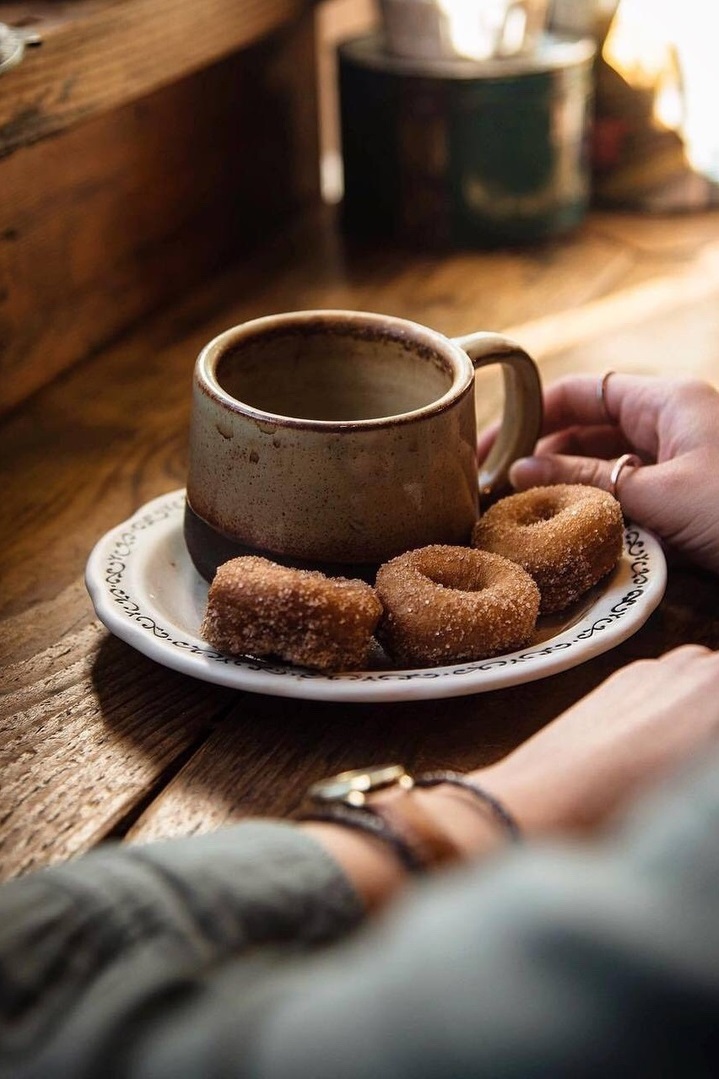
Deeply fried, made from flour dough, typically ring shaped with a hole or similar round shaped (without the hole), or filled with various toppings and flavourings, this sugar delight goes by the more popular name of “donut”. While donut may be considered more of an 18th century preparation with their origin more likely from the Dutch oliekoek, fried dough based confectionery has been there for quite some time in the various indigenous cuisines across the globe. The tradition of frying foods in edible oils have been evidenced to the era of Ancient Greece and Rome. As other cultures began to adapt their own methods over time, different variations came into the local cuisines, though the roots may trace back to common ground.

Made usually from flour (can include finely milled or regular variety) with a mix of water, eggs, milk, sugar, oil, shortening or leavening agents as well as flavourings added to the dough which is then shaped(or not) and deep fried. While doughnuts may be based on their shapes as rings, filled, balls, flattened spheres or twists; other variants include the cake type (like old fashioned doughnut) and the yeast-risen doughnuts. Exploring the indigenous variants to the modern “doughnuts” based on the indigenous cuisines, there a huge number of delicacies that fill the list with legends of their own.

“New mysteries. New day. Fresh doughnuts.” David Lynch

What happens when a baker accidentally drops a ball of dough into a pan of hot oil ? The resulting culinary experimentation would result in a light, spongy ring of dough fried in oil, when had in the Maghrebi cuisine, is known as “Sfenj” (translated as sponge). Also known as Khfaf (Algeria) or bambalouni (Tunisia), Sfenj is usually had for breakfast or tea, had plain or sprinkled with sugar or dipped to drizzled in honey or sweet syrup. Originating in the Al-Andalus era (8th to 10th century), the accidental drop of dough, had evolved to be an important part of the Andalusi cuisine, spreading over to the Banumarin dynasty (Morocco, 1270-1465) and then onto the France (13th century) where it had inspired beignets. Making homemade Sfenj, all depends on how long one wants the dough to rise and temperature of the oil while frying. Of recent, there have been recent variations to the regular sfenj, that is “Sfenj matifiyya” (sfenj pounded flat and fried a second time) and the “Sfenj matifiyya bil-baydh” (sfenj matifiyya with an egg added before refrying).

Moving across to the French Beignet (almost similar to the English fritter), these are basically a type of deep-fried pastry. Although beignets were more popular in the medieval French cuisine, the earliest similar forms may have been there in Ancient Rome. With the basic ingredients of flour, granulated sugar, evaporated milk, shortening agents and confectioner’s sugar; beignets can be made in various varieties depending on the pastry type used. While the French-style beignet is essentially deep fried choux pastry, beignets made with yeast pastry ( boules de Berlin) or those made with chestnut flour (Corsica, beignets de farine de châtaigne) with the latter being known as fritelli, are just few of the variants made. While making at home, many variations, add-ons or substitutes to the usual dough mix may be made, starting with the flour or adding of mashed bananas (plantains) or berries just to start off a few changes. Beignets may be served either as sweet desserts or breakfast food, the choice is own.

There are countless styles and variations to the various forms of “deep-fried dough” across the globe. While exploring and experimenting with the various cuisines, absorbing those recipes into the home kitchen and indigenous cuisine makes the fun part of cooking. Food is essential to life. Imbibing a litte bit of the food culture into the usual mix would not only excite the cooking bug or the palatal buds, but also start off a pleasant home and family tradition. After all, experiences are the what fills the treasure chests of life.

“Frosting was his favorite. He liked to eat doughnuts at every meal. Because it was healthier to eat six small meals a day than three large ones, he restricted himself: jellied for breakfast, glazed for brunch, cream-filled for lunch, frosting for linner, chocolate for dinner, and powdered sugar for 2 a.m. supermarket stakeout. Because linner coincided with the daily crime peak, he always ate his favorite variety to ease him. Frosting was his only choice now, and upsetting his routine was a quiet thrill.” Benson Bruno ( author of A Story That Talks about Talking Is Like Chatter to Chattering Teeth, and Every Set of Dentures Can Attest to the Fact That No..)

Posted in Daily, Food, Stories Around the World

As Simple as “Sandwich”

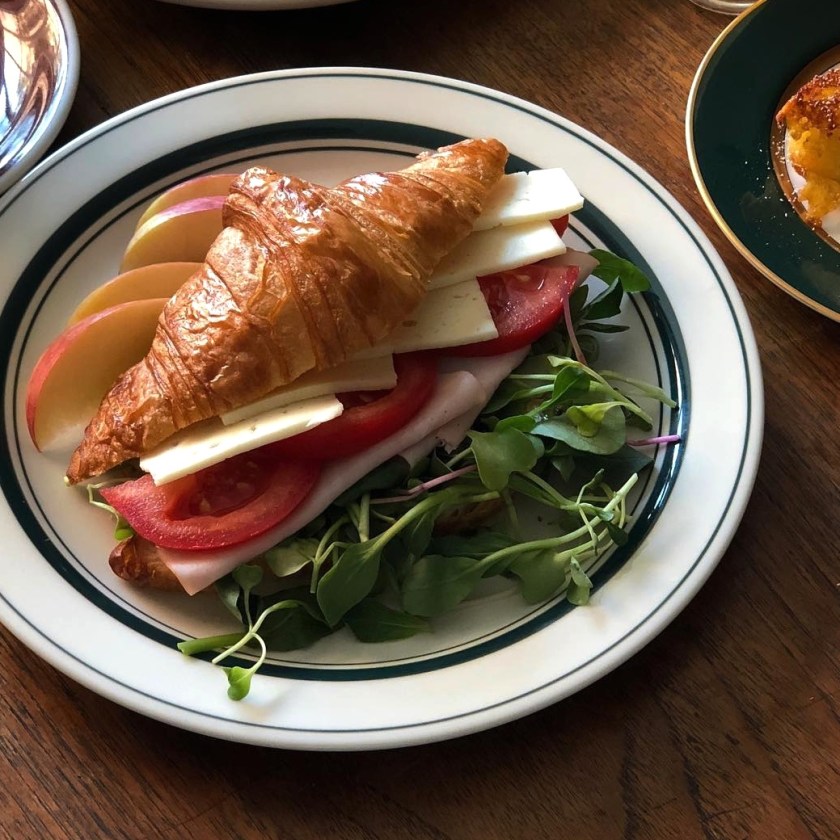
Typically there in almost every household menu, whether it be a snack meal, lunch or dinner or simply a flash picnic meal, ranging from being savoury to sweet or deli made as well as simple and loaded with plenty of fillings, sandwiches have been undeniably had by the old and the young, at some point of time. The popularity lies in it’s ease in making it as well as having it, tapering each menu as per own individual choice.

“The idea of a sandwich as a snack goes back to Roman times. Scandinavians perfected the technique with the Danish open-faced sandwich, or smorroebrod, consisting of thinly sliced, buttered bread and many delectable toppings.” DeeDee Stovel ( author of Picnic: 125 Recipes with 29 Seasonal Menus)

Fillings of either a savoury kind (vegetables, sliced cheese, meat and the like) or simply something sweet and buttery placed on or between slices of bread (two or more) make up the basic sandwich. Although in general, if two or more pieces of bread serve as a wrap or container holding in a set of fillings, which can be had as finger foods, constitute “the sandwich”. Though the name “sandwich” is attributed to John Montagu, 4th Earl of Sandwich, this basic combination has been there quite earlier.

The use of bread (including flat-breads) or bread-like staple to lie over and under or simply cover up or used to scoop up, enclose or wrap up another mix of ingredients was used in such a fashion in various cultures across the continents. Throughout Western Asia and northern Africa areas, the indigenous cuisine had the use of flat-breads ( bread baked in flat rounds, contrasted tot he European loaf), whih were used to scoop or wrap small amounts of food (in a spoon like fashion) while having the meal.

As per records, Hillel the Elder (ancient Jewish sage) had wrapped meat from the Paschal lamb and bitter herbs in a soft matzah—flat, unleavened bread—during Passover (like a modern wrap). The European Middle Ages saw “trenchers” (thick slabs of coarse and usually stale bread) being used as plates. After the meal, these food-soaked trenchers were fed to dogs. Seventeenth century Netherlands had the immediate culinary precursor (with a direct connection to the English sandwich)as recorded by the naturalist John Ray that in the taverns beef hung from the rafters “which they cut into thin slices and eat with bread and butter laying the slices upon the butter”, which were served as the Dutch “belegde broodje” an open-faced sandwich.

“It’s like making a sandwich. I start with the bread and the meat. That’s the architecture. Add some cheese, lettuce and tomato. That’s character development and polishing. Then, the fun part. All the little historical details and the slang and the humor is the mayonnaise. I go back and slather that shit everywhere. The mayo is the best part. I’m a bit messy with the mayo.” Laini Giles

Moving forwards to the eighteenth century England, the popularity of the sandwich arose as the popular myth that bread and meat sustained Lord Sandwich at the gambling table (as recorded in Tour to London by Pierre-Jean Grosley). As legend goes Lord Sandwich ( being a very conversant gambler and into many portfolios for the government) didn’t take the time to have a meal during his long hours playing at the card table. Instead he would ask his servants to bring him slices of meat between two slices of bread. This habit (well known among his gambling friends) enticed them to order as “the same as Sandwich!”. Thus the terminology “sandwich” was born. Alternative account as written by N.A.M.Rodger (Sandwich’s biographer), who suggests that Sandwich’s commitments to the navy, politics and the arts meant that the first sandwich was more likely to have been consumed at his work desk. As per records the original sandwich was a piece of salt beef between two slices of toasted bread.

What was initially perceived as food that men shared while enjoying a game or drink as social nights, the sandwich slowly began appearing in polite society as a late-night meal among the aristocracy. With the rise of the industrial era and the working classes as well as the ease of making and inexpensive ingredients, the popularity of the sandwich rose in the nineteenth century. The street vendors had popularized the sandwich sales (London, 1850). Also typically serving liver and beef sandwiches, sandwich bars were set up (especially in western Holland). The sandwich was first promoted as an elaborate meal at supper, in the United States. As bread became a staple of the American diet (early 20th century), the sandwich became the same kind of popular, quick meal following the widespread trend of the Mediterranean and European cuisine.

“I love sandwiches. Let’s face it, life is better between two pieces of bread.” Jeff Mauro

By itself, sandwich has a wide range of varieties, from the simple PB&J sandwich to the more complicated fillings. Broadly mentioning the major types of sandwich include those with the two slices of bread (or halves of a baguette or roll) with other ingredients between; more complex sandwiches like club, hero, hoagie or submarine sandwich, open-faced sandwich and the pocket sandwiches. Based on the fillings as well as type of sandwich, there is the BLT, cheese sandwich, French dip, hamburger, Monte Cristo, muffuletta, pastrami on rye, peanut butter and jelly sandwich, cheese-steak, Reuben and sloppy joe to mention a few.

Few misnomers include the sandwich cookies and ice cream sandwiches, named by analogy not because of them being bread containing food are generally not considered sandwiches in the sense of a bread-containing bits. Another variant is the layer cake or sandwich cake, made of multiple stacked sheets of cake, held together by frosting or another filling type like such as jam or other preserves.

“Enjoy every sandwich.” Warren Zevon

Sandwiches, today can be filled with a variety of fillings, ingredients based on choice, availability, ingenuity and locality. From the Baloney salad sandwich to the Vietnamese Bánh mì or the Chilean Churrasco, French croque-madam, Chinese Rou jia mo, Southeast Asian Roti john, Finnish Ruisleipä and Hunagrian Zsíroskenyér to mention a few, the sandwich culture has evolved in a way. Keeping in a more creative manner fillings can range from the more bizarre like popcorn or marshmellows to Oreo cookies or the more intricate and spicy curry for a change. So when in a flurry for time, getting creative with a sandwich can o wonders for the body, mind and soul.

“I put some flour, salt, and spices in a freezer bag and then put the pieces of lamb in and then went shake-shake-shake. The lamb was nicely covered with the flour. I browned the lamb and then put it aside. Then I fried some onion with cinnamon, cloves, and cardamom, added some tomatoes and then the lamb, and cooked until the lamb was all flaky. I mixed chopped lettuce, pieces of avocado, and pomegranate seeds, along with a little bit of lemon juice. I cut the pita bread open, put the lamb curry in, and then the lettuce-avocado mixture. All done!” Amulya Malladi (author of Serving Crazy with Curry)


Posted in Daily, Food

Of Apples, Pastry and Sugar

“It looked like the world was covered in a cobbler crust of brown sugar and cinnamon.” Sarah Addison Allen, First Frost

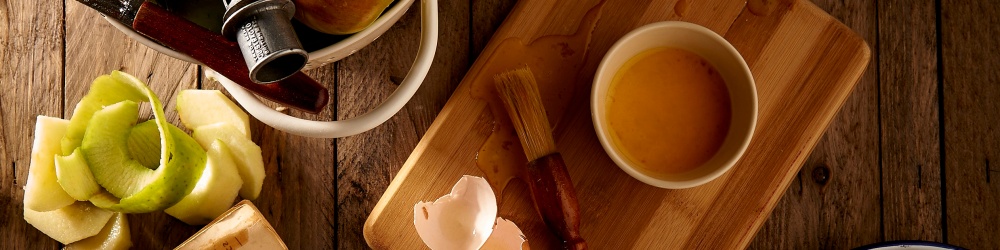
Peel the apples, uncore the slices and lay them on pastry crusts. The hole from the core may be filled with cinnamon, butter and sugar and sometimes dried fruit such as raisins, sultanas, or currants. Wrap the pastry crust around the apples and seal the seams to form them as dumplings. Place the dumplings on the pan, pour the spiced sauce over it and bake it in the oven. Voila, baked dumplings.
Lack of time or power outage for the electricity run oven.
Boil the dumplings and serve with brown sugar, cinnamon, berry preserve, maple syrup, honey, cottage cheese, chocolate syrup or any toppings of choice. That’s boiled dumplings for dessert.

These pastry-wrapped apple were among the earliest fruit puddings, being a popular add on at major social gatherings and had at all social levels. Served as breakfast, main side dish or dessert, there were popular and could be had cold, hot or just as it was. Although the boiled versions were the initial recipes, it was the baked ones that were more popular across the menus of established restaurants.

“A man cannot have a pure mind who refuses apple dumplings.” Charles Lamb

While the Austrians have their apfelnockerln (“large, soft” apple dumplings), Czech cuisine have their fruit dumplings, including apple known as ovocné knedlíky and are eaten with quark or tvaroh cheese, often served as a complete meal. The German Apfelklöße (1801) are elaborate “small pudding of apples,” cored and filled with jam or marmalade, sometimes raisins or nuts, wrapped in pastry, boiled, and topped with a sweetened sauce containing raisins, sugar, cinnamon, and wine. While in the United Kingdom, these apple dumplings were referred to as form of suet puddings with the prepared dumplings tied in cloth and boiled. On the other side of the western sphere, apple dumplings were considered as cultural staples (United States).

Seasonal fruits were used similarly to make fruit dumplings. Like the Austrian and Hungarian Knödel ( dumplings stuffed with plums), Crotian Knedle sa šljivama (dessert dish of plum dumpling with a potato dough), Austrian Marillenknödel (apricot dumplings) and the traditional Czech recipes of dumpling filled with plums, apricots, strawberries or blueberries. A similar dish is baked apples (minus the pastry shell). Unpeeled apples are cored (some preparations remove only the top part of the core leaving a half-inch at the bottom) and stuffed with fillings such as butter, brown sugar, currants, raisins, nuts, oatmeal, spices and other ingredients.

Made any way, boiled or baked, pastry covered or not, these perfect pocket sized simple desserts are perfect add-ons for simple, elaborate or too tired to cook days. With imagination running riot, what better way is there to make perfect use of the cold weather, indulge the sugar cravings with apples and sweet and make way for this traditional recipe not just simple and wholesome but a treat for the artistic eye and creative cooking.