Posted in Daily, Food, Stories Around the World

Twist in the “Cup”

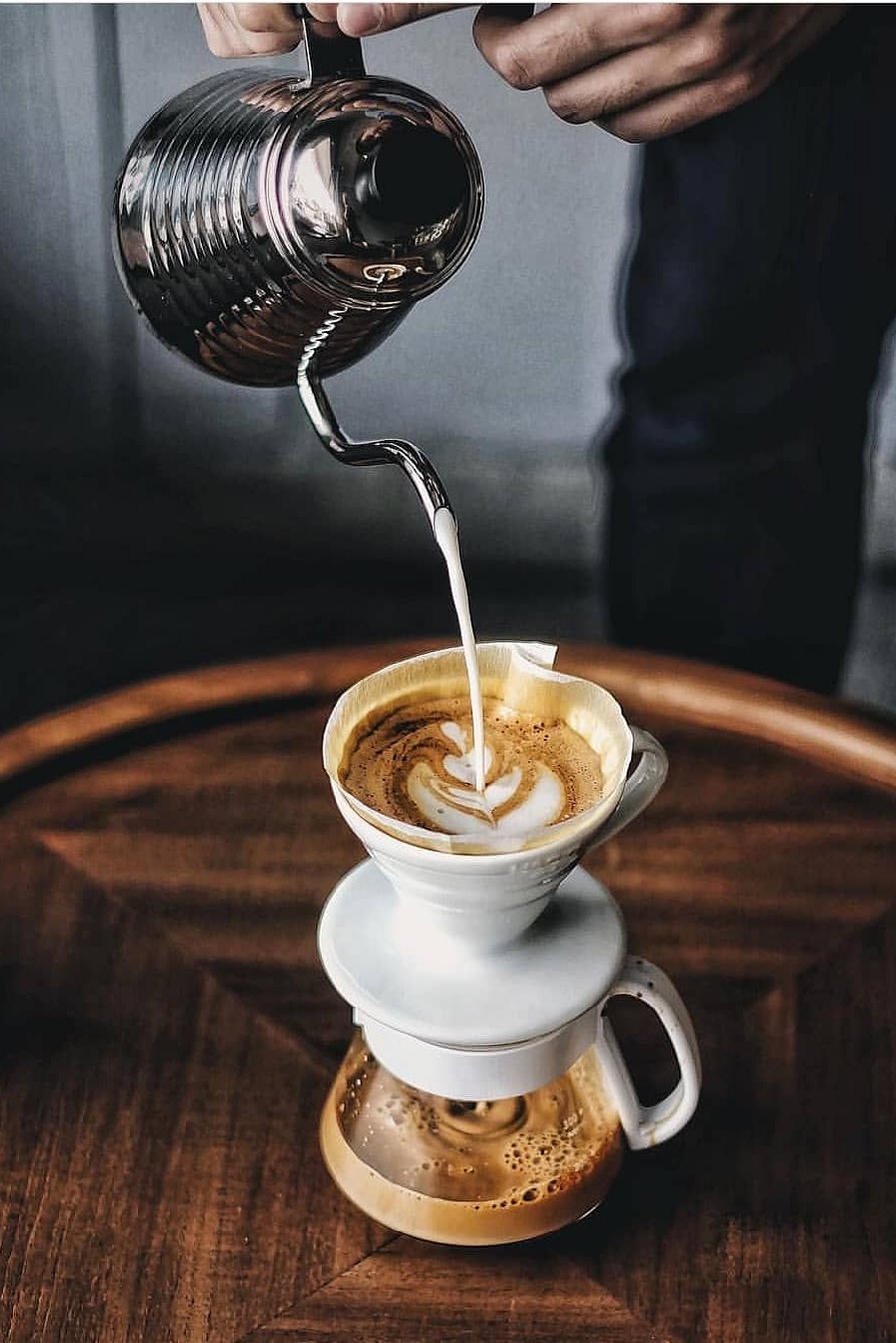
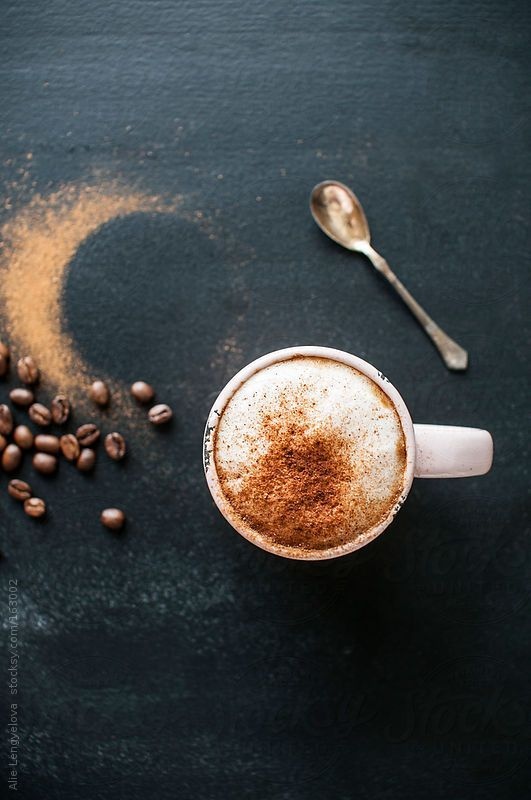
Quiet mornings are high on the wish-list these days, so when the weekend rolls over; the lure of the peace is strengthened by a hearty cuppa. With the new trend of butter to bulletproof coffee, yours truly did a couple of twist after intense research and experimentation to give a different flavour to each weekend of the month. As the new saying may be like something new, something old and then an extra something borrowed (not blue) gives a new vibe for the coming week.

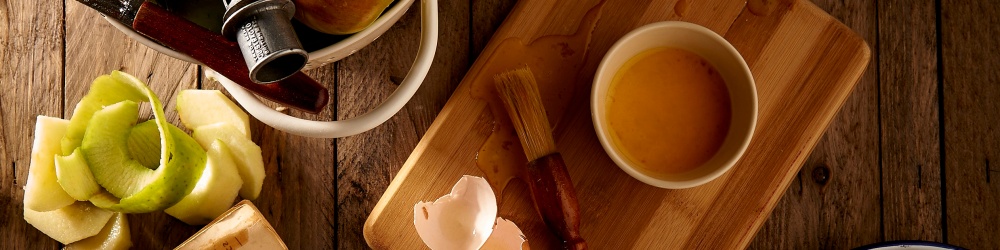
Coming to coffee trend across the continents, the Austrian Kaisemelange can keep one guessing the ingredients. Traditionally made by mixing the egg yolk and honey, and adding strong black coffee while stirring gradually; the flavours give a different meaning for the day. Doing it at home, it took quite a number of tries to get all the proportions in sync.
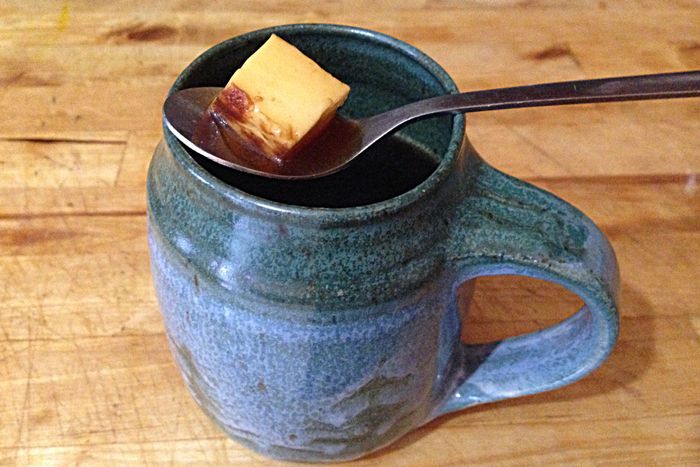
On the other hand, the traditional Finnish “Kaffeost” combines the cheese to the coffee. Into the birch burl carved mug, a cube of cheese (originally juustoleipä from reindeer milk, leipäjuusto or juusto; recipe variations mention about bread cheese) is placed at the bottom and boiling black coffee is poured into it. As the coffee is being sipped, the softened chunks can be spooned out or left behind as dregs. This coffee flavoured cheese and the nutty buttery coffee flavour, gives off a dessert-ish vibe and especially enrich the morning routine.

“Like a symphony, coffee’s power rests in the hands of a few individuals who orchestrate its appeal. So much can go wrong during the journey from soil to cup that when everything goes right, it is nothing short of brilliant! After all, coffee doesn’t lie. It can’t. Every sip is proof of the artistry – technical as well as human – that went into its creation.” Howard Schultz
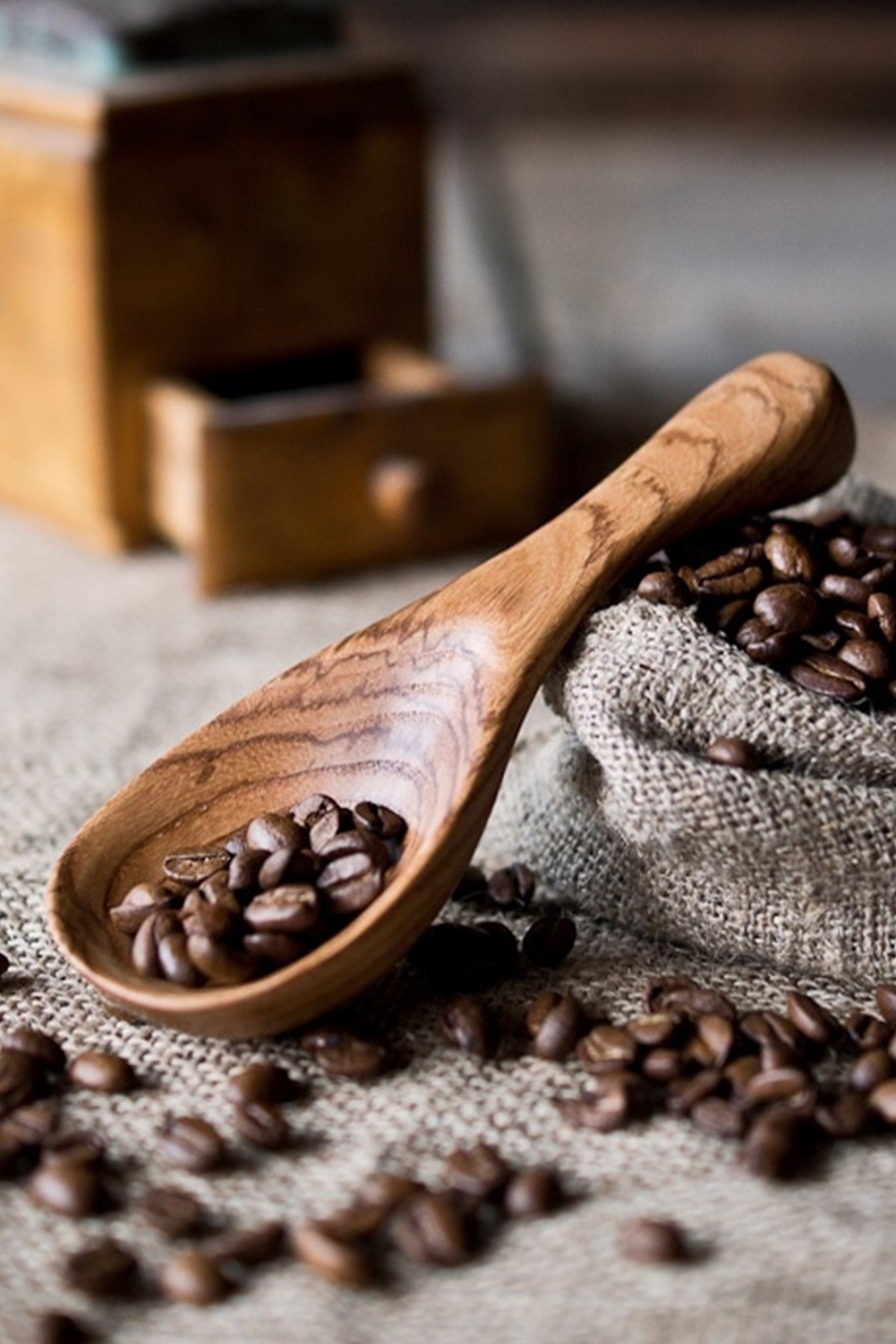
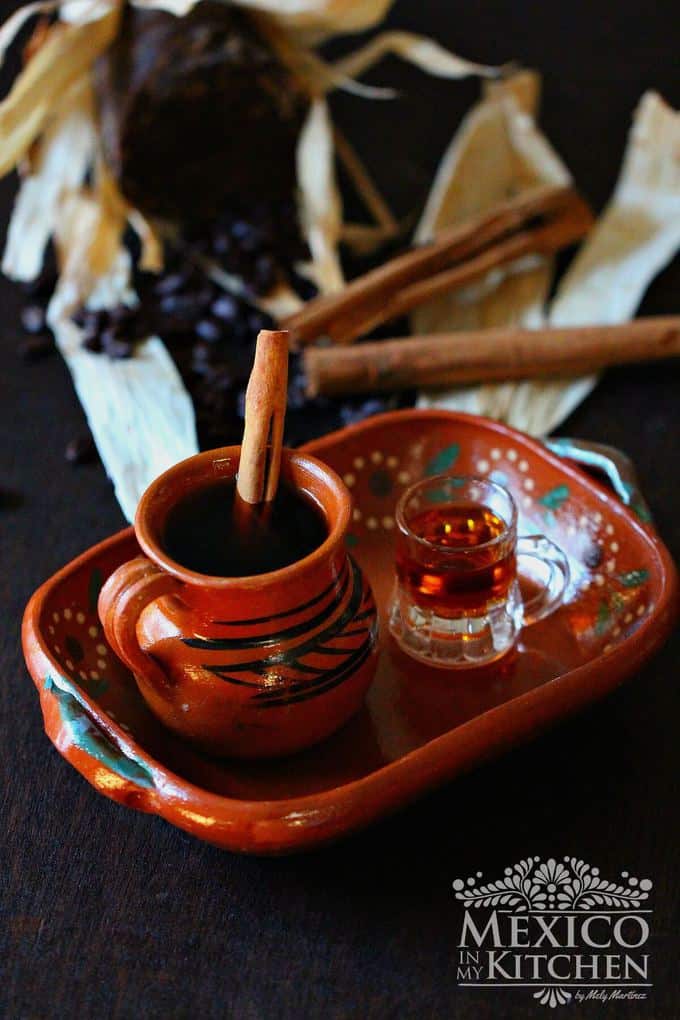
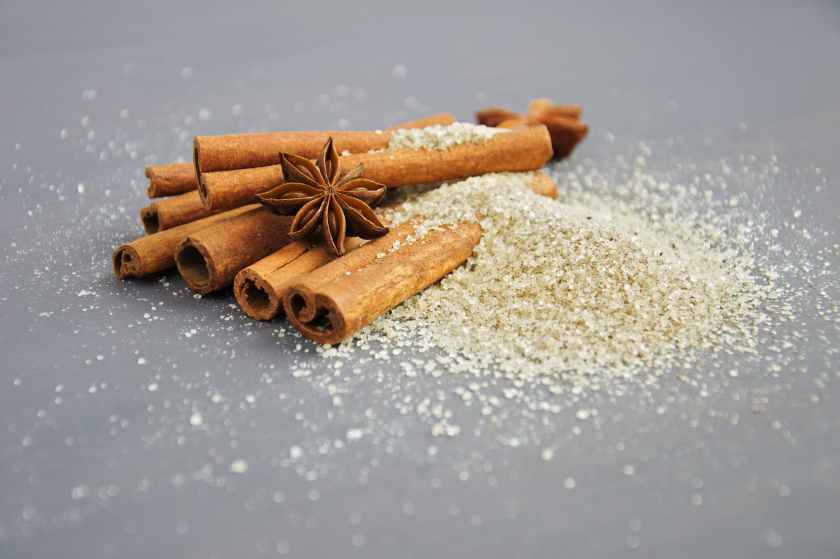
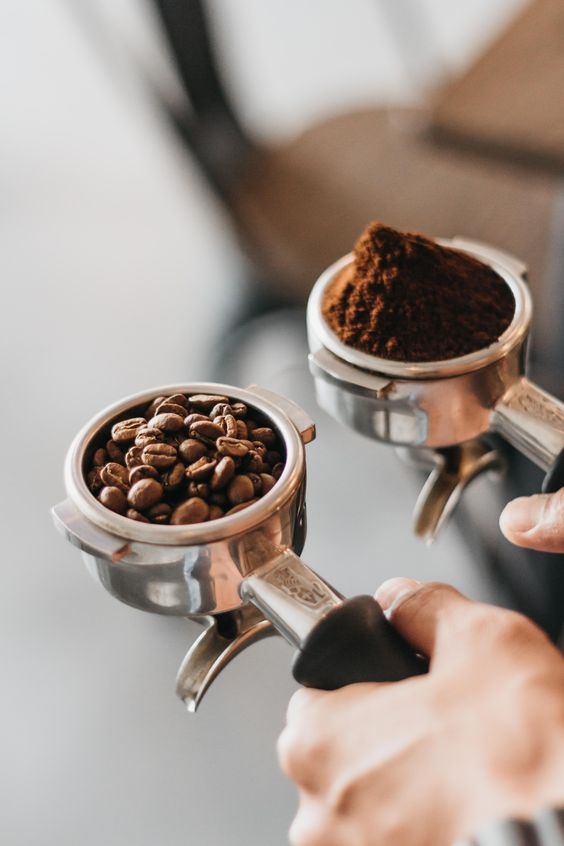
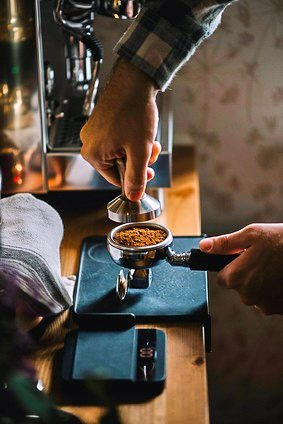
Going across to the next continent, the traditional Malaysian “Ipoh White Coffee” is made by roasting the coffee beans with margarine and no added sugar. Roasting the beans with wheat, sugar and margarine gives the other popular Malaysian ‘black’ coffee roast (Kopi-O). Coming to the Indian kitchen, the ever popular spice rack holds a special position there. Which is why the Mexican Café de Olla was on the “to try” list. Made traditionally in the earthen clay pot, the basic ingredients include ground coffee, cinnamon and piloncillo (unrefined whole cane sugar or dark brown sugar); served with optional ingredients like orange peel, anise, and clove to spice it up. pot brewed coffee with raw sugar and spices. The coffee is prepared in a stainless steel saucepan with water, brown sugar, cinnamon and dark roasted ground coffee and served in a cup with an orange peel.

All in all, the different “coffee trends” around the globe makes for an interesting experience, whether it be in the popular cafe or in the comfort of our kitchen. Each “cuppa joe” has its’ own special story, to share, experience and relish in; a voyage even in the these times.

Posted in Food, Stories Around the World

Coffee, Sugar and a Twist

One of the big benefits of work-from-home option, are the ease of getting a slow mornings. With a large chunk of time, saved from missing the commute, one can savour the first bite of coffee, the afternoon aroma of the beans and the night experimentation with newer styles. Though one downside is that, too many regular coffee or the plain espresso, makes one want to grab for a cafe made latte for a change. With the present situation, as one can’t go to the cafe, the quest is on to bring the cafe home. The subsequent research for cafe-made coffees to be experimented at home lead to plenty of “aha” moments.

“Come on, don’t you ever stop and smell the coffee?” Justina Chen Headley

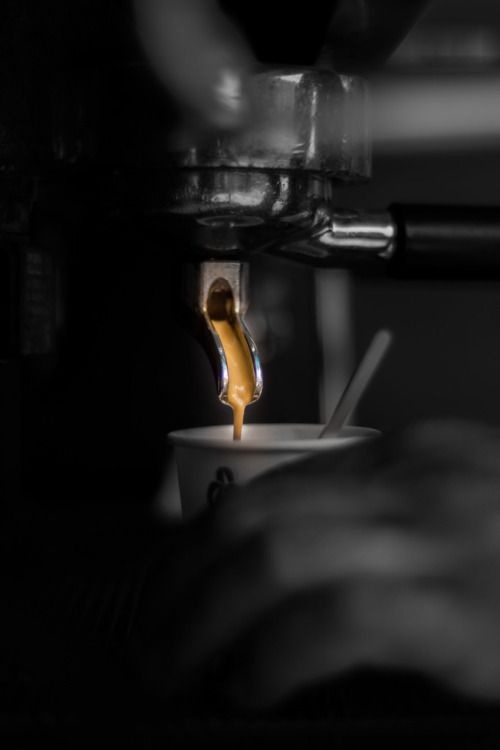
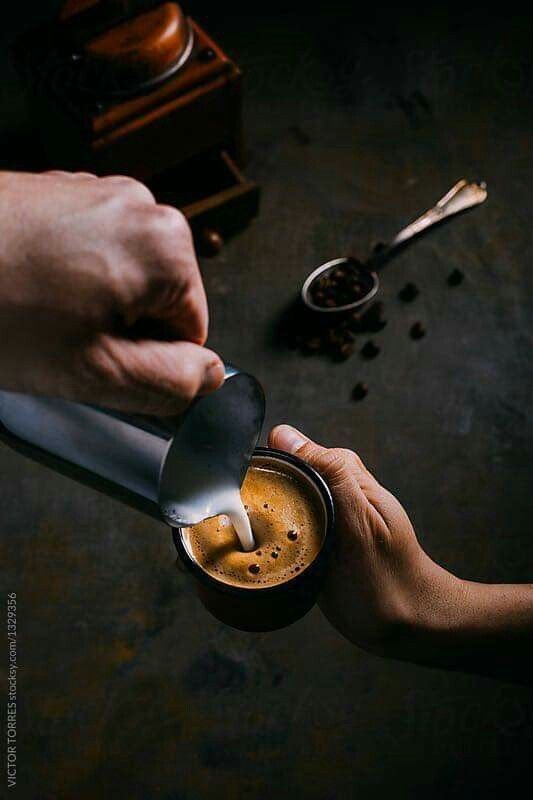
Getting into mood of completing the daily work requirements, the daily shot in different shades of black to brown is what keeps the morning work to the grind. So with the home espresso machine in tow, the regular morning shot was had with a small twist the past couple of days. When the bite of coffee needs to be mellowed a tinge, the regular shot of espresso can be diluted by little milk (less than 100ml) for the Manilo, which is actually a flat-white but lot smaller.

Going towards the Cuban tradition to drink coffee strong and sweet where the sugar is often mixed with the coffee beans prior to the latter being brewed, making the homemade Cuban espresso involves knowing the traditional way. The traditional method of brewing coffee was the filter method using a cloth cone; but the modern brewing recipes prefer a moka pot than the espresso machine. Made best using the darker roasts (preferably Italian or Spanish), a little of the the espresso shot is taken, sweetened with natural brown sugar and then the whole mix whipped. The mixture is then added to the remaining espresso and vigorously mixed into a creamy foam, the espuma or espumita. A sweeter and more viscous coffee is made by this method, than by adding the normal brown sugar to the espresso. This espresso brewed with sugar goes by various cafe names like the Café Cubano, Cuban coffee, Cuban espresso, cafecito, Cuban pull, or Cuban shot. Another technique is to place the sugar (white or brown) in the cup as the coffee is dripped into it; the whole mix then stirred into a froth. Adapting to the takeaway option, “the Cuban Colada” is 3–6 shots of Cuban-style espresso in a cup along with small demitasses to take to work.

Though deceptively simple, this Miami café Cubano has few variations. One is the cortado, made of an espresso mixed with a roughly equal amount of warm or steamed milk to reduce the acidity. The milk is not frothy and “texturized”. The Cuban cortadito is generally mixed with heated sweetened condensed milk. Other styles include the café con leche condensada or bombón (espresso with condensed milk) and the leche y leche. The latter is made with condensed milk integrated throughout and a dollop of cream resting on top. The café cortado (espresso with a dash of milk) is almost similar to the Italian macchiato or the French noisette (hot milk to espresso is 1:2 ratio).

Another style is the Café con leche which literally translated from Spanish means “coffee with milk”. Originating as an Spanish coffee beverage, the espresso (strong and bold) is mixed with scalded milk in an approximate 1:1 ratio. If the amount of milk is higher, it becomes the café con leche en vaso or café con leche de desayuno. This preparation is closer to the Italian caffè latte or latte, than the French café au lait. The Cuban “Café con leche” is made when the espresso (without the sugar) is poured to the desired darkness into the cup of hot or steamed milk.

Researching on the Cuban coffee style alone resulted a whole new set of recipes and ideas being unlocked. Adding a personal variation based on the time of the day, especially iced for the noon makes for an nice twist to the usual. In the midst of all these concoctions, the only requirement is the mix being drinkable. That being the must, the rest is purely on the recipe, imagination and what is at hand. With all this being there, little reason why the lock-down hasn’t resulted in being a drag so far. Letting this first phase of the “espresso specialties” sink in, the next few days would result in plenty of interesting trials as well as errors.

Posted in Daily, Food

Beyond the “C”

What connects Camellia sinensis, Coffea seeds, Kola nuts as well as the yaupon holly leaves, Amazonian holly guayusa leaves. The common factor is a simple but bitter, white crystalline purine, a methylxanthine alkaloid compound popularly consumed globally as “Caffeine”. The growing role of “caffeine” related beverages is evidenced by the celebration of March as the National Caffeine Awareness Month” by foodimentarians globally.

Like the two sides of a coin, caffeine has its’ own merits and demerits. Primarily playing its’ role as a central nervous stimulant as well as inhibitor of two major enzymes, phophodiesterase and adenosine; caffeine of coffee, tea as well as the medically available pure form has its’ indicated uses and merits.

From treating to preventing major diseases in neonates (like bronchopulmonary dysplasia, apnea of prematurity) as well aiding asthmatics in reducing their exacerbation; caffeine aids in reducing fatigue, drowsiness and improving coordination and reaction time. Imagine the endless night shifts, cramming before exams, pulling all nighters before the term exams in university and aiding to stay awake during classes after late night events; caffeine was always a life saver. In moderation, caffeine aids in reducing depressive symptoms as well as suicide idealizations.

“It was a pleasant cafe, warm and clean and friendly, and I hung up my old water-proof on the coat rack to dry and put my worn and weathered felt hat on the rack above the bench and ordered a cafe au lait. The waiter brought it and I took out a notebook from the pocket of the coat and a pencil and started to write.” Ernest Hemingway

Not just students or night shift workers, for the gym goers, caffeine helps in improving their endurance, aids weight loss as well as increase the training or exercise volume. Moderate consumption of caffeine reduces dementia and Alzheimer’s risk, neuroprotective for Parkinson’s patients, reduces liver fibrosis and cirrhosis as well decreases risk of throat, mouth, colon and skin cancer.

On the other hand, more than 400 milligrams of caffeine intake has been associated with health risks ( Health Canada limitations) while toxic doses are in the range of ten grams or more of caffeine (50 -100 coffee cups with 80-175 mgs of caffeine per cup). Adverse effects of caffeine have a physical as well as psychological manifestation. In the former group would include raised blood pressure, headaches, increase gastrointestinal motility, increase bone loss in postmenopausal women, stained teeth, increased eye pressure in glaucoma patients, loss of essential minerals like iron and calcium as well as decreasing collagen synthesis i.e. more wrinkles.

“As long as there was coffee in the world, how bad could things be?” Cassandra Clare, City of Ashes

From a psychological viewpoint, increase caffeine can lead to addiction, mood swings, dependency, anxiety disorders, tremors as well as irritability and sleep less nights. For the pregnant women, balancing the daily intake to two or less cups of coffee ( less than 200mg ) helps to reduce the caffeine induced pregnancy complications.

Caffeine consumption, highly depends on the way and reason we take it. From a simple homemade coffee to the “calorie laden coke” (laced with additional compounds) or the simple morning and evening ritual of tea, caffeine intake can be regulated. The more carefully we regulate the caffeine intake, the longer we can enjoy the merits than be affected by their demerits.

“Adventure in life is good; consistency in coffee even better.” Justina Chen, North of Beautiful

Posted in Daily, Food, Photo Captions

Coffee Kick off !!

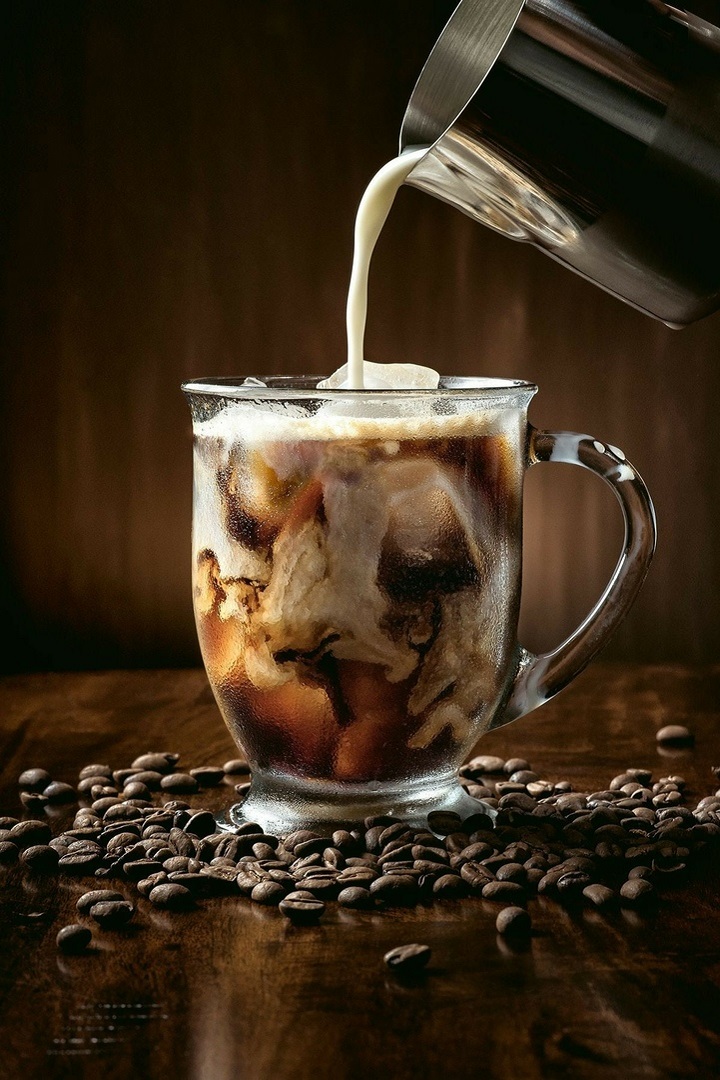
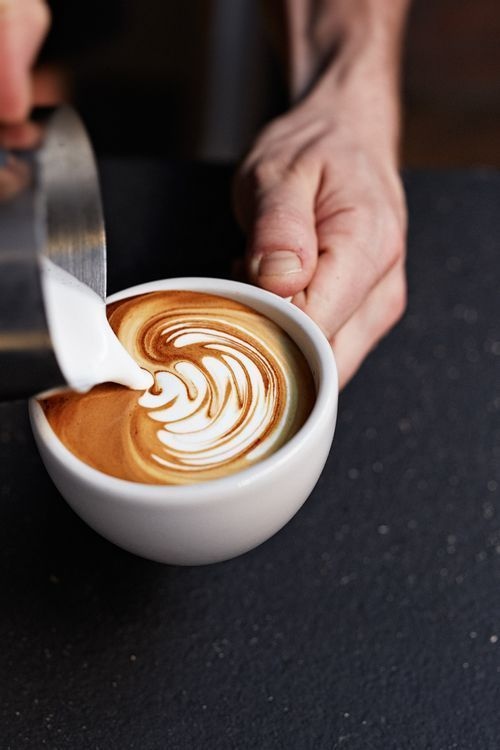
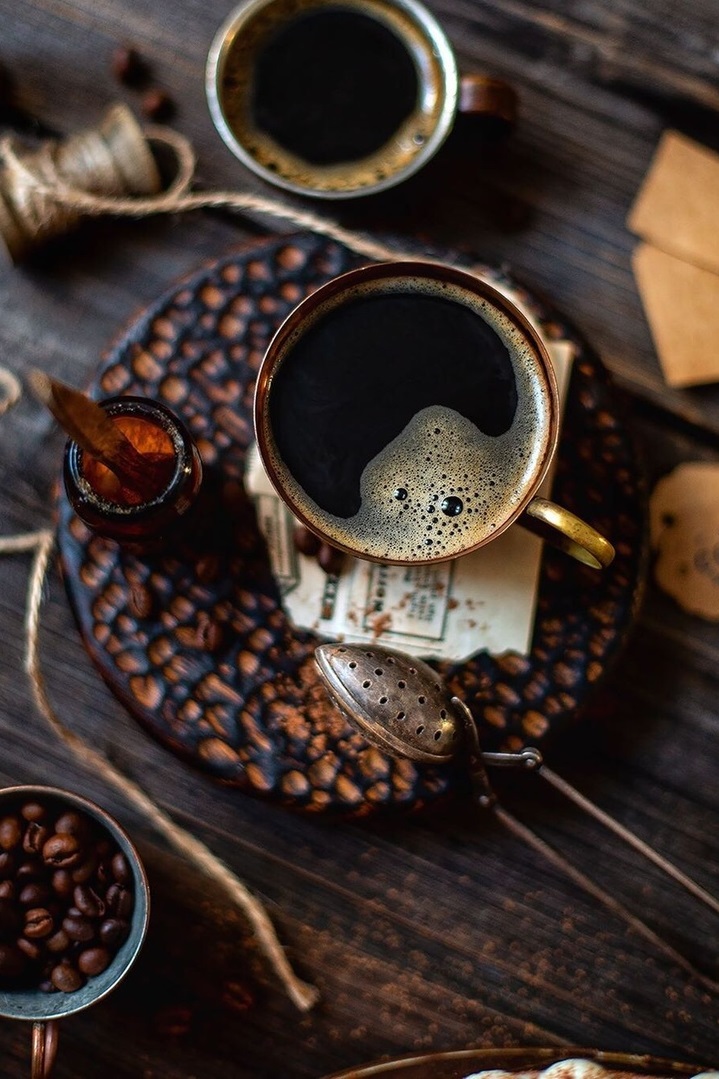
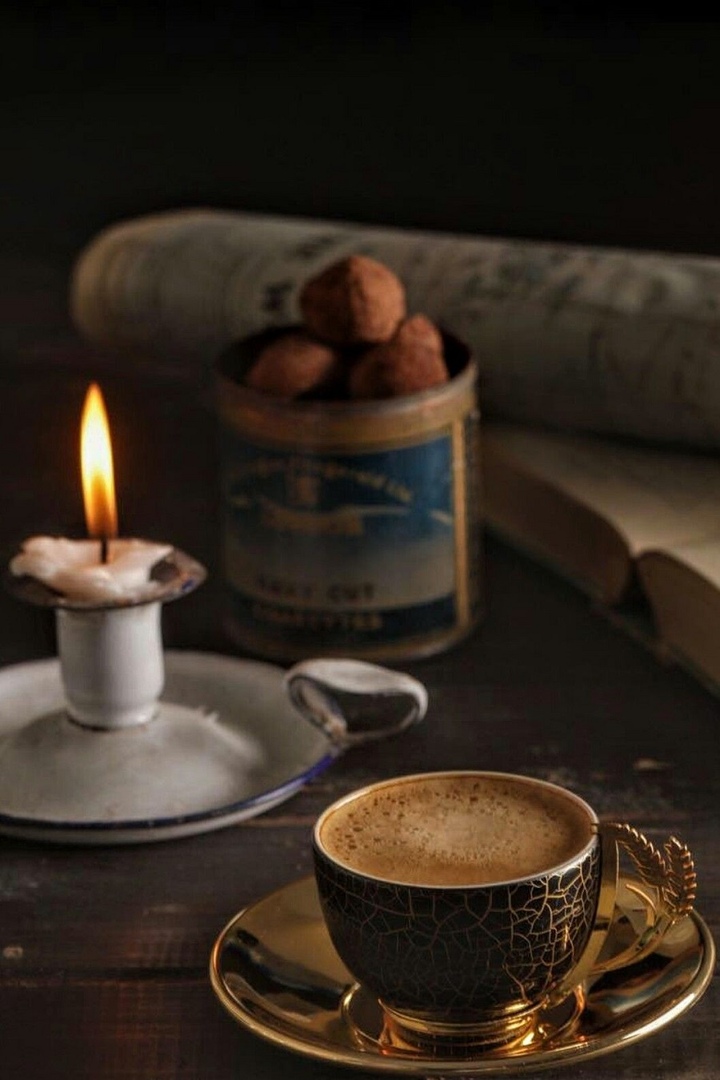
This for all the coffee lovers out there. Imagine a day without the regular caffeine shot and I bet I am not the only one on the dose. Here are few shots below of what my cup of coffee would be like…. be it the espresso, or with milk and cream, frappe, hazelnut, cocoa and so on but the coffee beans do stay the same.

“Coffee, she’d discovered, was tied to all sorts of memories, different for each person. Sunday mornings, friendly get-togethers, and a favorite grandfather long since gone. Coffee meant something to people. Most found their lives were miserable without it. Coffee was a lot like love that way. And because Rachel believed in love, she believed in coffee, too”.
–Sarah Addison Allen