Posted in Daily, Food, Stories Around the World

Third Wave and On…

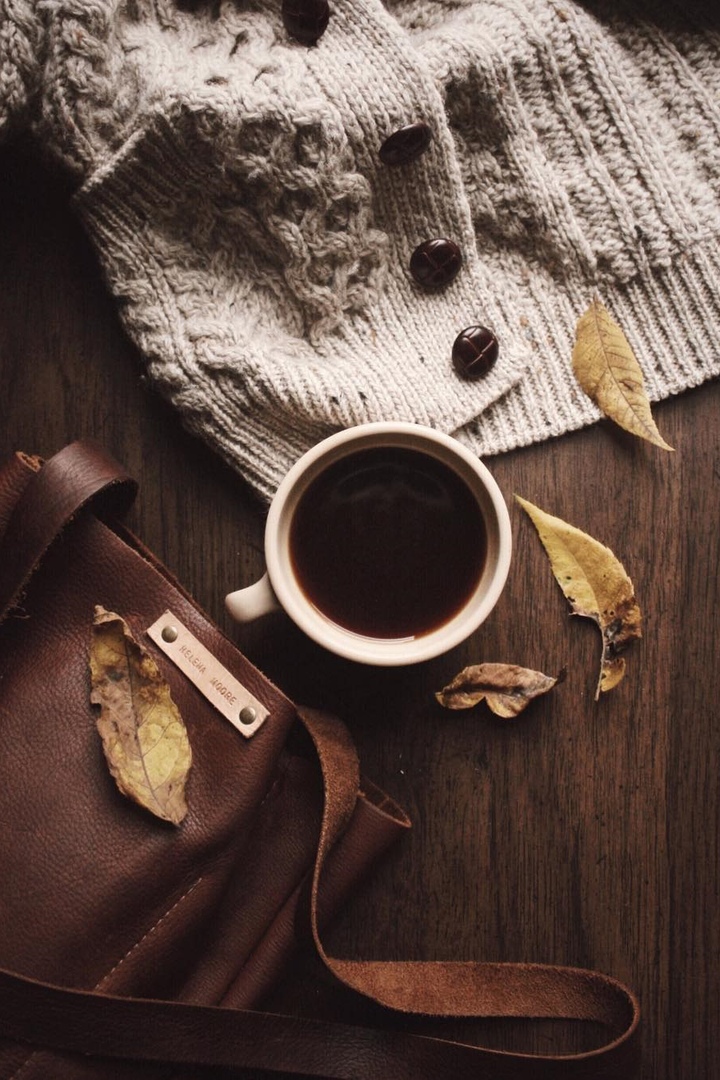
“Coffee is a hug in a mug.” Anonymous

On a long postponed visit to the extended family line, we had to put in a three hour journey to-and-back. While waiting in the traffic and not being in the principal driver’s seat was an added incentive for window shopping. Naturally the sign of “discount” had your truly squinting to make out the deals. But it was the special offer of “The Flying Squirrel” (exclusively bought online) and Seven Beans that had snared my attention. After seconds of hedging, my husband had the car in park while I made a quick dash for it. With our luck in alignment, the buy didn’t take much time and we were on back homeward bound.

“It’s amazing how the world begins to change through the eyes of a cup of coffee.” Donna A. Favors

Interestingly “The Flying Squirrel” or “Seven Beans” is but two of the many brands caught in the “wave of coffee”. Entering into the artisanal food category, the third wave coffee movement is a retrospective entry of coffee wherein both coffee lovers and manufacturers share the joy and appreciation of high quality coffee. Like fine varieties of wine and cheese, the third wave of coffee explores the connoisseur-ship, stimulation of the senses and exploration of taste in a simple but buoyant cup of coffee. The unique characteristics of that simple coffee bean are highlighted, ranging from the diverse methods of growing, cultivation, processing, roasting as well as the practices and salient variables among the coffee bean cultivars and beverage preparation.

“The first wave of American coffee culture was probably the 19th-century surge that put Folgers on every table, and the second was the proliferation, starting in the 1960s at Peet’s and moving smartly through the Starbucks grande decaf latte, of espresso drinks and regionally labeled coffee. We are now in the third wave of coffee connoisseurship, where beans are sourced from farms instead of countries, roasting is about bringing out rather than incinerating the unique characteristics of each bean, and the flavor is clean and hard and pure.” Jonathan Gold, LA Weekly. (March 2008, Pulitzer Prize winning food critic on the third wave of coffee)

Technically the terminology of “third wave coffee” was most widely attributed to Trish Rothgeb, a coffee professional in an article for the Roasters Guild newsletter titled “Norway and Coffee,” (2003) with the first mainstream media mention in an National Public Radio piece about barista competitions. Although there is a lesser known reference in an obscure trade publication called “Tea & Coffee Trade Journal Asia” (1999) by specialty coffee pioneer Timothy Castle obliquely referring to the same. While the first and second waves dealt in the ready availability and highlight the countries of origin with (or not) of their signature dark roast profile (respectively), the third wave coffee is often associated with the concept of ‘specialty coffee’ with reference to the specialty grades of green (raw and unroasted) coffee beans (distinct from commercial grade coffee) or specialty coffee beverages of high quality and craft. Though coined earlier (1974), “specialty coffee” was meant to refer to high-quality beans scoring 80 points or more on a 100-point scale.

“It doesn’t matter where you’re from – or how you feel… There’s always peace in a strong cup of coffee.” Gabriel Bá

There is something in a cup of coffee that is dearly enjoyed across all age groups, from different countries, professions and cultures. To add to one’s own special highlight to that cup of coffee, along with the coffee wave, the addition of a tinge of vanilla, whisky, chocolate, cinnamon, cardamom or hot chocolate, can do wonders. Not to forget the ice-cream for the kids. Little wonder then, one would chose to miss an opportunity to ride “that coffee wave”.

Posted in Food, Stories Around the World

Biscuits, Crumbs and Milk

With plenty of biscuits left over from the holiday baking safely enclosed in their tins, it was their crumbs which had to be called to an order. After all the holiday cakes and ice-cream, evening desserts had to be something light, easy on the sugar and simple to make. What would be an easier solution for all the crumbs than the good old “biscuit pudding”.

Interestingly biscuit pudding is something that has evolved over time. With the British cuisine evolving the pudding from dumplings, the former had to be either in the meals or dessert category. More steamed than bakes, they were the savoury ones like steak and kidney pudding, haggis, pease pudding and the dessert ones (steamed in a basin and for afters) like the Christmas pudding, sticky toffee pudding and so on. Though essentially centuries on, pudding is more of a dessert than savoury. Dessert puddings like bread and butter pudding, biscuit pudding or simply with fruit.

“The proof of the pudding is in the eating.” Miguel de Cervantes, Spanish author. (1547-1616) ‘Don Quixote de la Mancha’

One of the very basic biscuit pudding recipes that resulted in the first stained smock of preschooler was the Chocolate biscuit pudding. Though claimed to be a Sri-Lankan dessert pudding introduced by the British during the colonial era; it may have been in the kitchens of the west long before then. To make it requires layers of a prepared chocolate pudding or icing mixture alternated in a serving dish with layers of biscuits (plain ones preferred) dipped in warm milk. Served cold (not baking or steaming) with chopped nuts as garnish, cutting through would see five to seven layers of biscuit and chocolate. An easy dish to keep bored children busy on cold days.

The old-fashioned biscuit pudding, usually handed over in the set of family recipes, the basic ingredients would be vanilla, eggs, milk and plenty of leftover biscuits. This moist pudding is usually had cold, garnished with ground cinnamon, raisins, candied fruit and with maple syrup. With fond memories, it puts the cracked biscuits and their crumbs to good use.

Posted in Food, Stories Around the World

From Spaghetti-o-iei’s

The noon drive from work during the last week day entitles picking up the kids from school. Once they are in the car, the ride then on is interspersed with narratives ranging from the classes, to “mom did you know that she/he” to playground falls, teacher praises, peer comments and the like. Among the narratives was their home science classes wherein the primary classes as well as kindergarten were taught about basic stuff like hand-washing, making cookies, tending the garden and sorting the recyclables. With detailed descriptions of how spaghetti was made in class, the three of us had trooped into the ice-cream parlour for the weekend scoop. Imagine to my surprise when the “today’s special” held the title “spaghettieis”. On clarification, the waitress told me that we serve ice cream only and spaghettieies was just noodle ice-cream.

Spaghettieis (German pronunciation: [ʃpaˈɡɛtiˌaɪs]) is a German ice cream dish made to look like a plate of spaghetti.

Created by Dario Fontanella, “spaghettieis” was a dish of vanilla ice cream extruded through a modified Spätzle press or potato ricer, giving it the appearance of spaghetti( late 1960s, Mannheim, Germany). The entire ice-cream spaghetti is then placed over whipped cream and topped with strawberry sauce (to simulate tomato sauce) with coconut flakes, grated almonds, or white chocolate shavings added over it (similar to the Parmesan cheese). Fontanella had served this innovative creation to tearful children and had received the Bloomaulorden, a medal bestowed by the city of Mannheim (2014).

As this innovation makes it’s rounds in popular gelaterias, ice cream parlours as well as special events; various variations have been experimented with. Popular among these simulations include the different flavours of the “ice-cream shaped like spaghetti” with dark chocolate ice cream, nuts, sprinkles, icing sugar and the like. To be a “spaghettiei” dessert, the simulation has to be one of the varied spaghetti versions like Spaghetti Carbonara, Spaghetti Bolognese, Spaghetti cacio e pepe (cheese and pepper) or the Spaghetti alle vongole appearance. With simple “mini-variations” a simple bowl of vanilla ice-cream can be turned into something decadent and delightfully elaborate but exquisite and simple.

Posted in Food, Stories Around the World

Chocolate for the Holidays

As the holiday season grows near and school is closed till the next year has set into it’s first week, the official holiday snacks and treats season has begun. Young or old, age has never been a bar for the holiday favourites. With the very basic ingredients of crushed cake or biscuit mix, cocoa, sugar (and a little of the rum for that extra holiday spice for the “adults only” time); can result in the favourite holiday treat of the “romkugle, trøffel or sputnik” or simply, the rum balls.

A truffle-like confectionery flavoured with chocolate and rum, these rum balls complete every holiday season. Often coated in chocolate sprinkles, desiccated coconut, icing sugar or cocoa, these cookie, cake or biscuit based treats can be made in a jiffy with no baking required. With the festive preparation in full swing, the less complicated it is, the more popular the recipe.

Making these chocolate balls is an event, for more than the different regional variations, many a time it is a family tradition passed down form one generation tot he next. The basic ingredient is the choclate and as for the rum, that may be replaced by similar rum flavouring or any flavoring of non-alcoholic variant. The basic step is to crush the cake (or biscuit) material, mix it with fat, cocoa, a moist binding ingredient like jam or condensed milk and optional ingredients like chopped nuts, raisins, sultanas, ground walnuts, white chocolate or even peanut butter. Once the mix holds together, it can be rolled into small balls and coated with flavouring of choice. Regional variations as well as names exist for these chocolate rum balls. From the Dansk Romkugl or Trøffel, Deutsch Rumkugel or the Polski Bajadera, each regional recipe has a subtle variation. The Hungarian kókuszgolyó are made with whole cherries placed inside the balls and then rolled in coconut flakes.

Going for a healthy twist from the regular, the Danish Havregrynskugle or the “Oatmeal Ball” may be another new holiday recipe to work on. Slightly smaller than a ping pong ball and made of oatmeal, sugar, cocoa, vanilla, butter with a small amount of coffee mixed to a compact mass, these balls are formed and then rolled in shredded coconut, nib sugar, sprinkles or toppings of choice. Similar to this confectionery is the Israeli Kadur Shokolad, where these chocolate balls are made with Petit Beurre crumbs.

Although these treats are holiday favourites, they are in no way confined to it. More than “just desserts”, they become a part of the family tradition as all hands, the tiny ones as well as the experienced hands join in for the holiday memories. As for alterations and combinations, chocolate for the year end would be loved in any form or any manner, liquid or solid, elaborate or simple; the year end sugar and choclate rush is the norm. As for gifts, there is nothing like a gift of choclate covered rum balls or cakes to bring the present year to a delightful and delicious end.

Posted in Food, Stories Around the World

The “Brownie” Way

“And I’ve just pulled a new brownie out of the oven: a deep, dark chocolate base with a praline pecan topping, sort of a marriage of brownie and that crispy top layer of a good pecan pie.” Stacey Ballis (author of Wedding Girl)

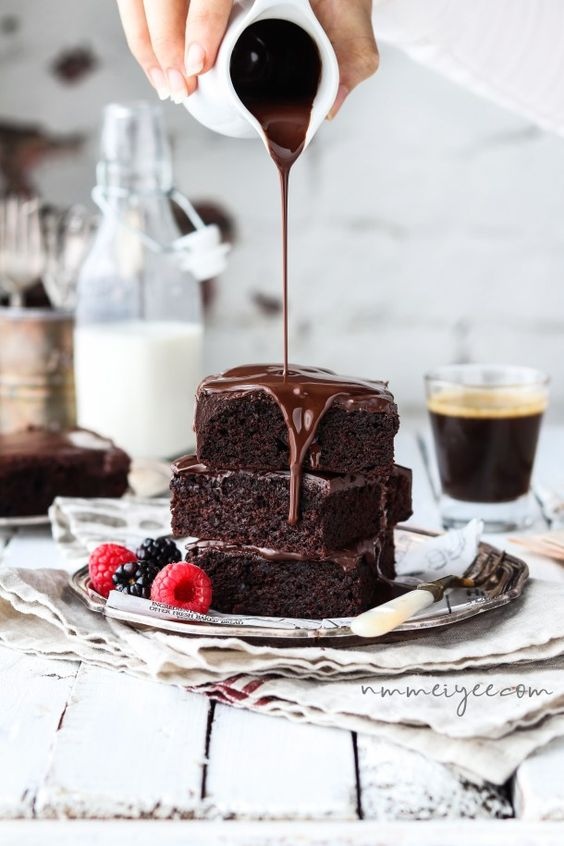
Something quick, easy and delectable are few of the pre-requisites required for adding to the list of holiday baking. If chocolate is added in, the better. It would be something that blend in with other well loved and basic desserts. That something would be square, baked or frozen cut choclate cake pieces, more popularly known as the “brownie”. Coming in a variety of forms, from fudgey to cakey with nuts, fudge, frosting, cream cheese, chocolate chips and the favourites included in the batter; the brownie is an all-time favourite of many. Like sheet cookies, they may eaten by self or with milk, ice cream (a la mode), topped with whipped cream or sprinkled with powdered sugar and fudge.

Like all delectable treats, brownies have their own share of legends. As one legend credits the brownie to the creative ingenuity of Palmer House Hotel pastry chef (1893) for the Palmer House Brownie with walnuts and an apricot glaze made for the Chicago World’s Columbian Exposition on the request of the owner’s socialite wife Bertha Palmer. The first-known printed use of the word “brownie” was to describe a dessert in the Boston Cooking-School Cook Book by Fannie Farmer (1896 version) in reference for a cookie-type confection that was colored and flavored with molasses and made in fluted marguerite molds. Later further publications like The Boston Cooking-School Cook Book (1906) edited by the same Fannie Merritt Farmer records a recipe brownie as an adaptation of her chocolate cookie recipe to a bar cookie baked in a rectangular pan. Another well record as written in the Baking Classics (Betty Crocker) is of a housewife who was making a chocolate cake but forgot to add baking powder. When her cake didn’t rise properly, instead of tossing it out, she cut and served the flat pieces (Bangor, Maine) which would probably account for the Bangor Brownies.

As food historians try to still trace the exact inventor of the “brownie” while the legends credit it to added melted chocolate to a batch of biscuits (added by mistake) or the cook who didn’t have enough flour while baking a cake; brownie are one of the simple things that can be made quite elaborate for the festive season. For instance consider the sandwich brownie (with an ice-cream, cream, icing sugar, meringue or peanut butter as the filling in the middle) or the layered brownie with double chocolate chip at the base, then the layer of Oreos and finally brownie batter on billows of cream cheese, a delight for the wintry holidays. As for the mix, add a scent of cinnamon, essence of the vanilla (blondie twist), sprinkle of the flavours of star-anise, honey or even a little of the cayenne for that extra “hot” to the sweet; brownie can be made as to own choice, flavours and twists. A platter of homemade special brownie can give an extra zest to the holidays. So set, get and go experimenting for a new family festive tradition.

1907
Lowney’s Cook Book
Boston, Massachusetts

Bangor Brownies (p 261)
¼ cup butter
1 cup brown sugar
3 squares chocolate
1 egg
½ to ¾ cup flour
1 cup nut meats
¼ teaspoon salt

“cut in strips”
Source: New England Recipes 

Posted in Daily, Food, Stories Around the World

The “Petit Four” Story

“It was the best first kiss in the history of first kisses. It was as sweet as sugar. And it was warm, as warm as pie. The whole world opened up and I fell inside. I don’t know where I was, but I didn’t care. I didn’t care because the only person who mattered was there with me.” Sarah Addison Allen (author of The Sugar Queen)

Craving for a snack between meals, especially during office hours wherein it is a situation between the need for the sugar versus the knowing that control is a must (mind vs. body), the deli across the road offers a relief during the short breaks. With the variety of mignardises of petit four on display, these cravings can be satisfied when their effect runs too hard.

Known more commonly as petit four than mignardises, the former word when literally translated from French means “small oven”. These small bite sized single piece confectionery or savoury appetizer arose in the 18th and 19th century French cuisine.

Before the gas ovens had been invented, those years saw the large brick ovens (more common Dutch design) being used. The latter used to take a long time to heat up (especially to the bread baking temperatures) as well as cool down. Taking advantage of the stored heat, bakers used these ovens to bake pastry during the cooling process which was known as baking à petit four (literally “at small oven”).

Walking into any French patisserie, these assorted small desserts are usually called mignardises; whereas the hard, buttery biscuits are called petits fours. Similar to the petit four is the classical Austrian confection of pastry known as Punschkrapfen or Punschkrapferl (punch cake), which has a legend of it’s own.

These petits fours come in three main varieties, as Petit Fours Glacé (“glazed”) predominantly served as iced or decorated tiny cakes topped with marzipan covered in fondant or icing. The second category includes savoury bite-sized appetizers usually served at cocktail parties or buffets known as Salé (“salted”). The third category are the Sec (“dry”) which encompasses dry cookies, dainty biscuits, baked meringues, macarons, sable beurre, palmiers, duchesses and puff pastries, all baked at low temperatures for a long time. Other categorizations also include the Petits fours frais which are any small pastries like sponge cakes like madeleine, financiers, creme filled pastries like eclairs or tartlets, all these must be eaten the same day they are made for the quality is lost if they sit longer. On the healthier front, there is the “Petits fours Deguises”, made of fresh or dried fruit dipped in a sweet coating such as chocolate or cooked sugar.

Homemade petit fours can be made on a more simple and creative way with plenty of icing sugar, fondant, candied bit and pieces as well as the good old chocolate to add to the flavours and sparkle it to a work of art. With this wide assortment of treats, petit fours are indeed a delightful to enjoy that little bit of sugar, the concentrated way or slightly less or simply be savoury for a change.

Posted in Food, Stories Around the World

Of Kladdkaka and Chocolate

Butter. Eggs. Sugar. Cocoa or chopped dark chocolate. Vanilla sugar. Flour. Pinch of Salt.
Minimum Baking Time.

While prepping a sudden luncheon meet for old friends, the dessert dish had to be something different, for we three ladies were all dessert connoisseurs. Hunting down for quick cake recipes, had led to the Swedish Kladdkaka, a gooey choclate cake that requires the very basic ingredients and minimum preparatory as well as baking time. This venture had led to the revelation of interesting tidbits and details of this favoured Swedish delight.

Kladdkaka, literally translated as gooey or messy cake (more commonly known as “chocolate mud cake” is a dense sticky chocolate cake with a soft and gooey center, often served with whipped cream or vanilla ice cream and raspberries. Widely believed to be one of the best cakes for chocoholics, there are many variations to the standard recipe for this delight. One of the major reason for it’s gooey nature (quite different from brownies and other regular sugar cookies) is the absence of baking soda in this preparation. With just mild whisking, the absence of air bubble results in the stickiness.

While tracing the exact origin of this cake didn’t lead to any specific occasion or person, it is believed to have been inspired by the brownie or the French chocolate cake recipe; with its’ origin being at a time when baking soda wasn’t routinely available (probably around World War II). Another theory was that Kladdkaka came from Örebro where Gudrun Isaksson (1938) baked brownies from a recipe she received from the USA. As baking powder was difficult to get hold of then, the dough became liquid resulting in the chocolate mud cake. Alternatively it was believed that this cake came to Sweden via the editor-in-chief of the Veckojournalen (1968), Margareta Wickbom who had visited a cafe in Paris where she tasted chocolate cake and brought home the recipe. It was known as “Elake old man’s muffins” then, believed to be made first in muffin form.

Regardless of the roots, with the simplicity of the recipe, ingredients and quick baking time, it makes for a welcome change for the quick but elaborate dessert. Variations are there with coffee added to the regular flavour or making the cake on block chocolate to give a whitish texture to it, adding fruits or nuts as well as making the batter more lighter or luxurious or give it a flour-less twist. So for the kitchen experimenters or home chefs, dessertarian and chocoholics, here is another recipe and delight to add to the ever growing list.

“This cake is one of those cakes I take for granted somehow. I love it so much but I rarely bake it. Before I started baking like crazy, about 5 years ago, I used to bake two times a year, tops. Two times a year, that’s it. And when I did, it was always “kladdkaka” (roughly translated “sticky cake” or “gooey cake” but I’ll just call it Swedish chocolate cake). Why kladdkaka then? Well, first of all, it was the only recipe I knew how to make. Second, it’s probably the easiest thing you could possibly make, and it’s just so darn delicious. You simply have to make this one! And don’t forget to serve it with whipped cream (vanilla ice cream is ok as well)!”
Linda Lomelino, Call Me Cupcake

(Sources: http://kladdkakerecept.blogspot.com/, https://culturedarm.com/a-swedish-kladdkaka-recipe/)