Posted in Daily, Food, Stories Around the World

“Hoagie” from Scratch

“I love a sandwich that you can barely fit in your mouth because there’s so much stuff on it. The bread should not be the main thing on a sandwich.” Adrianne Palicki

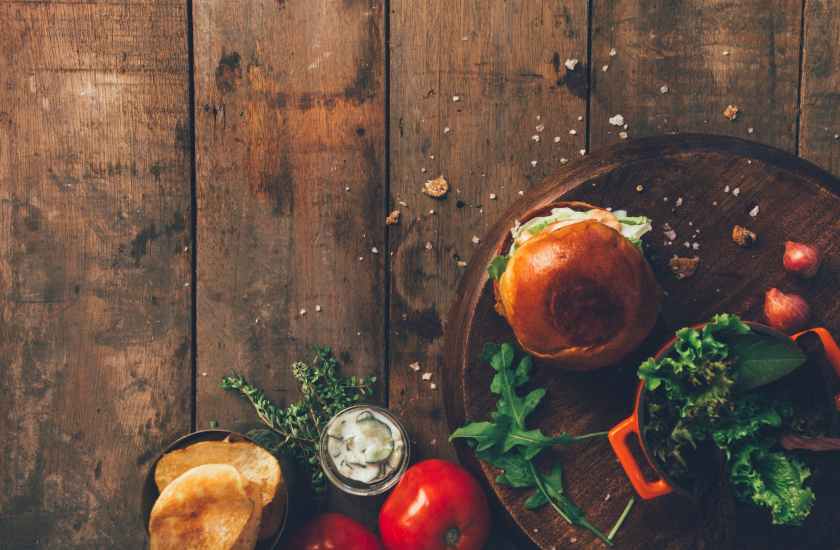
Little did John Montagu, the fourth Earl of Sandwich (1718-92) realize that his “sandwich” invention would become even bigger, longer and filled up with more varieties than before. Known popularly by the name of sub, hoagie, hero, grinder or Italian sandwich, the “submarine sandwich” has become one of the fastest growing sandwiches, adapted by many into a complete meal for the busy days or a healthier diet. Consisting of a length of bread or roll split lengthwise, filled with a variety of meats, cheeses, vegetables and condiments, this sandwich has no standardized name and has a dozen varieties and combinations globally. In fact those submarine sandwiches longer in length or filled with greater quantities of ingredients than usual, are known as battleship, flattop or destroyer sandwiches.

This sandwich is believed to have originated in the various Italian American communities from the late 19th to mid-20th centuries. The most widespread term of term “submarine” or “sub” is believed to have been after the resemblance of the roll to the shape of a submarine. Various theories have been put forward to the origin of the name. While one theory states that “the submarine” was brought by Dominic Conti (1874–1954), an Italian immigrant who came to New York (1900s) named it after seeing the recovered 1901 submarine called Fenian Ram in the Paterson Museum of New Jersey in 1928.

As per his granddaughter had accounted : “My grandfather came to this country circa 1895 from Montella, Italy. Around 1910, he started his grocery store, called Dominic Conti’s Grocery Store, on Mill Street in Paterson, New Jersey where he was selling the traditional Italian sandwiches. His sandwiches were made from a recipe he brought with him from Italy, which consisted of a long crust roll, filled with cold cuts, topped with lettuce, tomatoes, peppers, onions, oil, vinegar, Italian herbs and spices, salt, and pepper. The sandwich started with a layer of cheese and ended with a layer of cheese (this was so the bread wouldn’t get soggy).”

Eventually while the “submarine” had caught on; it would seem that the “hoagie” was already in vogue. Originating in the World War I era shipyard in Philadelphia known as Hog Island, where emergency shipping was produced for the war effort; Italians working there introduced the sandwich by putting various meats, cheeses, and lettuce between two slices of bread. This later was known as the “Hog Island” sandwich; shortened to “Hoggies”, then the “hoagie”.

“It’s like making a sandwich. I start with the bread and the meat. That’s the architecture. Add some cheese, lettuce and tomato. That’s character development and polishing. Then, the fun part. All the little historical details and the slang and the humor is the mayonnaise. I go back and slather that shit everywhere. The mayo is the best part. I’m a bit messy with the mayo.” Laini Giles

However, the Philadelphia Almanac and Citizen’s Manual states attributed this creation to the early-twentieth-century street vendors called “hokey-pokey men”. They had sold antipasto salad, meats, cookies and buns with a cut in them. When bakeries produced a long loaf called the pinafore(1879); Entrepreneurial “hokey-pokey men” sliced the loaf in half, stuffed it with antipasto salad, and sold the world’s first “hoagie”. Whereas another explanation is that the word “hoagie” arose in the late 19th to early 20th century, among the Italian immigrant community in South Philadelphia. Deli owners would give away scraps of cheeses and meats in an Italian bread-roll known as a “hokie”, but pronounced by the Italian immigrants as “hoagie”. After the WWII, the term “hoagie” had caught on and stayed.

There are numerous variants of these “submarine sandwiches” which have been named so based on the mix of ingredients or bread type like the New York “Hero”, New England “grinder” (a hot submarine sandwich (meatball; sausage; etc.) or a oven toasted hoagie) or Gatsby of Cape Town, South Africa. Come by whichever name, “submarine” or “hoagies” are here to stay. With National Hoagie Day (May 5th), it would be a time for some food fun.

Posted in Daily, Food

Of Pretzels, Origin and Evolution

When facing an unexpected situation, the first emotion that one comes across is the “feeling of something happening, of being twisted and knotted” or the most popular feeling of “butterflies in the stomach”. With the month of April drawing to a close, it would be remiss if one would miss this month of “poetry, jazz, soft pretzels and humour” without experiencing the feeling of being in “pretzels”.

Originating in Europe, possible among the monks of the Middle Ages, “pretzel” were baked bread products made from dough, commonly shaped twisted into a knot. With the traditional pretzel in distinctive non-symmetrical loops; the modern pretzels comes in a varied range of shapes with exotic and common seasonings like chocolate, glazed, with nuts, seeds or with the flavours of several varieties of cheese. Today pretzels can be had “soft”, eaten shortly after preparation or “hard-baked” with a long shelf life.

“My mother always said, ‘When you’re eating pretzels, chew before you swallow’. Always listen to your mother.” George W. Bush

The true origin of pretzels have been traced to numerous accounts, though not verified. From the very early Italian monks making pretzels as rewards to children who learn their prayers or as a derivation of communion bread. In Germany, legends state that pretzels were the invention of desperate bakers held hostage by local dignitaries whereas, other legends elsewhere believe that pretzels were substitute for the heathen baking traditions of “sun cross” and the like.

Either way, the popularity of pretzels in the early years where evidenced as their use as an emblem by the various baker guilds. With the “knot of the pretzel” believed to be hands folded in prayer, pretzels had a religious significance in the Church based on their ingredients and shape. Additionally the three holes of the pretzels signified the Holy Trinity. As pretzels could be made by simply using flour and water (no eggs or lard were permitted during Lent); they provided a proper substitute during the Lent. Over the years, no Lent or Easter would be complete without pretzels, with them being sometimes substituted as Easter eggs. (https://tasty.co/recipe/homemade-soft-pretzels)

“Between evening and bedtime, Night is on the prowl for pretzels….” Rajat Kanti Chakrabarty

Despite the insignificant size and knotted shape, pretzels have an extensive influence on landscape architecture and sculpture (Pretzel Park, Philadelphia), in culture (pretzel dance move in swing dancing), furniture design inspired pretzel chairs and adoption of “pretzel logo” by Municipal government of City of Freeport, Illinois. Fashion, photography and the entertainment industry too have adapted the “pretzel” in a variety of styles, ranging from clothing to ecosystem techniques as well being a part of the literature, poetry and music. Although pretzels are no longer in fashion like the initial days, looks like they will still be around.

Posted in Daily, Food

Jelly with the Beans

“You can tell a lot about a fellow’s character by his way of eating jelly beans.”  Ronald Reagan

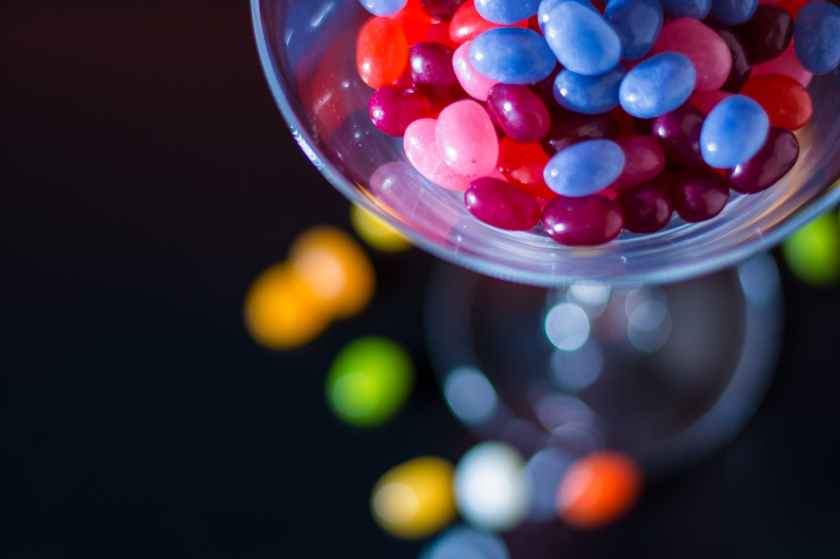
What happens on hybridization of Turkish Delights ( sweet, chewy candy with powdery sugar coating) and Jordan almonds ( almonds encased in a crunchy sugar shell) ? Possibly it may lead to the creation of “the classic candy with a soft chewy center and thin crunchy coating” , famously known as “jelly beans”. For avid Harry Potter readers, “Bertie Botts” may sound familiar with flavours of Banana, Black Pepper, Blueberry, Booger, Candyfloss, Cherry, Cinnamon, Dirt, Earthworm, Earwax, Grass, Green Apple, Marshmallow, Rotten Egg, Sausage, Lemon, Soap, Tutti-Frutti, Vomit and Watermelon.

The exact origins of jelly beans aren’t known. While the Mid Eastern confection of Turkish delight has been there since B.C.; the shell coating process known as “panning” can be traced to the cooks of the Royal Court in 17th century France. Over time, as the two process made its’ way to the Americas and the earliest known appearance of Jelly Beans has been credited there. One commonly cited but unconfirmed proof was an advertisement (1861) for William Schrafft (Boston) promoting the delivery of jelly beans to soldiers in the Union Army duting the Civil War.
Initially, (late 1800s, early 1900’s) jelly beans were sold by weight as penny candy in general stores and taken home in paper bags. By 1930s, jelly beans became part of the Easter holiday partially as it fit in well with its’ round egg-like shape, which was a symbol of the renewal of spring.

Why “jelly” and “bean” ? With candy-makers trying out novelty shapes for candy, the Goelitz family candy-makers has archive lists with candies as vegetables, chestnuts, carrots and turnips as well as bunnies for Easter. Once the bean shaped soft jelly came with shell that won’t let them stick, the name “Jelly beans” have stayed on.

Ever since 1976, there have been two types of jelly beans, gourmet (smaller, softer with shell and middle both flavoured) and traditional (only shells are flavoured). Their basic ingredients include sugar, tapioca or corn syrup, pectin or starch with relatively minor amounts of the emulsifying agent lecithin, anti-foaming agents, an edible wax (carnauba wax, beeswax), salt, confectioner’s glaze and flavouring agents. Depending on the type and flavours, jelly beans take approximately six to ten days to be made. National Jelly Bean Day has been celebrated (April 22nd) by foodimentarians worldwide. With endless flavour possibilities available as well as satisfying the palate and creating edible works of modern art, their popularity still holds true today.

“Jelly beans! Millions and billions of purples and yellows and greens and licorice and grape and raspberry and mint and round and smooth and crunchy outside and soft-mealy inside and sugary and bouncing jouncing tumbling clittering clattering skittering fell on the heads and shoulders and hardhats and carapaces of the Timkin works, tinkling on the slidewalk and bouncing away and rolling about underfoot and filling the sky on their way down with all the colors of joy and childhood and holidays, coming down in a steady rain, a solid wash, a torrent of color and sweetness out of the sky from above, and entering a universe of sanity and metronomic order with quite-mad coocoo newness. Jelly beans!” ? Harlan Ellison (“Repent, Harlequin!” Said the Ticktockman)

Posted in Daily, Food

Benedict’s Way with the Eggs

“Sometimes life is a feast with eggs Benedict & hollandaise sauce, waffles & strawberries, sausage links & hashed brown potatoes. And sometimes life is scrambled eggs. In the end, your stomach gets full all the same. And years from now, you may not remember exactly what you ate.” Lisa Schroeder

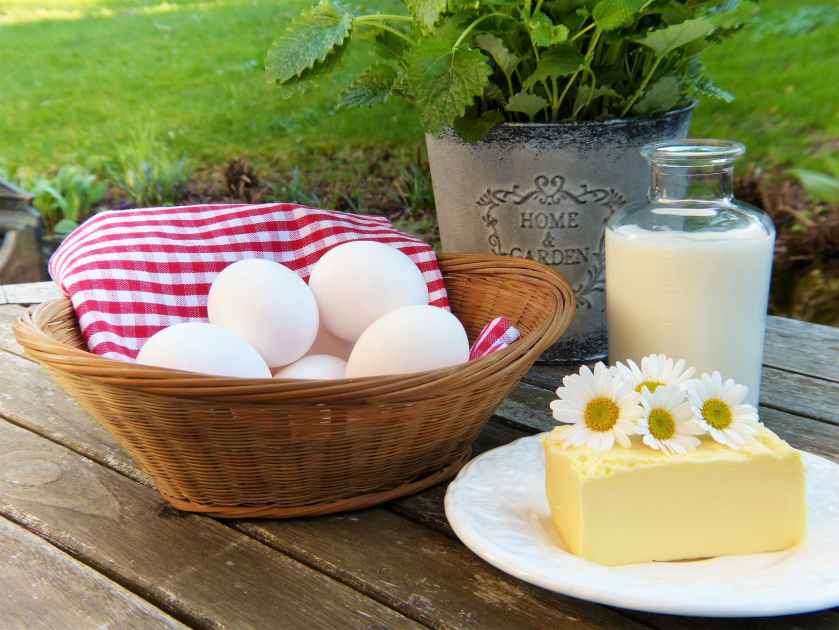
Known as Eggs Benedict or Eggs Benny, this traditional American that consists of two halves of an English muffin topped with a poached egg, bacon or ham, and hollandaise sauce. The dish was first popularized in New York City and mostly served for breakfast or as brunch.

Interestingly, there are many conflicting accounts as to the origin of Eggs Benedict.The earliest record is based on the menu of Delmonico’s of lower Manhattan whcih states that “Eggs Benedict was first created in our ovens in 1860.” One of its former chefs, Charles Ranhofer had published the recipe for Eggs à la Benedick in 1894.

As per other sources, based on the interview of Lemurel Benedict, a retired Wall Street stock broker recorded in the “Talk of the Town” column of The New Yorker in 1942. As per his words, in 1894 he had wandered into the Waldorf Hotel hoping to find a cure for his morning hangover and had ordered “buttered toast, poached eggs, crisp bacon, and a hooker of hollandaise”. The dish had impressed Oscar Tschirky, the maître d’hôtel that it had earned its’ place on the breakfast and luncheon menus with modifications like ham for the bacon and a toasted English muffin for the toast.

Another claim to this creation was made by Edward P. Montgomery on behalf of Commodore E. C. Benedict. Montgomery wrote a letter to then The New York Times food columnist (1967) which included a recipe he had received through his uncle, a friend of Commodore Benedict. This recipe had varied greatly from the Ranhofer version, especially in the hollandaise sauce, recording the addition of a “hot, hard-cooked egg and ham mixture”.

Today many variations are available globally, often varied as per the local cuisine and favourite add on preparation. Like for instance, substitute the streaky bacon for the ham and add a slice of tomato to get Eggs Blackstone. While Eggs Blanchard states to add Béchamel sauce for Hollandaise and Eggs Florentine includes spinach instead of the ham or adds it underneath (where previously there were added to poached or shirred eggs). Eggs Omar (also known as a steak benedict) substitutes a small steak in place of the ham, and sometimes replaces the hollandaise with béarnaise.

In fact each ingredient of the original Eggs Benedict can be substituted to make a new or exotic variant adaptable to the local culture, food trends and seasonal ingredients. One can substitute the ham for salmon (smoked or plain) to make Eggs Atlantic, Eggs Hemingway or Eggs Norvégienne among the the many locale names for it. This is one of the most common variant found in places where bacon or pork products can’t be served. Additionally the ham can be substituted by corned beef, Irish bacon, pork “debris” (Eggs Cochon) or some even prefer hash browns to the ham.

To make the original Eggs Benedict more creative is to add sliced avocados or the the bread can be substituted by Hollard rusks, a large buttermilk biscuit (Eggs Cochon) or even toast. Either Eggs Benedict can give numerous variations with one’s own favourite ingredients and make for a healthy breakfast in the morning melee or even had as an evening snack. Little wonder then, that a whole day was devoted as National Eggs Benedict Day ( April 16th). Besides having fun with plenty options to modify it, they make a healthy and wholesome food, with palatable mix ups as well inspiring creative cooking and art in the kitchen.

“She dipped a clean pinkie into the hollandaise in the bowl. It coated her finger like a sheath of yellow velvet. Despite her nerves, she plated swiftly and surely. She lifted the poached eggs clear from the shimmering, hot water with a safecracker’s touch, laying each one with infinite care in place on top of its foundation of English muffin and Canadian bacon. Silky drizzle of hollandaise, sprinkle of fresh parsley, grind of black pepper, framed with creamed spinach, dusted with paprika. Done.” Brian O’Reilly, author of Angelina’s Bachelors

Posted in Daily, Food

“Cobble” it Together

“Cherry cobbler is shortcake with a soul.” Edna Ferber

With summer round the corner and plenty of fruits to go around, desserts are always the reason why the meal gets completed in the twinkling of an eye, especially for the children. Even with the lack of time or frozen products over, dessert can be done soon, especially when bits of fruit over biscuit dough, batter or dumpling are baked to give the warm “cobbler” feel of the spring and summer skies.

Believed to have originated from the archaic word “cobeler” (recorded from 1859) meaning wooden bowl, cobblers were essentially a byproduct of the early years of European settlement in the Americas, especially by the English and the Dutch. They had initially emerged as a makeshift version of the popular pie recipes as a trail-modified desert.

“My earliest memory is making peach cobbler with my grandmother. A wonderful memory. I grew up in a restaurant family – B.B.Q. restaurant.” Rick Bayless

Unable to make the traditional puddings or pies, due to lack of ingredients or equipment as the settlers moves westward, modifications were made to the original methods. Consequently various ingredients were “cobbled together” with the available fruit, more common as peaches, plum or cherries, which were dried, preserved or canned, leavened dough (using baking powder) and an open fire. The initial cobbler were being made with a covered stewed filling with a layer of uncooked plain biscuits or dumplings, fitted together.

“Chocolate’s okay, but I prefer a really intense fruit taste. You know when a peach is absolutely perfect… it’s sublime. I’d like to capture that and then use it in a dessert.” Kathy Mattea

Cobblers were meant to be more palatable and sweet than pretty. Fruit, however it came, was dumped into a Dutch oven, topped with globs of biscuit dough and baked over an open fire until golden brown. Soon cobblers were quickly integrated into the settler diet, with the sweet dish being eaten for breakfast, as first course or as a main dish. Towards the late 19th century, the cobbler was officially labeled as a dessert.

“My earliest memory is making peach cobbler with my grandmother. A wonderful memory. I grew up in a restaurant family – B.B.Q. restaurant.” Rick Bayless

With modern technology of preservation, trade and transport; cobblers today have been vastly modified to include many fruit varieties including raspberries, blackberries as well being topped with cinnamon or vanilla essence, adding colours and flavours to the original version. Variants like grunts, pandowdy and slumps are Canadian Maritimes and New England varieties of cobbler are labelled when they are typically cooked on the stove-top or in an iron skillet or pan, with the dough on top in the shape of dumplings. The name originates from the grunting sound they make while cooking. Other popular variants include the apple pan dowdy (an apple cobbler whose crust has been broken and perhaps stirred back into the filling), the Betty or Brown Betty ( made with breadcrumbs or bread pieces or graham cracker crumbs and fruit, usually diced apples, in alternating layers, baked covered with a consistency of bread pudding) and the buckle (made with yellow batter like cake batter with the filling mixed in with the batter) among many others.

On the other hand, the scone-topped cobbler predominates in the UK where they are made both as sweet or savoury. While the common sweet fillings include apple, blackberry or peach; the savoury ones consists of beef, lamb or mutton as a casserole filling, sometimes with a simple ring of cobbles around the edge, rather than a complete layer, to aid cooking of the meat. The savoury versions may be topped with cheese or herb scones.

Over the years, cobblers have remained popular especially as they were quick to make for the luncheons and brunches. Little wonder then that the Georgia Peach Council declared April 13th National Peach Cobbler Day. Taking a bite of the rosy fruit cradled in warm pillows of cinnamon-scented dough and blanketed with the melted vanilla ice cream brings rich splendor to the senses, giving warmth and happiness all the way. For all the foodists at heart, have a little bite of cobbler to revel in the taste of sunny skies and warm sunshine.

“There are a couple of different types of food I eat a lot. I was raised in the South, in Tennessee, so I’m going to go with comfort food, soul food. I would probably start with collard greens and candied baby carrots and then have some biscuits and white gravy – and for dessert, probably blackberry cobbler.” Megan Fox

Posted in Daily, Food

The “PB&J” Way

“Man cannot live by bread alone; he must have peanut butter.” James A. Garfield

One of the iconic American sandwich is the “PB&J sandwich”, which includes one or more layers of peanut butter and one or more layers of jelly ( jam in British English) on bread. Eaten open faced or with one slice of bread folded over ( a “half sandwich”); this sandwich is quite common and popular among Americans especially the children. The history of the peanut butter and jelly sandwich is the story of three essential ingredients; all of which have been around for a long time, when combined together gives us the American favorite and enduring PB&J sandwich; which slowly soared in popularity across the world.

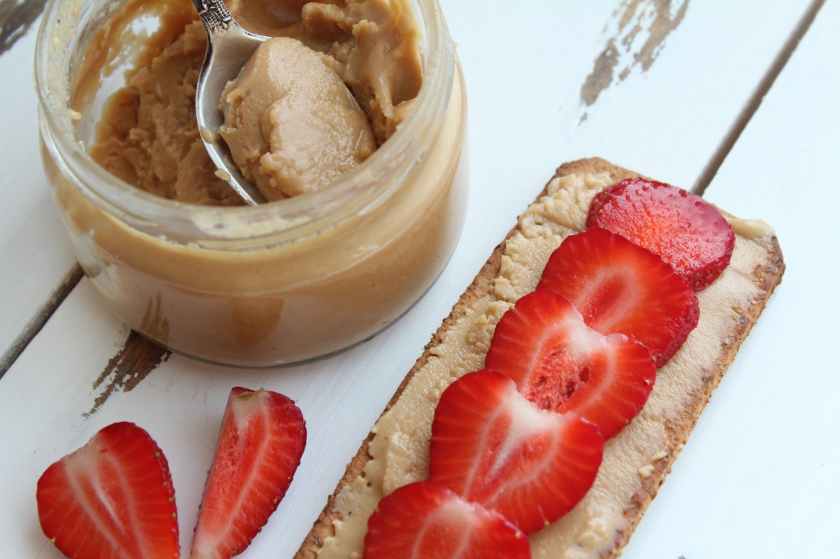
Layer each bread slice with two tablespoons of Peanut butter. The forerunner of the peanut butter of today was when a St. Louis physician, Dr. Ambrose Straub had made a peanut paste for geriatric patients who had trouble swallowing or had bad teeth (1880s). Around the same time, Dr. John Harvey Kellogg ( of the cereal fame) was the first to patent a process for manufacturing peanut butter. Post the Chicago World Fair (1983), where the peanut butter was first introduced and the St. Louis World Fair (1904) when Dr Straub had got a food company to develop the peanut spread further; their popularity rose high with grocery stores stocking up on peanut butter. Upscale tea rooms of New York City, peanut butter appeared as delicacies with watercress, sandwiches, on toasted triangles with soda crackers as well.

Then add two tablespoons of the iconic “strawberry Jelly” to the peanut butter layered bread slices, merge them and enjoy. The development of the jelly (although it has been around for a long time), in the case of this quintessential American PB&J sandwich can be credited to Paul Welch. He had secured a patent (1917) for pureeing grapes and turning them into jelly which he had developed and advertised as Grapelade. This was popular with America’s troops in WWI, who had brought the trend of Grapelade spread on bread, back to their homes after the war.

The first peanut butter and jelly sandwich recipe appeared in the Boston Cooking School Magazine of Culinary Science and Domestic Economics (1901) written by Julia Davis Chandler. The recipe had advised to use currant or crab-apple jelly with the combination being delicious and as far as known then, original.

With creamier peanut butter (doesn’t stick to the palate) being made, Grapelade and pre-sliced bread becoming popular, the PB&J slowly gained popularity. During the Great Depression of 1930s, families discovered that peanut butter had provided a less expensive but satisfying high protein substitute. Yet the major breakthrough came when this was included in the US Military ration menus of World War II. With peanut butter being high-protein, shelf-stable and easily portable; grape-lade on its’ second trip with the soldiers and pre-sliced bread readily available; the combination of the three became a part of the American soldier’s life.

When the soldiers came home from the war, the PB&J sandwich scored with the families. With the great taste and easy to make, both the young and the old loved it, especially when budgets were tight and the times were difficult.

“Everyone has the talent to some degree: even making a peanut butter and jelly sandwich, you know whether it tastes better to you with raspberry jam or grape jelly; on chewy pumpernickel or white toast.” Anna D. Shapiro

Today a wide variety of mix ups and combinations have been seen across globally, with honey or sliced fruit substituted for the jelly component or the transition to “almond butter and jelly” (AB&J) sandwiches. With marshmallow fluff being substituted for the jelly, or added for extra flavor; the “fluffernutter” sandwich is created. Cream cheese substituted for the peanut butter ( a cream cheese and jelly sandwich) or Nutella (possible substitute for one of the spreads) with PB or Jelly are other common variants.

Slight changes can be made to the original recipe by using an artisan bread and heating it in butter, which melts the peanut butter and jelly; creating a crispy, buttery crust on the bread similar to when cooking grilled cheese. White or brown bread alternatives include rye, whole grain or sourdough bread. One other popular variant of “PB&J” sandwich is “the peanut butter and Lucy banana sandwich” or peanut butter, banana and bacon sandwich,known as an Elvis sandwich or simply the Elvis, consists of toasted bread slices with peanut butter, sliced or mashed banana, and sometimes bacon. Honey is seen in some variations of the sandwich as well alternative fillings of sweet potato, carrots, pumpkin, and apples. The sandwich is frequently cooked in a pan or on a griddle, served hot. Additionally the PB&J can be added to pancakes, crepes and even french toast.

Like these combinations, many more are being made with creative cooking on the rise. Just like variety adds the spice to life, jelly up with peanut butter on this day as foodimentarians celebrate “Peanut butter and Jelly” Day today (April 2nd). Mix, match ad spice it up for a quick break from the routine cooking with both kids and family enjoying the break from the routines or predictability the day.

Posted in Daily, Food

Frozen to Last

One of the most common areas in the food mart where there is a constant flow of shoppers and at times, we do have to shove to get a leg space in between is near the frozen section. And if they are special offers then, its’ a constant rush of buyers checking the expiration dates with the discount offers.

Frozen foods have been in the system for quite some time. From the very early days of using simple techniques like crushed snow and ice for storage and the development of refrigerants, mechanical freezers to modern cryogenic or flash freezing techniques. Weighing the advantages and the demerits, certain foods are best frozen and especially to get the exotic vegetables, fruits, meat and desserts; freezing them is the option. Health wise, frozen foods aren’t dangerous once when we debunk the myths and get the facts and science straightened out.

” I’m obsessed with frozen yogurt because you don’t feel totally guilty eating it. It’s not as bad as ice cream, and during the hot summer months, it’s a great way to just refresh.” Caroline Sunshine

On buying frozen foods, fruits or vegetables; check the expiration dates. Technically these dates are given so as to recycle their use as well as to maintain their quality. Safety wise, unless the thawing process is wrong; generally frozen foods don’t get contaminated as long as the temperature requirements and settings are maintained.

Nutritionally speaking, fresh local produce is always better. Yet for recipes calling for the exotic ingredients, desserts or meat imported; frozen foods don’t lack the nutritional quality as long as the cold chain is maintained.

Thawed food once handled can be safe to refreeze as long as its’ been thawed in the fridge and not on the counter. Thawing frozen foods should never be done on the counter as it becomes a microbial plate then. Instead thaw it in the fridge compartment (from the freezer) or put it in cold water and change the water every half hour (USDA Recommendation). The shortcut technique of running hot water over frozen food could cause uneven cooking of the ingredients, in addition to safety issues.

After buying frozen foods, putting them directly in the freezer isn’t advisable as the air holes in the containers can deteriorate their taste and quality. Instead re-wrap the meat or fruits and vegetables (best to blanch the vegetables first) into air tight units pushing the maximum air out first. Quality wise, frozen foods have to be checked for added sodium; while frozen foods have to be nutritionally balanced with add on’s or side dishes for a balanced diet.

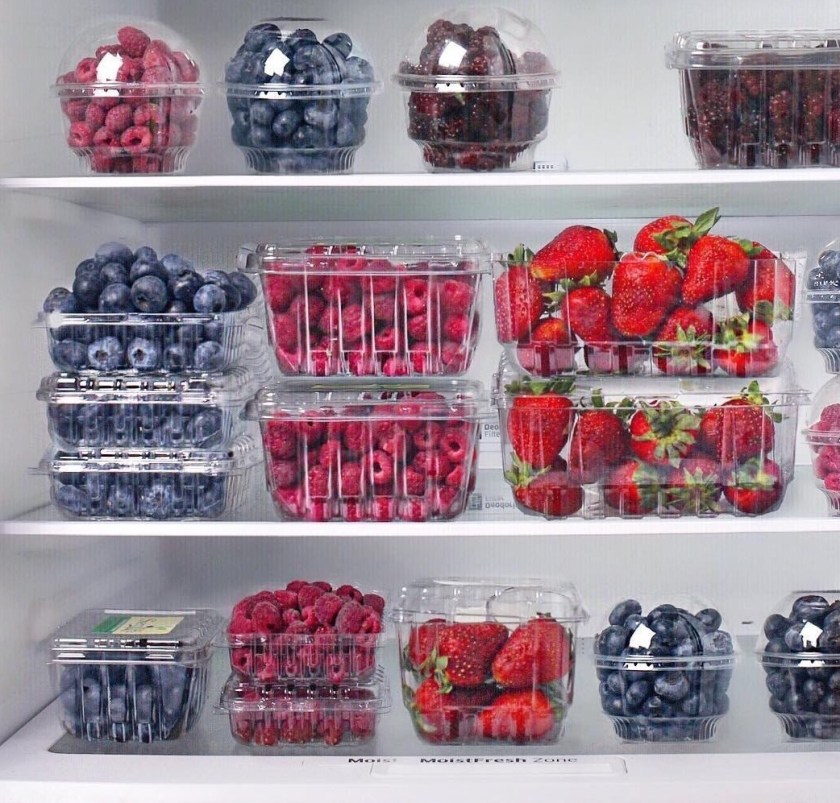
Frozen foods, on the whole isn’t a bad option to indulge in when required, as long as one maintains the temperature or cold chain and hygiene while handling them. For strawberries in winter, would give a pleasant surprise for the meal; besides enhancing the taste buds and flavouring the meal.