Posted in Daily, Food, Stories Around the World

“Grill or Barbecue” Summer

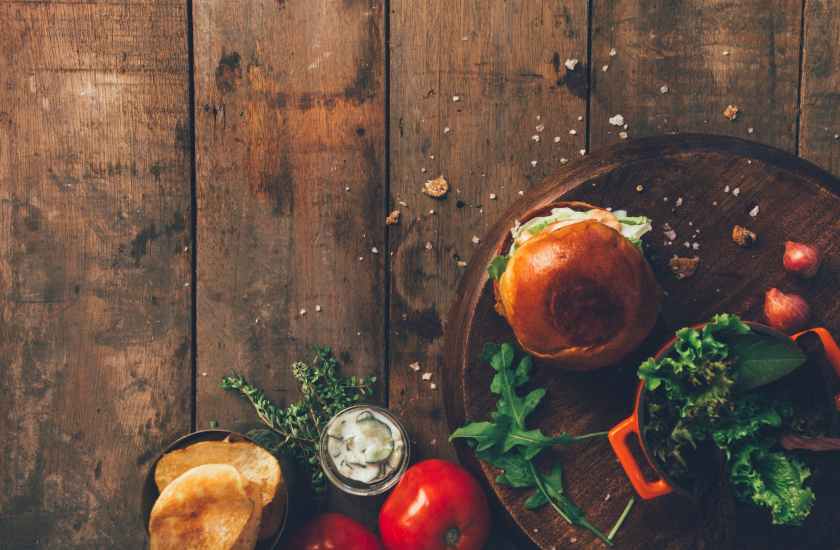
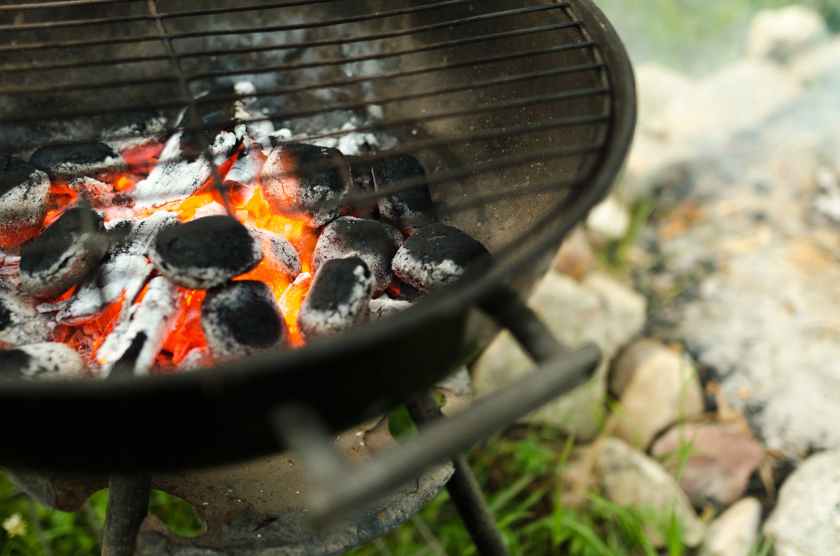
With the scent of summer and warm weather, there’s nothing more fun than having an outdoor cooking session. Open space, vegetables and meat or fish with lots of sauces, condiments, rice as well as firewood or outdoor grills and everyone is getting set for the weekend family cookout. Interestingly one may be naturally guess that the concept of outdoor cooking has been there since the time of the prehistoric man. While in the early years, it was more of a necessity than leisure; over time it became an occasion for gatherings, mass cooking as well as festive or season celebrations.

“If summer had one defining scent, it’d definitely be the smell of barbecue.” Katie Lee

Contrary to popular notion, grilling and barbecue aren’t the same. The initial years had seen majority of outdoor or open fire cooking where in the art of getting vegetables and meat well done were perfected. Slowly there were distinct methods and styles as well as flavours of getting food well done over fire were learnt and modified, like smoking, roasting or baking, braising and grilling. While these may be largely encompassed under the banner of barbecue, there subtle distinctions by the manner each is done. Each technique by which it is named so involves cooking using smoke at low temperatures and the duration of cooking hours from few to several. While baking uses an oven to convection cook with moderate temperatures for an average cooking time of about an hour; braising combines direct, dry heat charbroiling on a ribbed surface with a broth-filled pot for moist heat. Grilling is done over direct, dry heat, usually over a hot fire for a few minutes. Technically barbecue is a method as well as an apparatus for cooking meat, poultry and occasionally fish with the heat and hot smoke of fire, smoking wood or hot coals of charcoal.

“There are two different things: there’s grilling, and there’s barbecue. Grilling is when people say, ‘We’re going to turn up the heat, make it really hot and sear a steak, sear a burger, cook a chicken.’ Barbecue is going low and slow.” Guy Fieri

Since the pre-colonization era, grilling had existed in the Americas. However, the origin of the term “barbecue” can’t be exactly determined. The earliest records were that when the Spanish, upon landing in the Caribbean, had seen the natives like the Arawak people of South America or the Caribbean Taino Indians (accounts vary) who had a method of slow-cooking meat over a wooden (or green sticks) structure known as “barbacoa” in Spanish. For centuries, the term barbacoa referred to the wooden structure and not the act of grilling, but it was eventually modified to “barbecue”.

As per the records of the earliest English tales of barbecue as written by Edward Ward ( 18th century) in his travel accounts, “The Barbacue Feast: or, the three pigs of Peckham, broil’d under an apple-tree.” As per his story, the social aspects of “cooking food over fire” for several hours while enjoying the evening was a new and noteworthy experience. Later on this techniques had caught on and with the spread of colonies, civil wars and later, as festive or celebratory occasions, the technique, art, style and precision of cooking by “barbecue” were perfect and made into an enjoyable social as well as family occasion.

“Cooking and eating food outdoors makes it taste infinitely better than the same meal prepared and consumed indoors.” Fennel Hudson

Across the globe, similar techniques were being practiced like the Korean barbecue features thin slices of beef or pork cooked and served with rice, Argentinian “asado” or marinade-free meat cooked in a smokeless pit and the Indian “tandoor” cooking. The “tandoor” is a large pot, typically buried in the ground up to its neck with hot coals added to the bottom. Made of ceramic, the Tandoor holds in the heat and focuses it on the food cooked inside. With the “true barbecue” has evolved into its’ distinct style over the years; summer evenings and holidays turned into occasions of fun, beating the heat and humid season. With a range of styles from open pit or fire cooking to grills or barbecue, outdoor cooking of summer is indeed an experience to try as well as appreciate.

Posted in Daily, Food

“Quiche” on the Menu

Fill the pastry crust with cheese, tomatoes, egg custard and smoked meat or mushrooms or any ingredient by choice, bake it without covering the pastry and viola’ the “homemade quiche’ ” is ready for the get-together with the extended family, friends, colleagues, neighbours or for a quiet light meal for two.

This savoury open flan consisting of pastry crust filled with eggs, milk or cream with cheese, meat, seafood or vegetables, quiche is one of the popular dishes of the French cuisine which has reached over to various parts and countries of the world albeit with or without modifications.

While the word “quiche” was first attested in French (1805) and the first English usage as “quiche Lorraine” was recorded in the Indiana Evening Gazette in 1925; the origins of this dish may be traced to the German roots. For the word “quiche” may originate from the German “Kuchen” meaning “cake” or “tart”. Food historians have traced the roots of “quiche” to the medieval kingdom of Lothringen, under German rule, which the French later renamed as Lorraine.

Although this may be debatable as using eggs and cream in pastry was practiced in most cuisines as early as the 13th century. In fact the ” Forme of Cury” and the “Italian Libro de arte coquinaria” of the 13th and 14th century cookbooks have references of recipes known as ” Crustardes of flesh” or ” Crustade” which spell out steps for eggs and cream baked in pastry containing meat, fish and fruit. Since then, these recipes have caught on.

“I do not like a quiche with wet, undercooked pastry underneath, and that is that.” Mary Berry

Quiche can be made with a variety of ingredients with the variants often named descriptively in French like the quiche au fromage ( with cheese), quiche aux champignons (with mushrooms) or conventionally like florentine (spinach) and provençale (tomatoes) to list a few. Although there are many variants of quiche, one of the most popular and famous one is the ” Quiche Lorraine”, which has its’ own National Day as per the foodimentarians ( May 20th).

The authentic Quiche Lorraine originated from the German culture in which the “quiche” was an egg custard pie baked in a brioche pastry (and not in the typical French pie dough). Over the years this recipe had evolved into its’ classical form containing heavy cream, eggs and bacon or chopped ham, but no cheese. This mouth-watering wintry dish is baked until the pastry crust is browning. It can be served as a starter with a dressed crisp salad or as a brunch dish, often enjoyed at room temperature or little warm to keep the pie still crunchy. While the most popular Quiche recipe, includes French soft cheese (emmenthal or gruyere); many modern variations like the Alsatian-style including onions to modern versions with goat cheese, salmon, leek or even broccoli are made today.

So for a quick change from the regular, trying this simple recipe after a busy day may be fun. For the lack of ovens, this dish works fine on cooking with “instant pot” or ” by double boiling” techniques too . As often said, cooking is all about ” experimentation, cuisine mixing with modifications keeping it simple, tasty and artsy as well as fun”.

Posted in Daily, Food, Stories Around the World

Of Origin and Evolution…”Soufflé”

“You can’t make a souffle rise twice.” Alice Roosevelt Longworth

One of the main dishes that declares one’s success in the kitchen is the “souffle'”. Although records have traced its’ appearance to the early eighteenth century in France, soufflés may have been around ever since flour, milk, eggs and butter have been whipped up into different concoctions to please the palate. Essentially a soufflé is a baked egg-based dish made with egg yolks and beaten egg whites combined with various other ingredients and served as a savory main dish or sweetened as a dessert. “Soufflé” is the past participle of the French verb souffler which means “to blow”, “to breathe”, “to inflate” or “to puff”.


While, few food historians state that the first appearance is by the French master cook Vincent de la Chappelle in the early 1700s; the popularization of souffle perfected to an art was credited to the French chef, Marie-Antoine Carême, who was “a product of post-revolutionary Paris.” As per Antoine Beauvilliers, who is credited with the “first grand restaurant of Paris, had described the soufflé in “The Art of the Cook” (L’Art du Cuisinier, 1814) as,

“Put in the size of an egg of good butter, a little nutmeg and the yolks of four fresh eggs, the white of which must be whipped apart as for biscuit; mix them by little and little into the puree though hot, mix all well, and pour it into a silver dish or paper mould, put it in the oven. When the soufflé is well risen, touch it lightly, if it resist a little it is enough; it must be served immediately, as it is apt to fall.”

Baked in individual ramekins or typical dishes, soufflés are typically prepared from two basic components; the base as a flavored crème pâtissière, cream sauce (or béchamel) or a purée and the egg whites beaten to a soft peak. While the base provides the flavor, the egg whites provide the “lift” or puffiness to the dish. The base can be flavored with varied ingredients including herbs, cheese and vegetables for savory varieties or jam, fruits, berries,chocolate, banana or lemons and the like, for dessert soufflés. In fact, the savory soufflés can incorporate poultry, bacon, ham or seafood for a more substantial dish.

“The only thing that will make a souffle fall is if it knows you’re afraid of it.” James Beard


One of the main defaults while preparing a souffle’ is when it fails to rise. Yet as most chefs will say, one thing to keep in mind in soufflé preparation is that it really doesn’t matter how high the bubbly mixture poufs up while it bakes as long as the ingredients hidden inside should taste heavenly and cloud-like.

“If a dish doesn’t turn out right, change the name and don’t bat an eyelid. A fallen souffle is only a risen omelette. It depends on the self-confidence with which you present it.” Lionel Blue

For avid movie watchers as well as fans of the movies of the black and white era, one may have seen “Sabrina”, the 1954 film starring Audrey Hepburn. One of the scenes is where Hepburn is humiliated at the Parisian culinary school when the master chef humiliates her (and almost everyone) and critiqued their failed efforts at soufflé from “Too low; too high; too heavy; sloppy”. Hepburn sighs to her French baron friend (whose soufflé is perfect) “I don’t know what happened.”
He explains to her that she forgot to turn on her oven. “Your mind has not been on the cooking,” he says. “It has been elsewhere. A woman happy in love, she burns the soufflé. A woman unhappy in love she forgets to turn on the oven.”

While “the fallen soufflés” may be depicted in cartoons, comedies and children’s programs as a source of humor; the process of making it will be easy and fun if one learns to proportionate the ingredients and time the baking right. As they always say “Practice makes perfect”, trying a souffle’ for the National Cheese Souffle’ (May 18th) or Chocolate Souffle’ (February 28th) Day would be a first step towards mastering this art. If not to master, then at least experimenting to make one can result in some “kitchen fun” and good use of leftovers; or simple have and enjoy the “heavenly and light as air” experience.


Posted in Daily, Food

Hummus: From “Then” to “Now”

From parties to the routine meals or for the dieters as well as snack food for the cravings time after work or before the ” big meal”, this dip has been popular across the world. Little wonder then that with International Hummus Day ( May 13th) gone by, one mayn’t know enough about this dip.

Known as “Hummus” or “hummus bi tahini”, this Levantine dip or spread, is made from cooked or mashed chickpeas or other beans, blended with tahini, olive oil, lemon juice, salt and garlic. The word “Hummus” comes from the Arabic word meaning “chickpeas”. However likely from the Greek origins, hummus a part of the local cuisine in both Turkish Cypriot and Greek Cypriot communities, it is known as “humoi” . While originally placed in the Middle East and Mediterranean cuisine, today it has been featured in many local cuisine and recipes around the globe.

While there are a number of different theories and claims of origins in various parts of the Middle East and the Mediterranean, there is insufficient evidence to determine the exact or precise details. The basic ingredients of chickpeas, sesame, lemon, and garlic have been combined and eaten in their local cuisine over centuries. While some food historians believe that variations of this recipe were there during the ancient Egyptian civilizations where then chickpeas were widely eaten as cooked in stews and other hot dishes; they had also been a part of the Greek cuisine and cooking. However records of pureed chickpeas eaten cold with tahini do not appear before the Abbasid period in Egypt and the Levant.

Cookbooks of 13th century Cairo record recipes for dish resembling hummus bi tahina; like the recipe of a cold puree of chickpeas with vinegar and pickled lemons with herbs, spices, and oil, but no tahini or garlic.  Over the years variations exists in the amount of ingredients of the beans, chickpeas pureed as well as mixing of vinegar or olive oil, tahini as well as different spices, herbs or nuts, with or without garlic; made or served by rolling it out and letting it sit overnight. With trade playing a significant role in the spread and share of cuisines, hummus may be one among the numerous foods that had crossed over during the historical periods across the Middle East and the Mediterranean.

Being used as an appetizer or dip, or served with meals; hummus can be had in an numerous ways. It can be scooped with flatbread, such as pita or served as part of a meze (selection of appetizers) or as an accompaniment to falafel, grilled chicken, fish or eggplant as well as with tortilla chips or crackers. Hummus can be garnished with numerous available ingredients like chopped tomato, cucumber, coriander, parsley, caramelized onions, sautéed mushrooms, whole chickpeas, olive oil, hard-boiled eggs, paprika, sumac, olives, pickles and pine nuts. It can also be topped by a mixture of fava beans or can be made with yogurt, butter and topped with pieces of toasted bread ( Jordan and Palestine areas).

There are many variations to the preparation of “hummus” with the various changes of civilizations, culture mixing as well as immigration. Variations like hummus with fried eggplant and boiled eggs, as a chickpea soup or hummus with traditional skhug hot sauce to name a few, are popular in their locale areas. Of recent, African cuisine have brought specialties such as Sudanese Hummus Darfur with eggs, tomatoes, and grated cheese. Many restaurants offer varieties of warm hummus which may be served as chick peas softened with baking soda along with garlic, olive oil, cumin and tahini or as “msabbaha” made of whole chick peas garnishing the tahini (lemon spiked) with a drizzle of olive oil and sprinkling of paprika.

With hummus being gluten free, nut-free, dairy free as well as a perfect spread or dip for snacks, fresh fruits, bread, meat, pita chips and the like; it has gained widespread acceptance across many cultures and cuisines as well for the weight watchers, medical reasons or just for its’ own unique taste and blend. Making hummus isn’t just a work of ingredients but also of art and creativity. With its’ quick and easy preparation with locally available ingredients; “hummus” is something that everyone should try at least once in a lifetime.

Posted in Daily, Food, Stories Around the World

“Hoagie” from Scratch

“I love a sandwich that you can barely fit in your mouth because there’s so much stuff on it. The bread should not be the main thing on a sandwich.” Adrianne Palicki

Little did John Montagu, the fourth Earl of Sandwich (1718-92) realize that his “sandwich” invention would become even bigger, longer and filled up with more varieties than before. Known popularly by the name of sub, hoagie, hero, grinder or Italian sandwich, the “submarine sandwich” has become one of the fastest growing sandwiches, adapted by many into a complete meal for the busy days or a healthier diet. Consisting of a length of bread or roll split lengthwise, filled with a variety of meats, cheeses, vegetables and condiments, this sandwich has no standardized name and has a dozen varieties and combinations globally. In fact those submarine sandwiches longer in length or filled with greater quantities of ingredients than usual, are known as battleship, flattop or destroyer sandwiches.

This sandwich is believed to have originated in the various Italian American communities from the late 19th to mid-20th centuries. The most widespread term of term “submarine” or “sub” is believed to have been after the resemblance of the roll to the shape of a submarine. Various theories have been put forward to the origin of the name. While one theory states that “the submarine” was brought by Dominic Conti (1874–1954), an Italian immigrant who came to New York (1900s) named it after seeing the recovered 1901 submarine called Fenian Ram in the Paterson Museum of New Jersey in 1928.

As per his granddaughter had accounted : “My grandfather came to this country circa 1895 from Montella, Italy. Around 1910, he started his grocery store, called Dominic Conti’s Grocery Store, on Mill Street in Paterson, New Jersey where he was selling the traditional Italian sandwiches. His sandwiches were made from a recipe he brought with him from Italy, which consisted of a long crust roll, filled with cold cuts, topped with lettuce, tomatoes, peppers, onions, oil, vinegar, Italian herbs and spices, salt, and pepper. The sandwich started with a layer of cheese and ended with a layer of cheese (this was so the bread wouldn’t get soggy).”

Eventually while the “submarine” had caught on; it would seem that the “hoagie” was already in vogue. Originating in the World War I era shipyard in Philadelphia known as Hog Island, where emergency shipping was produced for the war effort; Italians working there introduced the sandwich by putting various meats, cheeses, and lettuce between two slices of bread. This later was known as the “Hog Island” sandwich; shortened to “Hoggies”, then the “hoagie”.

“It’s like making a sandwich. I start with the bread and the meat. That’s the architecture. Add some cheese, lettuce and tomato. That’s character development and polishing. Then, the fun part. All the little historical details and the slang and the humor is the mayonnaise. I go back and slather that shit everywhere. The mayo is the best part. I’m a bit messy with the mayo.” Laini Giles

However, the Philadelphia Almanac and Citizen’s Manual states attributed this creation to the early-twentieth-century street vendors called “hokey-pokey men”. They had sold antipasto salad, meats, cookies and buns with a cut in them. When bakeries produced a long loaf called the pinafore(1879); Entrepreneurial “hokey-pokey men” sliced the loaf in half, stuffed it with antipasto salad, and sold the world’s first “hoagie”. Whereas another explanation is that the word “hoagie” arose in the late 19th to early 20th century, among the Italian immigrant community in South Philadelphia. Deli owners would give away scraps of cheeses and meats in an Italian bread-roll known as a “hokie”, but pronounced by the Italian immigrants as “hoagie”. After the WWII, the term “hoagie” had caught on and stayed.

There are numerous variants of these “submarine sandwiches” which have been named so based on the mix of ingredients or bread type like the New York “Hero”, New England “grinder” (a hot submarine sandwich (meatball; sausage; etc.) or a oven toasted hoagie) or Gatsby of Cape Town, South Africa. Come by whichever name, “submarine” or “hoagies” are here to stay. With National Hoagie Day (May 5th), it would be a time for some food fun.

Posted in Daily, Food

“Raisin” It Up

“Inject a few raisins of conversation into the tasteless dough of existence.” O. Henry

Being simply dried sweet grapes, raisins were the second in choice as a sweetener till the medieval times with honey being the top choice. The majority of the world’s supply of raisins comes from California, dried from Thompson seedless (95 percent), muscadine, or Black Corinth (Zante) grapes. Other main producers of Mosctael grapes are the USA, Turkey, Greece and Australia.

Originating from the Latin Racemus, from the ancient times raisins were in use. As evidence from history shows, raisins were an accidental discovery when they were found dried on the vines as early as 2000BC. The ancient Phoenicians and Armenians had taken the first steps in perfecting viticulture, the process of grape growing and selection.

While the Phoenicians started colonial vineyards in the areas of Malaga and Valencia of Spain and in Corinth (Greece)around 120-900BC; the Armenians founded their vineyards in Persia. These high yield growing areas had the perfect climate for making raisins and were also close to Greece and Rome, the first markets for raisins. Muscat raisins (over-sized with seeds and of fruity full flavor) were the primary crop in Malaga and Valencia. Corinth had grown the “Currants” which were tiny seedless, tangy raisins, where historians believe they got their name.

As the Phoenicians and Armenians began to trade raisins with the Greeks and the Romans who consumed them in large quantities; their popularity grew as well as their value. From being given as prizes to barter to trade or cure for ailments; raisins were always in demand. Raisins were a part of Hannibal’s troops rations when he had crossed the Alps.

“Raisins are a thing that lasts, they come in small boxes, and you always feel like eating raisins, even at six in the morning. A raisin is always an appropriate snack.” Fran Lebowitz

Although in popular demand, it wasn’t until the 11th century that raisins were seen in Europe. One of the reasons were the difficulty in maintaining the quality of the raisins for the long travel. By the 11th century, with improved packing and shipping techniques as well knights returning home from the crusades bringing back raisins with them, a huge market and demand was created.

By mid-14th century, the English cuisine included raisins and currants as it’s integral parts. As viticulture spread to France and Germany, grapes and raisins had entered the European cuisine spreading over to their colonial conquests. As viticulture had been perfected in Spain, grapes were being used to make products such as dry table wine, sweet dessert wines and Muscat raisins. With the colonization of the Americas and Mexico of today, their knowledge of viticulture had followed them there. By the 18th century, the Franciscan fathers had settled as far north as present-day Sonoma, California. Viticulture and its strong influence on California agriculture, was one of the enduring legacies left behind by the colonial rule. With the seedless grape variety (thin-skinned, seedless, sweet and tasty) being grown by the English immigrant William Thompson, newer variants of the products were created. By the late 1800s, once the Armenians (descended from the first founders of vineyards in Persia) began settling in the San Joaquin Valley, viticulture had progressed in California with supplies for raisins to nearly half the world, making it the largest producer anywhere.

“The wrinklier the raisin, the sweeter the fruit.” Alan Tudyk

Like most dried fruits, raisins can add the flavour to most recipes, ranging from the breakfast menu to elaborate meals as well as desserts. While buying raisins, their freshness can be determined by the containers being squeezable less hard and less rattling when shaken. Being blanched or plumped up (soak in hot water), sliced or chopped, added midway or at the end; the mode of introducing them into the recipes alters the flavours of the cooking giving a different effect at each step. Their popularity is marked by April holding two raisin days as National Raisin & Spice Bar Day (April 5th) and National Raisin Day (April 30th) celebrated by foodimentarians. Either way, into recipes or had directly, raisins spruce up the meal, both for the palate and nutrition wise.

“My indulgences are Skittles and rum raisin ice cream.” Sanya Richards-Ross

Posted in Daily, Food, Stories Around the World

Of Empanada, Origin and Evolution

“If you were a Colombian, you would have your version of an empanada. If you are an Argentinean, you might find a dough that’s baked and has a butter sheen on it. And then in Ecuador, you’ll find more crispy-fried empanadas. So, yeah, every culture has their own version of empanadas.” Jose Garces

Derived from the Spanish verb “empanar” which translates to “wrap in bread”, these fried or baked pastries stuffed with sweet or savoury filling, known as empanadas have enjoyed widespread global popularity. Across the Caribbean, Latin America, Portugal, Spain, Italy to as far as Philippines; this dish has its’ own local blends that make it delectable and adaptable to every local cuisine.

“You are the olive in my empanada.” Brazilian Saying

Originally believed to be from Galicia, Spain; the empanadas of today may have been the brainchild of the Moors who had occupied Spain for hundreds of years. The idea of wrapping a hardy filling in pastry dough had led to this little delight. Fillings including seafood have been documented in a cookbook published in Catalan, Spain (1520). With the spread of civilization, trade as well as colonization, this savoury delight had travelled around the world. In fact the first empanadas in Western Hemisphere are credited to Argentina with the US celebrating the National Empanada Day on April 8th. While empanadas are a traditional Christmas treat in New Mexico, they’re known as creoles(southwest and south) or as fried pies (southeast) depending on the locality.

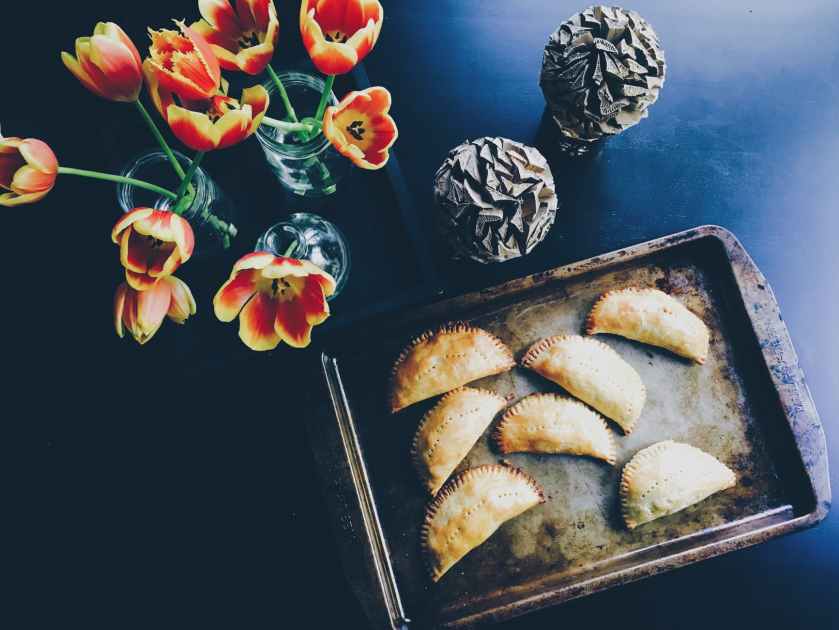
Similar to cut-up pies, empanadas are typically savoury often filled with cod fish or chicken. They are made by folding a disc of thinly rolled dough over the filling into a semicircle and then crimping the edges to seal it. The dough is often made with wheat flour, but can be substituted by corn flour, cornmenal, plantain or potato base, depending on the locally available ingredients. The content of the dough varies on whether the empanadas are to be baked or fried. The art of to make a perfect empanada is to hold the dough spread open, in one hand; while using the other hand to fill it and to crimp the edges. Homemade sweet varients of the empanadas are present in many local cuisines. For instance, the Gujiya is a traditional Indian crescent shaped dessert, similar like a sweet empanada.

There have been various variations similar to empanadas. Catibías, similar to empanadas are made with cassava flour dough with common fillings include ground beef, chicken, guava, and cheese. Pastelitos are similar to empanadas, too, but they’re made with a lighter pastry dough and they can be either baked or fried.

Travelling across the various countries, the ‘Mpanatigghi of Modica (half moon-shaped panzarotti filled with a mixture of almonds, walnuts, chocolate, sugar, cinnamon, cloves and minced beef), meat empanadas (“de pino”) of Chile , panades of Belize and so on, have been the varied presentations of the empanadas. Certain eateries in order to distinguish the varieties, develop a pattern on the pastry fold, crimping style of the edges or burn a letter(an abbreviated indication of the filling) into the dough.

Either way, one of the most easiest delights to be made for a novice cook, are empanadas which serve as quick bites, starters, breakfast, desserts or even for brunches to lunches.

“Don’t be afraid to adapt new ingredients into your own techniques, and traditional ingredients into new recipes.” Jose Garces