Posted in Food, Stories Around the World

Of Iced, Sweet and Tannin

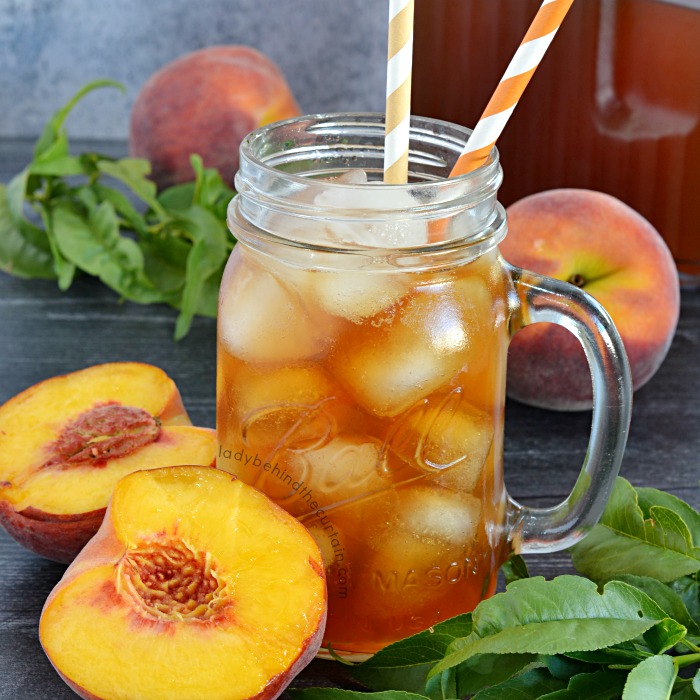
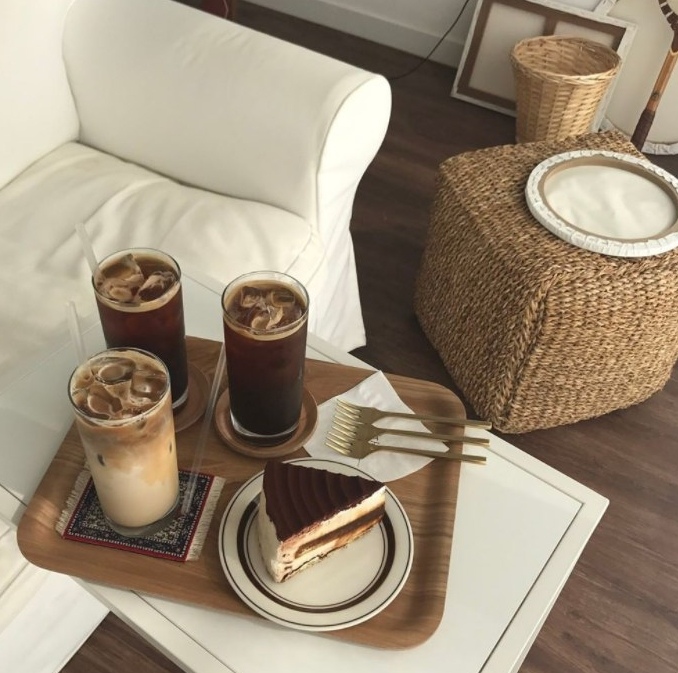
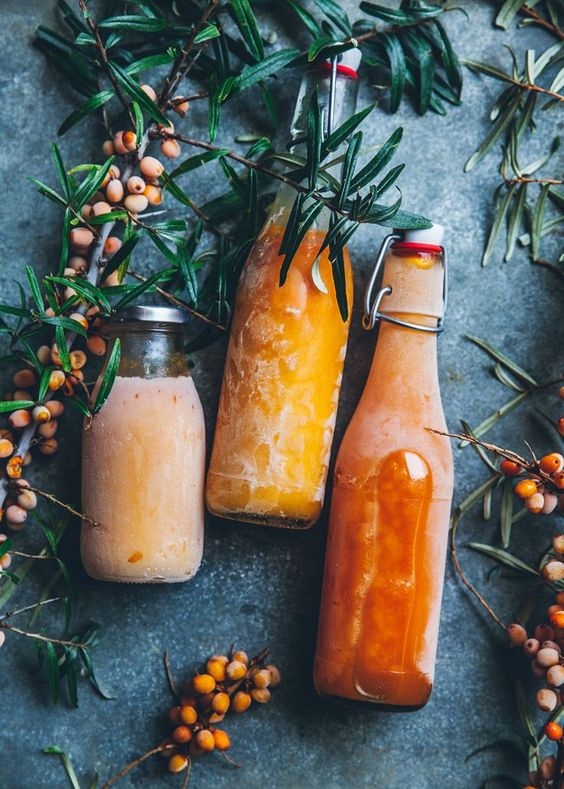
Approaching the mid-rays of the summer, there is something about the lure of a sip from the chilled glass. Whether the drink be of the canned variety, or the iced feel of Java or the lighter tones of crushed infused leaves, that sip brings out a volume of emotions from within. The best part is the memories of childhood that come along with it. Also the fact that one can switch from the java to tannins anytime, with each recipe being different with every make, results in one reaching out for that glass. Learning the stories behind the iced tea, opens a whole new chapter in the kitchen experimentation.

Surprisingly iced tea was initially made as a medicinal drink. As the drink gained popularity beyond this, varied experimentation with different herbs and varieties of tea leaves were tried. With the combination of ice, tea and sugar doing wonders, the slow evolution of sweet tea began; though it was more of an item of luxury during the initial period. Tracing back to late 1870s wherein the oldest known recipe for sweet iced tea was published, the base was of green tea as the latter was the most popular tea leaves being used then. With the WWII and the availability of only black tea in the market; flavours were switched and then on it just stayed.

[1861]
“Balm and Burrage Tea
These, as well as all other medicinal herbs, may easily be cultivated in a corner of your garden…Take a balm and burrage a small handful each, put this into a jug, pour in upon the herbs a quart of boiling water, allow the tea to stand for ten minutes, and then strain it off into another jug, and let it become cold. This cooling drink is recommended as a beverage for persons whose system has become heated for any cause.” —A Plain Cookery Book for the Working Classes, Charles Elme Francatelli, London [1861] (p. 92) [Note: Mr. Francatelli was the head chef for Queen Victoria. He is often credited for introducing many popular Victorian food dishes and trends.]
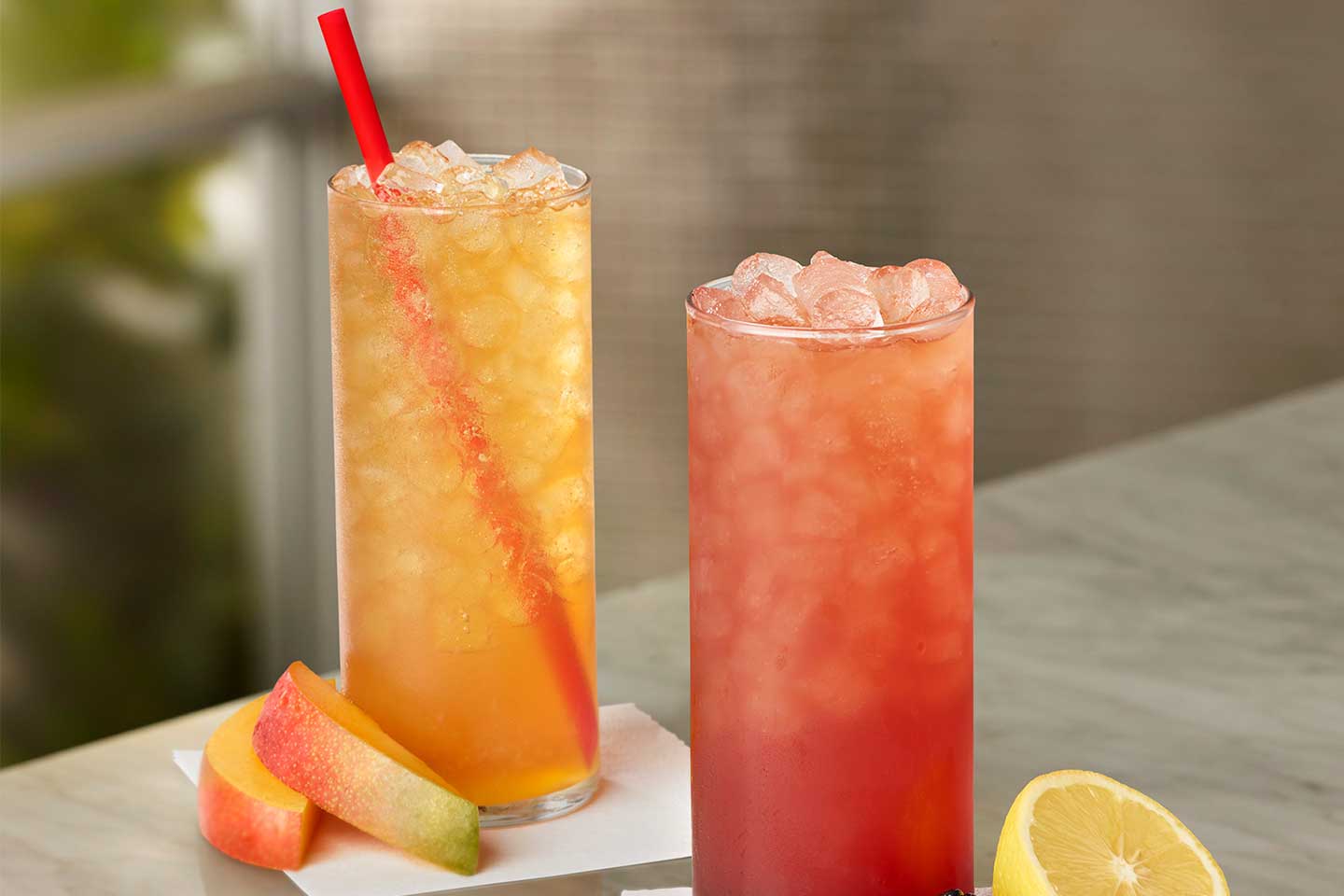
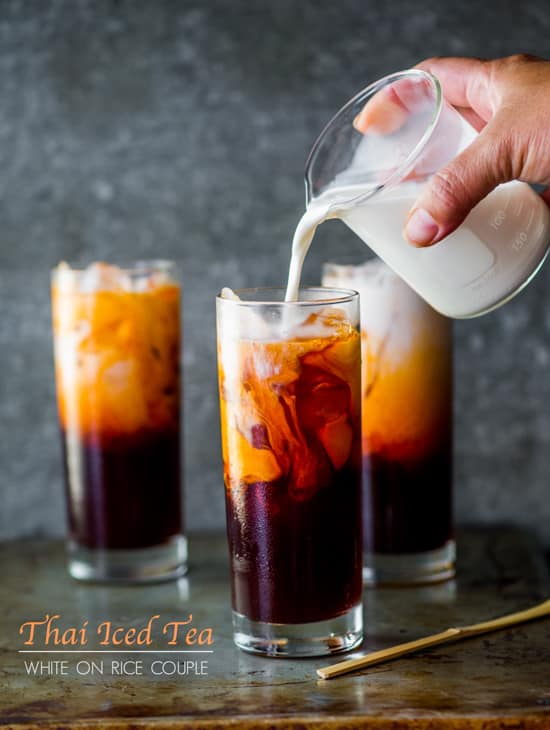
Graduating from the simple iced tea, one of the cultural iced teas which may be tried at the home kitchen is the Thai Iced tea. Also known as “cha yen”, this drink is made from strongly brewed black tea, laced with condensed milk and sugar and served chilled. To give the creamy taste and look, evaporated milk, coconut milk or even whole milk may be poured over the iced tea For the “cha dem ya” (Dark Thai iced tea) the milk is out and the iced tea is sweetened with sugar alone. To get the “cha manao” (Lime Thai iced tea), the flavourings of lime and ice maybe added..

“Unlike water or wine or even Coca-Cola, sweet tea means something. It is a tell, a tradition. Sweet tea isn’t a drink, really. It’s culture in a glass.” Allison Glock

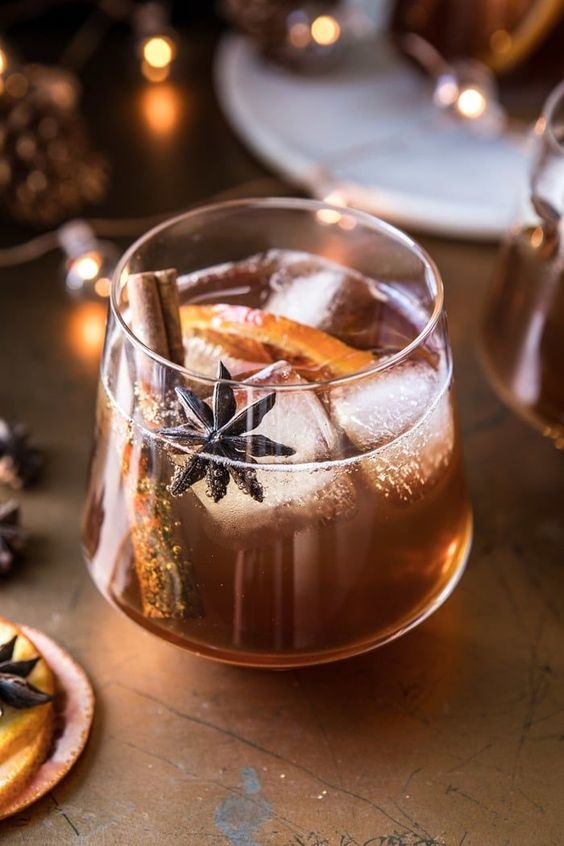
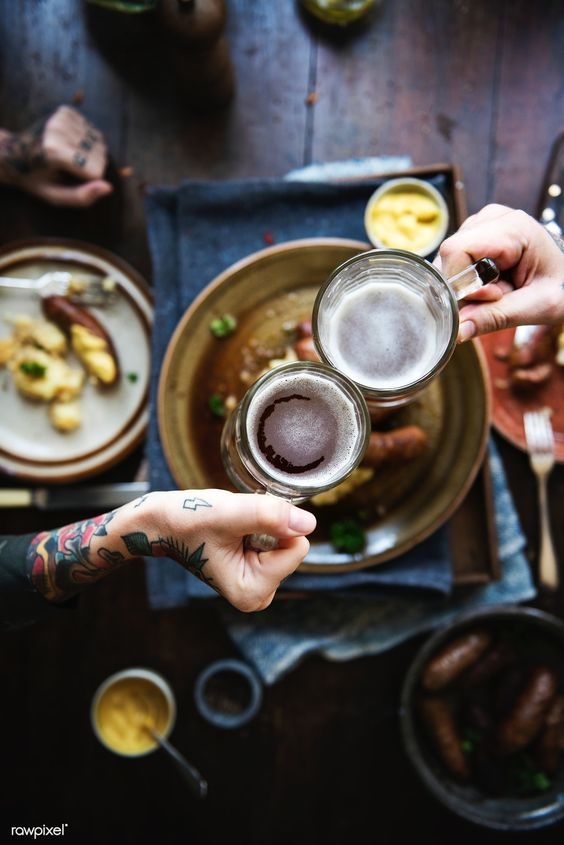
To get a kick in the evening hours, sweet iced tea can be had as a punch mixed with liquor with a dash of cream and mint julep for the flavour. Or one could try out he Tortuga cocktail, home to the Haitian island Tortuga. Made primarily from iced tea sweetened with brown sugar, it is garnished by cinnamon and a lime wedge. Though an alternate recipe of the Tortuga cocktail involves Cuban rum, curacao and creme de cacao for an additional flavour.

With each blend having a story of own to be told; trying out different varieties brings various cultures across the globe to the kitchen. Little wonder why then, there are two pitchers kept chilled, round the clock. With a new twist to the old known recipes, that pitcher is always a welcome surprise for the summer heat.
Posted in Food

Of Outdoors, Simplicity and Style

With the turn of summer, the tradition of outdoor cooking is beckoning one. Though the lock-down may be in effect, to start off in own backyard is good enough, before the rains set in their full swing.

“To barbecue is a way of life rather than a desirable method of cooking.” Clement Freud

One of the perks of cooking outside, is that even with the basics, one can throw a meal quite simple, though basic. From s’mores to hot-dogs or even baked vegetables, the taste of outdoors gives an elemental feel to the dish.

While the indigenous method involves the tandoor, exploring the various techniques of outdoor cooking around the world gives one plenty of ideas to work on. Interestingly, the Mongolians have several barbecue methods, one of which is Khokhog. First palm-sized stones are heated to a high temperature over a fire. Then lamb is placed in alternate layers with stone in the pot. As far as the cooking time is concerned, it depends on the amount of lamb used as well as how well done one wants it.

Switching over to the Alpine area, the communal cooking of meats is mostly done on a hot stone, known as the “pierrade”, situated on the serving table. In contrast, the Mediterranean barbecue recipes involve both grilling with braising for a different variety. Not just with olive oil, herbs, spices or even persillade, adding citrus juice to the mix gives an added zing. With their basic ingredients of chicken, halloumi cheese, pita bread one can make simple soulakis, with a different twist every time, even with the garnishing on.

Trying the Chilean method, any simple dish can be spiced up by a condiment made from pureed herbs, garlic and mildly hot peppers, known as pebre. Changing tunes, the Singaporeans don’t start off their barbecues with the typical lighter fluid or charcoal chimney starter; but with a box of small rolled up briquettes made of sawdust and wax, which is lit up and then placed under a stack of charcoal briquettes.

“The question is not whether we will barbecue, but how we will barbecue.” Joan Z. Borysenko

Be it breakfast recipes or dinner, outdoors is a welcome change from usual routine. From breakfast burgers to egg and sausage mix, one can go simply with the mood of the moment. As far as desserts are concerned, they too have a say. Thrown in a chocolate, melted or half solid and a couple of sweetened diced berries, it will do wonder for the sweet tooth in us. The art of outdoor cooking is always in it’s simplicity, ingenuity and a healthy dose of mix and match.

Posted in Food

Of Basics, Simple and a little Salsa

Still in the stay-at-home (literally includes work-eat-sleep-dine-exercise and so on) phase, the availability of doing a little of the sudden whims do happen; unless it happens during the clocked in work-hours. Which is why, when the mood strikes, the entire brood gets to indulge in the experimentation. After setting the pace for the morning till noon to go smooth; the extra time towards the evening was used to add a little spice to the known recipes. Though the spice later blended to the little salsa mix that was there at home, it was fun trying tot improvise two of the Mexican dishes to the Indian tune.

One of the easier recipes to try at home, was the Chilaquiles. The typical recipe basis are the corn tortillas cut into quarters and lightly fried. To the crisp tortilla triangles, the salsa (green or red) is poured over and the mix is simmered until the tortilla starts softening. To spice up the mix, one can add pulled chicken is sometimes added to the mix. Commonly garnished with crema (cream and buttermilk), crumbled queso fresco (white cheese), raw onion rings or avocado slices; the chilaquiles is usually had with refried beans, eggs (scrambled or fried), beef and guacamole as side dishes. Twisting the traditional recipe a bit, one can used a bit of wheat or maize tortillas, while adding a little of diced vegetables (saute them earlier if desired) and just had like that.

Next in line was the Chalupa. This specialty dish is made by pressing a thin layer of masa dough around a mould to create a tiny boat like (concave) container. These shallow corn cups are deep fried and filled with various ingredients such as shredded chicken, re-fried beans, cheese (classic), salsa, chopped onions, pepper and lettuce toppings. For the home version, one can experiment with wheat or maize (or chickpea flour) and just add on the mix of choice to be served in the “boats”.

Modifying these two simple and basic Mexican recipes was fun. With the added advantage of them being simple, one can recreate varied versions of the same with whatever ingredients are available at hand. As the craving for a little change strikes hard, that bottle of salsa is definitely going to add the much needed spice to the regular dishes.


Posted in Food

Of Stuffed, Rolled and Creativity

If anyone had ever said that working from home would be a must for the next couple of weeks; that would be one of the sole reasons to go royally insane. When those little minds are hungry or craving for a snack, the clocked in “office hours” go for a six as the whines of “snack time” reach the grey and white matter. Which is why after repeated snacks of various creations with biscuits, cake (made earlier), fritters and ready to eat snacks, being “boring”; the need to spice things up becomes a necessity. So out goes the rolling pin, a plate of stuffing mix (meat and herbs) and we are good to go.

Interestingly, there are many recipes which can be tweaked a bit to provide their entry into the snack hour. One of the favorites and easy to work with is the “wrapped in the blanket concept”. The popularity is summarized by one of the most favoured recipes for cocktail parties or large luncheons to serve as an appetizer, are the “pigs in blankets” or “franks in blanks”. Essentially made of a frank rolled in a piece of bread -bun or pastry, this can range from a small snack to a large jumbo sized meal. While the rule is to put in small franks or breakfast sausages in a bit of dough, one can spice up the dish by own choice.

Delving into the global variations through various cuisines, the sausage can be wrapped up in a tortilla and deep fried in vegetable oil, going by the name “salchitaco” by the Mexican cuisine. Or one can prepare it as Moshe Ba’Teiva (Moses in the basket), an Israeli dish made by rolling up the kosher hot dog in a ketchup-covered sheet of puff pastry or phyllo dough and serve it baked. On similar lines, Argentinians wrap up the sausage topped with ketchup and bake it. For those who want to keep on the far side of added calories, the sausage wrapped in pastry can be steamed to; like the Chinese Lap Cheong Bo. For the home kitchen, one can simply use puff pastry or a tortilla to just wrap up the filling and fry or bake it.

Another popular snack food is the Italian arancini. Made of a ball of rice coated with bread crumbs and then deep-fried; these snack food can be prepared in raw and stored in the fridge, to be made on demand and as required. The fillings can be made of meat (minced slow-cooked with spices), cheese (mozarella or caciocavallp) or filled with both (like ham and mozarella).

One of the advantages of knowing these different styles, is that they come to the rescue especially when caught unawares. The plus part lies in the fact that they use the simple ingredients available in the pantry, which may be modified as per own requirement. As always said, the fun part of “kitchen experimentation” lies when tweaking old recipes a bit and adding a little imagination and creativity to the mix.

Posted in Food

Topsy, Up-turned and Sweet

If today’s entry went into the kitchen journal, it would be under the set of “kitchen disasters nearly rescued.” With the lock-down still in effect, the demand for dessert is quite strong. So with a share of the pineapple crop from home, going for an pineapple pie was a quick and easy solution. Yet has anyone wondered what happens next, when one has planned to make the puree for an apple pie, but got the cuts turned to the near brown-black? While on one hand, the litany of “not now” goes on and the contents get thrown out; the other side is to improvise and make it into a palatable dessert.

Entering into the scenes behind one of the famous dishes, history teaches that some of the best creations happen with quick thinking, courage, improvisation and a whole dash of creativity, all occurring in a short span of time. One such dish, is the Tarte Tatin.

As the records go, the 188os saw a special dish created at the Hôtel Tatin, Lamotte-Beuvron, Loir-et-Cher which is south of Paris, which was run by two sisters, Stéphanie and Caroline Tatin. Records of the popular legend state that, Stephanie Tatin had left the apples cooking in butter and sugar for a long time, beyond the required effect meant for an apple pie. To salvage the dish, the pastry base was put on top of the pan of apples and then the whole set into the oven. The dish when turned out as an upside down tart was a welcome addition to the menu, which stayed on since then.

Not known as the Tarte Tatin of now, these upside down dishes were a specialty of the Sologne region. Whether it was the forerunner of the recipe of today’s, food historians still debate on these points, especially with the lack of historical evidence at hand. Regardless, it is adventures like these that give one inspiration to salvage the contents at hand, and make a dish for the love of cooking and for own pleasure.

Keeping to the upside theme, one dessert cake would be the “pineapple upside down”cake. The cake is baked in a single pan with toppings, which can range from chopped or sliced (glazed, plain or caramelized) apples, cherries peaches or pineapple placed at the bottom of the pan. When served, the upside-down cake is de-panned, thus righting it to the “right-side up”. The fruits form a baked topping after the cake is inverted. Sticking to the traditional upside-down desserts, the choice ranges form the regular American pineapple upside-down cake to the French Tarte Tatin or the Brazilian or Portuguese bolo de ananás.

While many local cuisines may have their own set of similar dishes or recipes, getting inventive sure helps one to savour the other side of the globe. When travelling is out of the question, creating the dish is a voyage worth embarking on.

Posted in Food, Stories Around the World

Of “Chai” Times

One of the highlights of the weekdays used to be the fifteen minute “chai session” that used to happen in the break room. As we weren’t allowed to carry over beverages to our desks, the break was a well anticipated event; not only for those who love “chai” but the camaraderie that went along with it. The experience of “chai time” started into the early days of college, where the campus canteen used to be the centre of “chai and biscuits” at any time of the day or evening. With the hot brew comforting each of us, the woes, worries, near-misses and the best highlights as the day ends. Through the years, these sessions had stayed on in the campus life and eventually even into the office.

“Tea time is a chance to slow down, pull back and appreciate our surroundings.” Letitia Baldrige

Delving into the history and tradition of tea, each area and country have their own special styles and customs. Bringing these styles home feels like sharing a . Known as “shai” in Egypt, the widely preferred tea is the black tea. It is prepared as “Koshary tea” wherein the black tea is steeped in boiled water, letting it set for a few minutes, sweetened with cane sugar or flavoured with fresh mint leaves with milk, the latter being by choice. The other variety is the “Saiidi tea” which is prepared by boiling black tea over a strong flame for five minutes or longer. Being extremely bitter, it needs plenty of cane sugar to go along with it.

Coming over to East Frisia, the traditional tea preparation is a special art in itself. A white rock candy sugar, known as “kluntje” is added to an empty cup. Then tea is poured over the Kluntje, with a heavy cream “cloud” added on. Served without a spoon or being stirred, this tea is had un-stirred in three tiers. Initially it tastes predominantly of cream, then the taste of tea with the final sweet taste of kluntje at the bottom of the cup. As the kluntje melts slowly, it allows multiple cups of tea to be sweetened. Stirring the tea would merge all the tiers as one, thereby missing out on the traditional beauty of the tea savouring. Being a guest, less than three cups of tea is being rude tot he host. Once done, the cup has to be placed upside down on the saucer or the spoon in the cup to signal that one is done and satisfied.

The Sahelian region of the Sahara, green gunpowder tea is had with a session of storytelling and heartfelt conversation. The tea is poured into the glasses and back, with a foam building on top of it. Had with plenty of sugar and little milk, the Sahelian tea has the first infusion as bitter as death, the second as flavourful as life (go in between) and the third sweet as love.

“A thoughtful cup of tea brought to your bedside each morning means more to me than the huge bouquet of flowers bought once a year.” Penny Jordan

With the lock-down on and the friendly “chai” sessions out of the equation, sharing tea in a special through video chats makes the circle of friendship fun, endearing and lovely. Besides having plenty of tea customs to choose from, each weekend session of tea, feels like bringing another part of the world home.

Posted in Food

“Bits, Flipped or Sunny Side Up”

Coming back home into the noon hours, the quiet inside suddenly turned into a boisterous clamouring of feet and run of words. Nevertheless this noise was a welcome respite after winding up the work schedule at the main company. With the lock-down phase going quite strong; to close a couple of financial year-end projects, it was necessary to touch the base and camp in there for the last two days.

Being back at home with my better-half who was holding the fort, it was quite interesting to hear the events of past hours. With pieces of tales of the movie night, “One-eyed Jacks”, “dad let us sleep in”, “we had tons of ice-cream” and “we won the match”, the last day and half saw them getting involved in something new. What made it more interesting was the plate of “Adam and Eve on a Raft” with a cup of iced tea to go with the “accounting”. With food already in the fridge for yesterday was told, “getting creative with bread, a couple of eggs and other stuff” was what made the morning hours go by till lunch.

[1947]
“Adam and Eve on a Raft
Rounds of bread, 2 eggs, Butter or lard, Salt and pepper to taste
Cut a large round of bread, and fry it in hot butter or lard until a golden brown. Then place it on a hot platter, and keep warm. Poach the eggs carefully, season and place on bread.” Blondie’s Soups Salads Sandwiches Cook Book, selected and illustrated by Chic Young [Bell Publishing Company:Drexel Hill PA] 1947 (p. 134)

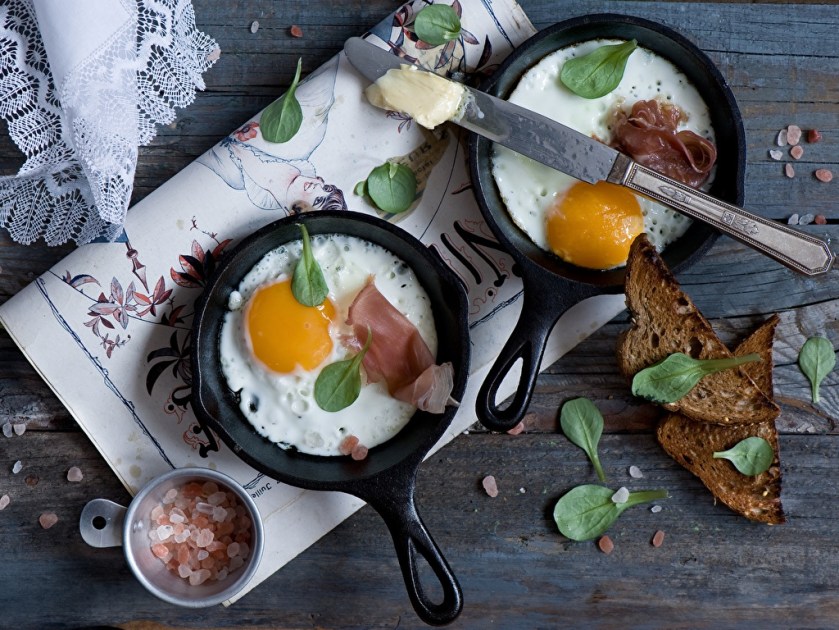
A handful of eggs, flour based food as base and basic vegetables of onions, tomatoes and a dash of salt, pepper and spices opens up a whole new slot of recipes. Call them by any name, but eggs on toast can be extrapolated to being “in-the-basket”, “pirate-eye” or the indigenous dish of “huevos rancheros” or Huevos estrellados” to name two.

Technically “egg in a hole (or frame)”, known by numerous other names like “one-eyed Jack” or “popeye”, refers to an egg prepared in the circular or square hole cut into the piece of bread, or even a bagel or waffle. When the buttered bread browns in the pan, the egg is cracked into the “basket” carved out in the toast. Depending on when one chooses to place the egg, flip the bread or cover it, results in varying shades of the same dish living up to all of it’s titles names.

[1990]
“One-eyed Jacks.
Use an upside-down cup to cut a hole out of the center of a slice of bread. lay the bread in a hot, greased pan and crack an egg into the hole. Fry it a few minutes until the egg sets, then flip the bread and egg with a spatula and cook the other side. You’ll have an egg and toast all in one.” Boy Scout Handbook, Boy Scouts of America 1990 (p. 109)

Even fried eggs have their own set of indigenous recipes, based on the local and regional cuisine. From the Portugese bife a cavalo, German Strammer Max, Chilean lomo a lo pobre, the Danish uitsmijter ham (or spek) en kaas or the Russian yaichnitsa are just few of the many recipes to decide from. Delving into the Mexican cuisine, huevos rancehros is one of the large traditonal Mexican brunches that one can prepare as same or in a variation. Keeping it simple, the basic dish consists of fried eggs served on lightly fried or charred corn or flour tortillas topped with a salsa fresca made of tomatoes, chili peppers, onion, and cilantro. It can be served with rice, refried beans or slices of avocado. Shifting over to lunch hours, Huevos estrellados (Madrid) refers to pan-eggs fried with French fries, meat (ham, bacon) and served hot with potatoes. While one can alter the recipes as suited for self, the combinations available are endless.

With the lock-down till on, trying out something different but simple puts an interesting spin to weary days. The fact that eggs, bread (or even pita or roti) with added simple kitchen ingredients pave way for an endless process of creativity as well as satisfying the taste buds, allows one to don the apron and start off.

[2006]
“Eggs in a Basket
2 servings
Kids get a kick out of this dish, especially when they get to make the basket.
Using a 2 1/2 inch biscuit cutter or small glass, cut a hole out of the center of 2 slices sandwich bread. Melt in a large skillet over medium heat 2 tablespoons butter, plus more as needed. Add the bread and cook for about 30 seconds. Crack into the holes 2 eggs. Do not worry if some of the white remains on top of the bread or runs out from underneath. When the eggs begin to set, 2 or 3 minutes, flip the bread and eggs, using a spatula. Add more butter as needed. Fry the other side until the eggs are done to your liking. Grill the rounds of bread in butter and serve them as well.” Joy of Cooking, 75th anniversary edition, Irma S. Rombauer et all [Scribner:New York] 1997, 2006 (p. 196)