Posted in Christian, Daily, Life, Personal Musings, poetry, Quotes

Midsummer…Another Chance

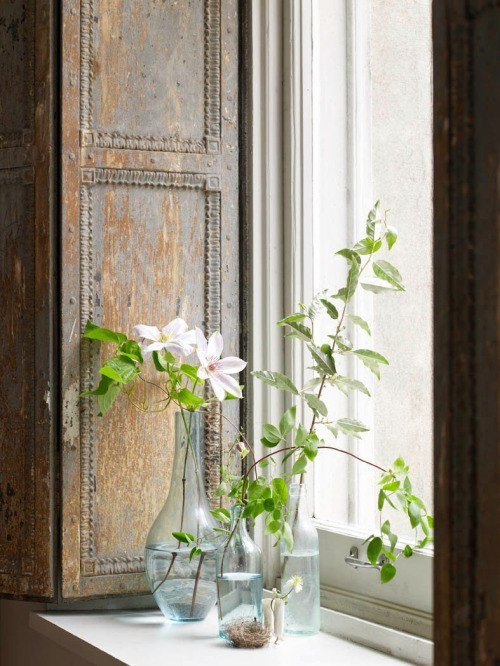
“Oh, the summer night,
Has a smile of light,
And she sits on a sapphire throne.”
– Barry Cornwall

With midsummer this weekend, the knowing that summer is coming to a close is acknowledged deep inside. Change is always happening, either in small degrees or in mighty moves. All the same, it’s the aftermath and the consequences that highlight the events.

While Midsummer is celebrated as the longest day of the year as the Summer Solstice; it has a rich history of centuries old tradition especially in the Northern Hemisphere as a time for community based festivals and bonfires as well as the feast day of the early Christian martyr St. John the Baptist.


As the Christian community prepares to commemorate this day, neighbourhood and community as well as the Church prepares for the feast if St. John. The 4th century A.D. Christian Church had established this day, in honour of the birth of the Saint John the Baptist, which as recorded in the Gospel had been six months before the birth of Christ. Accordingly the Feast of Saint John (Saint John’s Day) was celebrated at midsummer, exactly sixth months before the nativity. additionally as St. John prepared the way before Christ, his words “He must increase, but I must decrease”( John 3:30) is symbolized by the fact that the “sun begins to diminish at the summer solstice and eventually increases at the winter solstice.”

Marked by varied traditions and celebrations around the globe like processions of ships down the Danube (Austria), quadrilha of Brazil, light great fires (Canada), maypole dances (Sweden for instance) to list a few; midsummer is marked by highlighting the life and plays on St. John the Baptist as well as celebrations of fireworks, bonfires and dances. The pre-Christian Era had seen similar celebrations, primarily as a pagan ritual as well as marking the end of the summer farming season.

“In summer, the song sings itself.” William Carlos Williams


Midsummer, this year brings to mind, the fact that six months will be soon gone by. Has the time passed been of “inner value or gain” for one’s betterment ? Has the time gone by, resulted in the growing of the True Path and His Way within; or are we still clamoring for material gains and worldly pleasures ? The answer is need for one’s self alone and not for the appeasement or gratification of others. Once we realize the truth, making the change soon would be better before the year comes to an end by it’s own time.

“Peacefully
The quiet stars came out, one after one;
The holy twilight fell upon the sea,
The summer day was done.”
– Celia Thaxter


“It is God in the house when the curtains lift gently at the windows, and a young child sucks his itching gums.
We do not understand the mysteries of God.
God the winter. Summer, Septembers.
Moody dark tones of fathers dying.
The splash and laughter.
Children playing.”
– Ellease Southerland
Posted in Daily, Food, Stories Around the World

“Canna” with the “petite duchesse”

Ever had “flashes of lighting” alongside “tubes of rich goodness” ? If the answer is in the negative or a query; with the month of June nearing to an end, it would be a good time to take up on the celebratory days of the éclair (choclate éclair, to be very specific, June 22nd) as well as the cannoli (June 16th), respectively. With the local deli’s and bakers’ going on full swing of celebratory discounts as well as interesting combinations to mark these days for foodists; delving a little bit into their food history would be quite interesting.

Originating from the 19th century France, also known as sweet baguette, an éclair was an oblong pastry made with choux dough filled with a cream and topped with chocolate icing. Typically piped into an oblong shape, the dough is baked until it becomes crisp and hollow within. When cooled, the pastry can be filled with a wide range of flavours, like vanilla, coffee or chocolate-flavoured custard (crème pâtissière), with whipped or chiboust cream and then iced with fondant icing. More exotic fillings include pistachio and rum flavoured custard, fruit-flavoured fillings or chestnut purée. If the icing is of caramel, the dessert is known as “a bâton de Jacob.”

Etymology speaking, the pastry title comes from French éclair “flash of lightning”, named so because it is eaten quickly (in a flash). Initially known as “pain à la Duchesse” or “petite duchesse” til the 1850. Towards the 1860s the word eclair took over, both in English and French. Historically the speculation was that this little delight was first made by Antonin Carême (1784–1833), the famous French chef of grande cuisine.

“Leave the gun. Take the cannolis.” Clemenza, in ‘The Godfather’

Moving across to the Sicilian and the Italian-American cuisine, delicate “tube-shaped shells of fried pastry dough”, usually with a sweet, creamy filling (most commonly containing ricotta) have been quite popular especially in the island of Sicily. Known as “cannoli”, they range from sizes of cannulicchi (smaller than finger sized) to the fist-sized proportions typically found south of Palermo, Sicily, in Piana degli Albanesi.

With its roots tracing back to the Middle Ages; this best known Sicilian pastry takes its’ name “cannolo (cannoli in English)” from the long tubular shape, as a diminutive of canna (a cane like reed) like sugar cane stalk. Back in the ninth centruy, Arabs had introduced sugar cane into the Sicilian cooking, thereby replacing honey as the sweetener of Sicilian confectionary to sugar. Similar desserts from the Middle East include Zainab’s fingers (filled with nuts) and qanawāt which were deep fried dough tubes filled with various sweets.

During the medieval years, the tubular shell shape was formed by rolling the paste into a flat, circular shape, then wrapping it around a sugar cane stalk. Legends abound but among them, most lead to the origin from western Sicily, probably in Palermo or nearby. Made often as a springtime item, most commonly associated when sheep produced more milk for ricotta around the Fat Tuesday (Carnevale).

Summer still going strong and picnics in full swing, for the first timers it would be a good time to experiment the sweet delicacies for a change. As for the kitchen experimenters and part time chefs, getting creative with homemade eclairs and cannoli would be a good change from the routine desserts.


Posted in Daily, Food, Stories Around the World

Of Falafel, Vada and Beyond…

Soak the raw chickpeas (with or without baking soda) overnight. Ground them with parsley, scallions, garlic as batter and add spices coriander or cumin, if needed. Instead of chickpeas, dried fava beans can be used similarly. They are stone ground and mixed with leek, parsley, coriander, cumin and dry coriander. Shape the mixture into balls or patties. Serve deep fried or oven baked. Falafel from the original Levantine cuisine is ready. Have them alone, wrapped (within lafa) or stuffed (into a hollow pita) with tahini and garnishes of tomatoes, cucumber, lettuce or even pickles.

One of the basic things of life, that brings together different cultures, places, and origins to a common area of interest is “food”. As one explores the different resources and basic ingredients; varieties are made, experienced and experimented with subtle differences across the cultures and cuisines. With International Falafel Day being held tomorrow (June 12th), it would be quite interesting to learn of similar recipes and try a few in the home kitchens or experiment with local ingredients making subtle changes.

Soak the legumes in water. Ground them for the batter. Season the batter with cumin seeds, onions, curry leaves ( sauteed or plain), salt, chillies, black pepper with or without minced or sauteed vegetables for more taste or nutrition. Add ginger or baking soda for large batch fermentation or more fluffiness respectively. Shape the mixture and deep fry. The Indian “Vada” is ready. Alternatives to legumes (pigeon pea, chickpea, black or green gram) are sago or potatoes. Serve hot or crunchy with or without dip.

Served as savoury fried snacks or even for breakfast; “Vada” also known as wada, vade, vadai, wadeh or bara have been a staple of South Indian cuisine as early as 12th century. There are varied types of vadas described as fritters, cutlets, doughnuts or dumplings. Popular ones include the medu vada of South India, batata vada of West India or mixed as food preparations like dahi vada or vada pav.

Season cooked and mashed black eyed peas with salt and chopped onions. Mould the mix as a large scone and deep fry in palm oil. Serve split in half and stuff with spicy pastes of vatapa, caruru made of shrimps, ground cashew, palm oil, okra, coconut milk and more. For vegans, serve with paste of hot peppers and green tomatoes. Acarje of West African and Brazilian cuisine are ready. Boil the basic ingredients (instead of frying) and abara is ready.

Derived from the Yoruba language, Àkàrà is a generic word meaning “bread” or “pastry” or the dish itself. “Acarajé” (brazilian) is derived from either the Yoruba word combinations “àkàrà” (bread) and “onje” (food) or “àkará” (a round pastry) and “je” (to eat). Popular in West Africa and a part of their culture; akara (rice flour, mashed banana, baking powder, sugar) was often fried and prepared for major occasions like childbirth, weddings, parties or funerals. When sold on the street with addition of ingredients like fried beef, mutton, dried shrimp, coconut among others; acarje was created and struck mass popularity since then on. Various similar combinations like acaca (steamed corn mush) have also coexisted.

Thus for a break from the “known dishes”, it would be fun to attempt newer simple recipes for a little different, spicy and healthy combination to keep the palate as well as “the kitchen experimentation spirit” going. With varied and subtle variations of familiar ingredients, it would be interesting to create a new family or home masterpiece or tradition to carry over to the next generations.

Posted in Daily, Food

Origin, Evolution and Art of “Tarte”

“The Queen of Hearts, she made some tarts,
All on a summer day:
The Knave of Hearts, he stole those tarts,
And took them quite away!” – Lewis Carroll

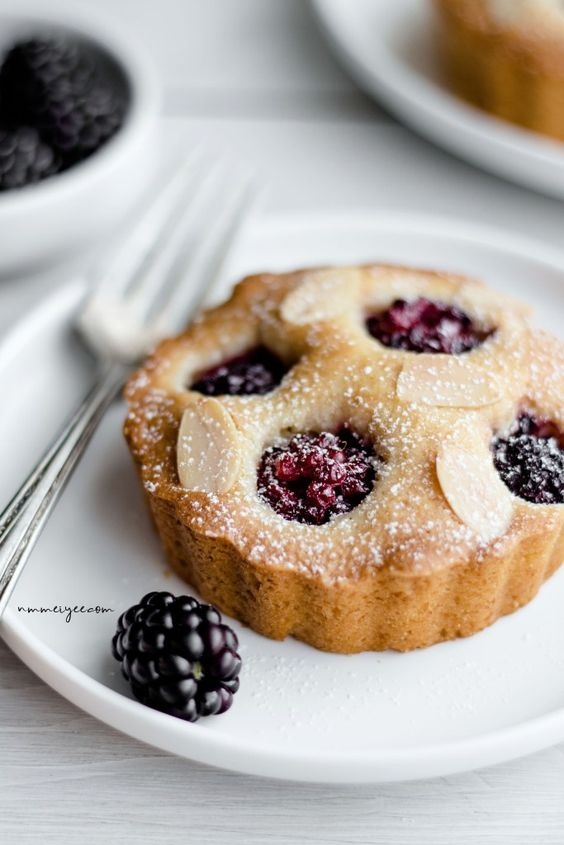
As echoed by the words of Lewis Carroll, the association of “tarts” to the upper ranks of pastries has been there since the medieval ages. Fast forward to the present, their popularity hasn’t diminished by any means with more than three food holidays for tarts like the raspberry tart day (May 3rd), Cherry Tart Day (June 18th), Butter Tart Day (June 1st) and even National Milk Tart Day (February 27th) as declared and celebrated by “foodimentarians” around the world.

Tart is basically a baked dish with filling over a pastry base with the top left open. While the pastry is usually of shortcrust, the filling can vary from sweet to savoury; although modern tarts are fruit-based with or without custard. Miniature tarts known as tartlets like egg tarts are also gaining widespread popularity as they can essentially substitute for a complete breakfast for the “busy fast paced” world out there.

Originating from the Old French “tarte” or Medieval Latin “tarta”; the distinction of tart with flan, quiche and pie are often blurred with differentiation on the basis of the covering over the pastry or the filling type being sweet, savoury or meat and vegetable based. the categories of “tart”, “flan”, “quiche”, and “pie” overlap, with no sharp distinctions.

“Unless you are a professional, you will find the tart to be a high-maintenance, unforgiving whistle-blower of a pastry.” Sloane Crosley

On tracing the origins of tart, most food historians believe that they came about from the tradition of layering food or “putting things on top of other things” especially over notably round, flat pieces of bread or bread based crusts. Over time, the base was pastry type and then tarts had come about. Another line of thought maintains that tarts spring from the Medieval pie-making tradition, as a kind of flat, open-faced pie. Dating to at least mid 15th century, one of the earliest tarts was “the Italian crostata”, described as a “rustic free-form version of an open fruit tart” or “an open-faced sandwich or canape” due to its’ crusted appearance.

With the arrival of enriched dough around the 1550s, pies took a setback of being a common man’s way of recycling offal and table scraps, while tarts were made with fillings of “high cuisine” often made artistic and pleasing to the eye as well as palate. Often custard-based, a large, open tart presented a broad canvas upon which an artistic chef might compose a work of edible art with brightly-colored fruits, vegetables and spices added onto or into them, mostly being sweet than savoury, or a little of both.

Typically free-standing with firm pastry base of dough, itself made of flour, thick filling, and perpendicular sides; tarts have been made with varied fillings including jam, Treacle tart, meringue tart, tarte Tatin and Bakewell tart.

In fact, the “tarte Tatin”, named after the hotel (originated in France) serving it as its signature dish, is an upside-down pastry in which the fruit (usually apples) are caramelized in butter and sugar before the tart is baked. Over the years, this version as spread to other countries over the years with the filling upside-down being of not just apples or other fruit but also onions, tomatoes and other vegetables.

With savoury tarts getting their own special niche of “quiches”, German Zwiebelkuchen ‘onion tart’ or Swiss cheese tart (Gruyere); tarts and their related varieties are here to stay, especially for quick, comfortable, fun and artistic cooking. With June being the month of outdoors and picnics, tarts and pies are very much here to stay.

“I’m really a scientist. I follow recipes exactly – until I decide not to. And then I’ll follow something else exactly. I may decide I could turn this peach tart into a plum tart, but if I’m following a recipe, I follow it exactly.” Ina Garten

Posted in Daily, Family and Society, Personal Musings, Quotes, Stories Around the World

To Say Something

“If you can’t say something nice, don’t say nothing at all”.

For avid animation film viewers or parents of children, Bambi may have made an appearance on their screens or watch list. As the original movie Bambi (1942) revolves around the life of a fawn, who would be the future guardian of the forest; one of his close friends was an eager, energetic rabbit named Thumper.

When Bambi, newly born, was being presented to all the forest creatures as the future young prince of the glen, Thumper remarks accurately that he is “kinda wobbly” whereupon his own mother inquired if he remembered what his father had impressed upon him earlier that day. Thumper, drawing circles with his hind left foot, says haltingly, “If you can’t say something nice… don’t say nothing at all.” Also known as the “Thumperian principle”, “Thumper’s rule” or “Thumper’s law”; this principle holds true then and even now.

“Be nice. And if you can’t do that, just don’t be mean.” Richelle E. Goodrich

When looking deeply into the growing society, one often sees unkindness, thoughtless words, bullying and impolite talk becoming more rampant day by day, especially towards those on less social standing than oneself. In order to instill a sense of pleasantness, kind thoughts and gracious behaviour; Mayor Keith Summey of North Charleston proclaimed June 1st as “Say Something Nice Day” (2006). Joined by Dr. Mitchell Carnell, the author of Say Something Nice: Be a Lifter at Work, the South Baptist Convention and the Charleston-Atlantic Presbytery; this day was recognized to remember and celebrate people who provide society with a variety of services from bus drivers, teachers, healthcare workers, law and order. Additionally it was marked as a day to be kind to the special people in our lives, like children, grandparents and the elderly. Above all, this day offers a great opportunity to apologize to people that one may have wronged or hurt them through one’s behaviour, especially when done intentionally be it when in range or fit of anger.

“Be nice to each other. You can make a whole day a different day for everybody.” Richard Dawson

To one’s surprise and perhaps the biggest truth, is that, it doesn’t take much to be nice for a day. True that each one has their own share of likes, dislikes, opinions, understanding, perceptions, assumptions, expectations and thoughts, and so on. Yet the beauty of coexistence as a humane society is that there is place for all. From appreciation of others, noticing or acknowledging their presence by kind words or simple courtesy greetings to complimenting personality traits to styles, or simply greeting others with pleasant words are few of the many ways to be spread ” the happy feel” around oneself. While each one of us may have our own personal inner struggles, it doesn’t give a leeway to be rude or obnoxious to others. Life has always it’s curves and it’s how we navigate the choppy waters and narrow hard beaten roads that makes all the difference during the travel. These roads that we take are what matters more than somehow just reaching the final destination.

“The main thing that you have to remember on this journey is, just be nice to everyone and always smile.” Ed Sheeran

Posted in Daily, Food

Of Macaron and Macaroon

“Orange pekoe flavor, with that gold confection dust on the top.” She holds one up to demonstrate. “Mascarpone filling.” She bites it clean in half and shows me the middle. “Rose jelly in the center.”
“Sounds good to me. What shall we call it?”
“I don’t know.”
I reach over and pick up a macaron, the texture, weight, and balance all perfect. Symmetry, lightness, both shells with excellent feet, wedded together with a smooth filling. Nodding with approval, I place it on my tongue. She is right; the orange and rose flavors melt lustily in your mouth. It’s just like Mama- all bright and full of surprises.” – Hannah Tunnicliffe, The Color of Tea

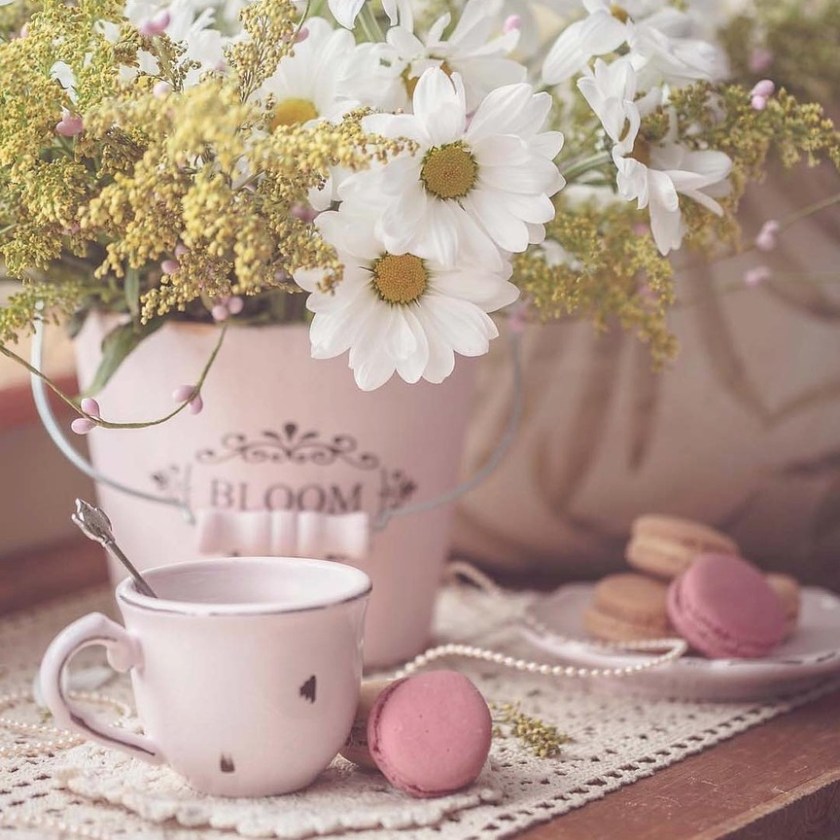
Known as “macaron” or “French macaroon”, this sweet meringue-based confection is made with egg white, icing sugar, granulated sugar, almond powder or ground almond and food coloring. Typically served with a ganache, buttercream or jam filling sandwiched between two such cookies (similar to a sandwich cookie), macarons have been one of the little delights gaining wide popularity globally. Mildly moist, melting when eaten; this confection is characterized by a smooth squared top, a ruffled circumference, referred to as the “crown” (or “foot” or “pied”) and a flat base. Macarons can be made in a wide variety of flavors that range from the traditional vanilla, raspberry, chocolate to the unusual flavours of foie gras, matcha and so on. There is some variation in whether the term macaron or macaroon is used, and the related coconut macaroon is often confused with the macaron.


Macarons are a little different from macaroons, wherein both start off with a base of egg whites and sugar. But macaroons are with the base is typically whipped into a stiff meringue , like meringue cookies. Whereas, for macarons after the meringue is whipped, a combination of powdered sugar and finely ground almonds gets folded in, not too much or too little. The resulting semi-liquid batter is piped into exact rounds and baked.

The origin of the macarons are quite debatable. Although macarons today are credited to France, the first known appearance of the macaron in Europe was believed to be back in the Middle Ages. In those times, the macaron was a small sweet made of almonds, egg white and sugar, crunchy on the outside and soft on the inside. As some food historians believe that, these “macarons” were initially made in Italy as a consequence of the Arab troops from modern Tunisia ( around 9th century AD), landing in Sicily. They had brought new foods along with them like lemons, rice, pistachios as well as a rich repertoire of nut-based sweets like almond paste candies wrapped in dough. In fact, the term “macaron” shares similarity to the Italian macaroni, which puts a shadow of doubt over it being a French creation.


Since the 8th century, Macarons have been produced in the Venetian monasteries. Yet they gained wide popularity in the French court, when the Italian pastry chef who were brought by Catherine de’ Medici when she had married King Henry II of France, during the Renaissance Era. During those years of the 16th century, macarons were known as ‘priest’s bellybuttons,’ due to the pastry’s shape. Yet as per Larousse Gastronomique, the macaron was created in 1791 in a convent near Cormery. Legend says that two Carmelite nuns, seeking asylum in Nancy during the French Revolution (1792), baked and sold the macaron cookies in order to pay for their housing. Later these nuns were known as the “Macaron Sisters”. These early years saw macarons being served without special flavors or fillings.

Towards the early 1990s, the modern day macarons had began to take shape. Largely credited to Pierre Desfontaines, the pastry chef and owner of the Parisian café, Ladurée; the modern day macaron was made when he had decided to take two macarons and fill them with ganache. The result was an instant success. These original “Gerbet” or “Paris Macaron” were composed of two almond meringue discs filled with a layer of buttercream, jam, or ganache filling. Similar styles were also claimed to be started by another baker, Claude Gerbet.

By the 1930s, macarons were served in two’s with the addition of jams, liqueurs, and spices. Since then macarons have evolved from a humble almond cookie to a versatile treat, coming in a variety of colours and flavours; alluring both to the taste buds, the experimenters’ kitchen as well as the creative mind. Towards the 21st century, confectioners started offering macarons with a difference in flavor between filling and cookie, in both savoury (Basil mint or Thai curry) and sweet styles. Little wonder that there are two days devoted to macarons with Macaron Day (March 20th) and National Macaroon Day ( May 31st) being celebrated across the world. Explore this little treat to enter another world of desserts, more than sandwich cookies, little delights both flavour some and edible art.


Posted in Daily, Food

Of “Burger” and Origins

“Fashion is like food! Some people like sushi, others think hamburgers are divine! People like different things!” Michael Kors

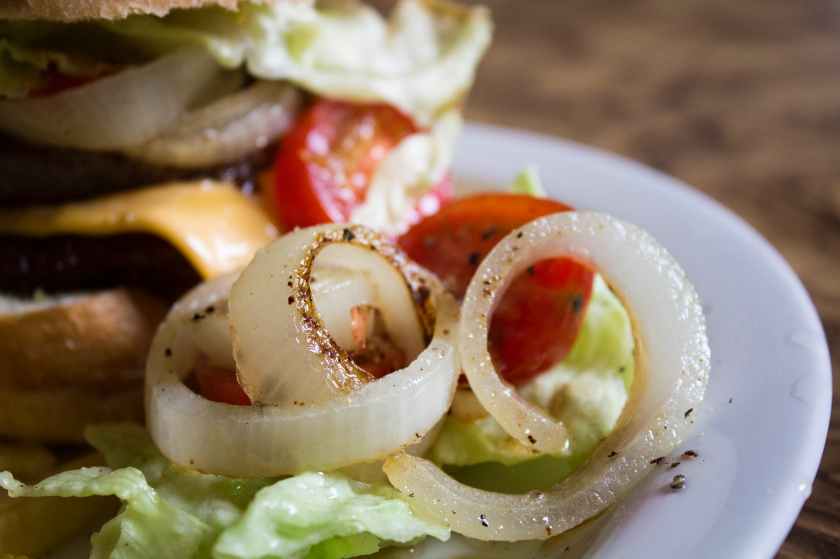
One of the most popular comfort foods, snack foods or a complete meal to splurge occasionally, or for fun and festive, is the hamburger or burger. Essentially a sandwich consisting of one or more cooked patties (pan fried, grilled or flame broiled) of meat placed inside a sliced bread roll or bun and often served with cheese, lettuce, tomato, onion, pickles and other adds ons, as well as condiments like ketchup, mayonnaise, mustard, relish, or “special sauce”, these sandwiches or “burgers” have stormed the food industry ever since their introduction. While today, the patties can range from meat, fish, egg or vegan; hamburgers or burgers have evolved from being that of fast food joints or the regular diners to specialty or high end restaurants. Like all sandwiches, its’ what goes in and the entire taste and texture that counts.

“It requires a certain kind of mind to see beauty in a hamburger bun.” ~ Ray Kroc


Although the term, “hamburger” is originally derived from Hamburg, Germany’s second-largest city; its’ origins have been subject to much dispute, claim and uncertainty. Before the “disputed invention” of the hamburger in the United States, similar foods already existed in the culinary tradition of Europe. As recorded in The Apicius cookbook, a collection of ancient Roman recipes that may date to the early 4th century, “isicia omentata” preparation is detailed as a baked patty in which meat is mixed with pine kernels, black and green peppercorns, and white wine, considered to be the earliest precursor to the hamburger. Later on with various conquests, civilizations and trade, similar recipes were made with various varieties of the meat available then, like the “steak tartare” made of minced horse-meat of the 12th century.

The evolution of the name “Hamburg” came as the town was known for its’ ports famous for trade with the “New World” as well as then ” Old Europe”. With immigrants reminiscing about home, various dishes made with steak came to known with the name “Hamburg” added along side the dish name on the various menus especially when at sea or the ports, like the Hamburg-style American fillet.


However the exact origin of the hamburger may never be known with any certainty. While most historians believe it was invented by a cook who placed a Hamburg steak between two slices of bread in a small town in Texas; few others credit the founder of White Castle for developing the “Hamburger Sandwich.” With records being scarce, the stories and claims still remain as “legends”. With most claims for the invention occurring towards the early 19th century, common factors include large crowds like fairs, festivals, amusement parks as well as street vendors, who for simplicity, ease and increased sales had placed the steak between two buns filed with few vegetables to get the taste and the sales” going.

Yet by whichever origin, the “burgers” have been evolved across the globe adapting to the taste, local ingredients, culture and essence of the locality like the Vietnamese rice-burger. Varied experimentation with the ingredients can be made with ease, to give rise to a style or art with home cooking the “burgers” especially on the International Burger Day (May 28th). Depending on the mood or scene, from barbecues to cook-outs various combinations can be made, traded and shared with fun memories to treasure. Or one can ordering the good old regular “burger” for not just satisfying the hunger pangs but also for comfort in the memories of the good old times. As the old saying goes, “moderation is the key to having fun while eating”.