Posted in Daily, Food, Stories Around the World

A Pound and Two

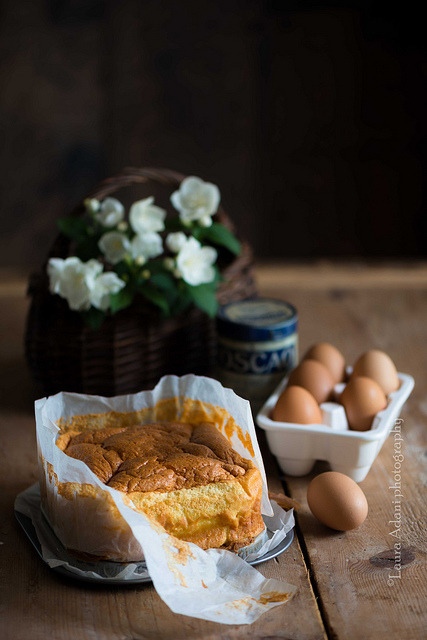
Coming back from school, there is a flurry of running feet. Keeping aside their bags, lunch kits back in the kitchen, a quick wash and the most expectant question, “What’s for tea?” While most days, it’s the simple bread, butter and jam that rocks the tiny kitchen table; some days it’s an elaborate snack meal. Well yesterday it was pound cake added to the simple mix. The difference was in it being elaborate and homemade.

Made from the traditional ingredients of flour, butter, eggs and sugar, the pound cake gets it’s name from the measure of one pound of each. Baked in either a loaf pan or a Bundt mold, dusted with powdered sugar, lightly glazed or layered with a coat of icing on or between the slices; these cakes have been dates back to the early 17th century. Early variations involved the replacement of the flour with cornmeal made from dried corn (maize), the creation then being known as Indian meal.

While for the English it is a pound, for the French it is “quatre-quarts”, means four quarters. With equal weights present in each of the four quarters, the same quantity of four ingredients are used. Depending on the occasion, certain areas use rum (Christmas Eve), mashed bananas or the addition of choclate or lemon juice, simply for flavour.

Moving ahead to the German cuisine, the Eischwerteig mit Fett (roughly “egg-weight dough with fat”) is a recipe very similar to the pound cake, but referenced in multiples of the weight of the average egg used. The recipe calls for measures for such a cake to be baked in a spring form tin (26 cm) as four eggs, 3 egg-weights of butter, 4 egg-weights of sugar, three egg weights of flour and one egg-weight of starch. Adding it up, it makes a close English pound of each or the French four equal quarters. With terms of measures being in base egg-weight, scaling it up or down helps not just in the quantity but addition of ingredients for the added variation like the Falscher Rehrücken (fake venison saddle with bitter chocolate and almonds) or the Nußkuchen (hazelnut cake).

With numerous variations on the traditional pound cake and certain countries and regions having their own signature and distinctive styles, one can stretch their creativity and imagination. From the inclusion of vanilla, almond or orange extracts to the incorporation of dried fruit as well as proportionate alteration to the measures, tea-time can turn out to be an anticipated wait , creative expression and simply, an indulgence after a tiring or busy day.

“Pound Cake.
The old rule–and there is none better–calls for one pound each of butter, sugar and flour, ten eggs and a half wine glass of wine and brandy. Beat the butter to a cream and add gradually a pound of sugar, stirring all the while. Beat ten eggs without separating until they become light and foamy. Add gradually to the butter and sugar and beat hard. Sift in one pound sifted flour and add the wine and brandy. Line the cake pans with buttered paper and pour in the well beaten mixture. Bake in a moderate oven. This recipe may be varied by the addition of raisins, seeded and cut in halves, small pieces of citron or almonds blanched and pounded in rose water. Some old fashioned housekeepers always add a fourth of a teaspoon of mace. The mixture may be baked in patty tins or small round loaves, if preferred, putting currants into some, almonds or raisins in the rest. Pound acake is apt to be lighter baked in this way. The cakes may be plain or frosted, and they will grow richer with the keeping in placed in stone jars.”
—The New York Evening Telegram Cook Book, Emma Paddock Telford [Cupples & Leon:New York] 1908 (p. 126)

Posted in Food, Photography Art, Quotes, Random Thoughts, Stories Around the World

Green, Leap and Fun

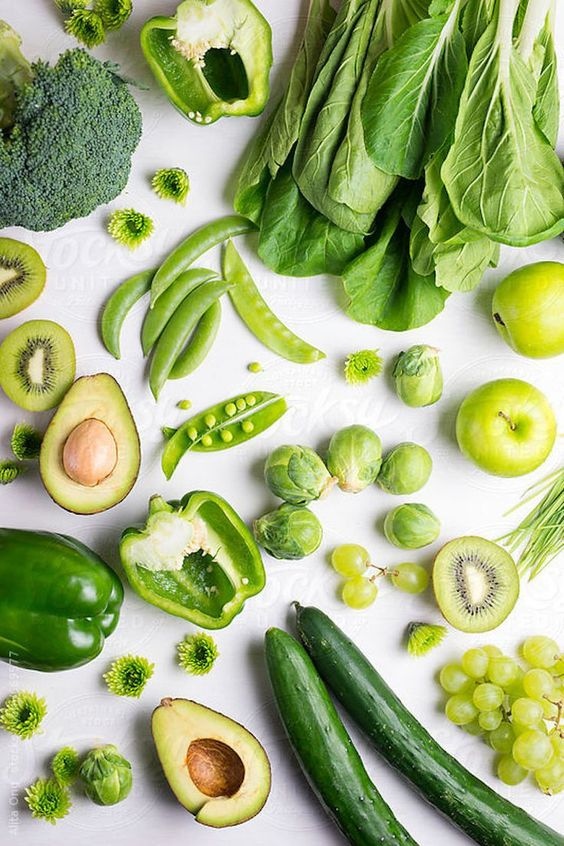
“Please send something green for snack time during the first break tomorrow.”
(School diary, as read on February 28,2020)

On seeing the note above, the eyebrows went up and a quick glance at the clock ensured a quick browse through the recipes. As night was approaching, a solution had to be reached before the shops were shut for the day. The quick trip downtown resulted in meeting a couple of parents rushing in. With the queue being long, a quick round of talk and news exchange, left me feeling grateful that my task was just in the food arena. To mark the leap year, the kinder-gardeners and primary schoolers were tasked with bringing something green for snack hour and “the world around us” hour; while the middle schoolers had to present projects, fun facts and presentations to mark the history, science and special for the Leap Day.

Leap Day, technically was first observed by those who followed the Gregorian calendar marking the extra-revolutionary hours of six, cumulatively every four years by making it a special day, marked at the end of February. While popular folk traditions first used to mark this day as Bachelor’s Day, various traditions and customs were added on over the years. The concept of “leap day” has been associated with frogs (re-read as leaping frogs) or as to do something “green”. More popular towards the early 21st century, the latter “green” was meant as an initiative by multinational companies so that employees could use the extra day to improve the environment. Those added twenty four hours were meant for change to energy efficient measures, create compost heaps, going green, a “no” to plastic as well as practicing the concept of “reuse, reduce and recycle”.

Moving over to the kitchen preparations for leap day, it was thin brown mint sandwiches, couple of cucumbers and a green apple that made my morning light, quick and green.

For others out there on the same boat of experimentation with something “green and edible”, there are numerous options ranging from green coloured cupcakes to crepes with a heavy dose of crushed mint, coriander or even basil in the batter, the green smoothies, the green cookies, pistachio flavoured ice-cream or even the good old pickles and peas for lunch.

Either way leap day is meant to that extra-something not done previously. As for “the non-edible going-green” process, sticking to it for this year and on, would be wonderful step to enjoy more future leap years on this land that we live on.

“Today is an ephemeral ghost… A strange amazing day that comes only once every four years. For the rest of the time it does not “exist.” In mundane terms, it marks a “leap” in time, when the calendar is adjusted to make up for extra seconds accumulated over the preceding three years due to the rotation of the earth. A day of temporal tune up! But this day holds another secret—it contains one of those truly rare moments of delightful transience and light uncertainty that only exist on the razor edge of things, along a buzzing plane of quantum probability…
A day of unlocked potential.
Will you or won’t you? Should you or shouldn’t you?
Use this day to do something daring, extraordinary and unlike yourself. Take a chance and shape a different pattern in your personal cloud of probability!”
Vera Nazarian, The Perpetual Calendar of Inspiration

Posted in Food, Stories Around the World

Soft, Gooey and Halwa

One of the best things about school holidays is the staying with grandparents. Come summer, it is the time to make not just jams, pickles, fruits syrups and squash but also time to make “halwa”. Making halwa was an elaborate activity. Measuring out the ingredients, dry fruits and getting the big vessels ready to make it, kept us, the grandchildren occupied.

“Halva. Name of a hugely varied range of confections made in the Middle East, Central Asia, and India, derived from the Arabic root hulw, sweet. In 7th century Arabia, the word meant a paste of dates kneaded with milk. By the 9th century, possibly by assimilating the ancient Persian sweetmeat afroshag, it had acquired a meaning of wheat flour or semolina, cooked by frying or toasting and worked into a more or less stiff paste with a sweetening agent such as sugar syrup, date syrup, grape syrup, or honey by stirring the mass together over a gentle heat. Usually a flavouring was added such as nuts, rosewater, or pureed cooked carrots (still a popular flavouring). The finished sweetmeat would be cut into bars or moulded into fanciful shapes such as fish. Halva spread both eastwards and westwards, with the result that is is made with a wide variety of ingredients, methods, and flavourings…” -Oxford Companion to Food, Alan Davidson [Oxford University Press:Oxford] 1999(p.367)

This dense, sweet confection believed to have originated in the Middle East, Central and South Asia is popularly known as halva or halwa, with varying local names. While written records of halva recipes have been in the Arabic Kitab al-Tabikh (The Book of Dishes, early 13th century), these recipes may have been there in the traditional cuisine well before then. These desserts are essentially of two types, flour based or nut butters based.

Relatively more popular in the South Asia, these flour based halvas are slightly gelatinous and made from grain flour (semolina or suji) with other basic ingredients like clarified butter, sugar or honey, dry fruits and flavouring syrups like rose water. The flour is fried in oil, mixing it into a roux and then cooked with a sugary syrup making it into a gelatinous flour based consistency.

Selmolina based halva include the popular Turkish un helvası. Usually made with wheat semolina, sugar or honey, butter or vegetable oil along with raisins, dates, other dried fruits, nuts like almonds or walnuts. This halva is very sweet, of a gelatinous texture with a rich, heavenly feel. The Indian halva recipes primarily use flour with melted butter or ghee and sugar (optional use of acacia gum). Made in various colours ranging from bright orange, red, green to brown and black; they have a gelatinous appearance and are flecked with raisins, cashew nuts, pistachios, almonds and even sesame seeds. Vegetable based recipes (to replace the flour) are there like the popular carrot halwa (gajjar halwa), mung beans halwa (moong dal halwa), doodi halwa (bottle gourd halwa), beetroot halwa to name a few. These are usually prepared with condensed milk and ghee with sugar added to give a moist, flaky texture when freshly prepared. In fact, there are numerous variations of halwa present in the Indian subcontinent with each flavour having its own special appeal.

Other flour based halwas include the Greek cornstarch-gelatinous halva, the Zanzibarian rice flour and coconut milk halva and the Burmese delicacy of Pathein halwa, a dairy-based rice flour halva.

The other variety of halva are nut butter-based. They are made from grinding the oily seeds to paste like consistency like the sesame paste (tahini), sunflower seed butter paste, mixed with hot syrupy sugar cooked to hard-crack state. It can be made crumbly as well. This type is more popular in the Mediterranean, Central Asian and Middle Eastern cuisine and has special tales of its’ own to weave.

“Halwa Al.
Two pounds of sugar, half a pound of bees’ honey, half a bound of sesame oil and four ounces of starch. Stir it middling fine [one the fire until it takes consistency, then spread it on a smooth tile]. Put four ounces of sugar on it, and three ounces of finely pounded pistachios, and musk and rose-water: Spread this filling on it, then cover it with another cloak of halwa and cut it up into triangles. It is as delicious as can be. If you wish, make the filling into meatballs like luqma [luqmat al-qadi], and cover it was the mentioned halawa, and it is saciniyya.” -Medieval Arab Cookery: Essays and Translations, by Maxime Rodinson, A.J. Arberry & Charles Perry [Prospect Books:Devon] 2001 (p. 456)

All said and done, halva, whether bought from the market, made at home or sent from grandma; it carries a ton of memories, nostalgia and a feeling of happiness starting from the first bite itself.  For in every generation, these sweet or savoury (as to own taste) delicacies have delighted and captivated both the old and the young, the weight-watchers and the food-lovers and all those in between and far apart. Little wonder why then, this tradition and culture of halva still lives on over the centuries.

Posted in Food

More than Nuts and Chocolate…

Trying to get a stubborn toddler or a pre-teen to have breakfast is worse than negotiating a board meeting. In fact, getting the latter going is way easier than the former. For every parent, guardian or care-giver who has to battle this, there are plenty of antics up our sleeves.

Which is why every year, there is a rigorous scanning for coupons, online discounts and offers on the first week of February. Yes, it is the month for the best buys and hoard on Nutella. Be it an elder or the young one, Nutella can get most of them to get start and moving onto the breakfast table in the morning hours.

Though, Italian in origin, Nutella has put itself on the world map, may be because of it’s easy acceptability among the young and old. Though many similar brands and spreads have cropped up, there is something about this one that gets the most stubborn young mind to grace the breakfast table. More than the nutritional value it is the morning calorie intake, for the growing bones that one is worried about.

In order to stretch the tiny amount of Nutella, various indigenous methods have been attempted by yours truly. The sole purpose was to just get the flavour in, for the breakfast feel to kick in. From adding it to pancake (or even dosa) batter, including it in minimal amounts along with the sandwich filing, waffle mix, potato pancakes, idli (fermented rice cakes), cereals as well as oats; new indigenous methods are still underway like the nutella lasagna, nutella pasta or even the nutella burgers, rice and chicken. As for quick desserts (nutella mug cakes), a zing to the coffee, icing to the homemade cakes, impromptu anniversary or celebration cakes, doughnut dips and fillings; this hazelnut and choclate spread makes life a wee bit easier. Little wonder why this chocolate and hazelnut spread is till making waves in the kitchens and off the shelves.


Posted in Food, Stories Around the World

Delicious, Simplified

“Kindly send 100gms of cereal preferably rice krispies, corn flakes or cocoa pops along with snack meal for tomorrow”.
(Note from the class teacher in the kindergarten diary)

Enrolling my toddler in kindergarten resulted in all of us learning a couple of things along the way. First thing was that we all experienced school again. From getting the paper cuttings of fishes for the “ocean project” to helping him gather stones, twigs and leaves for the “village project” to sending specific things (like rice crispies, cut vegetables, diced fruits) for the home science project; we parents got into the school mode as well. Second important fact, for which it was greatly appreciated was that home science especially involving ingredients, basic mixing and appreciating cooking in general saw no gender specification. In fact there was no “it’s a girl stuff” or “it’s a boy stuff” classification. Children loved to learn and all this was a part of their experimentation.

Coming back to the initial note, the trip back home involved detailed description of their chocolate treats. Known as chocolate crackles (or choclate bubble cakes in certain areas), this popular confection had originated from Australian and New Zealand schools, especially for school fetes and birthday parties (Australian Women’s Weekly, December 1937). Predominantly these are one of the few recipes, not requiring an oven, baking or any tough steps, especially when meant as an activity for young children.

With the basic ingredients of cereal (rice bubble, rice krispies, cocoa pops, corn flakes or crispy fried noodles), vegetable shortening, icing sugar, cocoa and desiccated coconut. First the hydrogenated oil is melted and then combined with the dry ingredients. This mixture is then split into portions, either placed in cupcake pans (within cupcake papas or just as is) and made to set in the refrigerator. The hydrogenated oil re-sets to give each cake its form without baking. To add a little zing to the simple recipe, variations include addition of raisins, chocolate chips, mini-marshmallows or peanut butter. Substitutions for hydrogenated oil include melted chocolate or non-hydrogenated coconut oil.

As these simple recipes comes to life during school hours, recreating those moments, adding new recipes and photographing them creates a memorable album for the rainy days as these young minds mature into the adults in the future.

Posted in Food, Stories Around the World

Nuts, Caramel and Snack

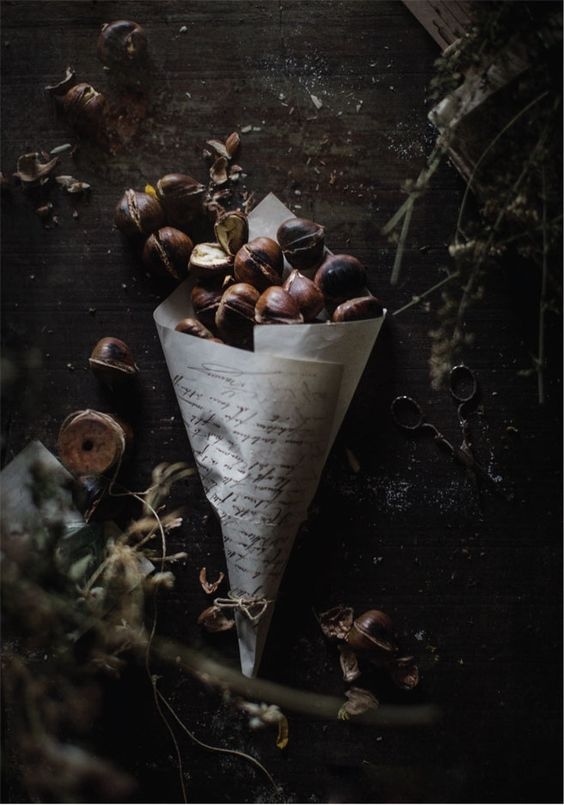
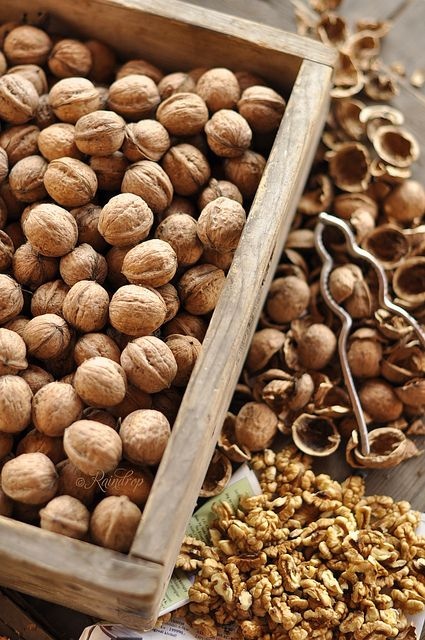
Nearing the end of the first month of the 2020s, the constant battle between sugar cravings, snacking and healthy leads one to explore alternative options. Keeping the sugar, sodium and fats intake to a limit isn’t always an easy task. As for all those health snacks, keeping the hidden sugars in the range is always the catch. Exploring the healthy snack recipes, adding a little sugar to the nuts makes the traditional brittle a healthy snack, especially for the cold hungry wintry evenings.

One of the earliest confectionery types, brittle is essentially flat broken pieces of hard sugar candy embedded with pecans, almonds or peanuts, or simply a mixed range of nuts. Depending on the local availability, the mix can be of walnuts, pistachios (Middle Eastern) or even sesame seeds. While peanut brittle still stays high on the radar, variations and mixes are a local delight. To name a few variations include the French croquant, Greek pasteli, Punjabi chikki or Indian gachak, Chinese Huasheng tang to name a few. 

“An Excellent Receipt for Groundnut Candy
To one quart or molasses add half a pint of brown sugar and a quarter of a pound of butter; boil it for half an hour over a slow fire; then put in a quart of groundnuts, parched and shelled; boil for a quarter of an hour, and then pour it into a shallow tin pan to harden.” —The Carolina Housewife, Sarah Rutledge, facsimile copy 1847 edition, with an introduction by Anna Wells Rutledge [University of South Carolina Press:Columbia] 1979 (p. 219) (1847)

Most of the traditional recipes calls for first caramelizing the sugar, corn syrup or honey and then the nuts are mixed with the caramelized sugar with the spices or leavening agents added last. While some result in a liquid like consistency which is poured out and troweled to uniform thickness; other recipes may have a grainy consistency of which the brittle is then prepared into tiny balls. When the brittle is cooled, it can be had as tiny bite sized snacks.

An interesting variation is the Paraguayan “Ka’í Ladrillo”, a typical dessert made mainly with peanuts and molasses. This high protein snack needs toasted peanuts and molasses. Few varieties include a tinge of sour orange or grapefruit juice to give a bittersweet taste to diminish the excessive sweetness.

Keeping the sugar and fat content in sights, sometimes modifying the good old traditional mixes gives an easy, pack-able as well as feasible options. For life in bite-sized portions saves for some memorable experiences.

“Peanut Brittle I
Sugar, 2 cups
Water, 2/3 cup
Cream of tartar, 1/4 teaspoon
Molasses, 2 tablespoons
Salt, 1/2 teaspoon
Cream, 2 tablspoons
Baking soda, 1/2 teaspoon
Peanuts, shelled, 1 cup
Combine sugar, water and cream of tartar in a heavy saucepan. Plce over low heat and stir until sugar is dissolved; cook without stirring to 280 degrees F. (brittle). Wipe down crystals from sides of pan with a damp cloth wrapped around the tines of a fork. Add molasses, salt and cream. Cook slwoly to 290 degrees F., stirring slowly but constantly. Remove from stove. Quickly stir in soda and peanuts. (Be sure that soda is free from lumps. Pour onto an oiled surface–a shallow pan or marble slab–in a very thin layer. When cool enough to handle, the brittle may be grasped at the edges and stretched into a very thin sheet. When cold break into medium-sized pieces. Note: If peanuts are raw, add a sirup at 250 degrees F. instead of at the end. Makes about 1 pound.”
—Woman’s Home Companion Cook Book [P.F. Collier & Son:New York] 1942 (p. 788-789) [NOTE: Peanut Brittle II consists of sugar, baking soda and peanuts only. This book also offers recipes for coconut brittle, Chocolate-Nut Brittle and Bran-Nut Brittle.]

Posted in Food, Stories Around the World

A Slice of Crust, Filling and History

“Things that really matter are the things that gold can’t buy, so let’s have another cup o’ coffee and let’s have another piece o’ pie.” Irving Berlin

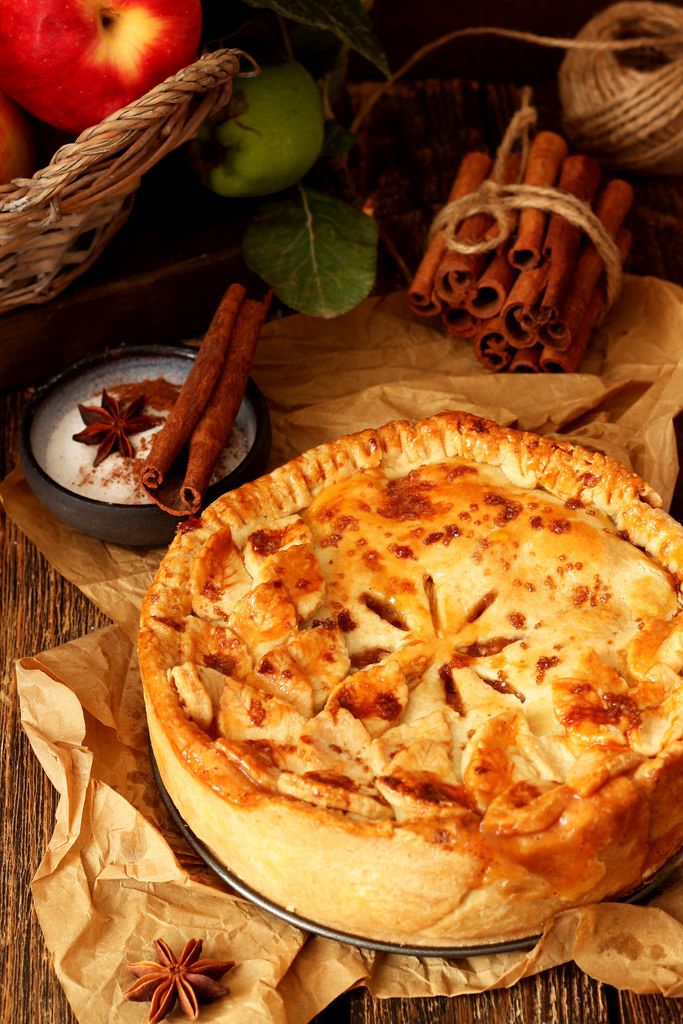
In the initial years of domestication, life in the kitchen revolved around one step meals. From casseroles to pasta and pie, homemade food was simple, basic and hassle free. One of the first recipes to attempt with the oven were the pie recipes, something that our grandmother used to to do on a weekend basis. Today with dessert pies being the classic in any restaurant, it makes for a welcome change from the usual simple desserts for the weekend lunch.

Interestingly the concept of pie making can be traced to as early as the Neolithic era of Egyptians. Pie essentially meant anything edible encased in a tough pastry shell mainly served as a baking dish, storage container or serving vessel, initially too hard to actually eat. As historical evidence points out, these early forms of pies are known as galettes, which essentially are rustic free-form pies. These pie-like treats were made with oat, wheat, rye or barley; then filled with honey and the dish was baked over hot coals. As Egyptian hieroglyphics and drawings show that the bakers to the pharaohs incorporated nuts, honey, and fruits in bread dough, a primitive form of pastry.

As the Greeks carried over the tradition of galettes; they had modified the pies during their period by making a flour-water paste wrapped around the meat, which served to cook the latter and seal their juices. When the Romans had conquered Greece, they had used various types of meat including oysters, mussels, lampreys, fish in every course of meal, sometimes even dessert . As written in the records of De Agricultura by the Roman Statesman Marcus Porcius Cato (234-149 B.C.), the recipe most popular during his era was known as the “Placenta” or “libum”. They were made more like a cheesecake, baked on or sometimes inside a pastry base, these were the initial pie/cake.

Through the gateways of the Roman cuisine, the trend of pie making made it’s inroads into the European cuisine, adapting itself to the local customs and imbibing itself with the traditional cuisine. The initial pies were known as “coffins” or “coffyns” (the word actually meant a basket or box). There were savory meat pies with the crusts or pastry being tall, straight-sided with sealed-on floors and lids. The open-crust pastry (no tops or lids) were known as “traps.” Holding an assortment of meat and sauce components, these pies were baked more like a modern casserole with the crust being the pan, its pastry tough and inedible. The crust was often made several inches thick to withstand many hours of baking. The initial pie prototypes were more savoury than sweet and were a mix of top-cased than open ones (known as tarts today). The sweet pies were more of the “tart” variety.

“Tak gode Applys and gode Spycis and Figys and reysons and Perys and wan they are wel brayed colourd wyth Safroun wel and do yt in a cofyn and do yt forth to bake wel.” (Recipe for apple tart, 1379) Source:The Forme of Cury, A Roll Of Ancient English Cookery, Compiled, about A.D. 1390, by the Master-Cooks of King Richard II.

As to the etymology of the word “pie”, the source may be traced to the magpie, a bird that was known for collecting odds and ends especially the shiny ones and storing them in it’s nest (visualize the similarity). Considering that the Medieval pies also contained many different animal meats including chickens, crows, pigeons and rabbits, the possibility rests on that similarity for the modern word of “pie”.

The modern pies are baked dish, with a pastry dough casing that completely contains a filling of various sweet or savoury ingredients and meant to be eaten. From sweet pies with fillings of fruit, nuts, brown sugar or sweetened vegetables like rhubarb or the savoury pies like the steak pie, Jamaican patty with plain meat, eggs and cheese (quiche) or a mix of the vegetables and meat (pot pie(, pies today are meant to be edible as a whole. And the crusty cover can be made from the typical shortcrust pastry meant for pies or even substituted by powdered biscuits, mashed potatoes, bread crumbs to give a soft or strong edible base or cover.

Modern pies carry a whole lot of tradition and history behind each dish typical of a particular cuisine. Knowing that and adding on to those ingredients, giving the pie making a special flavour and zing tot he final dish. After one of the best places to experiment, experience and recreate the flavours of history is the kitchen.