Posted in Daily, Food, Photography Art

Art in the Jar

“The wonder of imagination is this: It has the power to light its own fire.” John Landis Mason

Rummaging through the church sale, there were numerous purchases, not just the clothes and books sections, but also collectibles ranging from the funny shaped lanterns to glass bottles and finally the mason jars. Speaking of the latter, these were a staple of the kitchens during the prime years of my grandmother and the generations before her. Without the existence of modern day refrigerators, the winter supply was primarily contributed by canning and preservation techniques.

Though the technique of preservation of food were in many rudimentary forms, it was the French chef Nicolas Appert who had brought about the method of preserving food by enclosing it in sealed containers. Among the earliest glass jars used for home canning were wax sealers (named so as attributed to the sealing wax poured into a channel around the lip to secure the tin lid). Although this process was complicated and error-prone, the wax sealing process was largely in popular use. As this method got slowly modified with screw on cap, till John Landis Mason took over with his innovative twist.

For every canning enthusiast, antique collector or simply any collector, the Mason Jar is a must on the list. A Mason jar, named after John Landis Mason, is a molded glass jar used in home canning to preserve food. From the first patented form of 1857, to the present, Mason jars have had hundreds of variations in shape and cap design. Although the collector’s treasure is the “Patent Nov 30th 1858,” signifying the date of Mason’s patent, as embossed on thousands of jars, which were made in many shapes, sizes, and colors well into the 1900s.

Today mason jar aren’t confined to the “canning section” alone, but form a big part of many aspects. From the aesthetic turn to food art, serving jars as well as “healthy shakes”, party essentials to leaflet holder, coin jars or quote jars, gift ideas and many more, owning the original one is a collector’s dream. Over the years though technology as well as modern science has progressed in leaps and bounds; there are certain “antique” things in life which still remain in the personal favourite or choice list.

Posted in Daily, Food, Uncategorized

Of Parfait, Choice and Style

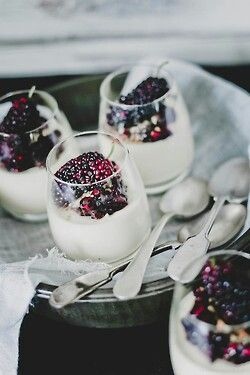
For any meal, the finale is marked by that delightful bit of sweetness. With the rising awareness of eating healthy and right, the right balance has to be struck at times between the temptation of the sugar craving to close the meal and to stay on the low healthy calorie counter too. Which is why “parfait” has evolved since it’s inception to the present day.

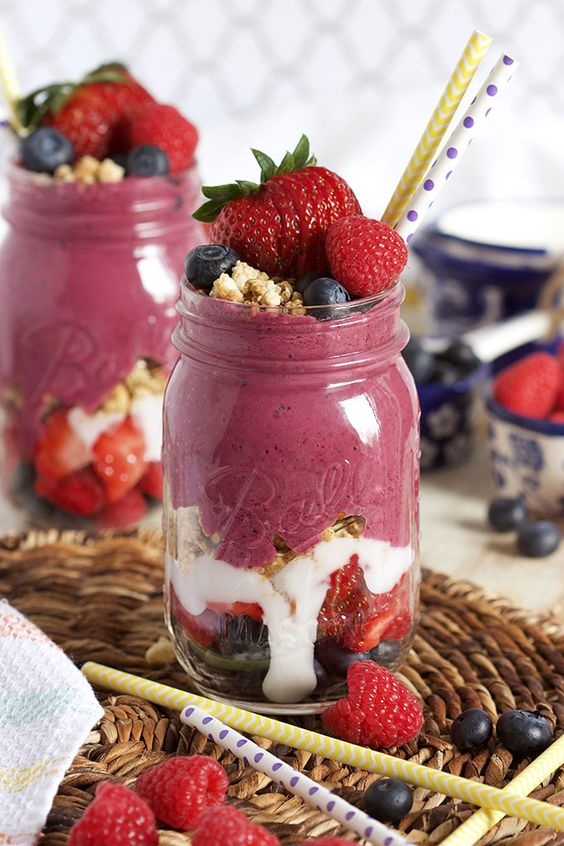
The oldest known recipe can be traced to 1894, of French origin where it had started off as a frozen dessert. While the French prefer to make the base from cream, egg, sugar and syrup creating a perfect custard-like puree, known as “the parfait”; whereas the American counterpart includes an artful layering of varied ingredients like granola, nuts, yogurt, liqueurs with a topping of fruits or whipped cream layered and served in a tall glass.

Of recent, with new trends and various experimentation, parfaits have been introduced without the cream and liqueurs. Instead they are made by simply layering the fresh fruits ranging from berries, cut peaches, strawberries with yogurt , granola or nuts; served as a healthy snack, breakfast option or a light meal, as a change from the regular. Which ever way it may be, the popularity of the parfait lies not only in it’s ease of preparation and the delectable indulgence but also in the appealing art it holds in itself.

Posted in Daily, Food, Photography Art, Stories Around the World

Little like the “Donut”

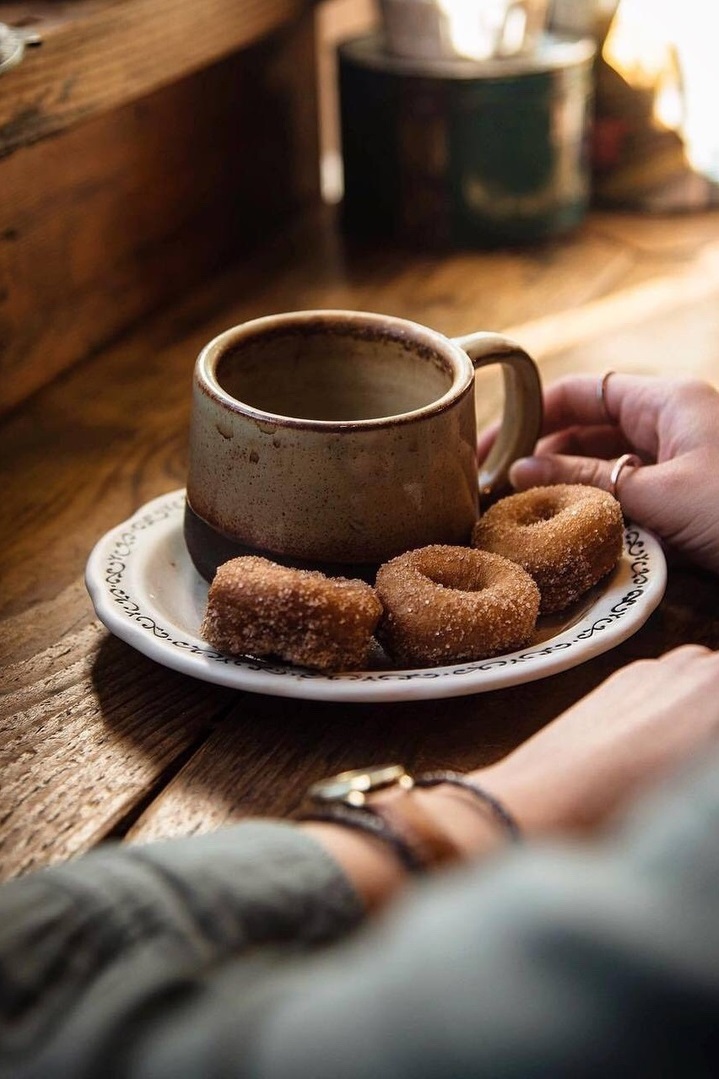
Deeply fried, made from flour dough, typically ring shaped with a hole or similar round shaped (without the hole), or filled with various toppings and flavourings, this sugar delight goes by the more popular name of “donut”. While donut may be considered more of an 18th century preparation with their origin more likely from the Dutch oliekoek, fried dough based confectionery has been there for quite some time in the various indigenous cuisines across the globe. The tradition of frying foods in edible oils have been evidenced to the era of Ancient Greece and Rome. As other cultures began to adapt their own methods over time, different variations came into the local cuisines, though the roots may trace back to common ground.

Made usually from flour (can include finely milled or regular variety) with a mix of water, eggs, milk, sugar, oil, shortening or leavening agents as well as flavourings added to the dough which is then shaped(or not) and deep fried. While doughnuts may be based on their shapes as rings, filled, balls, flattened spheres or twists; other variants include the cake type (like old fashioned doughnut) and the yeast-risen doughnuts. Exploring the indigenous variants to the modern “doughnuts” based on the indigenous cuisines, there a huge number of delicacies that fill the list with legends of their own.

“New mysteries. New day. Fresh doughnuts.” David Lynch

What happens when a baker accidentally drops a ball of dough into a pan of hot oil ? The resulting culinary experimentation would result in a light, spongy ring of dough fried in oil, when had in the Maghrebi cuisine, is known as “Sfenj” (translated as sponge). Also known as Khfaf (Algeria) or bambalouni (Tunisia), Sfenj is usually had for breakfast or tea, had plain or sprinkled with sugar or dipped to drizzled in honey or sweet syrup. Originating in the Al-Andalus era (8th to 10th century), the accidental drop of dough, had evolved to be an important part of the Andalusi cuisine, spreading over to the Banumarin dynasty (Morocco, 1270-1465) and then onto the France (13th century) where it had inspired beignets. Making homemade Sfenj, all depends on how long one wants the dough to rise and temperature of the oil while frying. Of recent, there have been recent variations to the regular sfenj, that is “Sfenj matifiyya” (sfenj pounded flat and fried a second time) and the “Sfenj matifiyya bil-baydh” (sfenj matifiyya with an egg added before refrying).

Moving across to the French Beignet (almost similar to the English fritter), these are basically a type of deep-fried pastry. Although beignets were more popular in the medieval French cuisine, the earliest similar forms may have been there in Ancient Rome. With the basic ingredients of flour, granulated sugar, evaporated milk, shortening agents and confectioner’s sugar; beignets can be made in various varieties depending on the pastry type used. While the French-style beignet is essentially deep fried choux pastry, beignets made with yeast pastry ( boules de Berlin) or those made with chestnut flour (Corsica, beignets de farine de châtaigne) with the latter being known as fritelli, are just few of the variants made. While making at home, many variations, add-ons or substitutes to the usual dough mix may be made, starting with the flour or adding of mashed bananas (plantains) or berries just to start off a few changes. Beignets may be served either as sweet desserts or breakfast food, the choice is own.

There are countless styles and variations to the various forms of “deep-fried dough” across the globe. While exploring and experimenting with the various cuisines, absorbing those recipes into the home kitchen and indigenous cuisine makes the fun part of cooking. Food is essential to life. Imbibing a litte bit of the food culture into the usual mix would not only excite the cooking bug or the palatal buds, but also start off a pleasant home and family tradition. After all, experiences are the what fills the treasure chests of life.

“Frosting was his favorite. He liked to eat doughnuts at every meal. Because it was healthier to eat six small meals a day than three large ones, he restricted himself: jellied for breakfast, glazed for brunch, cream-filled for lunch, frosting for linner, chocolate for dinner, and powdered sugar for 2 a.m. supermarket stakeout. Because linner coincided with the daily crime peak, he always ate his favorite variety to ease him. Frosting was his only choice now, and upsetting his routine was a quiet thrill.” Benson Bruno ( author of A Story That Talks about Talking Is Like Chatter to Chattering Teeth, and Every Set of Dentures Can Attest to the Fact That No..)

Posted in Daily, Food, Stories Around the World

As Simple as “Sandwich”

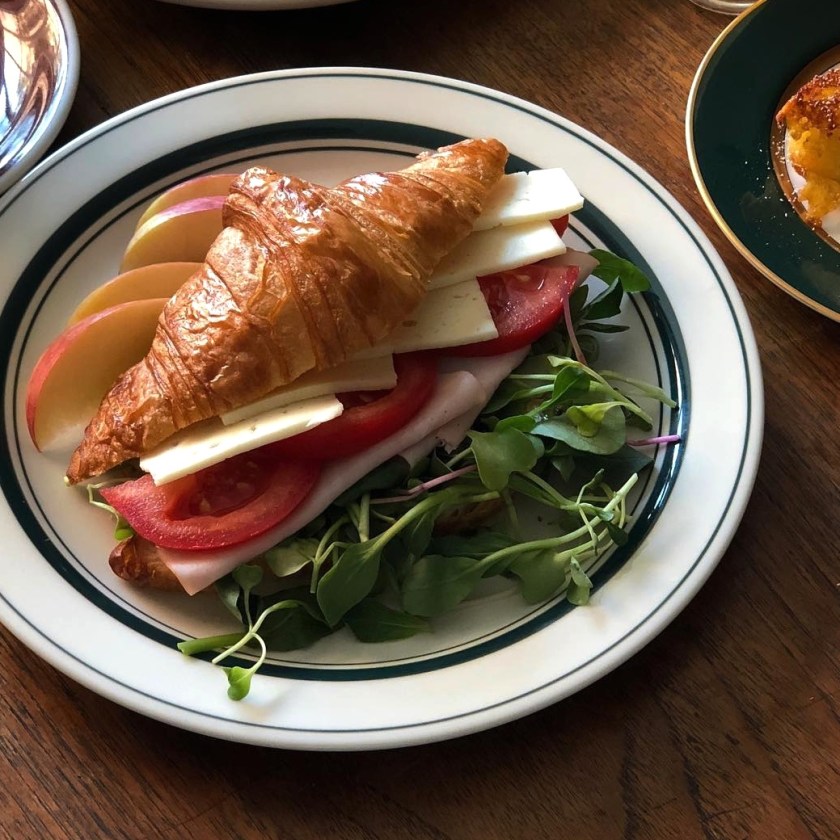
Typically there in almost every household menu, whether it be a snack meal, lunch or dinner or simply a flash picnic meal, ranging from being savoury to sweet or deli made as well as simple and loaded with plenty of fillings, sandwiches have been undeniably had by the old and the young, at some point of time. The popularity lies in it’s ease in making it as well as having it, tapering each menu as per own individual choice.

“The idea of a sandwich as a snack goes back to Roman times. Scandinavians perfected the technique with the Danish open-faced sandwich, or smorroebrod, consisting of thinly sliced, buttered bread and many delectable toppings.” DeeDee Stovel ( author of Picnic: 125 Recipes with 29 Seasonal Menus)

Fillings of either a savoury kind (vegetables, sliced cheese, meat and the like) or simply something sweet and buttery placed on or between slices of bread (two or more) make up the basic sandwich. Although in general, if two or more pieces of bread serve as a wrap or container holding in a set of fillings, which can be had as finger foods, constitute “the sandwich”. Though the name “sandwich” is attributed to John Montagu, 4th Earl of Sandwich, this basic combination has been there quite earlier.

The use of bread (including flat-breads) or bread-like staple to lie over and under or simply cover up or used to scoop up, enclose or wrap up another mix of ingredients was used in such a fashion in various cultures across the continents. Throughout Western Asia and northern Africa areas, the indigenous cuisine had the use of flat-breads ( bread baked in flat rounds, contrasted tot he European loaf), whih were used to scoop or wrap small amounts of food (in a spoon like fashion) while having the meal.

As per records, Hillel the Elder (ancient Jewish sage) had wrapped meat from the Paschal lamb and bitter herbs in a soft matzah—flat, unleavened bread—during Passover (like a modern wrap). The European Middle Ages saw “trenchers” (thick slabs of coarse and usually stale bread) being used as plates. After the meal, these food-soaked trenchers were fed to dogs. Seventeenth century Netherlands had the immediate culinary precursor (with a direct connection to the English sandwich)as recorded by the naturalist John Ray that in the taverns beef hung from the rafters “which they cut into thin slices and eat with bread and butter laying the slices upon the butter”, which were served as the Dutch “belegde broodje” an open-faced sandwich.

“It’s like making a sandwich. I start with the bread and the meat. That’s the architecture. Add some cheese, lettuce and tomato. That’s character development and polishing. Then, the fun part. All the little historical details and the slang and the humor is the mayonnaise. I go back and slather that shit everywhere. The mayo is the best part. I’m a bit messy with the mayo.” Laini Giles

Moving forwards to the eighteenth century England, the popularity of the sandwich arose as the popular myth that bread and meat sustained Lord Sandwich at the gambling table (as recorded in Tour to London by Pierre-Jean Grosley). As legend goes Lord Sandwich ( being a very conversant gambler and into many portfolios for the government) didn’t take the time to have a meal during his long hours playing at the card table. Instead he would ask his servants to bring him slices of meat between two slices of bread. This habit (well known among his gambling friends) enticed them to order as “the same as Sandwich!”. Thus the terminology “sandwich” was born. Alternative account as written by N.A.M.Rodger (Sandwich’s biographer), who suggests that Sandwich’s commitments to the navy, politics and the arts meant that the first sandwich was more likely to have been consumed at his work desk. As per records the original sandwich was a piece of salt beef between two slices of toasted bread.

What was initially perceived as food that men shared while enjoying a game or drink as social nights, the sandwich slowly began appearing in polite society as a late-night meal among the aristocracy. With the rise of the industrial era and the working classes as well as the ease of making and inexpensive ingredients, the popularity of the sandwich rose in the nineteenth century. The street vendors had popularized the sandwich sales (London, 1850). Also typically serving liver and beef sandwiches, sandwich bars were set up (especially in western Holland). The sandwich was first promoted as an elaborate meal at supper, in the United States. As bread became a staple of the American diet (early 20th century), the sandwich became the same kind of popular, quick meal following the widespread trend of the Mediterranean and European cuisine.

“I love sandwiches. Let’s face it, life is better between two pieces of bread.” Jeff Mauro

By itself, sandwich has a wide range of varieties, from the simple PB&J sandwich to the more complicated fillings. Broadly mentioning the major types of sandwich include those with the two slices of bread (or halves of a baguette or roll) with other ingredients between; more complex sandwiches like club, hero, hoagie or submarine sandwich, open-faced sandwich and the pocket sandwiches. Based on the fillings as well as type of sandwich, there is the BLT, cheese sandwich, French dip, hamburger, Monte Cristo, muffuletta, pastrami on rye, peanut butter and jelly sandwich, cheese-steak, Reuben and sloppy joe to mention a few.

Few misnomers include the sandwich cookies and ice cream sandwiches, named by analogy not because of them being bread containing food are generally not considered sandwiches in the sense of a bread-containing bits. Another variant is the layer cake or sandwich cake, made of multiple stacked sheets of cake, held together by frosting or another filling type like such as jam or other preserves.

“Enjoy every sandwich.” Warren Zevon

Sandwiches, today can be filled with a variety of fillings, ingredients based on choice, availability, ingenuity and locality. From the Baloney salad sandwich to the Vietnamese Bánh mì or the Chilean Churrasco, French croque-madam, Chinese Rou jia mo, Southeast Asian Roti john, Finnish Ruisleipä and Hunagrian Zsíroskenyér to mention a few, the sandwich culture has evolved in a way. Keeping in a more creative manner fillings can range from the more bizarre like popcorn or marshmellows to Oreo cookies or the more intricate and spicy curry for a change. So when in a flurry for time, getting creative with a sandwich can o wonders for the body, mind and soul.

“I put some flour, salt, and spices in a freezer bag and then put the pieces of lamb in and then went shake-shake-shake. The lamb was nicely covered with the flour. I browned the lamb and then put it aside. Then I fried some onion with cinnamon, cloves, and cardamom, added some tomatoes and then the lamb, and cooked until the lamb was all flaky. I mixed chopped lettuce, pieces of avocado, and pomegranate seeds, along with a little bit of lemon juice. I cut the pita bread open, put the lamb curry in, and then the lettuce-avocado mixture. All done!” Amulya Malladi (author of Serving Crazy with Curry)


Posted in Daily, Food, Stories Around the World

“Pop” the Corn

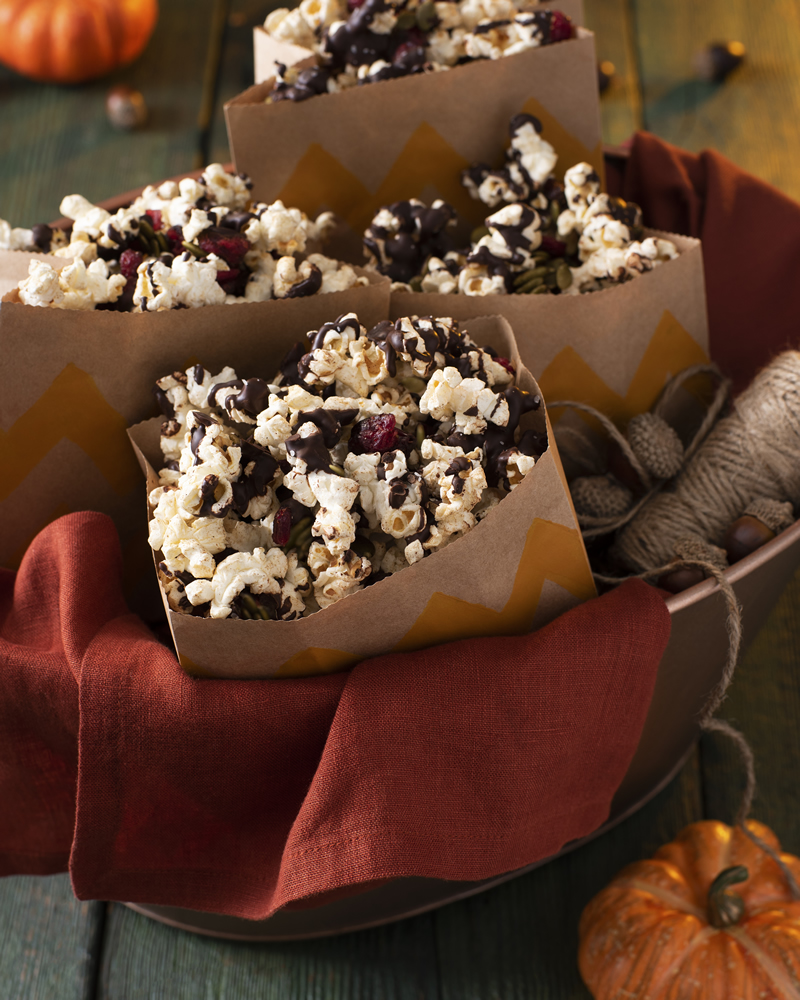
One of the appealing reasons of having the children start off the early weekend at the family homestead are the possibility of enjoying the late movie nights. While all their cousins gather for fun night followed by sleepover, we adults can enjoy a late night with either a marathon movie run with that huge tempting bowl of popcorn. Minus this combination, the movie runs feel incomplete. Along with the numerous flavourings and seasonings, each popcorn night lets the experimentation streak run free.

“Have you ever pondered the miracle of popcorn? It starts out as a tiny, little, compact kernel with magic trapped inside that when agitated, bursts to create something marvelously desirable. It’s sort of like those tiny, little thoughts trapped inside an author’s head that? in an excited explosion of words?suddenly become a captivating fairy tale!” Richelle E. Goodrich

One of the first use of the first use of wild and early cultivated corn was popping. Food historians believe that popped corn was integral to the South American regions as well as a part of the Aztec Indian ceremonies (early 16th century). As recorded by Bernardino de Sahagun, “And also a number of young women danced, having so vowed, a popcorn dance. As thick as tassels of maize were their popcorn garlands. And these they placed upon (the girls’) heads.” To date, the oldest ears of popcorn ever found were discovered in west central New Mexico(Bat Cave, 1948 and 1950) and dated to about four thousand years old.

Not just for basic food, popcorn was also used as decoration for ceremonial headdresses, necklaces and ornaments on statues of their gods (Aztec Indian), including Tlaloc, the god of rain and fertility. Following the traditions of Peruvian Indians, “They toast a certain kind of corn until it bursts. They call it pisancalla, and they use it as a confection (Spaniard Cobo, 1650).” Accounts of French explorers wrote of Iroquois people popping tough corn kernels in pottery jars filled with heated sand.

Early Spanish accounts write of various ceremonies honouring their gods as, “They scattered before him parched corn, called momochitl, a kind of corn which bursts when parched and discloses its contents and makes itself look like a very white flower; they said these were hailstones given to the god of water.” Finding it’s place among burial grounds as well, these kernels of popcorn were so well preserved that they would pop even though they were a thousand years old.

With colonization, trade imports and exports, popcorn had entered into the food patterns of the settlers and colonists. Initially through the 19th century popping of the kernels was achieved by hand on the stove-top. In fact the term “popped corn” first appeared in John Russell Bartlett’s Dictionary of Americanisms(1848) with the very early years seeing them popped by hand and added as ingredients to various products. Although popcorn was beloved by families as a late-night snack in front of the fire, or at picnics and sociables; mass consumption of the treat took off after Charles Cretors, a Chicago based entrepreneur who had built the first popcorn-popping machine (late 1890s) with the arrival of street carts with fully equipped steam-powered popcorn makers.

Adding to the ease of availability was the fairly inexpensive cost, such that it became a popular snack especially during the Great Depression. With the snack being popular especially at the movies as well as drive in shows, carnivals, fairs and matches, it became an essential part of these events. Over time popcorns have evolved from their basic style to a varied range of flavoured variants like caramel chipotle, coffee caramel and kettle, cheddar; although the classic butter and salt still stays ahead on the favoured list.

“Of course life is bizarre, the more bizarre it gets, the more interesting it is. The only way to approach it is to make yourself some popcorn and enjoy the show.” David Gerrold

Not just for the basic munch time, popcorn has found it’s place in numerous recipes like cheesy popcorn bread, power bars, glazed into sweet treats, muffins or as an add on to the salads, cereals, healthy mixes or simply into edible or inedible art, going beyond the food zone. Little wonder then why this kernel of delight has stayed on since it’s evolution from the very early years, still being a favourite then and now, with age never being a barrier.

Posted in Daily, Food

Sparkles on the Cups

Originally referred to as number cakes or “1234 cakes” (based on the measures of the ingredients), these sugary delicacies of 1700s have reached their own level of importance and appeal for the dessertarian of the present era.

“Cupcakes take the cake.” Unknown Author

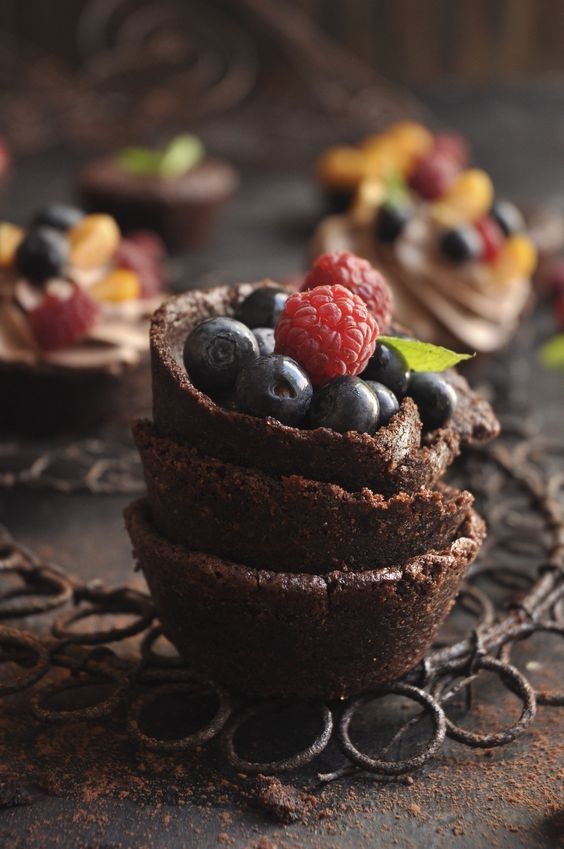
While the earliest description of today’s cupcake was based as a recipe for “a light cake to bake in small cups” as written in American Cookery (1796) by Amelia Simmons, the term “cupcake” itself was seen earlier as per Eliza Leslie’s Receipts cookbook in “Seventy-five Receipts for Pastry, Cakes, and Sweetmeats” (1828). Though the early 19th century saw the distinction between “cup cake” (based on measures or cups” and the cupcake, the difference was more for the baker’s perspective. Over the years, cupcakes turned from the simple delights to those with frosting, icing, sprinkles and sparkles. With the redesigning and reassembling and additions of ingredients, flavours and colours, the “cupcake” became a palatable fest and an art by itself. For special occasions, elaborately designed and frosted cupcakes have replaced the specially designed cakes, for a while.

With the arise of a variety of cupcakes, many other variants to the regular baking techniques have been seen. Like the popular “cake in mug” (made in a microwave) or “cake in a jar” are other ways of making cupcakes. By the latter technique, a glass jar instead of muffin tins or cupcake liners is used to bake the mix. Of the specially designed variants, are the fairy cakes or butterfly cake, a variant of cupcake made from any flavour of the cake. The top of the cupcake is cut off or carved out with a spoon and cut in half. Butter cream, whipped cream, jam or similar sweet fillings are spread into the hole. Finally the two cut halves are stuck into the butter cream to resemble butterfly wings with the “wings of the cake” being often decorated using icing to form various patterns.

Likewise “cake balls” are individual portion of cake, round like a chocolate truffle, coated in chocolate and made from crumbled cake mixed with frosting (than being baked) made as a sphere. Yet the specialty are in the “gourmet cupcake” of today, a recent variant of the routine cupcake. These “gourmet cupcakes” are large filled cupcakes, based around a variety of flavor themes like Tiramisu, Cappuccino, Oreo cookie shards, M &M rich and other exotic flavours.

“When you look at a cupcake, you’ve got to smile.” Anne Byrn

With each cupcake getting it’s special days, for the Chocolate Cupcake Day (October 18th) it would be fun to redesign the simple chocolate cupcakes as elaborate fairy cakes, sprinkles and icing or simply experiment and enhance the available recipe to an exotic twist. For that’s the fun with the sugar rush and art of dessert.

Posted in Food, Photography Art, Stories Around the World

Shape in Style

“Life is a cake and love is the icing on top of it. Without love, it becomes difficult to swallow life.” Mehek Bassi

Accompanying my cousin to the bakery was an enlightening event yesterday. With the twins birthday approaching in two weeks time, it was time for the placing the order for the cake. Like all to-be-four year old minds, they had very specific ideas for their cake; from the “Cars” based theme to the Disney’s “Frozen” theme, the possibility of getting one big cake design was the heart of the discussion with the main baker.

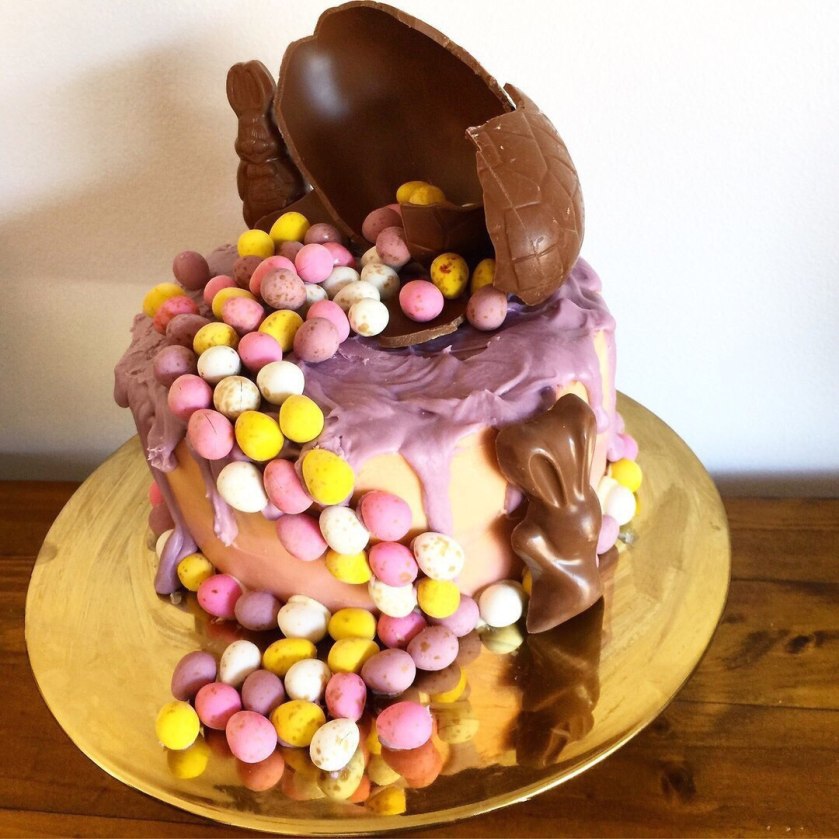
While waiting, scanning through the cake design books and available cakes on display was a feast for the artistic eye. While my childhood consisted mostly of cream with icing birthday cakes, these days fondant designed and themed cakes are the rage. Today, the early methods akin to construction of a structure by cutting shapes out of cake and piecing them together have been superseded by preformed character based designs and the shaping of cakes out of fondant and different forms of marzipan. From fondant (sugar paste or ready roll icing), royal icing, marzipan, modeling chocolate, gum paste and latest of few, edible ink printing, the design over cake has been transformed greatly.

Cake decorating had originated in Europe around the 17th century. With the production of baking powder and temperature controlled ovens (1840s), baking cakes became easy and the presentation more elaborate. The exact origins of cake decorating was believed to from a French bakery (1840s) when prices were increased on their cakes as the latter were decorated. With decorative shapes, cakes were adorned with icing, formed into patterns, flowers and food colouring was used to accent the frosting or layers of cake. Over the years depending on the occasions, cake decorating styles have been enhanced along with the ornamentation being more artistic.

These days even homemade cakes are being embellished with something simple as powdered icing, chocolate layer with sprinkles or the good old coloured icing. With the numerous designs and models of 2-D or 3-D made, no wonder that cake shows and related artistry are the all time rage not just for the special occasions or celebrations but also for avid dessertarian, dessert chefs or simply for the love of baking and art. 

“Whether you’re a bride or a birthday boy, your options are much the same. Cake comes in chocolate, yellow, or white. Frosting comes in chocolate or vanilla buttercream, or you can opt for whipped cream. Fillings are either chocolate or vanilla custard, fresh bananas, or strawberries or raspberries in season. For birthday cakes, you can have either flowers or balloons in your choice of colors. For wedding cakes, you can add either fondant or marzipan covering, or either smooth or basket-weave buttercream, in white or ivory, with either pearl-like dots or ribbony swags made of frosting, and fondant faux flowers are extra.” Stacey Ballis ( author of Wedding Girl)