Posted in Daily, Food

“Cobble” it Together

“Cherry cobbler is shortcake with a soul.” Edna Ferber

With summer round the corner and plenty of fruits to go around, desserts are always the reason why the meal gets completed in the twinkling of an eye, especially for the children. Even with the lack of time or frozen products over, dessert can be done soon, especially when bits of fruit over biscuit dough, batter or dumpling are baked to give the warm “cobbler” feel of the spring and summer skies.

Believed to have originated from the archaic word “cobeler” (recorded from 1859) meaning wooden bowl, cobblers were essentially a byproduct of the early years of European settlement in the Americas, especially by the English and the Dutch. They had initially emerged as a makeshift version of the popular pie recipes as a trail-modified desert.

“My earliest memory is making peach cobbler with my grandmother. A wonderful memory. I grew up in a restaurant family – B.B.Q. restaurant.” Rick Bayless

Unable to make the traditional puddings or pies, due to lack of ingredients or equipment as the settlers moves westward, modifications were made to the original methods. Consequently various ingredients were “cobbled together” with the available fruit, more common as peaches, plum or cherries, which were dried, preserved or canned, leavened dough (using baking powder) and an open fire. The initial cobbler were being made with a covered stewed filling with a layer of uncooked plain biscuits or dumplings, fitted together.

“Chocolate’s okay, but I prefer a really intense fruit taste. You know when a peach is absolutely perfect… it’s sublime. I’d like to capture that and then use it in a dessert.” Kathy Mattea

Cobblers were meant to be more palatable and sweet than pretty. Fruit, however it came, was dumped into a Dutch oven, topped with globs of biscuit dough and baked over an open fire until golden brown. Soon cobblers were quickly integrated into the settler diet, with the sweet dish being eaten for breakfast, as first course or as a main dish. Towards the late 19th century, the cobbler was officially labeled as a dessert.

“My earliest memory is making peach cobbler with my grandmother. A wonderful memory. I grew up in a restaurant family – B.B.Q. restaurant.” Rick Bayless

With modern technology of preservation, trade and transport; cobblers today have been vastly modified to include many fruit varieties including raspberries, blackberries as well being topped with cinnamon or vanilla essence, adding colours and flavours to the original version. Variants like grunts, pandowdy and slumps are Canadian Maritimes and New England varieties of cobbler are labelled when they are typically cooked on the stove-top or in an iron skillet or pan, with the dough on top in the shape of dumplings. The name originates from the grunting sound they make while cooking. Other popular variants include the apple pan dowdy (an apple cobbler whose crust has been broken and perhaps stirred back into the filling), the Betty or Brown Betty ( made with breadcrumbs or bread pieces or graham cracker crumbs and fruit, usually diced apples, in alternating layers, baked covered with a consistency of bread pudding) and the buckle (made with yellow batter like cake batter with the filling mixed in with the batter) among many others.

On the other hand, the scone-topped cobbler predominates in the UK where they are made both as sweet or savoury. While the common sweet fillings include apple, blackberry or peach; the savoury ones consists of beef, lamb or mutton as a casserole filling, sometimes with a simple ring of cobbles around the edge, rather than a complete layer, to aid cooking of the meat. The savoury versions may be topped with cheese or herb scones.

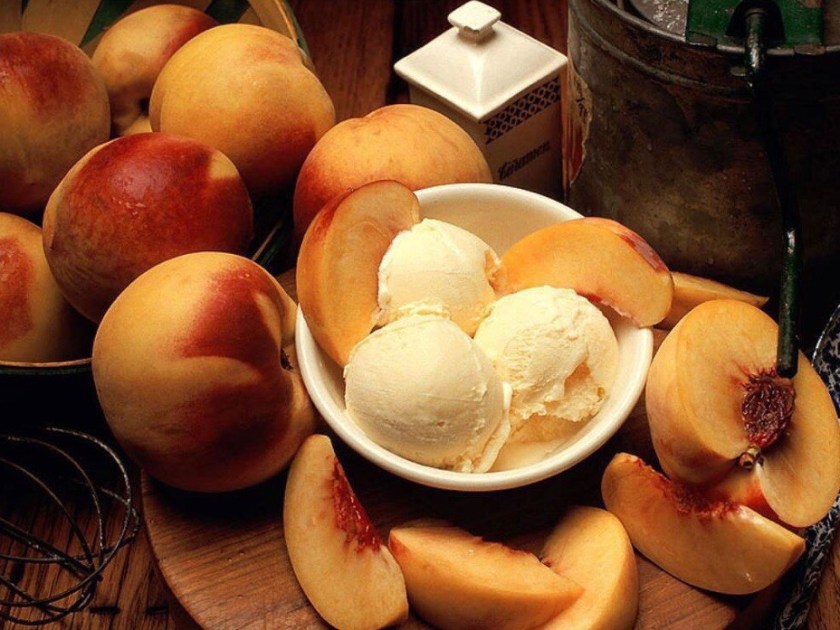
Over the years, cobblers have remained popular especially as they were quick to make for the luncheons and brunches. Little wonder then that the Georgia Peach Council declared April 13th National Peach Cobbler Day. Taking a bite of the rosy fruit cradled in warm pillows of cinnamon-scented dough and blanketed with the melted vanilla ice cream brings rich splendor to the senses, giving warmth and happiness all the way. For all the foodists at heart, have a little bite of cobbler to revel in the taste of sunny skies and warm sunshine.

“There are a couple of different types of food I eat a lot. I was raised in the South, in Tennessee, so I’m going to go with comfort food, soul food. I would probably start with collard greens and candied baby carrots and then have some biscuits and white gravy – and for dessert, probably blackberry cobbler.” Megan Fox
Posted in Daily, Food, Stories Around the World

Of Empanada, Origin and Evolution

“If you were a Colombian, you would have your version of an empanada. If you are an Argentinean, you might find a dough that’s baked and has a butter sheen on it. And then in Ecuador, you’ll find more crispy-fried empanadas. So, yeah, every culture has their own version of empanadas.” Jose Garces

Derived from the Spanish verb “empanar” which translates to “wrap in bread”, these fried or baked pastries stuffed with sweet or savoury filling, known as empanadas have enjoyed widespread global popularity. Across the Caribbean, Latin America, Portugal, Spain, Italy to as far as Philippines; this dish has its’ own local blends that make it delectable and adaptable to every local cuisine.

“You are the olive in my empanada.” Brazilian Saying

Originally believed to be from Galicia, Spain; the empanadas of today may have been the brainchild of the Moors who had occupied Spain for hundreds of years. The idea of wrapping a hardy filling in pastry dough had led to this little delight. Fillings including seafood have been documented in a cookbook published in Catalan, Spain (1520). With the spread of civilization, trade as well as colonization, this savoury delight had travelled around the world. In fact the first empanadas in Western Hemisphere are credited to Argentina with the US celebrating the National Empanada Day on April 8th. While empanadas are a traditional Christmas treat in New Mexico, they’re known as creoles(southwest and south) or as fried pies (southeast) depending on the locality.

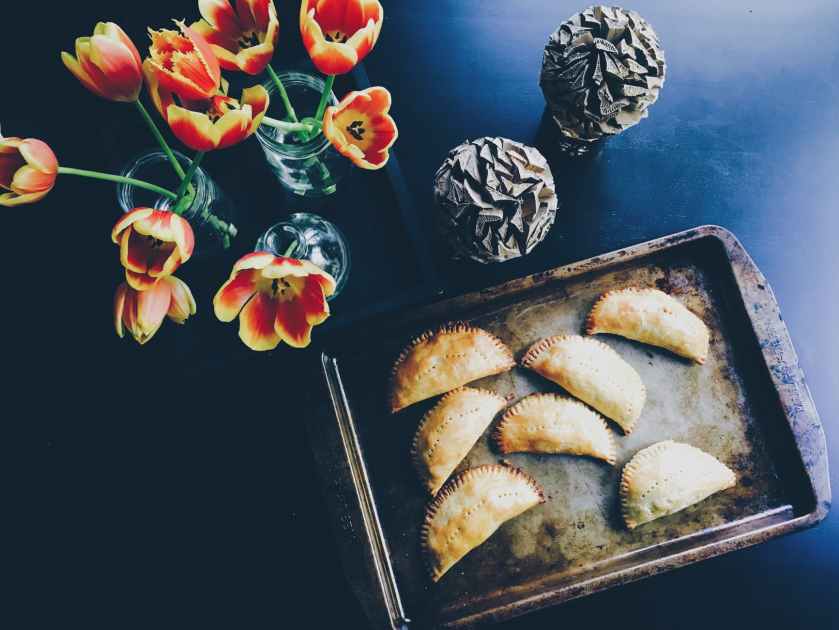
Similar to cut-up pies, empanadas are typically savoury often filled with cod fish or chicken. They are made by folding a disc of thinly rolled dough over the filling into a semicircle and then crimping the edges to seal it. The dough is often made with wheat flour, but can be substituted by corn flour, cornmenal, plantain or potato base, depending on the locally available ingredients. The content of the dough varies on whether the empanadas are to be baked or fried. The art of to make a perfect empanada is to hold the dough spread open, in one hand; while using the other hand to fill it and to crimp the edges. Homemade sweet varients of the empanadas are present in many local cuisines. For instance, the Gujiya is a traditional Indian crescent shaped dessert, similar like a sweet empanada.

There have been various variations similar to empanadas. Catibías, similar to empanadas are made with cassava flour dough with common fillings include ground beef, chicken, guava, and cheese. Pastelitos are similar to empanadas, too, but they’re made with a lighter pastry dough and they can be either baked or fried.

Travelling across the various countries, the ‘Mpanatigghi of Modica (half moon-shaped panzarotti filled with a mixture of almonds, walnuts, chocolate, sugar, cinnamon, cloves and minced beef), meat empanadas (“de pino”) of Chile , panades of Belize and so on, have been the varied presentations of the empanadas. Certain eateries in order to distinguish the varieties, develop a pattern on the pastry fold, crimping style of the edges or burn a letter(an abbreviated indication of the filling) into the dough.

Either way, one of the most easiest delights to be made for a novice cook, are empanadas which serve as quick bites, starters, breakfast, desserts or even for brunches to lunches.

“Don’t be afraid to adapt new ingredients into your own techniques, and traditional ingredients into new recipes.” Jose Garces

Posted in Daily, Food, Uncategorized

Going “Carrot” All the Way

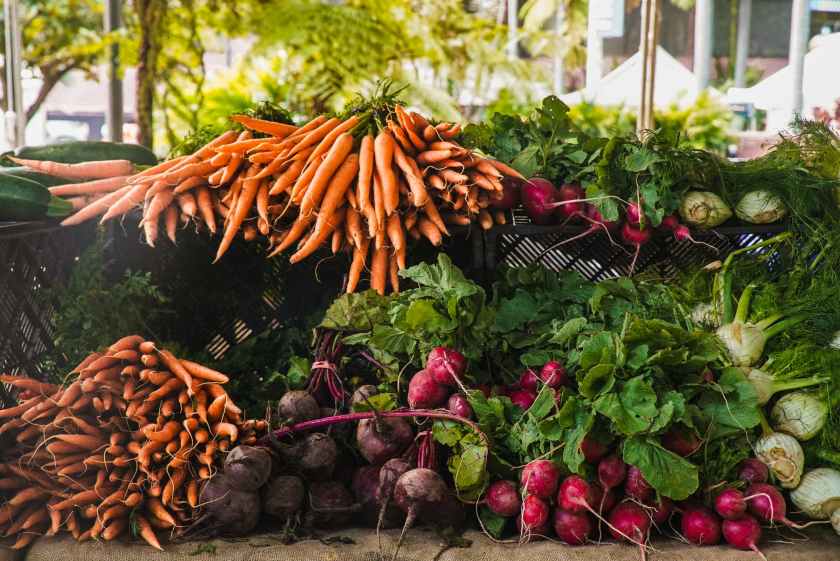
Being parents or guardians of little children, the most lovable yet tiring and troublesome phase is making them eat their vegetables. The beginnings of this battle with the “veggies” starts when they reach the toddler age, often progressing onto their years, even till high school and beyond.

“When a man is small, he loves and hates food with a ferocity which soon dims. At six years old his very bowels will heave when such a dish as creamed carrots or cold tapioca appear before him.” M. F. K. Fisher

With the advent of various art forms, school activities, newer recipes, extra seasonings and the magic of Bugs Bunny and Popeye the sailor man among others, have brought down the fervor of this battle. Among the various projects among play-schoolers to get them to eat their vegetables was observing special days like the International Carrot Day (4th April). While for the toddlers, activities range from supervised game activities, music, model art with play dough fun and costume art; parents have been tasked with preparing any carroty dish. Ranging from meal based recipes, of soups and main course (pies, curry, sandwiches) to snacks or desserts (“gajjar halwa”, carrot cake or sweet carrot tarts) and juices, the list of recipes is quite extensive. In the course of cooking, there was a couple of “carrot trivia” which make for an interesting read.

“Carrots are devine… You get a dozen for a dime, It’s maaaa-gic!” – Bugs Bunny

Belonging to the family Apiaceae, “Daucus carota”, whose common names include wild carrot, bird’s nest, bishop’s lace, and Queen Anne’s lace (North America), is a herbaceous, mostly biennial white flowering plant native to temperate regions of Europe and southwest Asia, and naturalized to North America and Australia. Interestingly both the words ” Daucus” and “carota” mean orange. Ironically carrots are not always orange, but can also be grown as purple, red, white or yellow variants. Known by the Ancient Greeks as “Karoto” with the plant called as Philtron or “Bird’s Nest”, they were initially grown as medicines, and later as food, also used as insecticidal agent as well. In fact, the Victorians had a carrot based recipe to destroy crickets especially as it was discovered that they were very fond of carrots. The mix was a paste of flour, powdered arsenic with scraped carrots, placed near their habitations.

The role of carrots go beyond the kitchen, with their part cited in the “Trojan War”. As far as legends go ( no documented evidence), the Greek foot soldiers who hid in the Trojan Horse were said to have consumed ample quantities of raw carrots to inactivate their bowels. However, this tale contradicts the fact that carrots are good for constipation. Being a mythical tale, did the soldiers of the Trojan War eat lot of carrots before the fight to clear their intestines and avoid any problems during the important moment ? Most likely, this apocryphal tale was conjured or circulated due to the Hollywood scenes, fiction writers or as a result of the “toddler veggie battles.” Yet their mention in literature is present with the Early Celtic citing them as “Honey Underground”.

“The day is coming when a single carrot, freshly observed, will set off a revolution.” Paul Cezanne

The Wild Carrot is called Queen Anne’s Lace. The reason being Queen Anne of England wore a lacy headdress which some people thought resembled the delicate flower cluster of Wild carrot, giving it its more poetic name, Queen Anne’s lace.

One of the first vegetables to be canned commercially, carrots were marketed on a wide scale. Additionally tobacconists in France used to put a carrot in their bins to prevent their tobacco from drying out. With the progress of preservation and brewery, carrots today, produce more distilled spirit than potatoes. To add on carrot as a sweet snack food, try the “carrot pie flavour jelly bean.” As far as the future holds, carrots are here to stay with their in the market as “bio-fuels“, especially as the oil runs out. So going “carroty” is the theme for now, especially today with trying something “carroty” as a special treat.

Posted in Daily, Food

The “PB&J” Way

“Man cannot live by bread alone; he must have peanut butter.” James A. Garfield

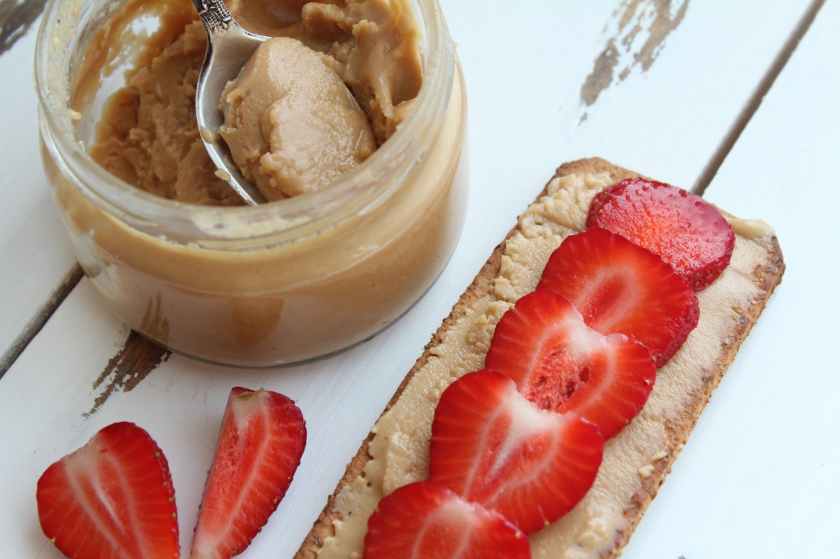
One of the iconic American sandwich is the “PB&J sandwich”, which includes one or more layers of peanut butter and one or more layers of jelly ( jam in British English) on bread. Eaten open faced or with one slice of bread folded over ( a “half sandwich”); this sandwich is quite common and popular among Americans especially the children. The history of the peanut butter and jelly sandwich is the story of three essential ingredients; all of which have been around for a long time, when combined together gives us the American favorite and enduring PB&J sandwich; which slowly soared in popularity across the world.

Layer each bread slice with two tablespoons of Peanut butter. The forerunner of the peanut butter of today was when a St. Louis physician, Dr. Ambrose Straub had made a peanut paste for geriatric patients who had trouble swallowing or had bad teeth (1880s). Around the same time, Dr. John Harvey Kellogg ( of the cereal fame) was the first to patent a process for manufacturing peanut butter. Post the Chicago World Fair (1983), where the peanut butter was first introduced and the St. Louis World Fair (1904) when Dr Straub had got a food company to develop the peanut spread further; their popularity rose high with grocery stores stocking up on peanut butter. Upscale tea rooms of New York City, peanut butter appeared as delicacies with watercress, sandwiches, on toasted triangles with soda crackers as well.

Then add two tablespoons of the iconic “strawberry Jelly” to the peanut butter layered bread slices, merge them and enjoy. The development of the jelly (although it has been around for a long time), in the case of this quintessential American PB&J sandwich can be credited to Paul Welch. He had secured a patent (1917) for pureeing grapes and turning them into jelly which he had developed and advertised as Grapelade. This was popular with America’s troops in WWI, who had brought the trend of Grapelade spread on bread, back to their homes after the war.

The first peanut butter and jelly sandwich recipe appeared in the Boston Cooking School Magazine of Culinary Science and Domestic Economics (1901) written by Julia Davis Chandler. The recipe had advised to use currant or crab-apple jelly with the combination being delicious and as far as known then, original.

With creamier peanut butter (doesn’t stick to the palate) being made, Grapelade and pre-sliced bread becoming popular, the PB&J slowly gained popularity. During the Great Depression of 1930s, families discovered that peanut butter had provided a less expensive but satisfying high protein substitute. Yet the major breakthrough came when this was included in the US Military ration menus of World War II. With peanut butter being high-protein, shelf-stable and easily portable; grape-lade on its’ second trip with the soldiers and pre-sliced bread readily available; the combination of the three became a part of the American soldier’s life.

When the soldiers came home from the war, the PB&J sandwich scored with the families. With the great taste and easy to make, both the young and the old loved it, especially when budgets were tight and the times were difficult.

“Everyone has the talent to some degree: even making a peanut butter and jelly sandwich, you know whether it tastes better to you with raspberry jam or grape jelly; on chewy pumpernickel or white toast.” Anna D. Shapiro

Today a wide variety of mix ups and combinations have been seen across globally, with honey or sliced fruit substituted for the jelly component or the transition to “almond butter and jelly” (AB&J) sandwiches. With marshmallow fluff being substituted for the jelly, or added for extra flavor; the “fluffernutter” sandwich is created. Cream cheese substituted for the peanut butter ( a cream cheese and jelly sandwich) or Nutella (possible substitute for one of the spreads) with PB or Jelly are other common variants.

Slight changes can be made to the original recipe by using an artisan bread and heating it in butter, which melts the peanut butter and jelly; creating a crispy, buttery crust on the bread similar to when cooking grilled cheese. White or brown bread alternatives include rye, whole grain or sourdough bread. One other popular variant of “PB&J” sandwich is “the peanut butter and Lucy banana sandwich” or peanut butter, banana and bacon sandwich,known as an Elvis sandwich or simply the Elvis, consists of toasted bread slices with peanut butter, sliced or mashed banana, and sometimes bacon. Honey is seen in some variations of the sandwich as well alternative fillings of sweet potato, carrots, pumpkin, and apples. The sandwich is frequently cooked in a pan or on a griddle, served hot. Additionally the PB&J can be added to pancakes, crepes and even french toast.

Like these combinations, many more are being made with creative cooking on the rise. Just like variety adds the spice to life, jelly up with peanut butter on this day as foodimentarians celebrate “Peanut butter and Jelly” Day today (April 2nd). Mix, match ad spice it up for a quick break from the routine cooking with both kids and family enjoying the break from the routines or predictability the day.

Posted in Daily, Food

Of Rice, Steam and Cake

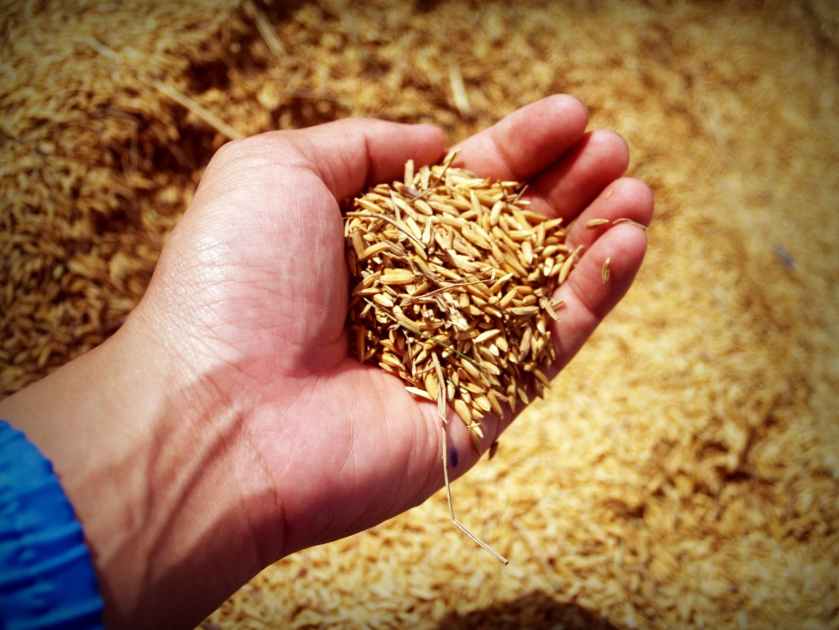
Add four parts uncooked rice (or parboiled rice) to one part whole white lentil (urad dal) are soaked separately overnight (at least four hours to six hours). Optionally spices like fenugreek seeds can be added at the time of soaking for additional flavour. After being soaked, the lentils are ground to a fine paste and the rice is separately coarsely ground and then combined. The mixture is left to ferment overnight during which its volume will more than double. The finished batter is put into trays of greased perforated moulds for steaming. The trays are held above the level of boiling water in a pot, and the pot is covered until done (about 10–25 minutes, depending on size).

Idli or idly are a type of savoury rice cake, originating from the Indian subcontinent, popular as breakfast foods. Made primarily from steaming a batter of fermented black lentils (de-husked) and rice, idlis are can be had at any time, most popularly with condiments like chutney and sambhar. Other variations include rava (semolina) idli, ragi idli, “tatte” idli varying to the local ingredients and flavour.

Several ancient Indian works mention the precursor of modern idli. Initial records mention soaking black gram in buttermilk, ground to a fine paste and mixed with the clear water of curd and spices. The three key aspects of the modern idli recipe; the use of rice (not just urad dal), the long fermentation of the mix and the steaming for fluffiness are left out. Popular belief is that the Indonesian influence on the cooks of those times may have let to the development of the modern idli. As of 2015, March 30 is celebrated as World Idli Day.

Besides known for its’ versatility of flavours and on the streets, idlis are nutritionally smart. In a single idli, one consumes 2 grams of protein, 2 grams of dietary fiber and 8 grams of carbohydrates, approximately 39 calories. In addition, it contains iron with trace amounts of calcium, folate, potassium and vitamin A. Spices like fenugreek, mustard seeds, chili peppers, cumin, coriander, ginger or sugar may be added to make them sweet instead of savory. Stuffed idli with filling of potato, beans, carrot and masala are popular. Leftover idlis can be cut-up or crushed and sauteed for a dish called idli upma. Creative fusion recipes like idly chicken, idly manchurian, idly fry, chilly idly and a lot of different ideas have been successfully experimented and recreated.

From the huge plate sized “thatte idlis” to the “Mangalorean Muday Idli” in steamed leaves or Goan Sannas and mini Sambhar idli, these dishes are travelling miles from the subcontinent and gaining popularity globally.


Posted in Daily, Food

Little “Bits” of Cake

“Cake on stick, once in a while, never hurts the diet.”

Baking a cake involves getting the right ingredients, weighing them and mixing them in the right proportions. For the more elaborate cakes, the icing, food colouring as well as the shapes of the base cakes needs to be set right. Ever tried making a “football field” cake without leftover crumbs. No matter how accurate and sharp the knife is, there are still inevitable crumbs of cake left behind.

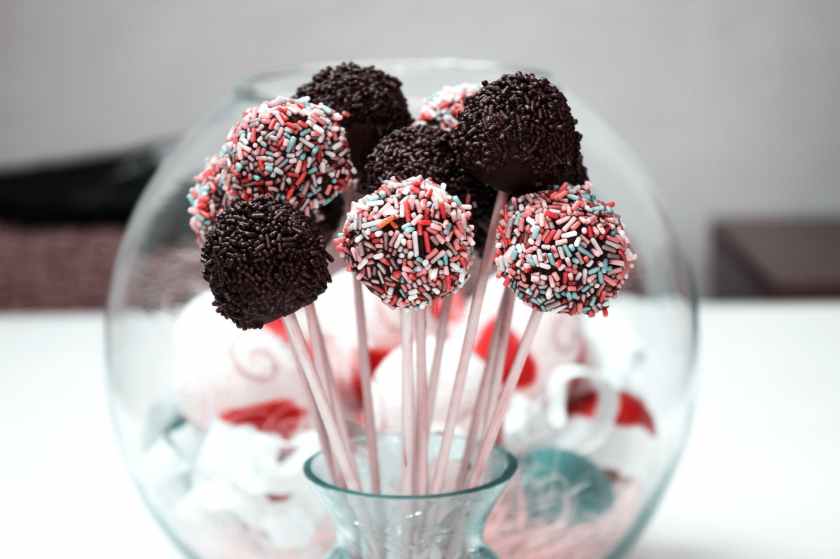
Gather all the crumbs, crush them and mixed them with the leftover icing and chocolate, shape them and coat them with sprinkles or gems depending on one’s choice. put them on sticks like lollipops and freeze. Voila, cake on sticks like candy or more popularly known as “cake pops” are ready.

Although there is no recorded date for the creation of cake pops, this confectionery craze took over the industry from 2009 to 2011. Often credited to “Bakerella” a baking blog, “cake pops” rose in popularity. While the regular “round or spherical shapes” of cake pops are easy to make, tools are needed for making various cartoon cake pops, cubes or emoticons. Add little notes or messages on them makes the routine more interesting and surprising, something like the fortune cookies. Variations of cake pops are cake balls, cakesicles (cake sand Popsicle), cupcake pops and cake-on-a-stick. The evidence of their popularity is globally felt with March 25th celebrated by foodimentarians as “National Cake Pops” Day. 

With the changing diet trends and necessity of sticking to “little dose of sugar”; the possibility of having these tiny delicacies puts the strong cravings to rest.

Posted in Daily, Food

Frozen to Last

One of the most common areas in the food mart where there is a constant flow of shoppers and at times, we do have to shove to get a leg space in between is near the frozen section. And if they are special offers then, its’ a constant rush of buyers checking the expiration dates with the discount offers.

Frozen foods have been in the system for quite some time. From the very early days of using simple techniques like crushed snow and ice for storage and the development of refrigerants, mechanical freezers to modern cryogenic or flash freezing techniques. Weighing the advantages and the demerits, certain foods are best frozen and especially to get the exotic vegetables, fruits, meat and desserts; freezing them is the option. Health wise, frozen foods aren’t dangerous once when we debunk the myths and get the facts and science straightened out.

” I’m obsessed with frozen yogurt because you don’t feel totally guilty eating it. It’s not as bad as ice cream, and during the hot summer months, it’s a great way to just refresh.” Caroline Sunshine

On buying frozen foods, fruits or vegetables; check the expiration dates. Technically these dates are given so as to recycle their use as well as to maintain their quality. Safety wise, unless the thawing process is wrong; generally frozen foods don’t get contaminated as long as the temperature requirements and settings are maintained.

Nutritionally speaking, fresh local produce is always better. Yet for recipes calling for the exotic ingredients, desserts or meat imported; frozen foods don’t lack the nutritional quality as long as the cold chain is maintained.

Thawed food once handled can be safe to refreeze as long as its’ been thawed in the fridge and not on the counter. Thawing frozen foods should never be done on the counter as it becomes a microbial plate then. Instead thaw it in the fridge compartment (from the freezer) or put it in cold water and change the water every half hour (USDA Recommendation). The shortcut technique of running hot water over frozen food could cause uneven cooking of the ingredients, in addition to safety issues.

After buying frozen foods, putting them directly in the freezer isn’t advisable as the air holes in the containers can deteriorate their taste and quality. Instead re-wrap the meat or fruits and vegetables (best to blanch the vegetables first) into air tight units pushing the maximum air out first. Quality wise, frozen foods have to be checked for added sodium; while frozen foods have to be nutritionally balanced with add on’s or side dishes for a balanced diet.

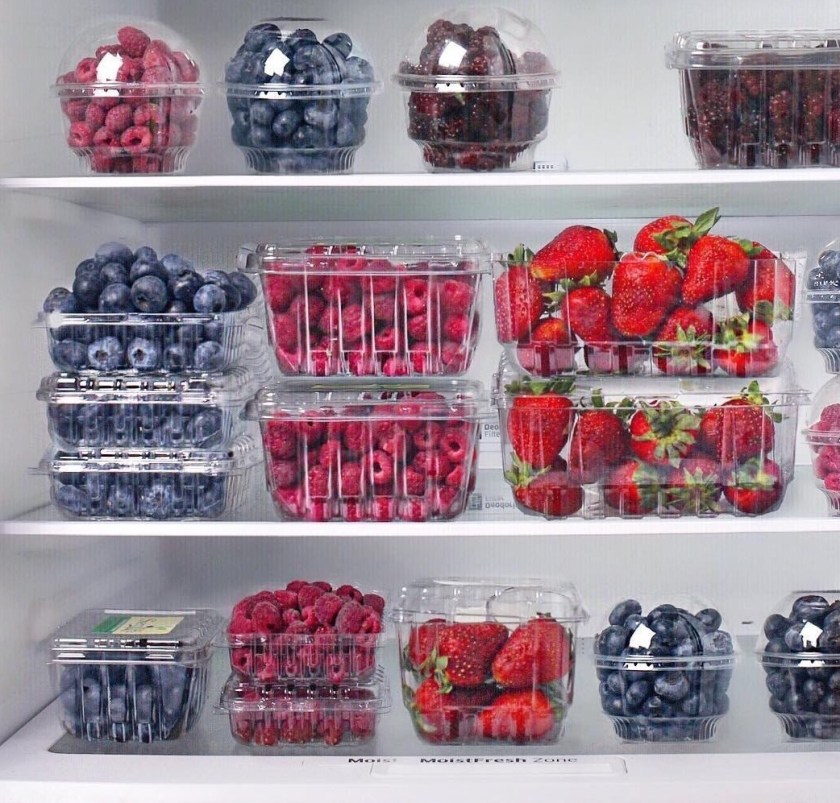
Frozen foods, on the whole isn’t a bad option to indulge in when required, as long as one maintains the temperature or cold chain and hygiene while handling them. For strawberries in winter, would give a pleasant surprise for the meal; besides enhancing the taste buds and flavouring the meal.