Posted in Food, Stories Around the World

Of Simplicity, Elegance and Canapés

Entering into the football and cricket season, weekends involve having the family and friends for the collective cheer and match-viewing. While for the first few days, quick snacks like crisps, fried pakoras, fritters, tater-tots provided immediate sustenance during the game hours; alternatives were required for the semi-finals and final game nights. Consequently it was tiny sandwiches and canapes for the remaining days.

One of the types of hors d’œuvre, a canapé is a small, prepared and often decorative food consisting of a small piece of bread (sometimes toasted), puff pastry or a cracker topped with some savoury food, held in the fingers and often eaten in one bite. The technical composition includes a base (bread, pancake, fresh vegetables or even crackers), the spread (compound butter, flavoured cream cheese, thick cream); the main item (meat, cheese, fish, relish, purees, caviar, foie gras) and topped with garnish of choice. The latter can be varied, from finely chopped vegetables, scallions, herbs or even truffle oil).

Quiet interesting is the fact that canapes weren’t an overnight invention. Savory protein on bread or pastry combinations (croutons, crustades) were a gradual adaption and evolution of the cuisine through Middle Ages. Though the “Canapes” of today, had originated in France. They were initially offered to the guests of the French fêtes (18th century) and this practice was adopted by the other cuisines around the world especially the English. Although the concept of making canapes have evolved, today they are also known as finger foods (not vice versa) or savouries. Though the larger canapes often border close to being labelled as open sandwich.

The beauty of making canapés is that subtle variations can affect a distinct difference in taste and style. For instance, the base can be changes to crackers, toasted bread pieces or even flat vegetables seasoned, deep fried or sauted cut into interesting shapes and sizes. For the kids, canapés can be decorated with sugar sprinkles, gems or even different coloured icing for an added touch of colour.

[1869:Paris]
“Anchovy canapes.
Cut some slices of crumb of bread, 1/4 inch thick; cut these in pieces 2 1/2 inches long, 1 1/2 inch wide; and fry them in clarified butter, till a nice golden colour; When cold, spread the pieces with Anchovy Butter; Steep some anchovies in cold water; drain, open, and trim them; Place 4 fillets of anchovies, lengthwise, on each piece of bread, leaving three small spaces between the fillets; fill the first space with chopped hard-boiled white of egg; fill the middle space with chopped parsley, and the third with chopped hard-boiled yolk of egg; Dress the canapes in a flat china boat, or small dish, generally used for all these cold Hors d’oeuvre.”
—The Royal Cookery Book, Jules Gouffe, translated and adapted for English use by Alphonse Gouffe [Sampson Low, Son & Marston:London] 1869 (p. 409)
[NOTE: This source also contains recipes for shrimp canapes, caviar canapes, crayfish tails canapes, lobster canapes, and smoked salmon canapes.]

Posted in Food, Stories Around the World

Platter of Warmth and Pasta

Informing my other half, that office hours would extend on till late evening resulted in the first reassurance whether everything was ready for dinner or not. Unfortunately the planned ahead wasn’t in order. Consequently it was a day of either ordering in for the entire family or an immediate quick meals ensemble or emergency cooking. With the sudden downpour, it was the latter that won the toss. Instead of the ever filling mac and cheese, it was pasta and cheese for dinner. While it mayn’t be as close to di Lelio’s “fettuccine alfredo”, it was a dish made of family love, that made the evening one of happiness, warmth and peace.

Tracing the roots of the famed fettuccine alfredo, would an interesting read. Serving fettuccine (flat thick pasta made of egg and flour) with butter and cheese can be found in the 15th century recipes for macaroni romaneschi (Martino da Como, Rome). Here the noodles are cooked in broth or water, butter is then added along with good cheese and varied sweet spices. Variation of the above ingredients with the fresh fettuccine being tossed with butter and Parmesan cheese, the latter forming a smooth rich sauce coating the pasta as it melts leads to the present day “Fettuccine Alfredo”.

As per family accounts, Di Lelio made it for his wife Ines, in order to entice her to eat after giving birth to their first child. Named as fettuccine al triplo burro initially, for the extra butter added while mixing up the fettuccine together. The initial recipes included the use of three ingredients: fettuccine, young Parmesan cheese and butter. As legends go, the original recipes have believed it’s secret lie in the oil added to the pasta dough or the noodles being cooked in milk. Whichever it may be, this dish had caught with the generation then and has been carried over since.

Interestingly as important as the taste, was the tossing of the fettuccine with the cheese and butter; such that the entire procedure was an art in itself. No matter how busy or dull the day may have been, Combining the essence of warm plate of homeliness, love, comfort food as well as warmth makes this dish; be it the homemade version or the dining out in-style brings out the best feelings within.

“This act of mixing the butter and cheese through the noodles becomes quite a ceremony when performed by Alfredo in his tiny restaurant in Rome. As busy as Alfredo is with other duties, he manages to be at each table when the waiter arrives with the platter of fettuccine to be mixed by him. As a violinist plays inspiring music, Alfredo performs the sacred ceremony with a fork and spoon of solid gold. Alfredo does not cook noodles. He does not make noodles. He achieves them.” — George Rector (1933)

Posted in Daily, Food

Basic, Staples and Gluten-free..

During childhood years, school breaks were one of the most awaited days. Not just for the fact that schools were closed, but also for the reason was that our parents would enroll us in the various extra-curricular activities or we could stay at our cousins’ place (on both sides of the family lines) for a part of the break. Staying with them was huge fun, not just for the camaraderie of cousins but also to be a part of various experimentation especially when one of my close-knit cousins was diagnosed with inflammatory bowel disease. So for a period of time, we were off wheat based diet and that is when the experimentation started. After all the salads and rice got tedious, my aunt had made few of the first gluten-free pancakes, of them one was the “potato pancake”.

Known as boxties, latkes, raggmunkar or simply potato pancakes, these are shallow-fried pancakes of grated or ground potato, matzo meal or flour (rice based or wheat) mixed with egg or applesauce (binding ingredient) and flavored with grated garlic or onion and seasoning. They can be had as savoury (with sour cream or cottage cheese), sweet dessert (with apple sauce, maple syrup or sugar), topped with spice condiments or just had plain. From mashing the potatoes to making pancake-shaped croquettes, there are plenty of variations with this basic meal. Interestingly with change of place, country or cuisine; these “potato pancakes” have a history of their own.

“Boxty on the griddle; boxty on the pan. If you can’t make boxty, you’ll never get a man!” (an old Irish rhyme)

One of the traditional potato pancakes, is the Irish boxty. The essence of the recipes (with regional variations) are the potatoes, finely grated and served fried. Recipe of the common version is of finely grated raw potato or mashed potato with flour (gluten-free in our case), baking soda, buttermilk, and sometimes egg. While the grated potato may be strained to remove some starch and water, it isn’t necessary. The mixture is fried on a griddle pan for a few minutes on each side, similar to a normal pancake.

When the flour is removed, one of the recipes is the Rösti or rööschti, a Swiss dish consisting mainly of potatoes, in the style of a fritter. Originating as a breakfast dish of the farmers (Bern), it has now become a Swiss favourite with plenty of European and trans-Atlantic variations. Rösti dishes are made with coarsely grated potato, either cooked or raw. With the potatoes being parboiled or grated raw, oil, butter or another fat may be added with salt and pepper. The potato mix is then shaped into rounds or patties (five inches to half inch thickness) and more commonly had pan-fried than baked. While the basic rösti consists of nothing but potato, a number of additional ingredients like bacon, onion, cheese, apple or fresh herbs are added, depending on the regional variations.

Keeping the consistency to a batter type, the Korean Gamja-jeon (or potato pancakes) is a variety of jeon (Korean style pancake), made by pan-frying finely grated potato on a frying pan with any type of vegetable oil until golden brown. Traditionally Gamjajeon is made with only potato, salt, and oil; though the grated potato may be enriched with slivers of carrots, onions or scallions, sliced mushrooms, or garlic chives, which adds color and crunchy texture to the dish. Had garnished with shredded fresh red and green chili pepper or served with a dipping sauce of soy sauce and vinegar.

There are numerous more variations to these recipes, like the Brigand’s pancake, Swedish raggmunkar, potatisplättar, rårakor and potatisbullar or the Polish placki ziemniaczane to name a few. If not for these simple changes, my cousin would have had a trying gluten-free diet. In fact, these traditional recipes make for an interesting variation from the regular cuisine. If one is not a fan of potatoes, sweet potatoes are an option. Though if one wants more gluten-free recipes, there are many others to choose from. With all these delectable variations, it is quite surprising that a bit of potatoes can bring out a lot of fun.

Posted in Food, Stories Around the World

A Slice of Crust, Filling and History

“Things that really matter are the things that gold can’t buy, so let’s have another cup o’ coffee and let’s have another piece o’ pie.” Irving Berlin

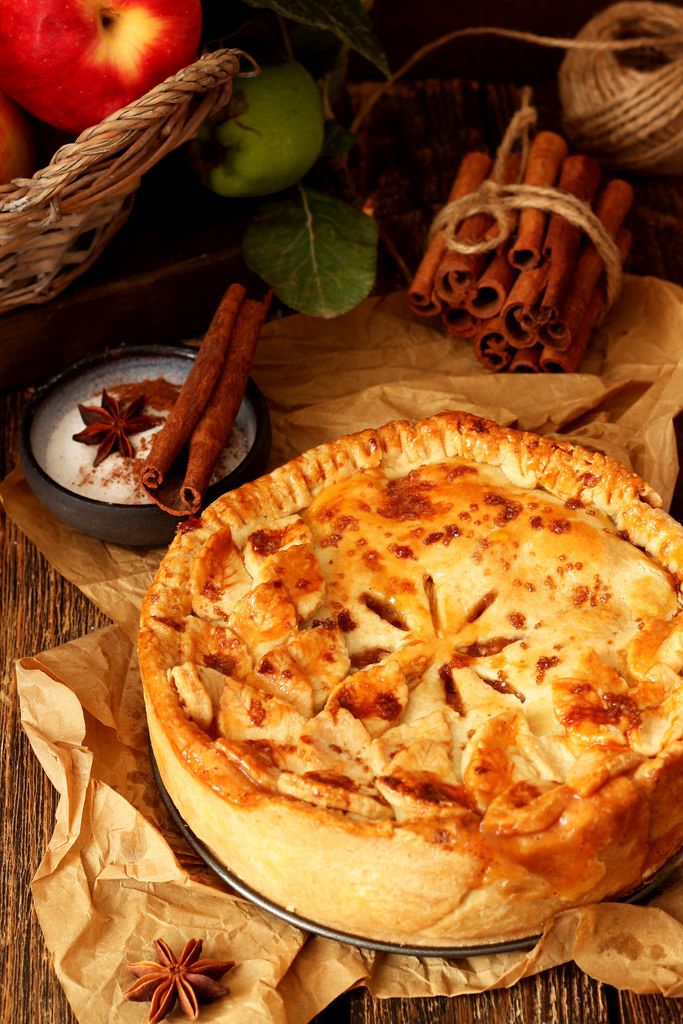
In the initial years of domestication, life in the kitchen revolved around one step meals. From casseroles to pasta and pie, homemade food was simple, basic and hassle free. One of the first recipes to attempt with the oven were the pie recipes, something that our grandmother used to to do on a weekend basis. Today with dessert pies being the classic in any restaurant, it makes for a welcome change from the usual simple desserts for the weekend lunch.

Interestingly the concept of pie making can be traced to as early as the Neolithic era of Egyptians. Pie essentially meant anything edible encased in a tough pastry shell mainly served as a baking dish, storage container or serving vessel, initially too hard to actually eat. As historical evidence points out, these early forms of pies are known as galettes, which essentially are rustic free-form pies. These pie-like treats were made with oat, wheat, rye or barley; then filled with honey and the dish was baked over hot coals. As Egyptian hieroglyphics and drawings show that the bakers to the pharaohs incorporated nuts, honey, and fruits in bread dough, a primitive form of pastry.

As the Greeks carried over the tradition of galettes; they had modified the pies during their period by making a flour-water paste wrapped around the meat, which served to cook the latter and seal their juices. When the Romans had conquered Greece, they had used various types of meat including oysters, mussels, lampreys, fish in every course of meal, sometimes even dessert . As written in the records of De Agricultura by the Roman Statesman Marcus Porcius Cato (234-149 B.C.), the recipe most popular during his era was known as the “Placenta” or “libum”. They were made more like a cheesecake, baked on or sometimes inside a pastry base, these were the initial pie/cake.

Through the gateways of the Roman cuisine, the trend of pie making made it’s inroads into the European cuisine, adapting itself to the local customs and imbibing itself with the traditional cuisine. The initial pies were known as “coffins” or “coffyns” (the word actually meant a basket or box). There were savory meat pies with the crusts or pastry being tall, straight-sided with sealed-on floors and lids. The open-crust pastry (no tops or lids) were known as “traps.” Holding an assortment of meat and sauce components, these pies were baked more like a modern casserole with the crust being the pan, its pastry tough and inedible. The crust was often made several inches thick to withstand many hours of baking. The initial pie prototypes were more savoury than sweet and were a mix of top-cased than open ones (known as tarts today). The sweet pies were more of the “tart” variety.

“Tak gode Applys and gode Spycis and Figys and reysons and Perys and wan they are wel brayed colourd wyth Safroun wel and do yt in a cofyn and do yt forth to bake wel.” (Recipe for apple tart, 1379) Source:The Forme of Cury, A Roll Of Ancient English Cookery, Compiled, about A.D. 1390, by the Master-Cooks of King Richard II.

As to the etymology of the word “pie”, the source may be traced to the magpie, a bird that was known for collecting odds and ends especially the shiny ones and storing them in it’s nest (visualize the similarity). Considering that the Medieval pies also contained many different animal meats including chickens, crows, pigeons and rabbits, the possibility rests on that similarity for the modern word of “pie”.

The modern pies are baked dish, with a pastry dough casing that completely contains a filling of various sweet or savoury ingredients and meant to be eaten. From sweet pies with fillings of fruit, nuts, brown sugar or sweetened vegetables like rhubarb or the savoury pies like the steak pie, Jamaican patty with plain meat, eggs and cheese (quiche) or a mix of the vegetables and meat (pot pie(, pies today are meant to be edible as a whole. And the crusty cover can be made from the typical shortcrust pastry meant for pies or even substituted by powdered biscuits, mashed potatoes, bread crumbs to give a soft or strong edible base or cover.

Modern pies carry a whole lot of tradition and history behind each dish typical of a particular cuisine. Knowing that and adding on to those ingredients, giving the pie making a special flavour and zing tot he final dish. After one of the best places to experiment, experience and recreate the flavours of history is the kitchen.

Posted in Daily, Food, Stories Around the World

Simple, Smoked and Short

One of the downsides of having to work far from home, is to not only the commute but also getting the meals right. With lunch packed and breakfast a tight run, getting the right share of calories is a constant battle. While fruit and salad can be quite easy and handy; for unexpected long hours it keeps the hunger pangs at bay only for a short while. While vending machines, cafes and delis are there plenty around, they cause significant hurt to the wallet as well as physique. Which is why short quick healthy meals get highlighted and tagged, to be learnt as soon as feasible.

One of the first endeavors was to modify the healthy combination of carbs and proteins right, by the basic sandwiches. The first to be subjected was “pastrami on rye”, making it to own adaptation and specifications. Technically of Romanian origin, pastrami is a meat product usually made from beef brisket, lamb or turkey. The raw meat is brined, partially dried, seasoned with herbs and spices, then smoked and steamed. Etymologically, the name “pastrami” can be traced to Roamnian pastrama; the latter being traced to the Bulgarian pastrija or Turkish pastirma or “bastirma” meaning pressed meat.

While earlier meat shops used to process them, these days they are readily available in the commercial chain grocers or supermarkets, commonly made as per the norms of the locality, either from lamb, turkey or meat. One of the advantages of the “pressed meat” is that it can be cut into thin wafer slices, medium cuts or slices or a really large filled sandwich of choice. The best part is there is no frying or oil involved.

As the sandwich chains and delis got onto the trend, serving meat sandwiches especially pastrami sandwiches became a novelty. For all sandwich lovers, it is a must. While for school or office lunches, this makes a good change from the routine and a break form the elaborate morning kitchen preparations. That one hour of lunch break can be made into a light, wholesome and healthy meal.

“You sit down at Katz’s and you eat the big bowl of pickles and you’re eating the pastrami sandwich, and halfway through you say to yourself, I should really wrap this up and save it for tomorrow. But the sandwich is calling you: Remember the taste you just had.” Mario Batali

Posted in Daily, Food, Stories Around the World

Christmas, Candy and Canes

What is the best to keep a crowd of noisy children quiet ? The best option would be to give a bag of sweets, preferably mints or hard boiled candies for then there would be snatches of quiet.

On similar lines as per folklore, the choirmaster at Cologne Cathedral ( Cologne, Germany 1670) wished to quieten the noise made by the children during the long Living Crèche ceremony of Christmas Eve at church. He asked the local candy maker for some “sugar sticks” and add a crook to the top of each stick. While the latter would have probably been meant to be symbolic of the shepherds visiting Infant Christ as well as to justify the practice of giving candy to children during worship services. With the white colour of converted sticks, children were taught about Christian belief in the sinless life of Jesus.

Their popularity from Germany had spread to the rest of Europe, wherein these candy canes were handed out during plays reenacting the Nativity. Another legend connects candy canes to the anniversary of the death of St. Nicholas (343 A.D.) with the candy cane representing the crozier or bishop’s staff of St. Nicholas. Though other legends may run through various locals, the candy cane especially the classical red and white one is synonymous with Christmastide. Records also mention of August Imgard (Wooster, Ohio, 1847) decorating a small pine tree with paper ornaments and candy canes.

With the similarity to the polkagris, candy canes are a part of Christmas tradition which stays on till New Year. From the simple red and white ones to the more coloured and striped ones, with various flavours of peppermints to spicy or salty variants, candy canes keep the confectioners busy for the end of the year season. Intermixing the essence of candy cane into varied desserts, from cookies to truffles or cupcakes, experimentation with candy cane is an experience in itself. With the smells of candy canes and Christmas time, the golden yesteryear of childhood still stay fresh in the mind. For that is what happy memories are all about.

Posted in Food, Stories Around the World

Cookies, Spices and Holidays

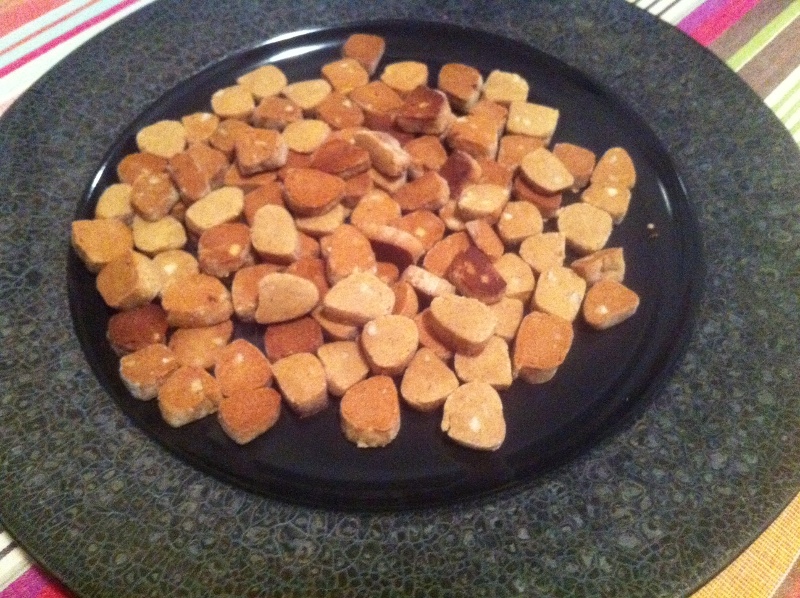
No Christmas or winter holidays would be complete without the tiny peppernuts, cookies baked and stored in tins, kept for the cold nights or after hours of carolling. Made with plenty of assistance, these holiday cookies come by many different names, varying from region to region, with their own legends behind them. These tiny spice cookies are quite popular as holiday treats, known as pepernoten (Dutch), pfeffernuesse or peppernuts (English) or pebernødder in Danish. While the exact origin maybe uncertain, traditional beliefs links these cookies to the Dutch feast of Sinterklaas, where children receive gifts from St. Nicholas. Since 1850, these cookies have been a part and parcel of the European yuletide celebrations.

Flour, brown sugar, sugar, cloves, cinnamon.

Unlike the name “peppernut”, these cookies don’t always contain nuts in its ingredients. The size of the cookie, roughly similar to nuts and can be eaten as a handful, which probably accounts for the name. The ease of making these pfeffernüsse has resulted in a varied range of recipes, with variations made in the used of the amounts of aromatic spices like cinnamon, cloves, mace, nutmeg, cardamom or anise as well as the sweeteners used, ranging from options of powdered sugar, brown sugar, molasses, honey or a fine dusting of icing sugar. To make the dough similar to the early century versions, leavening agents like potassium or ammonium carbonate are used to get the sticky and dense consistency.

Accounting for the regional variations pepernoots are similar Dutch cookie-like confectionery. Certain recipes are similar to the Pfeffernüsse although they look completely different when baked. Other recipes vary in the adding of cardamom, pepper, butter, vinegar, eggs, brown syrup to the usual holiday cookie ingredients of flour (wheat or rye), cinnamon and cloves. Light brown and square shaped, they are fairly chewy and harden gradually when exposed to the air.

“Best of all are the decorations the grandchildren have made ~ fat little stars and rather crooked Santas, shaped out of dough and baked in the oven.” Gladys Taber

In addition to the baking, the customs with these pepernoten (or pepernoots) stay on. From hiding handfuls of them through the room so that children can look for them or hiding pocketfuls of them while caroling or for ice skating breaks. In earlier days, new parents would place one or two carrots underneath the infant’s pillow so that Sinterklaas would then come and bless the child by showering the infant with “pepernoten”.

Modifying these recipes by choice, making them gluten-free or adding the favourite ingredients and toppings gives these holiday cookies a personal touch and flavour. In the midst of all, getting the ingredients kneaded with help of many tiny hands gives these holiday spice cookies a pleasant feel and memories full of warmth and laughter worth treasuring for life.

“Peacekeeper Christmas Spice Cookies 225g butter, softened 200g sugar 235ml molasses 1 egg 2 tbsp. sour cream 750g all-purpose flour 2 tbsp. baking powder 5g baking soda 1 tsp. ground cinnamon 1 tsp. ground ginger pinch salt 145g chopped walnuts 145g golden raisins 145g chopped dates In a large mixing bowl, cream the butter and sugar together. Add the molasses, egg and sour cream; mix well. Combine the flour, baking powder, baking soda, cinnamon, ginger and salt; gradually add to creamed mixture. Stir in walnuts, raisins and dates. Chill for 2 hours or until easy to handle. On a floured surface, roll out dough finely. Cut with a 21/2-inch round cookie cutter. Place on greased baking sheets. Bake at 325°F for 12–15 minutes. Cool completely.”
Jenny Colgan (Christmas at the Cupcake Cafe)