Posted in Daily, Food, Stories Around the World

Splash of White

“I had some dreams, they were clouds in my coffee.” Carly Simon

For coffee connoisseurs around the globe, knowing the exact coffee-lingo is a must. Following the dictum of “When in Rome, do as the Romans do”, coffee lingo too changes as per place. Be it the espresso macchiato or the Caffè macchiato (not the latte macchiato) or the “café pingado”, all routes lead to another coffee concoction.

Known as espresso macchiato or Caffè macchiato (latter in Italy), it is essentially an espresso coffee drink with a small amount of milk (usually foamed) in it. The origin of this drink could be possibly attributed to the baristas which needed to show their serving waiters the difference between an espresso and the effect to it after a little bit of milk was added to it. The purpose was to just mark or stain the espresso. In Italian, macchiato means “stained” or “spotted” so the literal translation of caffè macchiato is “stained” or “marked coffee.” Moving over to the Portuguese version of this drink where it is renamed as “café pingado” literally translated to coffee with a drop. Although in Mexico, it is called a cortada, the latter terminology mayn’t be used in other countries as it meant for another coffee beverage with a higher amount of milk in it as compared to the macchinato.

“Black as the devil, hot as hell, pure as an angel, sweet as love.” Charles Maurice de Talleyrand

As compared with any other similar coffee drink with milk, the caffè macchiato has the highest ratio of espresso to milk. The key to a perfect macchiato lies in getting the quantities right. As the name suggests, this coffee should contain just a splash of milk, which is added to pure espresso. The traditional macchiato is about one and a quarter ounce that is one ounce of espresso with a small amount (around one to two teaspoons) of milk, the latter is mostly steamed with slight foam so there is a visible mark. The purpose of the milk is to enhance in moderation (rather than being overwhelming), preserving the bold flavour and the taste of the coffee while adding a delicate touch of sweetness (as an alternative to added sugar).

For coffee cognoscente attention to details are required for the preferred coffee. While an average cappuccino has an 1:2 ratio and latte has a 1:3 ratio of espresso to milk, the average size espresso macchiato has a 2:1 ratio. To prepare the drink at home or in a semi-professional barista set-up, a single shot of espresso is poured into a demitasse (a small espresso cup) and then a splash of hot milk is added. Few recipes suggest adding 1–2 teaspoons (approx. 5 to 10 grams) of milk heated to 140 to 150°F (60–66°C). Heating the milk so, would introduce steam into the milk causing the fats to expand and develop a layer of little bubbles like a “micro-foam.” This is most often done using an espresso machine and a steam wand.

For a change, as the autumn showers run by and the cold wintry winds approaching soon, the scent and flavours of coffee maybe enjoyed the “macchiato” way. As any javaphile would agree, those little beans can liven up the day at any hour or moment of time.

“To espresso or to latte, that is the question…whether ’tis tastier on the palate to choose white mocha over plain…or to take a cup to go. Or a mug to stay, or extra cream, or have nothing, and by opposing the endless choice, end one’s heartache.” Jasper Fforde


Posted in Daily, Food, Stories Around the World

As Basic as Bread

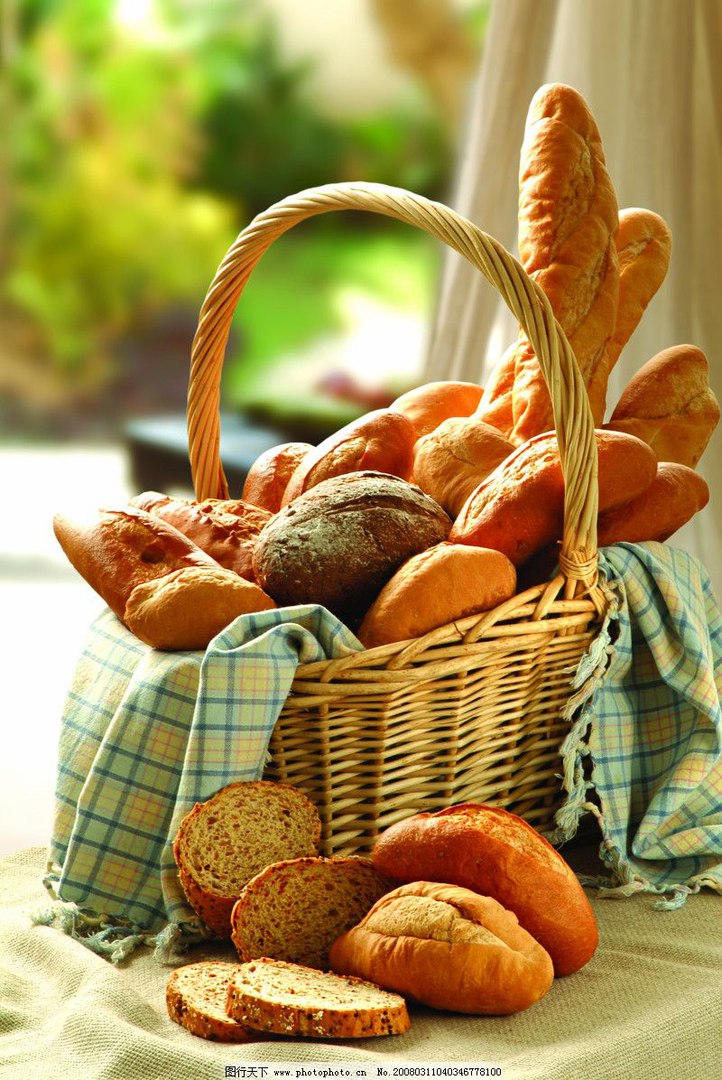
One of the after-effects of mixing flour, water and yeast which was later baked had resulted in the preparation of the one of the most staple foods had across different countries of the globe. With the dawn of civilization and agriculture leavened (or in certain areas the unleavened form) bread has become a part of the local cuisine and culture, such that existence without it for a couple of days would be quite unthinkable.

Etymology tracing the roots, the word “bread” originally meant “broken piece” or “morsel”, as evidenced by the appearance of West Frisian brea, Dutch brood, German Brot, Swedish bröd, Norwegian and Danish brød; all a part of the Gemanic languages which had transferred few of it’s roots to the Middle and Modern English. Although “hlaf” was the old English name for bread (hlaifs in Gothic: modern English loaf).

One of the earliest prepared foods, archaeological evidence shows starch residue on rocks. Possibly roots of certain plants (possibly cattails and ferns)were pounded on these rocks for their starch extract, then placed over a fire and cooked, which would be the earliest primitive form of flatbread. With the rise of agriculture ( Neolithic Age) and cultivation of certain plants, cereal may have then been the mainstay of bread making.

“Good bread is the most fundamentally satisfying of all foods; and good bread with fresh butter, the greatest of feasts.” James Beard

Leavening of the bread in the early years may have happened through multiple sources. One possibility would be that leaving the uncooked dough exposed to air for sometime would result in the airborne yeast spores falling in. Another fact is that many yeast spores are naturally found on the surface of cereal grains, so if any dough is left to rest, it may leaven naturally. Records of Pliny the Elder report that the Gauls and Iberians used barm (the foam skimmed from beer) to produce “a lighter kind of bread than other peoples” such as barm cake. Other parts of the ancient world used their knowledge of wine to find a source of yeast, either by making a paste composed of grape juice and flour that was allowed to begin fermenting or wheat bran steeped in wine. Another common source of leavening was to retain a piece of dough from the previous day to use as a form of sourdough starter.

Modern methods of bread making was initiated by the Chorleywood bread process (1961) which uses the intense mechanical working of dough to dramatically reduce the fermentation period and the time taken to produce a loaf. Mostle used on a factory scale, this resulted in bread being easily available on a large scale and in the commercial market.

Alternative to the regular wheat bread, bread may be made from other wheat species like spelt, emmer, einkorn and kamut or made from non-wheat cereals like rye, barley, corn, oats, sorghum, millet and rice have been used to make bread. Although only rye bread can be made exclusive of wheat, others may need a little of wheat flour for binding process. Although for the purpose of preparing gluten-free breads, ground flours from various alternatives like almonds, rice, sorghum, corn, legumes (like besan), tubers (cassava) maybe used. As these flours mayn’t hold their shape as they rise and hence may be dense without the aeration, additives such as corn starch, eggs, xanthan gum and the like are used to compensate for the lack of gluten.

From sliced bread to sourdough loaves, there are a variety of breads being made pertaining to each locality and region like the yeast based anadama bread, hoppers, Scottish bannock, cottage loaf, Austrian kifli, Spanish mollete or the Swiss Zopf to mention a few. There is nothing more satisfying than making own bread once in a while. From the regular bread to short bread, the choice of recipes and methods are plenty. Giving the sweet tooth a rest, it would be an interesting experience to give bread baking a try, may be adding a more individual, experimental and creative touch to it.

“The smell of good bread baking, like the sound of lightly flowing water, is indescribable in its evocation of innocence and delight… [Breadmaking is] one of those almost hypnotic businesses, like a dance from some ancient ceremony. It leaves you filled with one of the world’s sweetest smells… there is no chiropractic treatment, no Yoga exercise, no hour of meditation in a music-throbbing chapel. that will leave you emptier of bad thoughts than this homely ceremony of making bread.” M.F.K. Fisher, The Art of Eating

Posted in Daily, Food, Stories Around the World

The “Petit Four” Story

“It was the best first kiss in the history of first kisses. It was as sweet as sugar. And it was warm, as warm as pie. The whole world opened up and I fell inside. I don’t know where I was, but I didn’t care. I didn’t care because the only person who mattered was there with me.” Sarah Addison Allen (author of The Sugar Queen)

Craving for a snack between meals, especially during office hours wherein it is a situation between the need for the sugar versus the knowing that control is a must (mind vs. body), the deli across the road offers a relief during the short breaks. With the variety of mignardises of petit four on display, these cravings can be satisfied when their effect runs too hard.

Known more commonly as petit four than mignardises, the former word when literally translated from French means “small oven”. These small bite sized single piece confectionery or savoury appetizer arose in the 18th and 19th century French cuisine.

Before the gas ovens had been invented, those years saw the large brick ovens (more common Dutch design) being used. The latter used to take a long time to heat up (especially to the bread baking temperatures) as well as cool down. Taking advantage of the stored heat, bakers used these ovens to bake pastry during the cooling process which was known as baking à petit four (literally “at small oven”).

Walking into any French patisserie, these assorted small desserts are usually called mignardises; whereas the hard, buttery biscuits are called petits fours. Similar to the petit four is the classical Austrian confection of pastry known as Punschkrapfen or Punschkrapferl (punch cake), which has a legend of it’s own.

These petits fours come in three main varieties, as Petit Fours Glacé (“glazed”) predominantly served as iced or decorated tiny cakes topped with marzipan covered in fondant or icing. The second category includes savoury bite-sized appetizers usually served at cocktail parties or buffets known as Salé (“salted”). The third category are the Sec (“dry”) which encompasses dry cookies, dainty biscuits, baked meringues, macarons, sable beurre, palmiers, duchesses and puff pastries, all baked at low temperatures for a long time. Other categorizations also include the Petits fours frais which are any small pastries like sponge cakes like madeleine, financiers, creme filled pastries like eclairs or tartlets, all these must be eaten the same day they are made for the quality is lost if they sit longer. On the healthier front, there is the “Petits fours Deguises”, made of fresh or dried fruit dipped in a sweet coating such as chocolate or cooked sugar.

Homemade petit fours can be made on a more simple and creative way with plenty of icing sugar, fondant, candied bit and pieces as well as the good old chocolate to add to the flavours and sparkle it to a work of art. With this wide assortment of treats, petit fours are indeed a delightful to enjoy that little bit of sugar, the concentrated way or slightly less or simply be savoury for a change.

Posted in Food, Stories Around the World

Of Kladdkaka and Chocolate

Butter. Eggs. Sugar. Cocoa or chopped dark chocolate. Vanilla sugar. Flour. Pinch of Salt.
Minimum Baking Time.

While prepping a sudden luncheon meet for old friends, the dessert dish had to be something different, for we three ladies were all dessert connoisseurs. Hunting down for quick cake recipes, had led to the Swedish Kladdkaka, a gooey choclate cake that requires the very basic ingredients and minimum preparatory as well as baking time. This venture had led to the revelation of interesting tidbits and details of this favoured Swedish delight.

Kladdkaka, literally translated as gooey or messy cake (more commonly known as “chocolate mud cake” is a dense sticky chocolate cake with a soft and gooey center, often served with whipped cream or vanilla ice cream and raspberries. Widely believed to be one of the best cakes for chocoholics, there are many variations to the standard recipe for this delight. One of the major reason for it’s gooey nature (quite different from brownies and other regular sugar cookies) is the absence of baking soda in this preparation. With just mild whisking, the absence of air bubble results in the stickiness.

While tracing the exact origin of this cake didn’t lead to any specific occasion or person, it is believed to have been inspired by the brownie or the French chocolate cake recipe; with its’ origin being at a time when baking soda wasn’t routinely available (probably around World War II). Another theory was that Kladdkaka came from Örebro where Gudrun Isaksson (1938) baked brownies from a recipe she received from the USA. As baking powder was difficult to get hold of then, the dough became liquid resulting in the chocolate mud cake. Alternatively it was believed that this cake came to Sweden via the editor-in-chief of the Veckojournalen (1968), Margareta Wickbom who had visited a cafe in Paris where she tasted chocolate cake and brought home the recipe. It was known as “Elake old man’s muffins” then, believed to be made first in muffin form.

Regardless of the roots, with the simplicity of the recipe, ingredients and quick baking time, it makes for a welcome change for the quick but elaborate dessert. Variations are there with coffee added to the regular flavour or making the cake on block chocolate to give a whitish texture to it, adding fruits or nuts as well as making the batter more lighter or luxurious or give it a flour-less twist. So for the kitchen experimenters or home chefs, dessertarian and chocoholics, here is another recipe and delight to add to the ever growing list.

“This cake is one of those cakes I take for granted somehow. I love it so much but I rarely bake it. Before I started baking like crazy, about 5 years ago, I used to bake two times a year, tops. Two times a year, that’s it. And when I did, it was always “kladdkaka” (roughly translated “sticky cake” or “gooey cake” but I’ll just call it Swedish chocolate cake). Why kladdkaka then? Well, first of all, it was the only recipe I knew how to make. Second, it’s probably the easiest thing you could possibly make, and it’s just so darn delicious. You simply have to make this one! And don’t forget to serve it with whipped cream (vanilla ice cream is ok as well)!”
Linda Lomelino, Call Me Cupcake

(Sources: http://kladdkakerecept.blogspot.com/, https://culturedarm.com/a-swedish-kladdkaka-recipe/)

Posted in Daily, Food, Stories Around the World

As Simple as “Sandwich”

Typically there in almost every household menu, whether it be a snack meal, lunch or dinner or simply a flash picnic meal, ranging from being savoury to sweet or deli made as well as simple and loaded with plenty of fillings, sandwiches have been undeniably had by the old and the young, at some point of time. The popularity lies in it’s ease in making it as well as having it, tapering each menu as per own individual choice.

“The idea of a sandwich as a snack goes back to Roman times. Scandinavians perfected the technique with the Danish open-faced sandwich, or smorroebrod, consisting of thinly sliced, buttered bread and many delectable toppings.” DeeDee Stovel ( author of Picnic: 125 Recipes with 29 Seasonal Menus)

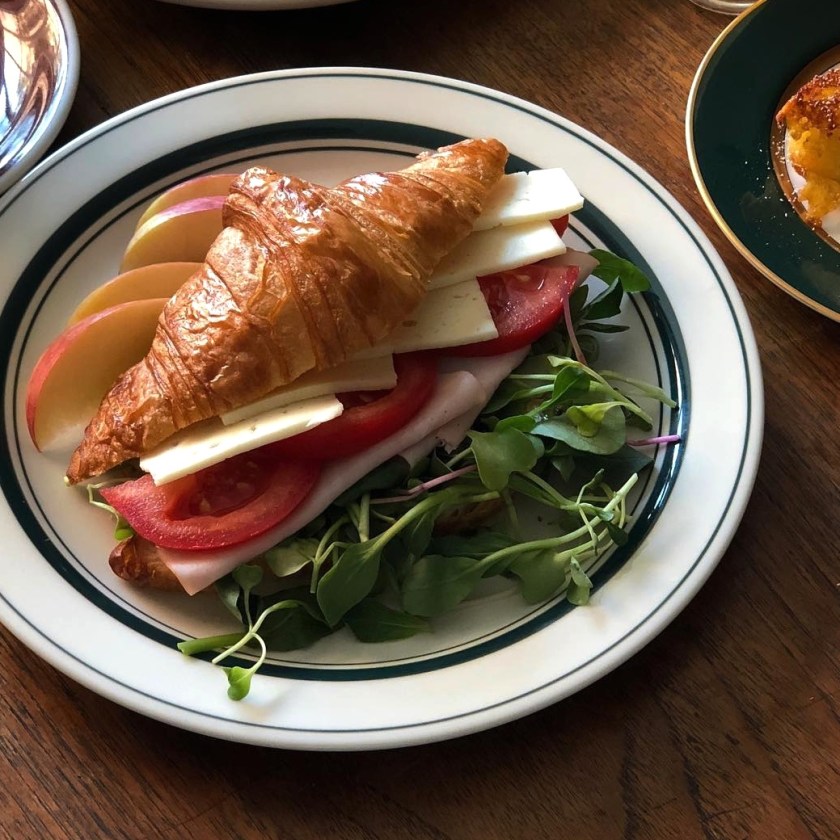
Fillings of either a savoury kind (vegetables, sliced cheese, meat and the like) or simply something sweet and buttery placed on or between slices of bread (two or more) make up the basic sandwich. Although in general, if two or more pieces of bread serve as a wrap or container holding in a set of fillings, which can be had as finger foods, constitute “the sandwich”. Though the name “sandwich” is attributed to John Montagu, 4th Earl of Sandwich, this basic combination has been there quite earlier.

The use of bread (including flat-breads) or bread-like staple to lie over and under or simply cover up or used to scoop up, enclose or wrap up another mix of ingredients was used in such a fashion in various cultures across the continents. Throughout Western Asia and northern Africa areas, the indigenous cuisine had the use of flat-breads ( bread baked in flat rounds, contrasted tot he European loaf), whih were used to scoop or wrap small amounts of food (in a spoon like fashion) while having the meal.

As per records, Hillel the Elder (ancient Jewish sage) had wrapped meat from the Paschal lamb and bitter herbs in a soft matzah—flat, unleavened bread—during Passover (like a modern wrap). The European Middle Ages saw “trenchers” (thick slabs of coarse and usually stale bread) being used as plates. After the meal, these food-soaked trenchers were fed to dogs. Seventeenth century Netherlands had the immediate culinary precursor (with a direct connection to the English sandwich)as recorded by the naturalist John Ray that in the taverns beef hung from the rafters “which they cut into thin slices and eat with bread and butter laying the slices upon the butter”, which were served as the Dutch “belegde broodje” an open-faced sandwich.

“It’s like making a sandwich. I start with the bread and the meat. That’s the architecture. Add some cheese, lettuce and tomato. That’s character development and polishing. Then, the fun part. All the little historical details and the slang and the humor is the mayonnaise. I go back and slather that shit everywhere. The mayo is the best part. I’m a bit messy with the mayo.” Laini Giles

Moving forwards to the eighteenth century England, the popularity of the sandwich arose as the popular myth that bread and meat sustained Lord Sandwich at the gambling table (as recorded in Tour to London by Pierre-Jean Grosley). As legend goes Lord Sandwich ( being a very conversant gambler and into many portfolios for the government) didn’t take the time to have a meal during his long hours playing at the card table. Instead he would ask his servants to bring him slices of meat between two slices of bread. This habit (well known among his gambling friends) enticed them to order as “the same as Sandwich!”. Thus the terminology “sandwich” was born. Alternative account as written by N.A.M.Rodger (Sandwich’s biographer), who suggests that Sandwich’s commitments to the navy, politics and the arts meant that the first sandwich was more likely to have been consumed at his work desk. As per records the original sandwich was a piece of salt beef between two slices of toasted bread.

What was initially perceived as food that men shared while enjoying a game or drink as social nights, the sandwich slowly began appearing in polite society as a late-night meal among the aristocracy. With the rise of the industrial era and the working classes as well as the ease of making and inexpensive ingredients, the popularity of the sandwich rose in the nineteenth century. The street vendors had popularized the sandwich sales (London, 1850). Also typically serving liver and beef sandwiches, sandwich bars were set up (especially in western Holland). The sandwich was first promoted as an elaborate meal at supper, in the United States. As bread became a staple of the American diet (early 20th century), the sandwich became the same kind of popular, quick meal following the widespread trend of the Mediterranean and European cuisine.

“I love sandwiches. Let’s face it, life is better between two pieces of bread.” Jeff Mauro

By itself, sandwich has a wide range of varieties, from the simple PB&J sandwich to the more complicated fillings. Broadly mentioning the major types of sandwich include those with the two slices of bread (or halves of a baguette or roll) with other ingredients between; more complex sandwiches like club, hero, hoagie or submarine sandwich, open-faced sandwich and the pocket sandwiches. Based on the fillings as well as type of sandwich, there is the BLT, cheese sandwich, French dip, hamburger, Monte Cristo, muffuletta, pastrami on rye, peanut butter and jelly sandwich, cheese-steak, Reuben and sloppy joe to mention a few.

Few misnomers include the sandwich cookies and ice cream sandwiches, named by analogy not because of them being bread containing food are generally not considered sandwiches in the sense of a bread-containing bits. Another variant is the layer cake or sandwich cake, made of multiple stacked sheets of cake, held together by frosting or another filling type like such as jam or other preserves.

“Enjoy every sandwich.” Warren Zevon

Sandwiches, today can be filled with a variety of fillings, ingredients based on choice, availability, ingenuity and locality. From the Baloney salad sandwich to the Vietnamese Bánh mì or the Chilean Churrasco, French croque-madam, Chinese Rou jia mo, Southeast Asian Roti john, Finnish Ruisleipä and Hunagrian Zsíroskenyér to mention a few, the sandwich culture has evolved in a way. Keeping in a more creative manner fillings can range from the more bizarre like popcorn or marshmellows to Oreo cookies or the more intricate and spicy curry for a change. So when in a flurry for time, getting creative with a sandwich can o wonders for the body, mind and soul.

“I put some flour, salt, and spices in a freezer bag and then put the pieces of lamb in and then went shake-shake-shake. The lamb was nicely covered with the flour. I browned the lamb and then put it aside. Then I fried some onion with cinnamon, cloves, and cardamom, added some tomatoes and then the lamb, and cooked until the lamb was all flaky. I mixed chopped lettuce, pieces of avocado, and pomegranate seeds, along with a little bit of lemon juice. I cut the pita bread open, put the lamb curry in, and then the lettuce-avocado mixture. All done!” Amulya Malladi (author of Serving Crazy with Curry)


Posted in Daily, Food, Stories Around the World

“Pop” the Corn

One of the appealing reasons of having the children start off the early weekend at the family homestead are the possibility of enjoying the late movie nights. While all their cousins gather for fun night followed by sleepover, we adults can enjoy a late night with either a marathon movie run with that huge tempting bowl of popcorn. Minus this combination, the movie runs feel incomplete. Along with the numerous flavourings and seasonings, each popcorn night lets the experimentation streak run free.

“Have you ever pondered the miracle of popcorn? It starts out as a tiny, little, compact kernel with magic trapped inside that when agitated, bursts to create something marvelously desirable. It’s sort of like those tiny, little thoughts trapped inside an author’s head that? in an excited explosion of words?suddenly become a captivating fairy tale!” Richelle E. Goodrich

One of the first use of the first use of wild and early cultivated corn was popping. Food historians believe that popped corn was integral to the South American regions as well as a part of the Aztec Indian ceremonies (early 16th century). As recorded by Bernardino de Sahagun, “And also a number of young women danced, having so vowed, a popcorn dance. As thick as tassels of maize were their popcorn garlands. And these they placed upon (the girls’) heads.” To date, the oldest ears of popcorn ever found were discovered in west central New Mexico(Bat Cave, 1948 and 1950) and dated to about four thousand years old.

Not just for basic food, popcorn was also used as decoration for ceremonial headdresses, necklaces and ornaments on statues of their gods (Aztec Indian), including Tlaloc, the god of rain and fertility. Following the traditions of Peruvian Indians, “They toast a certain kind of corn until it bursts. They call it pisancalla, and they use it as a confection (Spaniard Cobo, 1650).” Accounts of French explorers wrote of Iroquois people popping tough corn kernels in pottery jars filled with heated sand.

Early Spanish accounts write of various ceremonies honouring their gods as, “They scattered before him parched corn, called momochitl, a kind of corn which bursts when parched and discloses its contents and makes itself look like a very white flower; they said these were hailstones given to the god of water.” Finding it’s place among burial grounds as well, these kernels of popcorn were so well preserved that they would pop even though they were a thousand years old.

With colonization, trade imports and exports, popcorn had entered into the food patterns of the settlers and colonists. Initially through the 19th century popping of the kernels was achieved by hand on the stove-top. In fact the term “popped corn” first appeared in John Russell Bartlett’s Dictionary of Americanisms(1848) with the very early years seeing them popped by hand and added as ingredients to various products. Although popcorn was beloved by families as a late-night snack in front of the fire, or at picnics and sociables; mass consumption of the treat took off after Charles Cretors, a Chicago based entrepreneur who had built the first popcorn-popping machine (late 1890s) with the arrival of street carts with fully equipped steam-powered popcorn makers.

Adding to the ease of availability was the fairly inexpensive cost, such that it became a popular snack especially during the Great Depression. With the snack being popular especially at the movies as well as drive in shows, carnivals, fairs and matches, it became an essential part of these events. Over time popcorns have evolved from their basic style to a varied range of flavoured variants like caramel chipotle, coffee caramel and kettle, cheddar; although the classic butter and salt still stays ahead on the favoured list.

“Of course life is bizarre, the more bizarre it gets, the more interesting it is. The only way to approach it is to make yourself some popcorn and enjoy the show.” David Gerrold

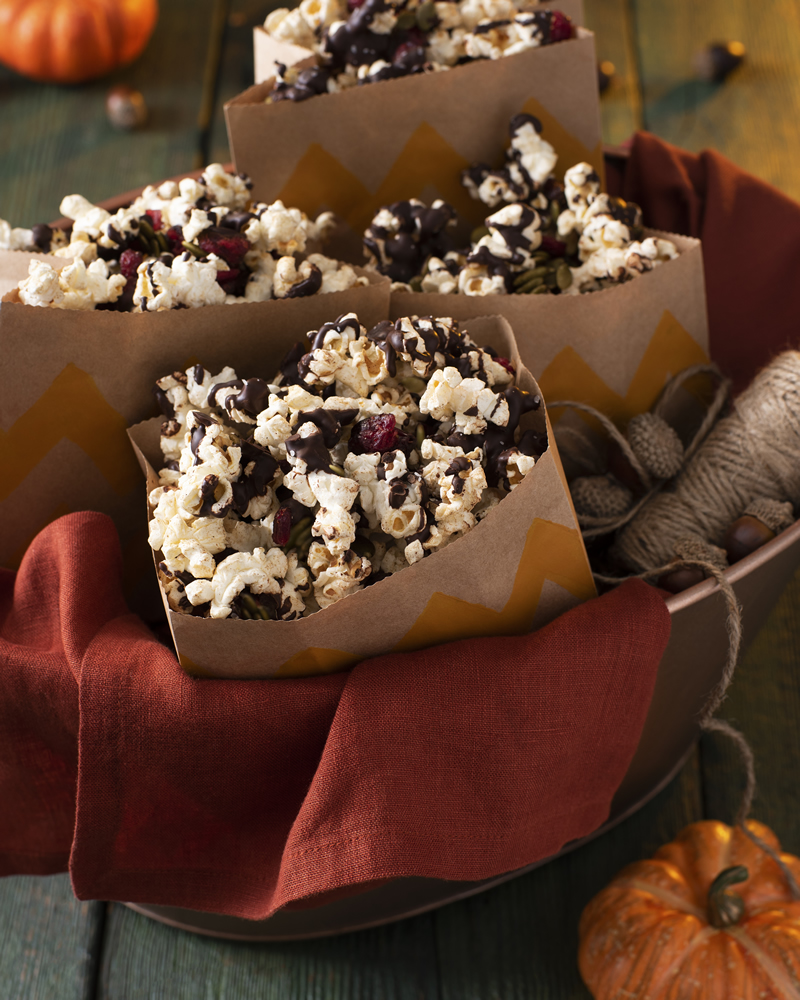
Not just for the basic munch time, popcorn has found it’s place in numerous recipes like cheesy popcorn bread, power bars, glazed into sweet treats, muffins or as an add on to the salads, cereals, healthy mixes or simply into edible or inedible art, going beyond the food zone. Little wonder then why this kernel of delight has stayed on since it’s evolution from the very early years, still being a favourite then and now, with age never being a barrier.

Posted in Daily, Food, Stories Around the World

Of Pasta, Origin and Style

“Life is a combination of magic and pasta.” Federico Fellini

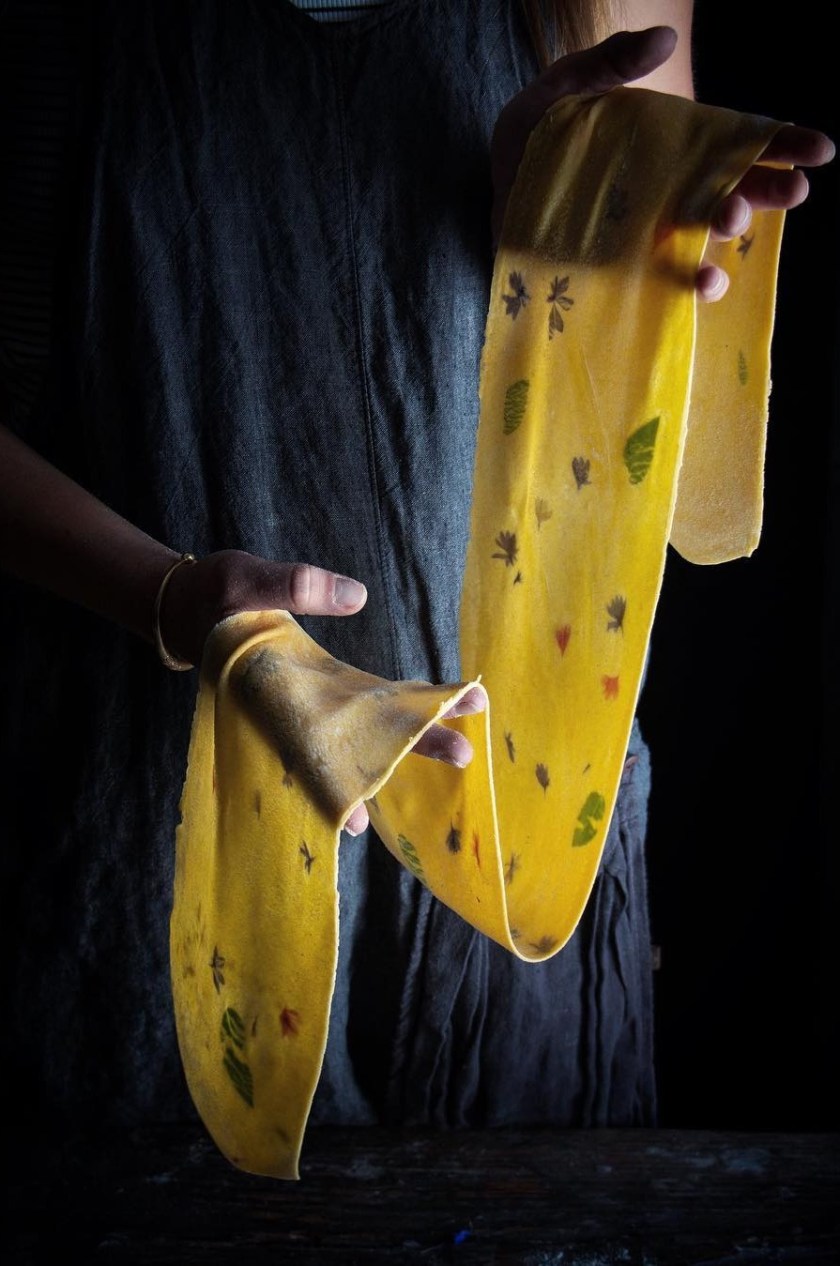
Typically made from an unleavened dough of durum wheat flour (semolina) mixed with water or eggs, formed into various shapes or as sheets, then cooked by boiling or baking, pasta has been there since the ancient years. Although etymology speaking, the first English attestation of the word “pasta” (1874) comes from Italian pasta, which was from the Latin pasta, the latter being the  Latinization of the Greek παστά (pasta) meant as “barley porridge”.

“You don’t need a machine to make pasta: a rolling pin and a fast hand can create a smooth, if thick, sheet.” Yotam Ottolenghi

Broadly divided as two categories of fresh (pasta fresca, prepared traditionally by hand or at home) and dried (pasta secca, commercial preparation). One of the advantages of pasta is it’s versatility from being the main course to a side dish, as salad or as a filler for sandwiches or as an accompaniment to main course or as light lunches. Classically there are three main kinds of prepared dishes. One type is the pasta asciutta (or pastasciutta) wherein the cooked pasta is plated and served with a complementary side sauce or condiment. Another is the pasta in brodo, in which the pasta is part of a soup-type dish. The third category is the pasta al forno where the pasta is incorporated into a dish that is subsequently baked in the oven.

Tracing the origin of pasta, the entire roots don’t lead back to Italy alone. The writings of Horace (1st century AD) mention lagana (singular: laganum) made of fine sheets of fried dough used in the daily menu. Athenaeus of Naucratis (2nd century AD) provides a recipe attributed to Chrysippus of Tyana(1st century AD) wherein sheets of dough made of wheat flour and the juice of crushed lettuce, then flavoured with spices and deep-fried in oil. However the method of cooking these sheets of dough does not correspond to the modern pasta, although the basic ingredients and perhaps the shape were similar. Food historians have noted several milestones, similar to pasta. Like the itrion (mentioned by Greek physician Galen, 2nd century AD) as homogeneous compounds made of flour and water, later modified as a boiled dough known as itirum common to Palestinian lands (300 to 500 AD) and recorded so in the Talmud. The Arab physician and lexicographer Isho bar Ali (9th century AD) defines itriyya, the Arabic cognate, as string-like shapes made of semolina and dried before cooking. A form of itriyya is laganum (Latin) which refers as a thin sheet of dough, a precursor of the modern Italian lasagna.

“You can buy a good pasta but when you cook it yourself it has another feeling.” Agnes Varda

The North African areas had couscous (steamed balls of crushed durum wheat semolina or of pearl millet and sorghum), more like droplets of dough which is less malleable than pasta. Rustichello da Pisa writes in his Travels that Marco Polo described a food similar to “lagana”. With traces of pasta being found in Ancient Greece and later Arabian cuisine records of similar dishes, pasta has come a long way before being ingrained into the Italian cuisine and culture. The first concrete information concerning pasta products in Italy dates from the 13th or 14th century. And as far as shapes of pasta and their sauces are concerned, there is a whole mine of information out there. From long to short, minute pasta for soups (pastina) or pasta all’uovo (egg pasta), there are many varieties of the basic pasta. For those of us, who need them gluten free, alternatives include rice flour, brown rice, shirataki noodles, chickpea, quinoa, corn, millet, buckwheat and amaranth to mention a few with certain varieties of gluten free being multigrain (mix of all above).

Although pasta dishes are generally simple, individual dishes vary in preparation with the flavors of local cuisine being incorporated when possible. With the mood for autumn setting in and ingredients varying to availability and choice, spicing up a basic pasta dish to the more elaborate style can set the creative cooking into full swing with an undeniable delectable pleasure for the palate and the taste buds. A bit of pasta can add plenty of spice, the way one wants it so.