Posted in Daily, Food, Stories Around the World

The “Gin and Tonic” Way

“A Spoonful of sugar helps the medicine go down
The medicine go down-wown
The medicine go down
Just a spoonful of sugar helps the medicine go down
In a most delightful way”
( Excerpt from the Lyrics of A Spoonful of Sugar in the movie Mary Poppins, an 1964 American musical fantasy film.)

The process of making any child take their medicine involves plenty of guile and quick action. Maybe such a trick was used by the Scottish doctor George Cleghorn to ensure that quinine had reached the officers in the malaria prone areas of the Indian subcontinent and other tropical regions (1700s).

“The gin and tonic has saved more Englishmen’s lives, and minds, than all the doctors in the Empire.” Winston Churchill

To mark the bitter taste of quinine, a traditional cure for malaria, it was drunk in tonic water to mask the bitter taste. The early 19th century saw the British officers add a mixture of water, sugar, lime and gin to the quinine in order to make the drink more palatable, thus leading to the birth of gin and tonic. With the passage of years and evolution of modern medicine, the quinine in tonic water has been tapered down to a bare minimum. In hindsight, science has proved that essentially this practice of quinine intake was impractical for malaria prophylaxis or even treatment. Keeping those facts aside, it is the “gin and tonic” that stays on.

“When life gives you juniper berries, make gin!” Laurie Buchanan

Today gin and tonic serves as a highball cocktail with the ratio of gin to tonic varying as per taste, strength of the gin, the presence of other drink mixers; although most recipes mention a ratio between 1:1 to 1:3. The classical garnish was with a slice or wedge of lime. The mixers today include lime juice, lemon juice, orange juice, spiced simple syrup, grenadine, tea or a dash of champagne (the Parisian), super smokey whiskey (the Ol’ Smokey), peach liqueur and grapefruit bitters (Tonic Delight), mint bitters and chocolate liqueur (the Guilty Pleasure) and the like or simply mixed with a sorbet. From the classical lime wheel garnish to the orange peel, a slice of ginger, star anise, thyme-elder flower or the more exotic combinations of pink grapefruit and rosemary, mint and black peppercorns, strawberry and basil the evolution of the garnishes for gin and tonic is depending on own taste and local availability. The Spanish variation of gin and tonic has the drink from being fruit based or the use of herbs and vegetables served in a balloon glass as the latter helps to appreciate the aroma of the drink better.

On similar lines to gin and tonic, the Dubonnet, a sweet, aromatised wine-based aperitif made as a blend of fortified wine, herbs, and spices with alcohol was first sold by Joseph Dubonnet (1846) to find a way of persuading French Foreign Legionnaires in North Africa to drink quinine. Likewise the “Lillet” and quinquina were similar aperitif wines initially made for medical reasons with the latter purpose made obsolete over time.

The popularity of the variations of the gin and tonic has led to the establishment of exclusive Gin-Tonic bars, in which customers can choose their preferred gin, tonic, and garnish from a menu. With the creativity streak coming to the forefront at gatherings especially when supplies are limited, the different variations of gin and tonic bring forth recipes and mixes worth the change.

Posted in Daily, Food

Sparkles on the Cups

Originally referred to as number cakes or “1234 cakes” (based on the measures of the ingredients), these sugary delicacies of 1700s have reached their own level of importance and appeal for the dessertarian of the present era.

“Cupcakes take the cake.” Unknown Author

While the earliest description of today’s cupcake was based as a recipe for “a light cake to bake in small cups” as written in American Cookery (1796) by Amelia Simmons, the term “cupcake” itself was seen earlier as per Eliza Leslie’s Receipts cookbook in “Seventy-five Receipts for Pastry, Cakes, and Sweetmeats” (1828). Though the early 19th century saw the distinction between “cup cake” (based on measures or cups” and the cupcake, the difference was more for the baker’s perspective. Over the years, cupcakes turned from the simple delights to those with frosting, icing, sprinkles and sparkles. With the redesigning and reassembling and additions of ingredients, flavours and colours, the “cupcake” became a palatable fest and an art by itself. For special occasions, elaborately designed and frosted cupcakes have replaced the specially designed cakes, for a while.

With the arise of a variety of cupcakes, many other variants to the regular baking techniques have been seen. Like the popular “cake in mug” (made in a microwave) or “cake in a jar” are other ways of making cupcakes. By the latter technique, a glass jar instead of muffin tins or cupcake liners is used to bake the mix. Of the specially designed variants, are the fairy cakes or butterfly cake, a variant of cupcake made from any flavour of the cake. The top of the cupcake is cut off or carved out with a spoon and cut in half. Butter cream, whipped cream, jam or similar sweet fillings are spread into the hole. Finally the two cut halves are stuck into the butter cream to resemble butterfly wings with the “wings of the cake” being often decorated using icing to form various patterns.

Likewise “cake balls” are individual portion of cake, round like a chocolate truffle, coated in chocolate and made from crumbled cake mixed with frosting (than being baked) made as a sphere. Yet the specialty are in the “gourmet cupcake” of today, a recent variant of the routine cupcake. These “gourmet cupcakes” are large filled cupcakes, based around a variety of flavor themes like Tiramisu, Cappuccino, Oreo cookie shards, M &M rich and other exotic flavours.

“When you look at a cupcake, you’ve got to smile.” Anne Byrn

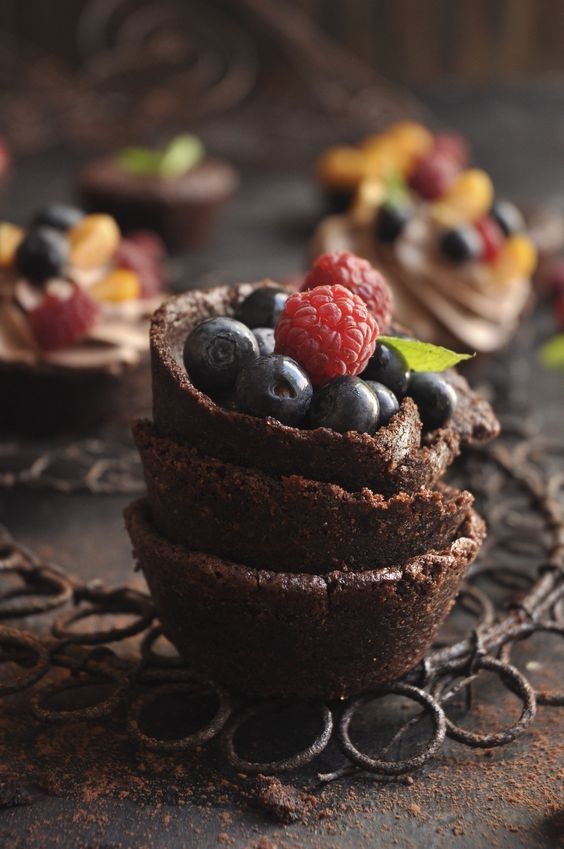
With each cupcake getting it’s special days, for the Chocolate Cupcake Day (October 18th) it would be fun to redesign the simple chocolate cupcakes as elaborate fairy cakes, sprinkles and icing or simply experiment and enhance the available recipe to an exotic twist. For that’s the fun with the sugar rush and art of dessert.

Posted in Daily, Food, Stories Around the World

Yorkshire, Pudding and a Twist

Flour. Eggs. Milk.

On one quiet Sunday afternoon, these four staple ingredients in the pantry brought out the urge to try something different for the Sunday dinner. As the option of sweet or savoury were being considered, the experimentation ran into attempts at making Yorkshire pudding.

One of the most favoured English dishes, Yorkshire pudding is a baked pudding which can be served in numerous ways. From being a main course dish served with meat and gravy or filled with banger and mash or made into dessert with fillings of chocolate, the options keep on changing depending on the choice of ingredients, the size of the pudding, and the accompanying components of the dish.

“Make a good batter as for pancakes; put in a hot toss-pan over the fire with a bit of butter to fry the bottom a little then put the pan and butter under a shoulder of mutton, instead of a dripping pan, keeping frequently shaking it by the handle and it will be light and savoury, and fit to take up when your mutton is enough; then turn it in a dish and serve it hot.
– A recipe for “a dripping pudding” as published in the book “The Whole Duty of a Woman” by Lady A; Kenrick, William (1737).

While the exact origins of this dish aren’t traced to any particular era, the recipe in records was seen in the sixteenth century. Originally this dish was believed to be served as first course to dull the appetite for the main meat and vegetables served as the second course. In poorer households, the pudding was often served as the only course. As to the name “Yorkshire”, the probability lies in the crispier batter of the pudding in this region, made so by the higher temperatures produced by the coal.

One of the reasons of its’ popularity lies in the ease of cooking. By pouring the batter made from milk (or water), flour and eggs ( basic ratio of 1/3rd cup flour and 1/3rd liquid per egg), into preheated, oiled, baking pans, ramekins or muffin tins (in the case of miniature puddings), they can be made steamed, in the pan or ovens. A steamed recipe involves covering the pudding with grease proof paper to steam it and then serve with jam and butter (1926).

“It is an exceeding good pudding, the gravy of the meat eats well with it,” states Glasse. “…. To set your stew-pan on it under your meat, and let the dripping drop on the pudding and the heat of the fire come to it, to make it of a fine brown.” (recipe as recorded in The Art of Cookery Made Plain and Easy by Hannah Glasse (1747)).

The versatility of the Yorkshire pudding can be felt across the various cuisines. With Laplanders (also known as popovers) of the American cuisine, these are light rolls made from an egg batter similar to that of Yorkshire pudding, typically baked in muffin tins or dedicated popover pans (straight-walled sides rather than angled). Similar dishes ( batter based savoury dishes) include the French gougère (a savoury choux pastry mixed with cheese), Bismarck or Dutch baby pancakes, takoyaki (a Japanese puff batter dumpling with octopus) or the more elaborate dish of “Toad in the Hole”. Traditional variants with local flours like sago, split gram flour, gluten free or palaeo based Yorkshire puddings and the like have been tried. The beauty of experimentation of the different recipes lies in simple adaptation, palatability and above all, bringing a bit of another culture to the table.

Half a pound of flour
1 ounce of butter
2 eggs
Milk to mix
Put the half-pound of flour into a basin and rub in the butter. Make a hollow in the centre of the mixture and break in the egg, beat well adding the milk gradually until all is mixed. Then beat for a further fifteen minutes, when the mixture coats a spoon it is ready. Grease a pudding basin and pour in the mixture, cover with greaseproof paper and steam for one and a half hours. Serve with jam, butter and sugar. [Note, for cooking the water should only come half way up the dish.
Source: Recipes Past and Present. A Wootton Bridge Historical website

Posted in Food, Photography Art, Stories Around the World

Shape in Style

“Life is a cake and love is the icing on top of it. Without love, it becomes difficult to swallow life.” Mehek Bassi

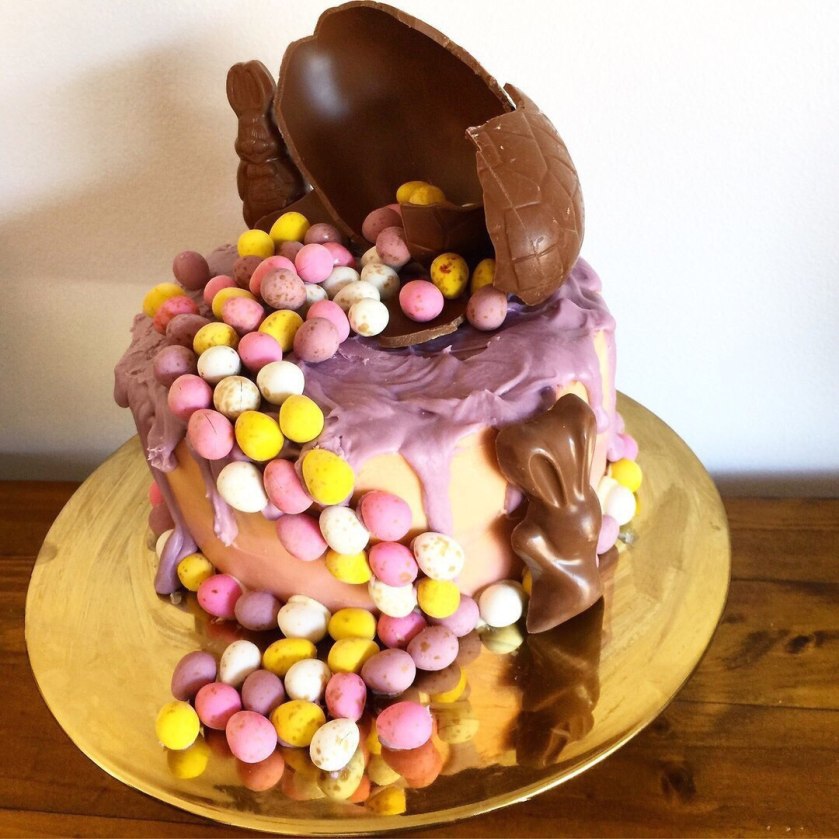
Accompanying my cousin to the bakery was an enlightening event yesterday. With the twins birthday approaching in two weeks time, it was time for the placing the order for the cake. Like all to-be-four year old minds, they had very specific ideas for their cake; from the “Cars” based theme to the Disney’s “Frozen” theme, the possibility of getting one big cake design was the heart of the discussion with the main baker.

While waiting, scanning through the cake design books and available cakes on display was a feast for the artistic eye. While my childhood consisted mostly of cream with icing birthday cakes, these days fondant designed and themed cakes are the rage. Today, the early methods akin to construction of a structure by cutting shapes out of cake and piecing them together have been superseded by preformed character based designs and the shaping of cakes out of fondant and different forms of marzipan. From fondant (sugar paste or ready roll icing), royal icing, marzipan, modeling chocolate, gum paste and latest of few, edible ink printing, the design over cake has been transformed greatly.

Cake decorating had originated in Europe around the 17th century. With the production of baking powder and temperature controlled ovens (1840s), baking cakes became easy and the presentation more elaborate. The exact origins of cake decorating was believed to from a French bakery (1840s) when prices were increased on their cakes as the latter were decorated. With decorative shapes, cakes were adorned with icing, formed into patterns, flowers and food colouring was used to accent the frosting or layers of cake. Over the years depending on the occasions, cake decorating styles have been enhanced along with the ornamentation being more artistic.

These days even homemade cakes are being embellished with something simple as powdered icing, chocolate layer with sprinkles or the good old coloured icing. With the numerous designs and models of 2-D or 3-D made, no wonder that cake shows and related artistry are the all time rage not just for the special occasions or celebrations but also for avid dessertarian, dessert chefs or simply for the love of baking and art. 

“Whether you’re a bride or a birthday boy, your options are much the same. Cake comes in chocolate, yellow, or white. Frosting comes in chocolate or vanilla buttercream, or you can opt for whipped cream. Fillings are either chocolate or vanilla custard, fresh bananas, or strawberries or raspberries in season. For birthday cakes, you can have either flowers or balloons in your choice of colors. For wedding cakes, you can add either fondant or marzipan covering, or either smooth or basket-weave buttercream, in white or ivory, with either pearl-like dots or ribbony swags made of frosting, and fondant faux flowers are extra.” Stacey Ballis ( author of Wedding Girl)

Posted in Daily, Food, Uncategorized

Of the “Mocha”….

With the heavy downpour being tempered down, the cold winds still bring forth the occasional morning chill. Little wonder then, as the rainy blues slowly creep in, with piles of unfinished work piling about; the morning combination of coffee and choclate keeps the day and the evening going fine.

“Suave molecules of Mocha stir up your blood, without causing excess heat; the organ of thought receives from it a feeling of sympathy; work becomes easier and you will sit down without distress to your principal repast which will restore your body and afford you a calm, delicious night.” Charles Maurice de Talleyrand

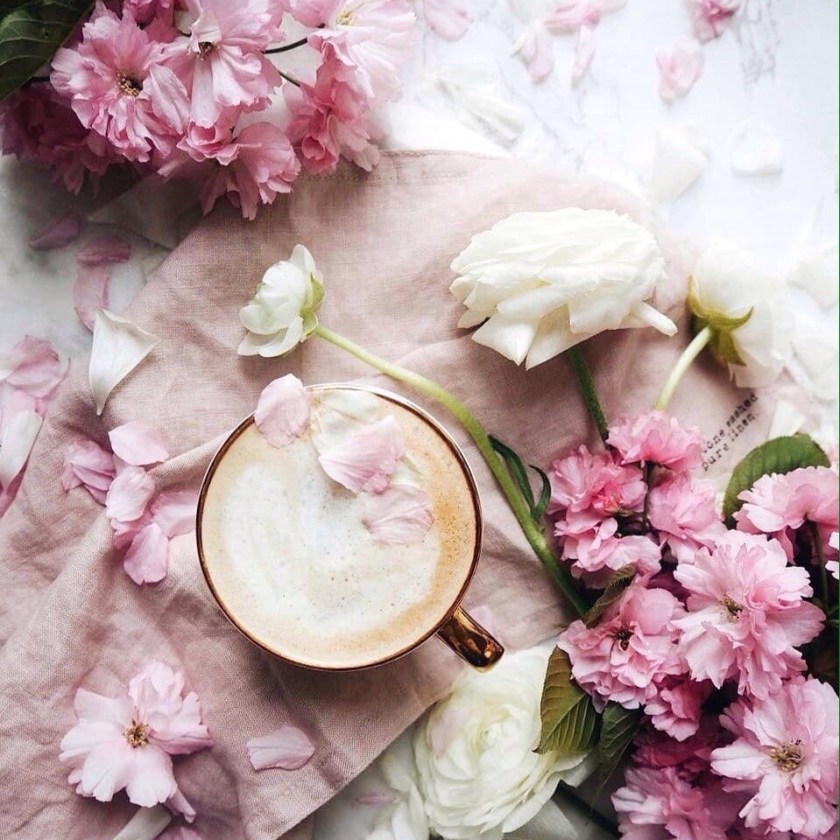
Though the caffè mocha or mocaccino ( or mochaccino, mochachino) is in fact a chocolate-flavored variant of a caffè latte; it can also mean a simple mix of hot choclate and coffee. Essentially caffè mocha is based on espresso and hot milk but with added chocolate flavoring and sweetener, typically in the form of cocoa powder and sugar. Many varieties, at times signature style of certain cafes’, use chocolate syrup, may contain dark or milk chocolate, with distinctive milk froth on top or with whipped cream, cinnamon or cocoa powder. For the more artistic coffee connoisseurs, marshmallows plain or coloured, nutmeg powder, bits of sprinkles with cream and the like may be added on top.

Interestingly, the word “mocha” didn’t have anything to do with chocolate. Originating in the 1770s’, the word “mocha” referred to a variety of coffee beans, named after the the port of Mocha (Al Mokha) in Yemeni (or Yemen), where the beans were shipped from. As their popularity increased in Europe, these beans became a part of the coffee culture. Today, these beans are commonly referred as Arabica beans, with “mocha” being the mix of coffee and chocolate.

“Coffee and chocolate—the inventor of mocha should be sainted.” Cherise Sinclair

Over the years, mocha variants like white caffè mocha (made with white chocolate), as well as more exotic sounding names like black and white mocha, marble mocha, tan mocha, tuxedo mocha or zebra; all varying as per as the amount of choclate (dark or milk) and coffee mixed in. Variant as an espresso shot (double) with either a combination of steamed milk and cocoa powder or chocolate milk is known as mochaccino. Another variant on the caffè mocha is to use a coffee base instead of espresso with the combination be coffee, steamed milk and the added chocolate ( akin to sip of coffee with a shot of hot choclate).

No matter the way it is made, cafe mocha is essentially a drink that can be made in the kitchens of all coffee lovers. For keen experimenters, nothing would be better than the National Mocha Day (September 29th) to indulge in the crazy but delightful combinations and enjoy the flavours of the two C’s, chocolate and coffee.

Posted in Daily, Food

Add the “Cheese”

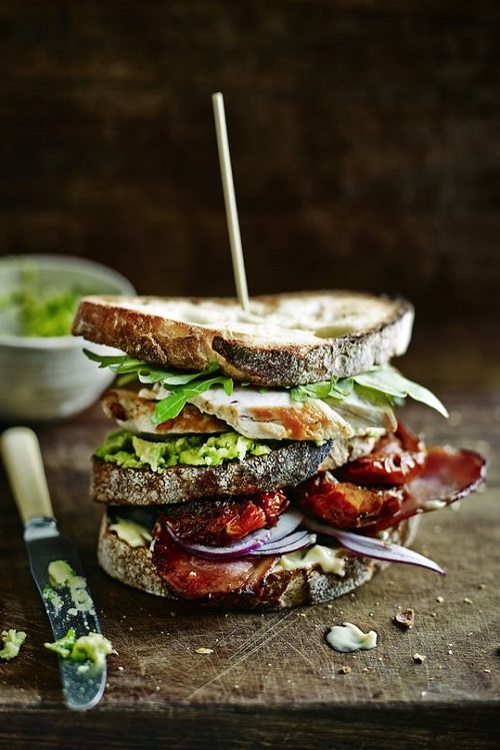
Being the lone one in the house, as a result of over time and off hours being allotted accordingly, enough and more time was spent on the ads section and advertisements were marked. Imagine when the leaflet advertising the discounted cheeseburger rates for the whole week ( in lieu of the national cheeseburger day, Sept 18th) were seen. As the hunger cravings rose to a peak by noon, the big lunch was foregone with the craving for cheeseburger. With a sparsely stocked larder and takeaway not an option in the downpour (besides being miles away from the town roads), creative cooking was the only option. Considering the leftovers and the supplies in the fridge, it was time to make something light. What happens when one places two mince meat patties with sliced tomatoes, crisp onion rings with a nice helping of cheese between two bread slices (out of buns). Voila, the homemade version of cheese burger is ready.

“Man who invented the hamburger was smart; man who invented the cheeseburger was a genius.” Matthew McConaughey

Essentially, a cheeseburger is a hamburger topped with cheese. Although the slice of cheese is added to the cooking hamburger patty shortly before serving, which allows the cheese to melt; variations exist depending on choice of having it melted solid or double extra. As for the cheese, from processed to melt-able cheese, options range from cheddar, Swiss, mozzarella, blue Cheese or pepper jack being the popular ones.

With the rise of cattle ranching, fast food chains, commercialization of food industry and rise of fast food; hamburgers had risen in popularity. The late 1920s saw the adding of cheese to hamburgers. Though several competing claims exist as to who created the first cheeseburger. Records repute that Lionel Sternberger (1926) had introduced the cheeseburger at the age of 16 when he was working as a fry cook at his father’s sandwich shop (Pasadena, California) “The Rite Spot” and “experimentally dropped a slab of American cheese on a sizzling hamburger.” Another similar mention of a cheeseburger smothered with chili for 25 cents was listed on the menu of O’ Dell’s restaurant (Los Angeles, 1928). However the trademark for the name “cheeseburger” was awarded to Louis Ballast of the Humpty Dumpty Drive-In in Denver, Colorado.

“You dont have to eat a whole cheeseburger, just take a piece of the cheeseburger.” Guy Fieri

Variations like steamed cheeseburger, soy cheese and vegan versions have been seen across the globe, with the ingredients adapting to the local cuisine and customs. All said and done, the cheese part has stayed on. There’s something fun about indulging in the occasional cheese burger ( homemade, fast food franchise made or deli made) once in a while. No matter how old or busy one is, the delights of the cheeseburger do stay strong.

“I take pleasure in the little things. Double cheeseburgers, those are good, the sky ten minutes before it rains,the moment your laugh turns into a cackle. And I sit here, and smoke my Camel straights, and I ride my own melt.” Ethan Hawke

Posted in Daily, Food

Of Apples, Pastry and Sugar

“It looked like the world was covered in a cobbler crust of brown sugar and cinnamon.” Sarah Addison Allen, First Frost

Peel the apples, uncore the slices and lay them on pastry crusts. The hole from the core may be filled with cinnamon, butter and sugar and sometimes dried fruit such as raisins, sultanas, or currants. Wrap the pastry crust around the apples and seal the seams to form them as dumplings. Place the dumplings on the pan, pour the spiced sauce over it and bake it in the oven. Voila, baked dumplings.
Lack of time or power outage for the electricity run oven.
Boil the dumplings and serve with brown sugar, cinnamon, berry preserve, maple syrup, honey, cottage cheese, chocolate syrup or any toppings of choice. That’s boiled dumplings for dessert.

These pastry-wrapped apple were among the earliest fruit puddings, being a popular add on at major social gatherings and had at all social levels. Served as breakfast, main side dish or dessert, there were popular and could be had cold, hot or just as it was. Although the boiled versions were the initial recipes, it was the baked ones that were more popular across the menus of established restaurants.

“A man cannot have a pure mind who refuses apple dumplings.” Charles Lamb

While the Austrians have their apfelnockerln (“large, soft” apple dumplings), Czech cuisine have their fruit dumplings, including apple known as ovocné knedlíky and are eaten with quark or tvaroh cheese, often served as a complete meal. The German Apfelklöße (1801) are elaborate “small pudding of apples,” cored and filled with jam or marmalade, sometimes raisins or nuts, wrapped in pastry, boiled, and topped with a sweetened sauce containing raisins, sugar, cinnamon, and wine. While in the United Kingdom, these apple dumplings were referred to as form of suet puddings with the prepared dumplings tied in cloth and boiled. On the other side of the western sphere, apple dumplings were considered as cultural staples (United States).

Seasonal fruits were used similarly to make fruit dumplings. Like the Austrian and Hungarian Knödel ( dumplings stuffed with plums), Crotian Knedle sa šljivama (dessert dish of plum dumpling with a potato dough), Austrian Marillenknödel (apricot dumplings) and the traditional Czech recipes of dumpling filled with plums, apricots, strawberries or blueberries. A similar dish is baked apples (minus the pastry shell). Unpeeled apples are cored (some preparations remove only the top part of the core leaving a half-inch at the bottom) and stuffed with fillings such as butter, brown sugar, currants, raisins, nuts, oatmeal, spices and other ingredients.

Made any way, boiled or baked, pastry covered or not, these perfect pocket sized simple desserts are perfect add-ons for simple, elaborate or too tired to cook days. With imagination running riot, what better way is there to make perfect use of the cold weather, indulge the sugar cravings with apples and sweet and make way for this traditional recipe not just simple and wholesome but a treat for the artistic eye and creative cooking.