Posted in Food, Stories Around the World

Soft, Gooey and Halwa

One of the best things about school holidays is the staying with grandparents. Come summer, it is the time to make not just jams, pickles, fruits syrups and squash but also time to make “halwa”. Making halwa was an elaborate activity. Measuring out the ingredients, dry fruits and getting the big vessels ready to make it, kept us, the grandchildren occupied.

“Halva. Name of a hugely varied range of confections made in the Middle East, Central Asia, and India, derived from the Arabic root hulw, sweet. In 7th century Arabia, the word meant a paste of dates kneaded with milk. By the 9th century, possibly by assimilating the ancient Persian sweetmeat afroshag, it had acquired a meaning of wheat flour or semolina, cooked by frying or toasting and worked into a more or less stiff paste with a sweetening agent such as sugar syrup, date syrup, grape syrup, or honey by stirring the mass together over a gentle heat. Usually a flavouring was added such as nuts, rosewater, or pureed cooked carrots (still a popular flavouring). The finished sweetmeat would be cut into bars or moulded into fanciful shapes such as fish. Halva spread both eastwards and westwards, with the result that is is made with a wide variety of ingredients, methods, and flavourings…” -Oxford Companion to Food, Alan Davidson [Oxford University Press:Oxford] 1999(p.367)

This dense, sweet confection believed to have originated in the Middle East, Central and South Asia is popularly known as halva or halwa, with varying local names. While written records of halva recipes have been in the Arabic Kitab al-Tabikh (The Book of Dishes, early 13th century), these recipes may have been there in the traditional cuisine well before then. These desserts are essentially of two types, flour based or nut butters based.

Relatively more popular in the South Asia, these flour based halvas are slightly gelatinous and made from grain flour (semolina or suji) with other basic ingredients like clarified butter, sugar or honey, dry fruits and flavouring syrups like rose water. The flour is fried in oil, mixing it into a roux and then cooked with a sugary syrup making it into a gelatinous flour based consistency.

Selmolina based halva include the popular Turkish un helvası. Usually made with wheat semolina, sugar or honey, butter or vegetable oil along with raisins, dates, other dried fruits, nuts like almonds or walnuts. This halva is very sweet, of a gelatinous texture with a rich, heavenly feel. The Indian halva recipes primarily use flour with melted butter or ghee and sugar (optional use of acacia gum). Made in various colours ranging from bright orange, red, green to brown and black; they have a gelatinous appearance and are flecked with raisins, cashew nuts, pistachios, almonds and even sesame seeds. Vegetable based recipes (to replace the flour) are there like the popular carrot halwa (gajjar halwa), mung beans halwa (moong dal halwa), doodi halwa (bottle gourd halwa), beetroot halwa to name a few. These are usually prepared with condensed milk and ghee with sugar added to give a moist, flaky texture when freshly prepared. In fact, there are numerous variations of halwa present in the Indian subcontinent with each flavour having its own special appeal.

Other flour based halwas include the Greek cornstarch-gelatinous halva, the Zanzibarian rice flour and coconut milk halva and the Burmese delicacy of Pathein halwa, a dairy-based rice flour halva.

The other variety of halva are nut butter-based. They are made from grinding the oily seeds to paste like consistency like the sesame paste (tahini), sunflower seed butter paste, mixed with hot syrupy sugar cooked to hard-crack state. It can be made crumbly as well. This type is more popular in the Mediterranean, Central Asian and Middle Eastern cuisine and has special tales of its’ own to weave.

“Halwa Al.
Two pounds of sugar, half a pound of bees’ honey, half a bound of sesame oil and four ounces of starch. Stir it middling fine [one the fire until it takes consistency, then spread it on a smooth tile]. Put four ounces of sugar on it, and three ounces of finely pounded pistachios, and musk and rose-water: Spread this filling on it, then cover it with another cloak of halwa and cut it up into triangles. It is as delicious as can be. If you wish, make the filling into meatballs like luqma [luqmat al-qadi], and cover it was the mentioned halawa, and it is saciniyya.” -Medieval Arab Cookery: Essays and Translations, by Maxime Rodinson, A.J. Arberry & Charles Perry [Prospect Books:Devon] 2001 (p. 456)

All said and done, halva, whether bought from the market, made at home or sent from grandma; it carries a ton of memories, nostalgia and a feeling of happiness starting from the first bite itself.  For in every generation, these sweet or savoury (as to own taste) delicacies have delighted and captivated both the old and the young, the weight-watchers and the food-lovers and all those in between and far apart. Little wonder why then, this tradition and culture of halva still lives on over the centuries.

Posted in Food, Stories Around the World

Delicious, Simplified

“Kindly send 100gms of cereal preferably rice krispies, corn flakes or cocoa pops along with snack meal for tomorrow”.
(Note from the class teacher in the kindergarten diary)

Enrolling my toddler in kindergarten resulted in all of us learning a couple of things along the way. First thing was that we all experienced school again. From getting the paper cuttings of fishes for the “ocean project” to helping him gather stones, twigs and leaves for the “village project” to sending specific things (like rice crispies, cut vegetables, diced fruits) for the home science project; we parents got into the school mode as well. Second important fact, for which it was greatly appreciated was that home science especially involving ingredients, basic mixing and appreciating cooking in general saw no gender specification. In fact there was no “it’s a girl stuff” or “it’s a boy stuff” classification. Children loved to learn and all this was a part of their experimentation.

Coming back to the initial note, the trip back home involved detailed description of their chocolate treats. Known as chocolate crackles (or choclate bubble cakes in certain areas), this popular confection had originated from Australian and New Zealand schools, especially for school fetes and birthday parties (Australian Women’s Weekly, December 1937). Predominantly these are one of the few recipes, not requiring an oven, baking or any tough steps, especially when meant as an activity for young children.

With the basic ingredients of cereal (rice bubble, rice krispies, cocoa pops, corn flakes or crispy fried noodles), vegetable shortening, icing sugar, cocoa and desiccated coconut. First the hydrogenated oil is melted and then combined with the dry ingredients. This mixture is then split into portions, either placed in cupcake pans (within cupcake papas or just as is) and made to set in the refrigerator. The hydrogenated oil re-sets to give each cake its form without baking. To add a little zing to the simple recipe, variations include addition of raisins, chocolate chips, mini-marshmallows or peanut butter. Substitutions for hydrogenated oil include melted chocolate or non-hydrogenated coconut oil.

As these simple recipes comes to life during school hours, recreating those moments, adding new recipes and photographing them creates a memorable album for the rainy days as these young minds mature into the adults in the future.

Posted in Food, Stories Around the World

A Slice of Crust, Filling and History

“Things that really matter are the things that gold can’t buy, so let’s have another cup o’ coffee and let’s have another piece o’ pie.” Irving Berlin

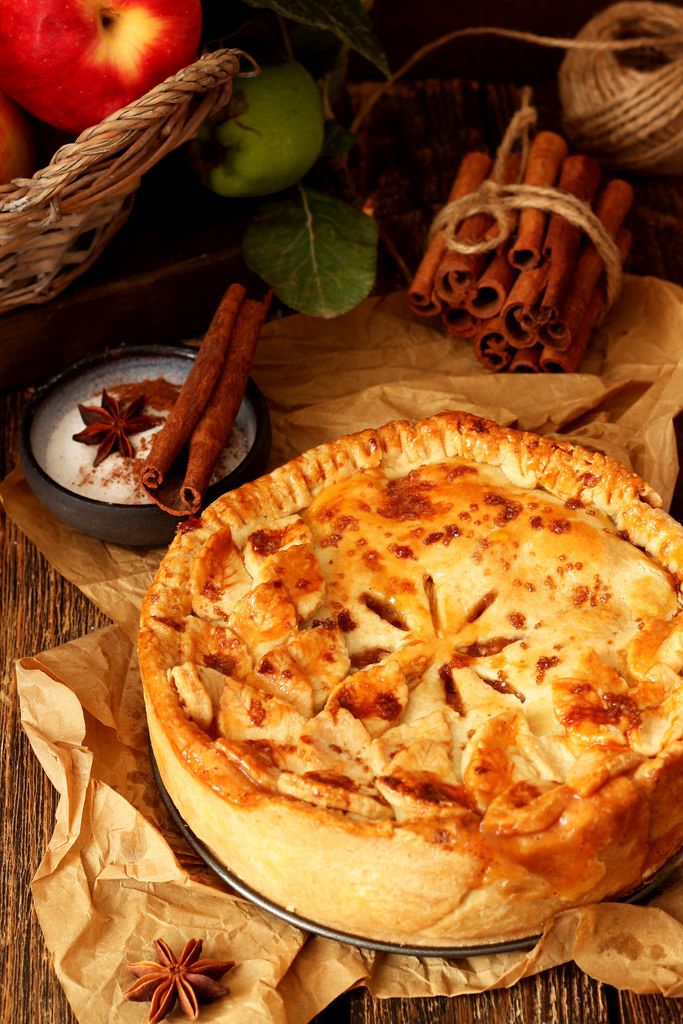
In the initial years of domestication, life in the kitchen revolved around one step meals. From casseroles to pasta and pie, homemade food was simple, basic and hassle free. One of the first recipes to attempt with the oven were the pie recipes, something that our grandmother used to to do on a weekend basis. Today with dessert pies being the classic in any restaurant, it makes for a welcome change from the usual simple desserts for the weekend lunch.

Interestingly the concept of pie making can be traced to as early as the Neolithic era of Egyptians. Pie essentially meant anything edible encased in a tough pastry shell mainly served as a baking dish, storage container or serving vessel, initially too hard to actually eat. As historical evidence points out, these early forms of pies are known as galettes, which essentially are rustic free-form pies. These pie-like treats were made with oat, wheat, rye or barley; then filled with honey and the dish was baked over hot coals. As Egyptian hieroglyphics and drawings show that the bakers to the pharaohs incorporated nuts, honey, and fruits in bread dough, a primitive form of pastry.

As the Greeks carried over the tradition of galettes; they had modified the pies during their period by making a flour-water paste wrapped around the meat, which served to cook the latter and seal their juices. When the Romans had conquered Greece, they had used various types of meat including oysters, mussels, lampreys, fish in every course of meal, sometimes even dessert . As written in the records of De Agricultura by the Roman Statesman Marcus Porcius Cato (234-149 B.C.), the recipe most popular during his era was known as the “Placenta” or “libum”. They were made more like a cheesecake, baked on or sometimes inside a pastry base, these were the initial pie/cake.

Through the gateways of the Roman cuisine, the trend of pie making made it’s inroads into the European cuisine, adapting itself to the local customs and imbibing itself with the traditional cuisine. The initial pies were known as “coffins” or “coffyns” (the word actually meant a basket or box). There were savory meat pies with the crusts or pastry being tall, straight-sided with sealed-on floors and lids. The open-crust pastry (no tops or lids) were known as “traps.” Holding an assortment of meat and sauce components, these pies were baked more like a modern casserole with the crust being the pan, its pastry tough and inedible. The crust was often made several inches thick to withstand many hours of baking. The initial pie prototypes were more savoury than sweet and were a mix of top-cased than open ones (known as tarts today). The sweet pies were more of the “tart” variety.

“Tak gode Applys and gode Spycis and Figys and reysons and Perys and wan they are wel brayed colourd wyth Safroun wel and do yt in a cofyn and do yt forth to bake wel.” (Recipe for apple tart, 1379) Source:The Forme of Cury, A Roll Of Ancient English Cookery, Compiled, about A.D. 1390, by the Master-Cooks of King Richard II.

As to the etymology of the word “pie”, the source may be traced to the magpie, a bird that was known for collecting odds and ends especially the shiny ones and storing them in it’s nest (visualize the similarity). Considering that the Medieval pies also contained many different animal meats including chickens, crows, pigeons and rabbits, the possibility rests on that similarity for the modern word of “pie”.

The modern pies are baked dish, with a pastry dough casing that completely contains a filling of various sweet or savoury ingredients and meant to be eaten. From sweet pies with fillings of fruit, nuts, brown sugar or sweetened vegetables like rhubarb or the savoury pies like the steak pie, Jamaican patty with plain meat, eggs and cheese (quiche) or a mix of the vegetables and meat (pot pie(, pies today are meant to be edible as a whole. And the crusty cover can be made from the typical shortcrust pastry meant for pies or even substituted by powdered biscuits, mashed potatoes, bread crumbs to give a soft or strong edible base or cover.

Modern pies carry a whole lot of tradition and history behind each dish typical of a particular cuisine. Knowing that and adding on to those ingredients, giving the pie making a special flavour and zing tot he final dish. After one of the best places to experiment, experience and recreate the flavours of history is the kitchen.

Posted in Daily, Food, Stories Around the World

Third Wave and On…

“Coffee is a hug in a mug.” Anonymous

On a long postponed visit to the extended family line, we had to put in a three hour journey to-and-back. While waiting in the traffic and not being in the principal driver’s seat was an added incentive for window shopping. Naturally the sign of “discount” had your truly squinting to make out the deals. But it was the special offer of “The Flying Squirrel” (exclusively bought online) and Seven Beans that had snared my attention. After seconds of hedging, my husband had the car in park while I made a quick dash for it. With our luck in alignment, the buy didn’t take much time and we were on back homeward bound.

“It’s amazing how the world begins to change through the eyes of a cup of coffee.” Donna A. Favors

Interestingly “The Flying Squirrel” or “Seven Beans” is but two of the many brands caught in the “wave of coffee”. Entering into the artisanal food category, the third wave coffee movement is a retrospective entry of coffee wherein both coffee lovers and manufacturers share the joy and appreciation of high quality coffee. Like fine varieties of wine and cheese, the third wave of coffee explores the connoisseur-ship, stimulation of the senses and exploration of taste in a simple but buoyant cup of coffee. The unique characteristics of that simple coffee bean are highlighted, ranging from the diverse methods of growing, cultivation, processing, roasting as well as the practices and salient variables among the coffee bean cultivars and beverage preparation.

“The first wave of American coffee culture was probably the 19th-century surge that put Folgers on every table, and the second was the proliferation, starting in the 1960s at Peet’s and moving smartly through the Starbucks grande decaf latte, of espresso drinks and regionally labeled coffee. We are now in the third wave of coffee connoisseurship, where beans are sourced from farms instead of countries, roasting is about bringing out rather than incinerating the unique characteristics of each bean, and the flavor is clean and hard and pure.” Jonathan Gold, LA Weekly. (March 2008, Pulitzer Prize winning food critic on the third wave of coffee)

Technically the terminology of “third wave coffee” was most widely attributed to Trish Rothgeb, a coffee professional in an article for the Roasters Guild newsletter titled “Norway and Coffee,” (2003) with the first mainstream media mention in an National Public Radio piece about barista competitions. Although there is a lesser known reference in an obscure trade publication called “Tea & Coffee Trade Journal Asia” (1999) by specialty coffee pioneer Timothy Castle obliquely referring to the same. While the first and second waves dealt in the ready availability and highlight the countries of origin with (or not) of their signature dark roast profile (respectively), the third wave coffee is often associated with the concept of ‘specialty coffee’ with reference to the specialty grades of green (raw and unroasted) coffee beans (distinct from commercial grade coffee) or specialty coffee beverages of high quality and craft. Though coined earlier (1974), “specialty coffee” was meant to refer to high-quality beans scoring 80 points or more on a 100-point scale.

“It doesn’t matter where you’re from – or how you feel… There’s always peace in a strong cup of coffee.” Gabriel Bá

There is something in a cup of coffee that is dearly enjoyed across all age groups, from different countries, professions and cultures. To add to one’s own special highlight to that cup of coffee, along with the coffee wave, the addition of a tinge of vanilla, whisky, chocolate, cinnamon, cardamom or hot chocolate, can do wonders. Not to forget the ice-cream for the kids. Little wonder then, one would chose to miss an opportunity to ride “that coffee wave”.

Posted in Daily, Food, Stories Around the World

Simple, Smoked and Short

One of the downsides of having to work far from home, is to not only the commute but also getting the meals right. With lunch packed and breakfast a tight run, getting the right share of calories is a constant battle. While fruit and salad can be quite easy and handy; for unexpected long hours it keeps the hunger pangs at bay only for a short while. While vending machines, cafes and delis are there plenty around, they cause significant hurt to the wallet as well as physique. Which is why short quick healthy meals get highlighted and tagged, to be learnt as soon as feasible.

One of the first endeavors was to modify the healthy combination of carbs and proteins right, by the basic sandwiches. The first to be subjected was “pastrami on rye”, making it to own adaptation and specifications. Technically of Romanian origin, pastrami is a meat product usually made from beef brisket, lamb or turkey. The raw meat is brined, partially dried, seasoned with herbs and spices, then smoked and steamed. Etymologically, the name “pastrami” can be traced to Roamnian pastrama; the latter being traced to the Bulgarian pastrija or Turkish pastirma or “bastirma” meaning pressed meat.

While earlier meat shops used to process them, these days they are readily available in the commercial chain grocers or supermarkets, commonly made as per the norms of the locality, either from lamb, turkey or meat. One of the advantages of the “pressed meat” is that it can be cut into thin wafer slices, medium cuts or slices or a really large filled sandwich of choice. The best part is there is no frying or oil involved.

As the sandwich chains and delis got onto the trend, serving meat sandwiches especially pastrami sandwiches became a novelty. For all sandwich lovers, it is a must. While for school or office lunches, this makes a good change from the routine and a break form the elaborate morning kitchen preparations. That one hour of lunch break can be made into a light, wholesome and healthy meal.

“You sit down at Katz’s and you eat the big bowl of pickles and you’re eating the pastrami sandwich, and halfway through you say to yourself, I should really wrap this up and save it for tomorrow. But the sandwich is calling you: Remember the taste you just had.” Mario Batali

Posted in Food, Stories Around the World

Chocolate for the Holidays

As the holiday season grows near and school is closed till the next year has set into it’s first week, the official holiday snacks and treats season has begun. Young or old, age has never been a bar for the holiday favourites. With the very basic ingredients of crushed cake or biscuit mix, cocoa, sugar (and a little of the rum for that extra holiday spice for the “adults only” time); can result in the favourite holiday treat of the “romkugle, trøffel or sputnik” or simply, the rum balls.

A truffle-like confectionery flavoured with chocolate and rum, these rum balls complete every holiday season. Often coated in chocolate sprinkles, desiccated coconut, icing sugar or cocoa, these cookie, cake or biscuit based treats can be made in a jiffy with no baking required. With the festive preparation in full swing, the less complicated it is, the more popular the recipe.

Making these chocolate balls is an event, for more than the different regional variations, many a time it is a family tradition passed down form one generation tot he next. The basic ingredient is the choclate and as for the rum, that may be replaced by similar rum flavouring or any flavoring of non-alcoholic variant. The basic step is to crush the cake (or biscuit) material, mix it with fat, cocoa, a moist binding ingredient like jam or condensed milk and optional ingredients like chopped nuts, raisins, sultanas, ground walnuts, white chocolate or even peanut butter. Once the mix holds together, it can be rolled into small balls and coated with flavouring of choice. Regional variations as well as names exist for these chocolate rum balls. From the Dansk Romkugl or Trøffel, Deutsch Rumkugel or the Polski Bajadera, each regional recipe has a subtle variation. The Hungarian kókuszgolyó are made with whole cherries placed inside the balls and then rolled in coconut flakes.

Going for a healthy twist from the regular, the Danish Havregrynskugle or the “Oatmeal Ball” may be another new holiday recipe to work on. Slightly smaller than a ping pong ball and made of oatmeal, sugar, cocoa, vanilla, butter with a small amount of coffee mixed to a compact mass, these balls are formed and then rolled in shredded coconut, nib sugar, sprinkles or toppings of choice. Similar to this confectionery is the Israeli Kadur Shokolad, where these chocolate balls are made with Petit Beurre crumbs.

Although these treats are holiday favourites, they are in no way confined to it. More than “just desserts”, they become a part of the family tradition as all hands, the tiny ones as well as the experienced hands join in for the holiday memories. As for alterations and combinations, chocolate for the year end would be loved in any form or any manner, liquid or solid, elaborate or simple; the year end sugar and choclate rush is the norm. As for gifts, there is nothing like a gift of choclate covered rum balls or cakes to bring the present year to a delightful and delicious end.

Posted in Food, Stories Around the World

From Muffin to Cruffin

“You don’t get tired of muffins. But you don’t find inspiration in them.” George Bernard Shaw, Man and Superman

While the busy mornings may start off with a muffin, a regular dose of the latter may inspire a change from the regular. What happens when the dough of the muffin is not poured but moulded in with something different? Voila, then is the cruffin, the brainchild of Kate Reid of Lune Croissanterie in Melbourne (2013). The “cruffin” is a hybrid of the croissant and the muffin. The pastry is made by proofing, shaping the laminated dough which is then baked in a muffin mould.

Although the entire procedure may sound quite simple, the delight of the cruffin lies in the filling and the garnishing. From the double choclate chip to caramel flavoured choclate or salty flavoured cream or rich strawberry jam, cruffins can be filled with a variety of creams, jams, crème pâtissières, curds and garnished with slivered almonds, pine nuts, glazed cherries, candied fruits, honey, maple syrup and the like. The entire cruffin, though a bit messy, is worth the long queue at the bakery. As far s homemade baking is concerned, cruffins are perfect for weekend or holiday baking and as far as fillings are concerned, let the favourites rule.

Extrapolating the idea over to the other morning regular, the donut; adding a little spice by making the donut dough a bit more pastry like, the cronut was born. The cronut, a croissant-doughnut pastry was invented by pastry chef Dominique Ansel of Dominique Ansel Bakery based in New York City(2013).

Made from croissant-like dough which was filled with flavored cream and fried in grape seed oil, this pastry doughnut had caught the flavour and imagination across the globe. So much so that these cronuts with flavoured cream were listed as one of the best “extremely fun” inventions by TIME Magazine (2013).

With the cronut and the cruffin, various combinations like cookie shots, zonuts have been seen. For the home chef, whether it be the standard regular recipe or not, the kitchen is a place to mix and match. As for dessert lovers, the change of taste, flavours and art are what makes the tasty moments of the day.