Posted in Daily, Food, Stories Around the World

The “Meringue” Way

“To make white bisket bread.
Take a pound & a half of sugar, & an handfull of fine white flower, the whites of twelve eggs beaten verie finelie, and a little annisseed brused, temper all this together, till it be no thicker than pap, make coffins with paper, and put it into the oven, after the manchet is drawen.”
– Recipe for the “white biskit bread” in the book of recipes started (1604) by Lady Elinor Poole Fettiplace (c.1570 – c.1647) of Gloucestershire.
(Fettiplace, Eleanor Poole (1994). Hilary Spurling (ed.). Elinor Fettiplace’s Receipt Book. Translated by John Spurling. Bristol (U.K.): Stuart Press. Volume 1, page 23) noted by Muster (ref.)

Made from egg whites and sugar, whipped up to a finesse with a binding agent (salt, cornstarch or gelatin) and an occasional acidic ingredient (lemon, vinegar or cream of tartar) or flavorings of vanilla, coconut or almond; meringue had graced the dessert menu especially to highlight a special occasion or simply enjoy the pleasures of an exquisite delight. The origin till date, is a point of contention for food historians.

The name “meringue” had first appeared in cookbook by François Massialot (1692) (“XXVIII: Des Meringues & Macarons”. Nouvelle instruction pour les confitures, les liqueurs et les fruits (in French). Paris: Charles de Sercy. pp. 186–188). While the word “meringue” had first appeared in English in an English translation of Massialot’s book (1706); two considerably earlier seventeenth-century English manuscript books of recipes give instructions for confections known as “white bisket bread” and “pets” of what are today are recognizable as meringue. The other claim was that meringue was invented in the Swiss village of Meiringen and improved by an Italian chef named Gasparini between the end of the 17th century and the beginning of the 18th century.

“To make Pets
Take a pownd of Drye fine searsed [sifted] suger, & beat the whites very wel then take off froutgh [froth] & put your suger, bye litle & litle in to it — contineually stiring it & beating it with a spoone ore laydle, and when it is exceedingly well beaten, then have some pye plates ready buttred & wipe the buter of because the lesse buter it hath the beter, then drope them upon the plate & put in to every drope a carieway seede or coriander then let your oven be very temparate and watch them with a candle all the while & if they be right they will rise and looke very white, it is good at the first to set a scilet [skillet] of water, with them in to the oven,& when they be thowrow [thoroughly] drye then take them out, you must in the mixing of them put 12 graines of muske & 12 of Abergrisse [Ambergris] which you must bruse with suger before you stire it in to the egge & suger.”
– Recipe for a baked beaten-egg-white-and-sugar confection (1630) is given in a manuscript of collected recipes written, by Lady Rachel Fane (1612/13 – 1680) of Knole, Kent. (Barry, Michael (1995). Old English Recipes. Jarrod (archived at the Centre for Kentish Studies, Maidstone, Kent). p. 64f.)

The faster they are beaten, the better is the flavour. The key to the formation of a good meringue is the formation of stiff peaks by denaturing the protein of egg whites by pure mechanical shear force. Today these light, airy and sweet confections are made at home (more chewy and soft, and crisp exterior), though the commercial ones still thrive. Interestingly, meringues were traditionally shaped between two large spoons (still done so at the home kitchens) till Antonin Carême piped the “meringue through a pastry bag”.

Over the years, various techniques have been improvised to bring forth the French or basic meringue, Italian, Swiss and even the vegan meringue. From biscuits, desserts to embellishment, each meringue based recipe like the lemon meringue pie, baked Alaska, dacquoise, Esterházy torte to mention a few, all have a story and art of their own to tell. With meringue taking the form of whimsical shapes such as mushrooms; or piped into a crisp basket that is baked and filled with cake, fruit, or flowers are few of the many reasons why these delicacies are here to stay and transform the art and flavours of dessert.

Posted in Daily, Food, Quotes

Lessons from the Kitchen

“Find something you’re passionate about and keep tremendously interested in it.” Julia Child

The second week of August always results in a tussle for the television remote, especially during the evening hours, before dinner. Eventually one gets to watch the latest sports round up or the current political scenes; while the other ends up watching You Tube for the vintage episodes of Julia Child’s shows namely “The French Chef”. Marking the birth week of Julia Child who had made French cooking sound feasible, few shows presenting her famous recipes, episodes or the iconic movie Julie & Julia (2009), paying a tribute to this legendary chef. Though one mayn’t be an avid chef or interested in the art of cooking, there are a couple of lessons on the kitchen front that Julia Child had taught her viewers over the years.

“You’ll never know everything about anything, especially something you love.” Julia Child

“…no one is born a great cook, one learns by doing.” Julia Child, My Life in France

The first few years away from the home environment results in one learning the basic few cooking skills. As the years move on, with the intermixing of cuisines and experimentation, taste buds refine and the likes develop. Entering into relationships and the adult life of the family, cooking for loved ones including making or recreating dishes as per their taste. As one’s own family evolves, cooking comes from the heart. In sequence, what comes from the heart is born out of love, care and interest for the loved ones. Such purpose will conquer the fear of “the dish going bad or wrong”. Along with finesse, it is the dash of love that matters the most.

“The only real stumbling block is fear of failure. In cooking you’ve got to have a what-the-hell attitude.” Julia Child

“You don’t have to cook fancy or complicated masterpieces – just good food from fresh ingredients.” Julia Child

During the early years, kitchens were fun especially during the rainy days. Learning to mix the flour, knead it and make flatbread was more about fun and doing, than understanding what happens. Then as home science begins during the middle school and science is explored further, one begins to comprehend the science in the kitchen. Later once alone, cooking becomes an experimentation of flavours, mix of colours, interest and imagination. Eventually cooking evolves into a form of art and science, spiking the interest of the mind as well as the senses.

“The more you know, the more you can create. There’s no end to imagination in the kitchen.” Julia Child via Lynn Gilbert, Particular Passions: Talks With Women Who Have Shaped Our Times

“One of the secrets, and pleasures, of cooking is to learn to correct something if it goes awry; and one of the lessons is to grin and bear it if it cannot be fixed.” Julia Child, My Life in France

Over the years from a novice to learning to master the meals for family and friends, there have been epic disasters, emergency restaurant bookings, late night takeaways and unplanned visits for the family homestead dinners. Yet through the mess, mistakes have been understood and corrected. New recipes and cuisines experimented, modified and old, tested or tried recipes redone with one’s own signature style. Through the uphills and downhills in the kitchen, it is still the fun that stays in the memories made for the self, with children, family and friends around. Man mayn’t live by bread alone, but making it in style, from scratch and with own flavours gives a full sense of accomplishment, happiness within and fun memories to hold onto for a lifetime.

“This is my invariable advice to people: Learn how to cook- try new recipes, learn from your mistakes, be fearless, and above all have fun!” Julia Child, My Life in France

Posted in Daily, Food

Flavoured, Creamy and Soft

“My idea of a perfect day is a frozen custard at Shake Shack and a walk in the park.” Nora Ephron, I Remember Nothing: and Other Reflections

Similar to ice cream, but denser and containing higher percentage of egg in addition to cream and sugar; frozen custard has been of late in rage, especially when one wants a break from the regular cold dessert of ice-cream.

Since the 1690s, experimentally egg yolks were tried for the ice cream recipe, the percentage was very low and the popularity stayed strong with ice-cream as such. Yet when vendor Archie C. Kohr had increased the concentration of egg yolk to the regular ice cream; not only was the texture improved, it became more denser and didn’t melt quickly. Thus, “frozen custard” was invented in Coney Island (1919). Later this frozen custard was introduced at the Chicago World’s Fair. From then on, it had gained the hearts of dessert lovers. As this silky product is extruded through the huge metallic contraptions (sometimes known as “iron lungs”), into the bucket and then scooped into cups or wafer cones; the smooth, cream coloured texture is rich but not cloying on the taste buds.

As per the U.S. FDA, the distinction between ice-cream and frozen custard is very fine with the latter to consist of at least 10 percent milk fat and 1.4 percent egg yolk solids. The true or original frozen custard is a very dense dessert. Air is not pumped into the mix, nor is it added as an “ingredient” but gets into the frozen state by the agitation of liquid similar to whisking a meringue. The high percentage of butterfat and egg yolk gives frozen custard a thick, creamy texture and a smoother consistency than ice cream.

For the experimenters, there is always homemade frozen custard to be made with the added fun of an ice-cream social. Also the store bought or a good deli frozen custard can spice up the regular Sunday brunch desserts as add-ons to cake, regular shakes or prepped up with nuts, crushed almonds or m&m’s. All said, with foodimentarians gearing up to celebrate the National Frozen Custard Day(August 8th), it would be a good time to try out this cold dessert.

Posted in Daily, Food, Stories Around the World

Of Pickles, Beyond the “Pickled Peppers”

Peter Piper picked a peck of pickled peppers,
A peck of pickled peppers Peter Piper picked;
If Peter Piper picked a peck of pickled peppers,
Where’s the peck of pickled peppers Peter Piper picked?
-“Peter Piper” Lyrics (Roud Folk Song Index number 1945)

With a preschool child in the family, the tunes of nursery rhymes runs through out most of the time. Consequently the well-known alliteration tongue-twister English rhyme was a challenge for both the child and the parents, especially the latter.

Interestingly although John Harris (1756-1846) had published the earliest version of this tongue twister in Peter Piper’s Practical Principles of Plain and Perfect Pronunciation (London,1813); this rhyme was apparently known at least a generation earlier. The subject of the rhyme as asserted by few authors was Pierre Poivre, an eighteenth-century French horticulturalist and government administrator of Mauritius, who once investigated the Seychelles’ potential for spice cultivation.

Following the train of words and thoughts, “pickles” was the food-based research over the weekend. The food preparation technique of “pickling” is the process of preserving or extending the lifespan of food by either anaerobic fermentation in brine or immersion in vinegar or vinaigrette. Typically changing the texture, taste and flavour, there are a wide variety of vegetables, fruits, meats, fish (and even eggs) which can be pickled and varying methods to chose from. Preserving perishable foods for months, the pH of pickles are maintained at 4.6 or less, which kills most bacteria. Additional antimicrobial herbs and spices like mustard seeds, garlic, cinnamon or cloves, may be added. The flavours of the final product of “pickle” depends mainly on the acidity or salinity of the solution, the temperature of fermentation, and the exclusion of oxygen. Although used in moderation for the fear of acidity and spiciness linked to carcinogenic properties, pickles have been a part of the food culture from the beginning.

As far as origins are traced, “pickles” or similar forms had made their appearance as early as 2400 BC with archaeological evidence from the area of Mohenjo Daro civilization (Tigris Valley) of northwest Indian Subcontinent. From being Cleopatra’s prized beauty secrets or in popular writings, “pickles” were the earliest foods considered as a necessity for long sea voyages, road travels, for soldiers or simply to preserve food for the harsh seasons or periods of time.

Though “pickle” had early roots, from an etymology point, this late Middle English word (c.1400) came probably from the Middle Dutch of pekel or East Frisian päkel or German pökel, all meaning “brine”. Going further beyond, the word is of uncertain origin or original meaning.

Pickles aren’t limited to being salty or spicy alone, they can be sweet, sour, hot or a combination of them. Each area has their own method of pickling, most handed down from one generation to the next, as a family tradition. South Asian pickles (popularly known as achar or achaar in most areas, term of ?Persian origins) are varied in their making, include seasonal vegetables, fruits and meats, generally mixed with salt, spices and vegetable oils; set to mature in a moistureless medium. Moving on to Southeast Asia (Singapore, Indonesian and Malaysian) pickles, or “acar” were typically made of cucumber, carrot, bird’s eye chilies, shallots, papaya and pineapple; seasoned with vinegar, sugar and salt. Further east, Koreans have kimchi while the Japanese pickled plums and daikon.

Whereas in the Middle East pickles from peppers, olives to lemons; while in mst of Western Asia pickles (called torshi in Persian, tursu in Turkish and mekhallel in Arabic) are commonly made from turnips, peppers, carrots, green olives, cucumbers, cabbage, green tomatoes, lemons and cauliflower. Eastern Europeans introduced various forms of lacto-fermented cabbage, known as sauerkraut. In Russia, the leftover brine (called rassol in Russian) is used for cooking traditional soups, like shchi, rassolnik and solyanka. When the English and the Europeans had arrived in the Americas; they brought their method for creating sweet pickles with vinegar, sugar and spiced syrup. Pickled cucumbers (most often referred to simply as “pickles”), olives and sauerkraut are most commonly seen in the United States and Canada.

Combining all these methods, “pickling” is indeed an art, with each area, region, country or community having their own special technique of making them. Little wonder that although the National Pickle Day is celebrated by foodimentarians ( primarily in US) on November 14th, the National Pickle Month (July) is indeed to explore and recreate these “global” pickles dishes. With rain on and off, there’s nothing more creative than “recreating historical foods” diverse and variant in their own style.\

Posted in Daily, Food, Stories Around the World

Of Falafel, Vada and Beyond…

Soak the raw chickpeas (with or without baking soda) overnight. Ground them with parsley, scallions, garlic as batter and add spices coriander or cumin, if needed. Instead of chickpeas, dried fava beans can be used similarly. They are stone ground and mixed with leek, parsley, coriander, cumin and dry coriander. Shape the mixture into balls or patties. Serve deep fried or oven baked. Falafel from the original Levantine cuisine is ready. Have them alone, wrapped (within lafa) or stuffed (into a hollow pita) with tahini and garnishes of tomatoes, cucumber, lettuce or even pickles.

One of the basic things of life, that brings together different cultures, places, and origins to a common area of interest is “food”. As one explores the different resources and basic ingredients; varieties are made, experienced and experimented with subtle differences across the cultures and cuisines. With International Falafel Day being held tomorrow (June 12th), it would be quite interesting to learn of similar recipes and try a few in the home kitchens or experiment with local ingredients making subtle changes.

Soak the legumes in water. Ground them for the batter. Season the batter with cumin seeds, onions, curry leaves ( sauteed or plain), salt, chillies, black pepper with or without minced or sauteed vegetables for more taste or nutrition. Add ginger or baking soda for large batch fermentation or more fluffiness respectively. Shape the mixture and deep fry. The Indian “Vada” is ready. Alternatives to legumes (pigeon pea, chickpea, black or green gram) are sago or potatoes. Serve hot or crunchy with or without dip.

Served as savoury fried snacks or even for breakfast; “Vada” also known as wada, vade, vadai, wadeh or bara have been a staple of South Indian cuisine as early as 12th century. There are varied types of vadas described as fritters, cutlets, doughnuts or dumplings. Popular ones include the medu vada of South India, batata vada of West India or mixed as food preparations like dahi vada or vada pav.

Season cooked and mashed black eyed peas with salt and chopped onions. Mould the mix as a large scone and deep fry in palm oil. Serve split in half and stuff with spicy pastes of vatapa, caruru made of shrimps, ground cashew, palm oil, okra, coconut milk and more. For vegans, serve with paste of hot peppers and green tomatoes. Acarje of West African and Brazilian cuisine are ready. Boil the basic ingredients (instead of frying) and abara is ready.

Derived from the Yoruba language, Àkàrà is a generic word meaning “bread” or “pastry” or the dish itself. “Acarajé” (brazilian) is derived from either the Yoruba word combinations “àkàrà” (bread) and “onje” (food) or “àkará” (a round pastry) and “je” (to eat). Popular in West Africa and a part of their culture; akara (rice flour, mashed banana, baking powder, sugar) was often fried and prepared for major occasions like childbirth, weddings, parties or funerals. When sold on the street with addition of ingredients like fried beef, mutton, dried shrimp, coconut among others; acarje was created and struck mass popularity since then on. Various similar combinations like acaca (steamed corn mush) have also coexisted.

Thus for a break from the “known dishes”, it would be fun to attempt newer simple recipes for a little different, spicy and healthy combination to keep the palate as well as “the kitchen experimentation spirit” going. With varied and subtle variations of familiar ingredients, it would be interesting to create a new family or home masterpiece or tradition to carry over to the next generations.

Posted in Daily, Food

Origin, Evolution and Art of “Tarte”

“The Queen of Hearts, she made some tarts,
All on a summer day:
The Knave of Hearts, he stole those tarts,
And took them quite away!” – Lewis Carroll

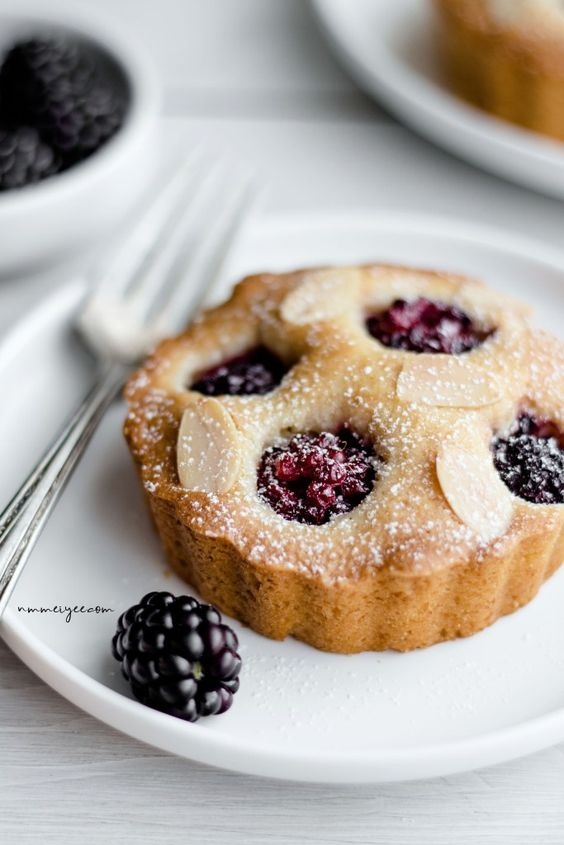
As echoed by the words of Lewis Carroll, the association of “tarts” to the upper ranks of pastries has been there since the medieval ages. Fast forward to the present, their popularity hasn’t diminished by any means with more than three food holidays for tarts like the raspberry tart day (May 3rd), Cherry Tart Day (June 18th), Butter Tart Day (June 1st) and even National Milk Tart Day (February 27th) as declared and celebrated by “foodimentarians” around the world.

Tart is basically a baked dish with filling over a pastry base with the top left open. While the pastry is usually of shortcrust, the filling can vary from sweet to savoury; although modern tarts are fruit-based with or without custard. Miniature tarts known as tartlets like egg tarts are also gaining widespread popularity as they can essentially substitute for a complete breakfast for the “busy fast paced” world out there.

Originating from the Old French “tarte” or Medieval Latin “tarta”; the distinction of tart with flan, quiche and pie are often blurred with differentiation on the basis of the covering over the pastry or the filling type being sweet, savoury or meat and vegetable based. the categories of “tart”, “flan”, “quiche”, and “pie” overlap, with no sharp distinctions.

“Unless you are a professional, you will find the tart to be a high-maintenance, unforgiving whistle-blower of a pastry.” Sloane Crosley

On tracing the origins of tart, most food historians believe that they came about from the tradition of layering food or “putting things on top of other things” especially over notably round, flat pieces of bread or bread based crusts. Over time, the base was pastry type and then tarts had come about. Another line of thought maintains that tarts spring from the Medieval pie-making tradition, as a kind of flat, open-faced pie. Dating to at least mid 15th century, one of the earliest tarts was “the Italian crostata”, described as a “rustic free-form version of an open fruit tart” or “an open-faced sandwich or canape” due to its’ crusted appearance.

With the arrival of enriched dough around the 1550s, pies took a setback of being a common man’s way of recycling offal and table scraps, while tarts were made with fillings of “high cuisine” often made artistic and pleasing to the eye as well as palate. Often custard-based, a large, open tart presented a broad canvas upon which an artistic chef might compose a work of edible art with brightly-colored fruits, vegetables and spices added onto or into them, mostly being sweet than savoury, or a little of both.

Typically free-standing with firm pastry base of dough, itself made of flour, thick filling, and perpendicular sides; tarts have been made with varied fillings including jam, Treacle tart, meringue tart, tarte Tatin and Bakewell tart.
In fact, the “tarte Tatin”, named after the hotel (originated in France) serving it as its signature dish, is an upside-down pastry in which the fruit (usually apples) are caramelized in butter and sugar before the tart is baked. Over the years, this version as spread to other countries over the years with the filling upside-down being of not just apples or other fruit but also onions, tomatoes and other vegetables.

With savoury tarts getting their own special niche of “quiches”, German Zwiebelkuchen ‘onion tart’ or Swiss cheese tart (Gruyere); tarts and their related varieties are here to stay, especially for quick, comfortable, fun and artistic cooking. With June being the month of outdoors and picnics, tarts and pies are very much here to stay.

“I’m really a scientist. I follow recipes exactly – until I decide not to. And then I’ll follow something else exactly. I may decide I could turn this peach tart into a plum tart, but if I’m following a recipe, I follow it exactly.” Ina Garten

Posted in Daily, Food

“Quiche” on the Menu

Fill the pastry crust with cheese, tomatoes, egg custard and smoked meat or mushrooms or any ingredient by choice, bake it without covering the pastry and viola’ the “homemade quiche’ ” is ready for the get-together with the extended family, friends, colleagues, neighbours or for a quiet light meal for two.

This savoury open flan consisting of pastry crust filled with eggs, milk or cream with cheese, meat, seafood or vegetables, quiche is one of the popular dishes of the French cuisine which has reached over to various parts and countries of the world albeit with or without modifications.

While the word “quiche” was first attested in French (1805) and the first English usage as “quiche Lorraine” was recorded in the Indiana Evening Gazette in 1925; the origins of this dish may be traced to the German roots. For the word “quiche” may originate from the German “Kuchen” meaning “cake” or “tart”. Food historians have traced the roots of “quiche” to the medieval kingdom of Lothringen, under German rule, which the French later renamed as Lorraine.

Although this may be debatable as using eggs and cream in pastry was practiced in most cuisines as early as the 13th century. In fact the ” Forme of Cury” and the “Italian Libro de arte coquinaria” of the 13th and 14th century cookbooks have references of recipes known as ” Crustardes of flesh” or ” Crustade” which spell out steps for eggs and cream baked in pastry containing meat, fish and fruit. Since then, these recipes have caught on.

“I do not like a quiche with wet, undercooked pastry underneath, and that is that.” Mary Berry

Quiche can be made with a variety of ingredients with the variants often named descriptively in French like the quiche au fromage ( with cheese), quiche aux champignons (with mushrooms) or conventionally like florentine (spinach) and provençale (tomatoes) to list a few. Although there are many variants of quiche, one of the most popular and famous one is the ” Quiche Lorraine”, which has its’ own National Day as per the foodimentarians ( May 20th).

The authentic Quiche Lorraine originated from the German culture in which the “quiche” was an egg custard pie baked in a brioche pastry (and not in the typical French pie dough). Over the years this recipe had evolved into its’ classical form containing heavy cream, eggs and bacon or chopped ham, but no cheese. This mouth-watering wintry dish is baked until the pastry crust is browning. It can be served as a starter with a dressed crisp salad or as a brunch dish, often enjoyed at room temperature or little warm to keep the pie still crunchy. While the most popular Quiche recipe, includes French soft cheese (emmenthal or gruyere); many modern variations like the Alsatian-style including onions to modern versions with goat cheese, salmon, leek or even broccoli are made today.

So for a quick change from the regular, trying this simple recipe after a busy day may be fun. For the lack of ovens, this dish works fine on cooking with “instant pot” or ” by double boiling” techniques too . As often said, cooking is all about ” experimentation, cuisine mixing with modifications keeping it simple, tasty and artsy as well as fun”.