Posted in Daily, Food, Stories Around the World

Of Pasta, Origin and Style

“Life is a combination of magic and pasta.” Federico Fellini

Typically made from an unleavened dough of durum wheat flour (semolina) mixed with water or eggs, formed into various shapes or as sheets, then cooked by boiling or baking, pasta has been there since the ancient years. Although etymology speaking, the first English attestation of the word “pasta” (1874) comes from Italian pasta, which was from the Latin pasta, the latter being the  Latinization of the Greek παστά (pasta) meant as “barley porridge”.

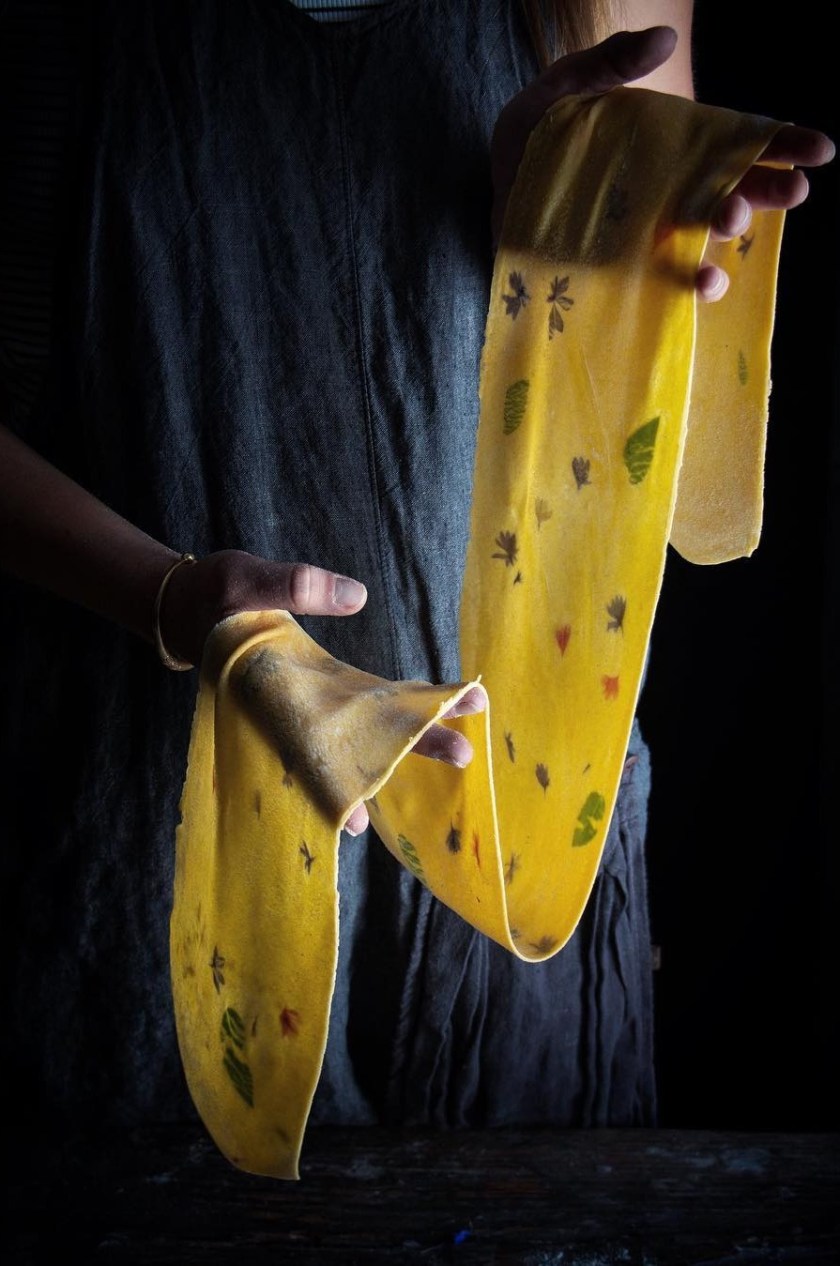
“You don’t need a machine to make pasta: a rolling pin and a fast hand can create a smooth, if thick, sheet.” Yotam Ottolenghi

Broadly divided as two categories of fresh (pasta fresca, prepared traditionally by hand or at home) and dried (pasta secca, commercial preparation). One of the advantages of pasta is it’s versatility from being the main course to a side dish, as salad or as a filler for sandwiches or as an accompaniment to main course or as light lunches. Classically there are three main kinds of prepared dishes. One type is the pasta asciutta (or pastasciutta) wherein the cooked pasta is plated and served with a complementary side sauce or condiment. Another is the pasta in brodo, in which the pasta is part of a soup-type dish. The third category is the pasta al forno where the pasta is incorporated into a dish that is subsequently baked in the oven.

Tracing the origin of pasta, the entire roots don’t lead back to Italy alone. The writings of Horace (1st century AD) mention lagana (singular: laganum) made of fine sheets of fried dough used in the daily menu. Athenaeus of Naucratis (2nd century AD) provides a recipe attributed to Chrysippus of Tyana(1st century AD) wherein sheets of dough made of wheat flour and the juice of crushed lettuce, then flavoured with spices and deep-fried in oil. However the method of cooking these sheets of dough does not correspond to the modern pasta, although the basic ingredients and perhaps the shape were similar. Food historians have noted several milestones, similar to pasta. Like the itrion (mentioned by Greek physician Galen, 2nd century AD) as homogeneous compounds made of flour and water, later modified as a boiled dough known as itirum common to Palestinian lands (300 to 500 AD) and recorded so in the Talmud. The Arab physician and lexicographer Isho bar Ali (9th century AD) defines itriyya, the Arabic cognate, as string-like shapes made of semolina and dried before cooking. A form of itriyya is laganum (Latin) which refers as a thin sheet of dough, a precursor of the modern Italian lasagna.

“You can buy a good pasta but when you cook it yourself it has another feeling.” Agnes Varda

The North African areas had couscous (steamed balls of crushed durum wheat semolina or of pearl millet and sorghum), more like droplets of dough which is less malleable than pasta. Rustichello da Pisa writes in his Travels that Marco Polo described a food similar to “lagana”. With traces of pasta being found in Ancient Greece and later Arabian cuisine records of similar dishes, pasta has come a long way before being ingrained into the Italian cuisine and culture. The first concrete information concerning pasta products in Italy dates from the 13th or 14th century. And as far as shapes of pasta and their sauces are concerned, there is a whole mine of information out there. From long to short, minute pasta for soups (pastina) or pasta all’uovo (egg pasta), there are many varieties of the basic pasta. For those of us, who need them gluten free, alternatives include rice flour, brown rice, shirataki noodles, chickpea, quinoa, corn, millet, buckwheat and amaranth to mention a few with certain varieties of gluten free being multigrain (mix of all above).

Although pasta dishes are generally simple, individual dishes vary in preparation with the flavors of local cuisine being incorporated when possible. With the mood for autumn setting in and ingredients varying to availability and choice, spicing up a basic pasta dish to the more elaborate style can set the creative cooking into full swing with an undeniable delectable pleasure for the palate and the taste buds. A bit of pasta can add plenty of spice, the way one wants it so.

Posted in Family and Society, Life, Quotes, Reflections

Pillars that Nurture

“The glory of the elderly is their insight to life.” Lailah Gifty Akita

One of the most awaited events that causes unabashed eagerness of the kids to head to the homestead during holidays, is the time spent fishing with their grandparents. Hand in hand, the kids along with their grandfather and great-uncles head off to the lake in the early morning hours. On some days, there is quite a catch but on other days maybe nothing. Yet the loss of a good catch was negated by the interesting stories and legends narrated by their elders. It was interesting to listen to the recounted versions on the drive back home or later in the following weeks. There are certain priceless things that parents can’t teach their children, at times simply due to the lack of time or different levels of responsibilities cropping up. Those are the times when the gaps are filled in by their grandparents.

“The wiser mind mourns less for what age takes away than what it leaves behind.” William Wordsworth 

One of the benefits of having a strong support system, of family, friends and community is that when one falls, there are hands to break the fall. This support system is like a huge tree with sturdy branches. As a small tree, the few larger older branches support, shade and model the new smaller branches. With their strength and shape, they balance the entire tree, providing sustenance for the smaller branches and reach for the light. Over time the other branches grow large, join with other clusters and support the older branches. As the old branches age, grow weak, die or fall away, the branches above take over their role, supporting the new young branches. A large support system works on similar lines.

“Their dark forms are larger than life, because memories like that grow along with your body, so that adults from our childhood always resemble an extinct race of old gods, still towering over us.” Stefan Hertmans

Unfortunately one of the strong contenders for the time of the kids, is lure of the modern entertainment. As more and more time is spent on “the modern development” of learning through applications, television, social media and the like, under the guise of “modern learning”, the memories and fresh experiences of childhood are often missed. There a lot of things that elders who have lived their lives with integrity, love and dignity can teach the younger ones. Like the experiences their parents had shared with their grandparents, from learning to fish, camp outside, have a good laugh, fun in the garden, the value of a good friendship, respect for elders and all beings, to work hard, to love and live to the fullest at each age of life. The list is long. Cooped up in the mesh of “the modern skills, media and entertainment”, a lot can be missed during the best years of childhood. All the branches of the tree contribute in a silent way. Unless each one as their role played out, the “family tree” fails to sustain and grow new fruit and saplings from it’s seeds or centuries for the future centuries.

“Where there is not community, trust, respect, ethical behavior are difficult for the young to learn and for the old to maintain.” Robert K. Greenleaf

“Listen to your elder’s advice. Not because they are always right, but because they have more experience of being wrong…” Unknown

Posted in Daily, Food

Sparkles on the Cups

Originally referred to as number cakes or “1234 cakes” (based on the measures of the ingredients), these sugary delicacies of 1700s have reached their own level of importance and appeal for the dessertarian of the present era.

“Cupcakes take the cake.” Unknown Author

While the earliest description of today’s cupcake was based as a recipe for “a light cake to bake in small cups” as written in American Cookery (1796) by Amelia Simmons, the term “cupcake” itself was seen earlier as per Eliza Leslie’s Receipts cookbook in “Seventy-five Receipts for Pastry, Cakes, and Sweetmeats” (1828). Though the early 19th century saw the distinction between “cup cake” (based on measures or cups” and the cupcake, the difference was more for the baker’s perspective. Over the years, cupcakes turned from the simple delights to those with frosting, icing, sprinkles and sparkles. With the redesigning and reassembling and additions of ingredients, flavours and colours, the “cupcake” became a palatable fest and an art by itself. For special occasions, elaborately designed and frosted cupcakes have replaced the specially designed cakes, for a while.

With the arise of a variety of cupcakes, many other variants to the regular baking techniques have been seen. Like the popular “cake in mug” (made in a microwave) or “cake in a jar” are other ways of making cupcakes. By the latter technique, a glass jar instead of muffin tins or cupcake liners is used to bake the mix. Of the specially designed variants, are the fairy cakes or butterfly cake, a variant of cupcake made from any flavour of the cake. The top of the cupcake is cut off or carved out with a spoon and cut in half. Butter cream, whipped cream, jam or similar sweet fillings are spread into the hole. Finally the two cut halves are stuck into the butter cream to resemble butterfly wings with the “wings of the cake” being often decorated using icing to form various patterns.

Likewise “cake balls” are individual portion of cake, round like a chocolate truffle, coated in chocolate and made from crumbled cake mixed with frosting (than being baked) made as a sphere. Yet the specialty are in the “gourmet cupcake” of today, a recent variant of the routine cupcake. These “gourmet cupcakes” are large filled cupcakes, based around a variety of flavor themes like Tiramisu, Cappuccino, Oreo cookie shards, M &M rich and other exotic flavours.

“When you look at a cupcake, you’ve got to smile.” Anne Byrn

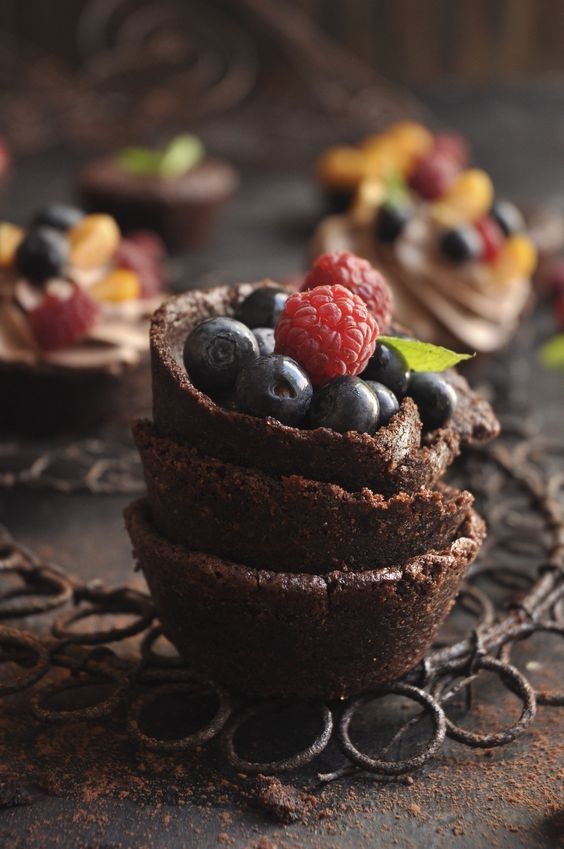
With each cupcake getting it’s special days, for the Chocolate Cupcake Day (October 18th) it would be fun to redesign the simple chocolate cupcakes as elaborate fairy cakes, sprinkles and icing or simply experiment and enhance the available recipe to an exotic twist. For that’s the fun with the sugar rush and art of dessert.

Posted in Family and Society, Personal Musings, poetry, Quotes, Random Thoughts

Remembrances over Time

“I believe that without memories there is no life, and that our memories should be of happy times.” Lee Radziwill

With a long weekend break round the corner, it was time to pack off for the stay at the family homestead, where the original family farm was still running strong and where the golden memories of childhood lay. One of the reasons for planning this long overdue stay was for the children to bond with their extended family, spend some time away from the city and live simple, minus the video games, mobile phones, laptops and the like. Although there was an initial resistance, they loved their time spent outdoors with the cattle, gardening, late summer berry picking, early morning fishing and the quiet evening of family games. Seeing their carefree laughter and fun, at times one wishes that they could live their best moments of life once again. That weekend reminded me of the fact that, time only moves forward and ahead, but never backwards.

“Don’t you wish you could take a single childhood memory and blow it up into a bubble and live inside it forever?” Sarah Addison Allen

Most of us have our own cache of memories, some meant for bringing the inner peace during troubled times, some as a solace during the trying days and some that just pop up randomly during self doubt. Like the seasons that change, each one of us make memories every single moment. The innocent “don’t forget to call when you reach”, “take care “, “travel safe” and so on, echo the presence of pleasant feelings when these words surface in the memory. At times, even when the scenarios have changed, these instant memories and candid moments are those which stay on. It doesn’t take much to make each day memorable. A lot of kindness, dash of love, attention and peace, laced with a fresh sense of humour, humaneness and honesty makes treasured moments from each day of life, changing our own lives and those around us subtly and silently.

“Some memories are realities, and are better than anything that can ever happen to one again.” Willa Cather

“I sit beside the fire and think
Of all that I have seen
Of meadow flowers and butterflies
In summers that have been

Of yellow leaves and gossamer
In autumns that there were
With morning mist and silver sun
And wind upon my hair

I sit beside the fire and think
Of how the world will be
When winter comes without a spring
That I shall ever see

For still there are so many things
That I have never seen
In every wood in every spring
There is a different green

I sit beside the fire and think
Of people long ago
And people that will see a world
That I shall never know

But all the while I sit and think
Of times there were before
I listen for returning feet
And voices at the door”
J.R.R. Tolkien

I Sit Beside the Fire and Think is a song by Bilbo Baggins, which he sang softly in Rivendell on 24 December T.A. 3018, the evening before the Fellowship of the Ring set out upon their quest. Bilbo sang the song in the presence of Frodo, after giving Frodo the mithril-coat and Sting. The song is a contemplative piece, sung by a now-aging hobbit recalling past events that ends in anticipation of hearing returning friends.

“Long as the memory of certain beloved friends lives in my heart, I shall say that life is good.” Helen Keller

Posted in Daily, Food, Stories Around the World

Yorkshire, Pudding and a Twist

Flour. Eggs. Milk.

On one quiet Sunday afternoon, these four staple ingredients in the pantry brought out the urge to try something different for the Sunday dinner. As the option of sweet or savoury were being considered, the experimentation ran into attempts at making Yorkshire pudding.

One of the most favoured English dishes, Yorkshire pudding is a baked pudding which can be served in numerous ways. From being a main course dish served with meat and gravy or filled with banger and mash or made into dessert with fillings of chocolate, the options keep on changing depending on the choice of ingredients, the size of the pudding, and the accompanying components of the dish.

“Make a good batter as for pancakes; put in a hot toss-pan over the fire with a bit of butter to fry the bottom a little then put the pan and butter under a shoulder of mutton, instead of a dripping pan, keeping frequently shaking it by the handle and it will be light and savoury, and fit to take up when your mutton is enough; then turn it in a dish and serve it hot.
– A recipe for “a dripping pudding” as published in the book “The Whole Duty of a Woman” by Lady A; Kenrick, William (1737).

While the exact origins of this dish aren’t traced to any particular era, the recipe in records was seen in the sixteenth century. Originally this dish was believed to be served as first course to dull the appetite for the main meat and vegetables served as the second course. In poorer households, the pudding was often served as the only course. As to the name “Yorkshire”, the probability lies in the crispier batter of the pudding in this region, made so by the higher temperatures produced by the coal.

One of the reasons of its’ popularity lies in the ease of cooking. By pouring the batter made from milk (or water), flour and eggs ( basic ratio of 1/3rd cup flour and 1/3rd liquid per egg), into preheated, oiled, baking pans, ramekins or muffin tins (in the case of miniature puddings), they can be made steamed, in the pan or ovens. A steamed recipe involves covering the pudding with grease proof paper to steam it and then serve with jam and butter (1926).

“It is an exceeding good pudding, the gravy of the meat eats well with it,” states Glasse. “…. To set your stew-pan on it under your meat, and let the dripping drop on the pudding and the heat of the fire come to it, to make it of a fine brown.” (recipe as recorded in The Art of Cookery Made Plain and Easy by Hannah Glasse (1747)).

The versatility of the Yorkshire pudding can be felt across the various cuisines. With Laplanders (also known as popovers) of the American cuisine, these are light rolls made from an egg batter similar to that of Yorkshire pudding, typically baked in muffin tins or dedicated popover pans (straight-walled sides rather than angled). Similar dishes ( batter based savoury dishes) include the French gougère (a savoury choux pastry mixed with cheese), Bismarck or Dutch baby pancakes, takoyaki (a Japanese puff batter dumpling with octopus) or the more elaborate dish of “Toad in the Hole”. Traditional variants with local flours like sago, split gram flour, gluten free or palaeo based Yorkshire puddings and the like have been tried. The beauty of experimentation of the different recipes lies in simple adaptation, palatability and above all, bringing a bit of another culture to the table.

Half a pound of flour
1 ounce of butter
2 eggs
Milk to mix
Put the half-pound of flour into a basin and rub in the butter. Make a hollow in the centre of the mixture and break in the egg, beat well adding the milk gradually until all is mixed. Then beat for a further fifteen minutes, when the mixture coats a spoon it is ready. Grease a pudding basin and pour in the mixture, cover with greaseproof paper and steam for one and a half hours. Serve with jam, butter and sugar. [Note, for cooking the water should only come half way up the dish.
Source: Recipes Past and Present. A Wootton Bridge Historical website

Posted in Food, Photography Art, Stories Around the World

Shape in Style

“Life is a cake and love is the icing on top of it. Without love, it becomes difficult to swallow life.” Mehek Bassi

Accompanying my cousin to the bakery was an enlightening event yesterday. With the twins birthday approaching in two weeks time, it was time for the placing the order for the cake. Like all to-be-four year old minds, they had very specific ideas for their cake; from the “Cars” based theme to the Disney’s “Frozen” theme, the possibility of getting one big cake design was the heart of the discussion with the main baker.

While waiting, scanning through the cake design books and available cakes on display was a feast for the artistic eye. While my childhood consisted mostly of cream with icing birthday cakes, these days fondant designed and themed cakes are the rage. Today, the early methods akin to construction of a structure by cutting shapes out of cake and piecing them together have been superseded by preformed character based designs and the shaping of cakes out of fondant and different forms of marzipan. From fondant (sugar paste or ready roll icing), royal icing, marzipan, modeling chocolate, gum paste and latest of few, edible ink printing, the design over cake has been transformed greatly.

Cake decorating had originated in Europe around the 17th century. With the production of baking powder and temperature controlled ovens (1840s), baking cakes became easy and the presentation more elaborate. The exact origins of cake decorating was believed to from a French bakery (1840s) when prices were increased on their cakes as the latter were decorated. With decorative shapes, cakes were adorned with icing, formed into patterns, flowers and food colouring was used to accent the frosting or layers of cake. Over the years depending on the occasions, cake decorating styles have been enhanced along with the ornamentation being more artistic.

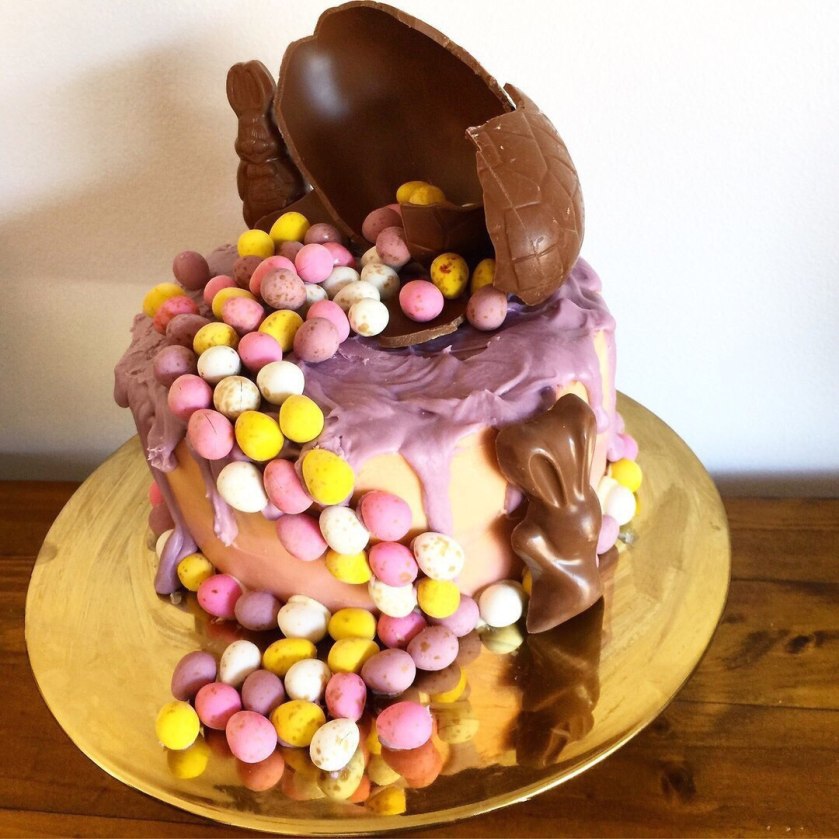
These days even homemade cakes are being embellished with something simple as powdered icing, chocolate layer with sprinkles or the good old coloured icing. With the numerous designs and models of 2-D or 3-D made, no wonder that cake shows and related artistry are the all time rage not just for the special occasions or celebrations but also for avid dessertarian, dessert chefs or simply for the love of baking and art. 

“Whether you’re a bride or a birthday boy, your options are much the same. Cake comes in chocolate, yellow, or white. Frosting comes in chocolate or vanilla buttercream, or you can opt for whipped cream. Fillings are either chocolate or vanilla custard, fresh bananas, or strawberries or raspberries in season. For birthday cakes, you can have either flowers or balloons in your choice of colors. For wedding cakes, you can add either fondant or marzipan covering, or either smooth or basket-weave buttercream, in white or ivory, with either pearl-like dots or ribbony swags made of frosting, and fondant faux flowers are extra.” Stacey Ballis ( author of Wedding Girl)

Posted in Daily, Food, Photography Art, Stories Around the World

Of Cheese and Blue Streaks

While cleaning out the larder over last weekend, I had chanced upon a blue veined gooey stuff enclosed tight in a packet. On closer inspection, apparently it was a piece of cheese misplaced post the local grocery shopping and was out of sight for a month, resulting in the mold setting in. Seeing the blue green veins streaking across the white; what came to mind was the difference between blue and bad cheese.

Blue cheese was believed to be an accidental discovery. As legend says of the making of Roquefort cheese by a young boy who had abandoned his meal of bread and ewes’ milk cheese (on seeing a beautiful girl) returned back months later to find his old cheese soft, crumbly, blue veined and with a tangy flavour transformed so by the mold (Penicillium roqueforti). Similar legends have been heard with the drunken man and his cheese. The early years saw that cheeses were stored in natural temperatures and moisture-controlled caves which happen to be favorable environments for many varieties of harmless mold.

Over the years, many varieties of blue cheese have been created with few having their own stories. For instance, the Gorgonzola one of the oldest known blue cheeses, having been created around AD 879, is said that to have its blue veins only around the 11th century. Stilton cheese, an English cheese (popular since the 1700s) was set in the modern shape and style by Frances Pawlett (or Paulet), a “skilled cheese maker” of Wymondham, Leicestershire. Thus with strict codes, only the three counties of Derbyshire, Leicestershire and Nottinghamshire had market the cheese as Stilton. Later varieties(20th century) of blue cheese like the Danablu and Cambozola (cow’s milk cheese of a combination in style of a French soft-ripened triple cream cheese and Italian Gorgonzola) were made with few variations from the original. Danablu was made from full fat cow’s milk and homogenized cream with copper wires or rods used to pierce the formed curds to distribute the mould (Penicillium roqueforti) evenly through the cheese and then the cheese is aged for eight to twelve weeks.

With blue cheese varieties, one must know to differentiate between the good and bad mold. If mold grows on soft cheeses like cottage cheese, cream cheese or ricotta; or on shredded, crumbled and sliced cheese, it is best to be discarded. As far as hard and semi-soft cheese like cheddar, Colby, Parmesan or Swiss are concerned, the moldy part with an inch extra around it can be removed and the rest of the cheese can be used. With moldy cheese one has to be careful with its’ use and storage.

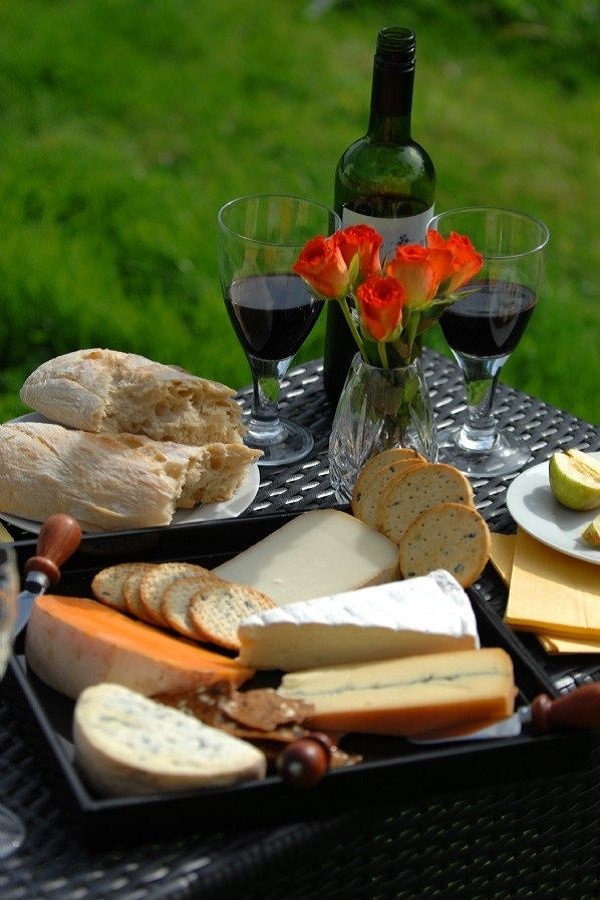
For foodimentarians with a special love of desserts, home food or for that quick added or unique touch to the regular meals, cheese (be it from cow, goat or sheep milk or homemade, local store bought, cheese market special or blue cheese varieties) is a pantry must. With a change from the regular, cheese gives an option of taking Stilton sandwiches to work, Gronozola on toast, shredded Brie or Danablu on salads, dressings or crumbled and used in cheesecake recipes, cheese themed parties or simply the change from the sweet dessert to the cheese platter with wine for afters.