Posted in Daily, Food, Stories Around the World

Of Coffee, Iced and “Frapped”

Some of the best things of life occur not when everything goes by plan, or by mere accidental occurrences. Adding to the list, is the delightful flavours of coffee, chilled, icy and sweet; though meant or the hot summer days can be had at any occasion, day or time. Though the 19th century saw a variety of cold coffee drinks as “café frappé (à la glace)”, some were like iced coffee and others similar to slushes. Although special mention of the iced coffee drink, known as Frappé coffee (or Greek frappé or café frappé, frapés), has to be made as it became ingrained into the coffee culture.

“Iced coffee, on a hot day, can perform miracles.” Lish McBride

Although frappé with etymological origins from French means “chilled in crushed ice”; the discovery of the café frappé  using instant coffee happened in Greece. As the narrative goes, at the Thessaloniki International Fair (1957), Giannis Dritsas (the Nestlé company representative) was exhibiting a new chocolate beverage produced instantly by mixing it with milk and shaking it in a shaker. With Dritsas’ employee Dimitris Vakondios looking for a way to have his usual instant coffee during his break and for the lack of hot water, he mixed the coffee with cold water and ice cubes in a shaker. With this experimentation, frappé was born and established with it’s Greek finish.

The Greek frappé in Greece is available in various varieties depending on their degrees of sweetness and the amount of sugar used. These are mainly glykós (“sweet”, 2 teaspoons of coffee and 4 teaspoons of sugar); métrios ( “medium” with 1:1 ratio of coffee and sugar) and a skétos (“plain”) without sugar). The chocie of serving can be with evaporated milk, then known as frapógalo or “frappé-milk” or without any milk. At times water is substituted by milk for a very thick, milky coffee frappé (mostly a Cyprian variation). Over the years, further flavours like Kahlúa, Baileys Irish Cream or other liqueurs are used, along with a ball of vanilla ice-cream (not milk) or made blended with spoon. With the spread of frappé from Greece, further variations have been according to the local choice like the “hladen nas” (Serbian) made with milk or ice-cream and whipped cream often added on top or the Danish version of using cold milk on crushed ice with coffee in the shaker.

“I was taken by the power that savoring a simple cup of coffee can have to connect people and create community.” Howard Schultz

With the experimentation streak running high, homemade frappé can be had for a change from the regular. With a hand mixer or cocktail shaker, the homemade blend would be a welcome change from the regular sweet coffee. Moreover, it could be a start to a new frappé tradition of own  choice, ingenuity and memorable moments.

One or two teaspoons of instant coffee (traditionally Nescafe), sugar (to taste) and a little water are blended (with a cocktail shaker or an appropriate mixer like the hand mixer) to form a foam, which is poured into a tall glass. To this is added cold water and ice cubes, and, optionally, milk (typically evaporated milk). The glass is served with a drinking straw.


Posted in Daily, Food

Of Colours and Flavours, Simple and Sweet

One of the necessities of having a good meal family, besides sitting down together and enjoying home cooking is to close the meal with the “sweet finish”. Preparing the big family luncheon, even though it may be a pot luck dinner at times; getting the final finish right is what makes the meal complete. With a big joint family, dessert includes something sweet for the children, sweet and healthy for the adults, balanced dessert for the diabetics, health conscious and the ultimate dish for the professed dessertarian.

“Dessert is probably the most important stage of the meal, since it will be the last thing your guests remember before they pass out all over the table.” William Powell

Originating from the French word “desservir” ( means to clear the table), dessert as a term was in known use in the 1660s. Although this term may have been in use from the 14th century, the present meaning may have arose around the beginning of the 20th century as the setting a variety of dishes on the table at the same time (service à la françaisee) was replaced with the serving of a meal in courses (service à la russe). As described in A History of Dessert (2013), Krodnl states that dessert was served after the table had been cleared of other dishes. While sweet were a part of the Mesopotamian era, Persian Empire, the Greeks, ancient India and other civilizations; dried fruits and honey were perhaps the first sweeteners used. With the spread of sugar and trade, the modern dessert dishes slowly began taking shape.

“I am starting to think that maybe memories are like this dessert. I eat it, and it becomes a part of me, whether I remember it later or not.” Erica Bauermeister

Contrary to expectations, desserts doesn’t necessary have to be of very high standards or made of expensive ingredients. Neither does it always need to indulged in with the sense of guilt and foreboding. Desserts can be had not just to statisfy the sweet cravings or close a meal, but also to enjoy the right mix of sugar, nutrients and taste at the end of the meal. From cheese board, parfait of berries, nuts and yogurt, cinnamon on ice cream and biscuits or bananas slices and covered in dark chocolate and crushed nuts to the elaborate fairy cakes or mousse; desserts can be had elaborate or whipped out of thin air with basic ingredients, creativity and an artistic eye. At times, desserts need to sticky sweet and loaded with calories for that little bit of sugar high or as basic as fruits with a sprinkling of the sweet stuff. Either way, there is always plenty of variety to choose from.

“There is no better way to bring people together than with desserts.” Gail Simmons

With the colours of autumn slowly setting in, what better way to ring in October than to get the sweet tooth going in a healthy manner. With the National Dessert Month setting in and the fall harvest closing in, it would be easy to stock on the fruit preserves, enlist creative ideas and set a traditional family dessert trend.

Posted in Daily, Food, Uncategorized

Of the “Mocha”….

With the heavy downpour being tempered down, the cold winds still bring forth the occasional morning chill. Little wonder then, as the rainy blues slowly creep in, with piles of unfinished work piling about; the morning combination of coffee and choclate keeps the day and the evening going fine.

“Suave molecules of Mocha stir up your blood, without causing excess heat; the organ of thought receives from it a feeling of sympathy; work becomes easier and you will sit down without distress to your principal repast which will restore your body and afford you a calm, delicious night.” Charles Maurice de Talleyrand

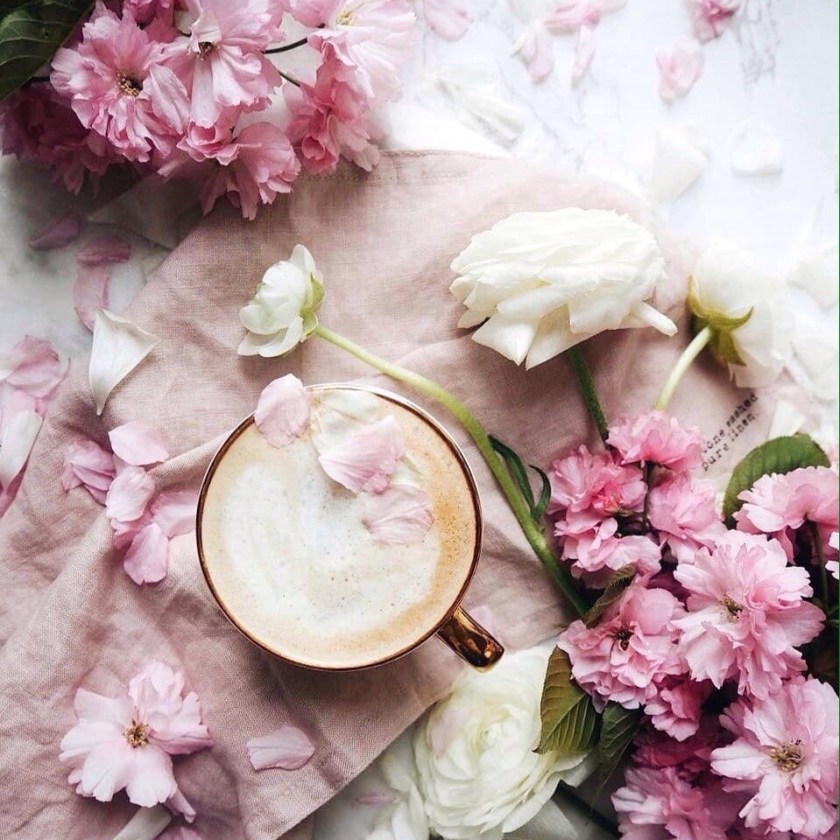
Though the caffè mocha or mocaccino ( or mochaccino, mochachino) is in fact a chocolate-flavored variant of a caffè latte; it can also mean a simple mix of hot choclate and coffee. Essentially caffè mocha is based on espresso and hot milk but with added chocolate flavoring and sweetener, typically in the form of cocoa powder and sugar. Many varieties, at times signature style of certain cafes’, use chocolate syrup, may contain dark or milk chocolate, with distinctive milk froth on top or with whipped cream, cinnamon or cocoa powder. For the more artistic coffee connoisseurs, marshmallows plain or coloured, nutmeg powder, bits of sprinkles with cream and the like may be added on top.

Interestingly, the word “mocha” didn’t have anything to do with chocolate. Originating in the 1770s’, the word “mocha” referred to a variety of coffee beans, named after the the port of Mocha (Al Mokha) in Yemeni (or Yemen), where the beans were shipped from. As their popularity increased in Europe, these beans became a part of the coffee culture. Today, these beans are commonly referred as Arabica beans, with “mocha” being the mix of coffee and chocolate.

“Coffee and chocolate—the inventor of mocha should be sainted.” Cherise Sinclair

Over the years, mocha variants like white caffè mocha (made with white chocolate), as well as more exotic sounding names like black and white mocha, marble mocha, tan mocha, tuxedo mocha or zebra; all varying as per as the amount of choclate (dark or milk) and coffee mixed in. Variant as an espresso shot (double) with either a combination of steamed milk and cocoa powder or chocolate milk is known as mochaccino. Another variant on the caffè mocha is to use a coffee base instead of espresso with the combination be coffee, steamed milk and the added chocolate ( akin to sip of coffee with a shot of hot choclate).

No matter the way it is made, cafe mocha is essentially a drink that can be made in the kitchens of all coffee lovers. For keen experimenters, nothing would be better than the National Mocha Day (September 29th) to indulge in the crazy but delightful combinations and enjoy the flavours of the two C’s, chocolate and coffee.

Posted in Daily, Quotes, Reflections, Stories Around the World

Using the “Whys”

“True happiness… is not attained through self-gratification, but through fidelity to a worthy purpose.” Helen Keller

With the summer season coming to a close, the weekend shopping involves hunting for the best discount sale. Once there, it is a rampage. Scores of people are hunting for the best product based on the requirement, utility, purpose, limits of the budget or just impulse; although the degree of each may vary while taking the final decision. The latter feel i.e. “impulsiveness” is what is the most dangerous. While the tricks of the sale are in full swing, it is the “why” which helps a lot while making the final decision. In fact these “five whys” helps a lot in figuring out a solution to the most contrary or doubtful scenarios.

“It is mental slavery to cling to things that have stopped serving it’s purpose in your life.” Chinonye J. Chidolue

The founder of Toyota, Sakiti Toyoda, constantly used the “five why” rule. In all incomprehensible situations, he used this method, and he always helped him. Here is the rule. For example, you want a fur coat.
You ask yourself: why do I want a fur coat? This is the first “why.” Answer: because I want to surprise everyone. Okay, the second “why”: Why do you want to surprise everyone? Answer: Because I want to pay attention to me. Third “why”: Why do you need to be noticed? Answer: Because I feel insecure. Fourth “why”: Why do you feel insecure? Answer: Because I can’t be realized, because I’m sitting in one place. Fifth “why”: Why can’t you realize yourself? Answer: Because I do what I do not like. And say now, what’s the fur coat? Sakiti Toyoda taught that in response to the fifth “why” lies the root cause, which, at first glance, is not visible. The fifth “because” brings to light that which is hidden. If you will, the fifth “because” is the real you. This is a very effective way to check what you are actually hiding, what you are afraid to admit even to yourself, what you really want and what, in fact, is just tinsel.
(Source: vk.com)

“Occupy your thoughts with purpose and you will be so busy pursuing a meaningful future there will be no time for doubt, chaos and disappointment.” Carlos Wallace

Although the “five whys” have been primarily used in the industry as well as management field, a lot of it applies in the daily rules and habits of life, that one lives by. Each one of us have our own brand of “unnecessary regrets, urges and habits”, from being perpetually late to work or not attending social gatherings or similarly; whether it be in the work field, spending or budgeting, social network and the like. Finding the root cause behind the trait is what results in a change being made. Time has always and will always be short, especially when one wants to make something out of their own time. Eliminating the unnecessary regrets or habits would be the first, made easier as long as we remember to question by the whys. Doing so, one can get to the heart of the problem or situation and root it out.

“The greatest challenge in life is to be our own person and accept that being different is a blessing and not a curse. A person who knows who they are lives a simple life by eliminating from their orbit anything that does not align with his or her overriding purpose and values. A person must be selective with their time and energy because both elements of life are limited.” Kilroy J. Oldster

Posted in Daily, Food, Stories Around the World

Of Chocolate

“Can I offer you a slice of this amazing caramelized white chocolate apricot brioche made by my favorite granddaughter?” “You may indeed.”
When you slice the rich, buttery bread topped with crunchy bits of pearl sugar, you get a swirl of white chocolate, which now also has hints of caramel flavor from having been roasted, and chunks of apricot. ” ? Stacey Ballis ( Author of Wedding Girl)

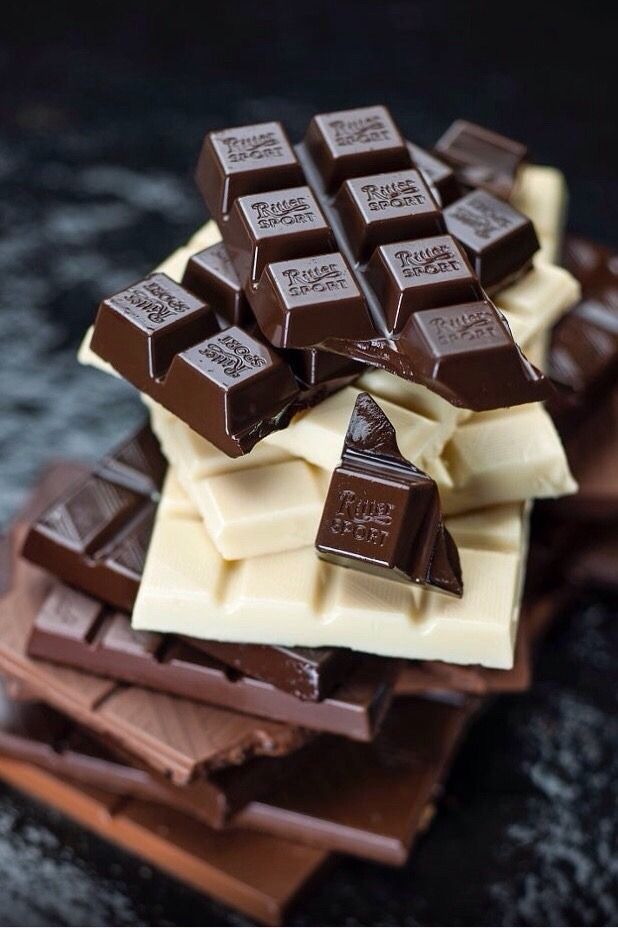
One of the drawbacks of reading books revolving or having a bit of the food factor, is the sudden trigger for that particular dish or meal. Using this as a justifiable excuse to dig into my toddler’s stash of white chocolate, would satisfy the sudden craving for the chocolate, creamy and white.

Interestingly white chocolate isn’t exactly chocolate. Made from cocoa butter, milk solids, sugar, lecithin and flavorings (most commonly, vanilla); it doesn’t include chocolate liquor. The latter beside s giving the bitter flavour and dark colour to chocolate, by the FDA Guidelines state that chocolate liquor has to be present in a product to be known as “chocolate”. Though today as per the US Guidelines (2004), white chocolate (by weight) should have at least 20% cocoa butter, 14% total milk solids, 3.5% milk fat with maximum of 55% sugar or other sweeteners. On a plus point, white choclate has very minimum caffeine as compared to the regular chocolate.


On tracing to the exact origin of chocolate being white, no definite person or country can be given credit. While the Swiss company Nestlé takes almost sole claim to being the initial source of marketable white chocolate (1930s, Milkybar) in Europe; rumours exist of a New Hampshire man producing white chocolate shortly after World War I. Other records state of Kuno Baedeker, who had developed white chocolate (1945) and is widely considered the first creator of the same in North America. Though as records mostly show that Nestlé was the heart of creation and development of the modern white chocolate.

All said and done, one can melt it, chip it in, drink it or just have it like that. Like the regular choclate, white choclate has become a very prominent add on in the cookie dough, cake mix, quick desserts, melted with hot choclate and a regular combination with ice cream. Which is why, a bar of white chocolate has it’s own role of cheering up the depressing bits of life, no matter how old one grows.

“I like caramel flavors; some people prefer a lighter taste, like rose, at least to start with. The chocolate-flavored ones are lovely, of course…” I am rambling; it is like choosing a favorite child, practically impossible. “What’s in this one then?” She points at my newest creation, a pale, creamy white with soft flecks of yellow, like glints of gold in white marble.
“Reve d’un Ange. It means ‘dream of an angel.'” She tilts her head, interested, and I shrug. “Hopelessly romantic name, I know. Couldn’t help myself.” “What’s in it?” she asked, lowering her voice.
“It’s my white chocolate macaron. Ganache, that’s a kind of chocolate cream, sandwiched in the middle. I’ve added a little lemon rind and cinnamon.”
-Hannah Tunnicliffe ( author of The Color of Tea)


Posted in Daily, Family and Society, poetry, Quotes, Reflections

Eyes That Watch Us

“Children learn more from what you are than what you teach.” W.E.B. DuBois

As the little toddler grows up in the family, certain mannerisms and phrases have been coming along too quickly for his age. From putting into place a cushion seat for his tiny legs during the allotted television time to aligning his shoes, experimenting with his father’s hair gel and picking up phrases of “Wipe your feet”, “no phone during meal times” and the like; highlights how much more they learn as they watch and observe the adults around them.

“What we are teaches the child far more than what we say, so we must be what we want our children to become.” Joseph Chilton Pearce

As time flies, being parents or guardians of these little wonders, one never realizes how much they significantly imbibe more from the world around them, than what they have been taught in the kindergarten or later even in school. Like the old adage goes, family is the first teacher of a child; the little things that children pick have an immense effect on their future. Whether it be the physical, emotional, mental or social aspects of their life, parents and elders are their first educators.

“Children or babies learn to mimic the vibration of the adults who surround them long before they learn to mimic their words.” Abraham-Hicks

For adults knowing this matters the most; for this silent teaching is what determines the future of those little ones. The errors of the present would require a huge effort in the future to be corrected then, instead of now. Realizing this significance in the present would shape their future thinking, behaviour and character. Time will always go ahead as always. Let the present memories not be those of regret and guilt; but treasured ones as they move ahead in their future lives.

“Your children will see what you’re all about by what you live, rather than what you say.” Wayne Dyer

When You Thought I Wasn’t Looking

When you thought I wasn’t looking, I saw you hang my first painting on the refrigerator and I immediately wanted to paint another one.

When you thought I wasn’t looking I saw you feed a stray cat, and I learned that it was good to be kind to animals.

When you thought I wasn’t looking, I saw you make my favourite cake for me and I learned that the little things can be the special things in life.

When you thought I wasn’t looking I heard you say a prayer, and I knew there is a God I could always talk to and I learned to trust in God.

When you thought I wasn’t looking, I saw you make a meal and take it to a friend who was sick, and I learned that we all have to help take care of each other.

When you thought I wasn’t looking, I saw you give of your time and money to help people who had nothing and I learned that those who have something should give to those who don’t.

When you thought I wasn’t looking, I saw you take care of our house and everyone in it and I learned we have to take care of what we are given.

When you thought I wasn’t looking, I saw how you handled your responsibilities, even when you didn’t feel good and I learned that I would have to be responsible when I grow up.

When you thought I wasn’t looking, I saw tears come from your eyes and I learned that sometimes things hurt, but it’s alright to cry.

When you thought I wasn’t looking, I saw that you cared and I wanted to be everything that I could be.

When you thought I wasn’t looking, I learned most of life’s lessons that I need to know to be a good and productive person when I grow up.

When you thought I wasn’t looking, I looked at you and wanted to say, ‘Thanks for all the things I saw when you thought I wasn’t looking.’

– Mary Rita Schilke Korzan

Posted in Daily, Food

Add the “Cheese”

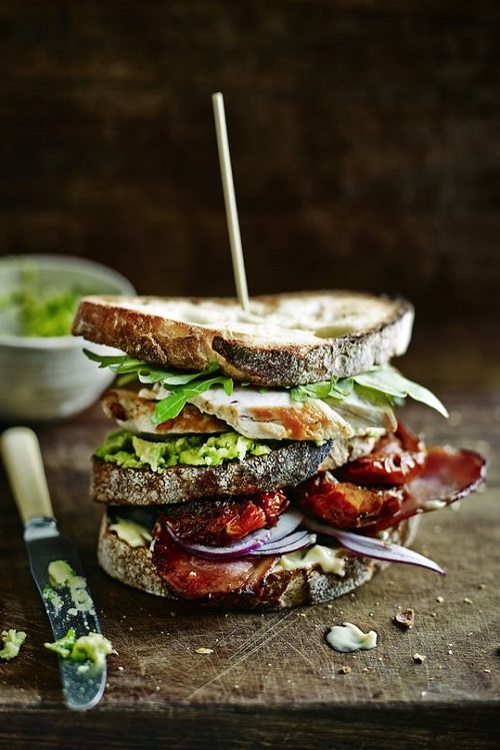
Being the lone one in the house, as a result of over time and off hours being allotted accordingly, enough and more time was spent on the ads section and advertisements were marked. Imagine when the leaflet advertising the discounted cheeseburger rates for the whole week ( in lieu of the national cheeseburger day, Sept 18th) were seen. As the hunger cravings rose to a peak by noon, the big lunch was foregone with the craving for cheeseburger. With a sparsely stocked larder and takeaway not an option in the downpour (besides being miles away from the town roads), creative cooking was the only option. Considering the leftovers and the supplies in the fridge, it was time to make something light. What happens when one places two mince meat patties with sliced tomatoes, crisp onion rings with a nice helping of cheese between two bread slices (out of buns). Voila, the homemade version of cheese burger is ready.

“Man who invented the hamburger was smart; man who invented the cheeseburger was a genius.” Matthew McConaughey

Essentially, a cheeseburger is a hamburger topped with cheese. Although the slice of cheese is added to the cooking hamburger patty shortly before serving, which allows the cheese to melt; variations exist depending on choice of having it melted solid or double extra. As for the cheese, from processed to melt-able cheese, options range from cheddar, Swiss, mozzarella, blue Cheese or pepper jack being the popular ones.

With the rise of cattle ranching, fast food chains, commercialization of food industry and rise of fast food; hamburgers had risen in popularity. The late 1920s saw the adding of cheese to hamburgers. Though several competing claims exist as to who created the first cheeseburger. Records repute that Lionel Sternberger (1926) had introduced the cheeseburger at the age of 16 when he was working as a fry cook at his father’s sandwich shop (Pasadena, California) “The Rite Spot” and “experimentally dropped a slab of American cheese on a sizzling hamburger.” Another similar mention of a cheeseburger smothered with chili for 25 cents was listed on the menu of O’ Dell’s restaurant (Los Angeles, 1928). However the trademark for the name “cheeseburger” was awarded to Louis Ballast of the Humpty Dumpty Drive-In in Denver, Colorado.

“You dont have to eat a whole cheeseburger, just take a piece of the cheeseburger.” Guy Fieri

Variations like steamed cheeseburger, soy cheese and vegan versions have been seen across the globe, with the ingredients adapting to the local cuisine and customs. All said and done, the cheese part has stayed on. There’s something fun about indulging in the occasional cheese burger ( homemade, fast food franchise made or deli made) once in a while. No matter how old or busy one is, the delights of the cheeseburger do stay strong.

“I take pleasure in the little things. Double cheeseburgers, those are good, the sky ten minutes before it rains,the moment your laugh turns into a cackle. And I sit here, and smoke my Camel straights, and I ride my own melt.” Ethan Hawke