Posted in Daily, Food, Stories Around the World

Of Falafel, Vada and Beyond…

Soak the raw chickpeas (with or without baking soda) overnight. Ground them with parsley, scallions, garlic as batter and add spices coriander or cumin, if needed. Instead of chickpeas, dried fava beans can be used similarly. They are stone ground and mixed with leek, parsley, coriander, cumin and dry coriander. Shape the mixture into balls or patties. Serve deep fried or oven baked. Falafel from the original Levantine cuisine is ready. Have them alone, wrapped (within lafa) or stuffed (into a hollow pita) with tahini and garnishes of tomatoes, cucumber, lettuce or even pickles.

One of the basic things of life, that brings together different cultures, places, and origins to a common area of interest is “food”. As one explores the different resources and basic ingredients; varieties are made, experienced and experimented with subtle differences across the cultures and cuisines. With International Falafel Day being held tomorrow (June 12th), it would be quite interesting to learn of similar recipes and try a few in the home kitchens or experiment with local ingredients making subtle changes.

Soak the legumes in water. Ground them for the batter. Season the batter with cumin seeds, onions, curry leaves ( sauteed or plain), salt, chillies, black pepper with or without minced or sauteed vegetables for more taste or nutrition. Add ginger or baking soda for large batch fermentation or more fluffiness respectively. Shape the mixture and deep fry. The Indian “Vada” is ready. Alternatives to legumes (pigeon pea, chickpea, black or green gram) are sago or potatoes. Serve hot or crunchy with or without dip.

Served as savoury fried snacks or even for breakfast; “Vada” also known as wada, vade, vadai, wadeh or bara have been a staple of South Indian cuisine as early as 12th century. There are varied types of vadas described as fritters, cutlets, doughnuts or dumplings. Popular ones include the medu vada of South India, batata vada of West India or mixed as food preparations like dahi vada or vada pav.

Season cooked and mashed black eyed peas with salt and chopped onions. Mould the mix as a large scone and deep fry in palm oil. Serve split in half and stuff with spicy pastes of vatapa, caruru made of shrimps, ground cashew, palm oil, okra, coconut milk and more. For vegans, serve with paste of hot peppers and green tomatoes. Acarje of West African and Brazilian cuisine are ready. Boil the basic ingredients (instead of frying) and abara is ready.

Derived from the Yoruba language, Àkàrà is a generic word meaning “bread” or “pastry” or the dish itself. “Acarajé” (brazilian) is derived from either the Yoruba word combinations “àkàrà” (bread) and “onje” (food) or “àkará” (a round pastry) and “je” (to eat). Popular in West Africa and a part of their culture; akara (rice flour, mashed banana, baking powder, sugar) was often fried and prepared for major occasions like childbirth, weddings, parties or funerals. When sold on the street with addition of ingredients like fried beef, mutton, dried shrimp, coconut among others; acarje was created and struck mass popularity since then on. Various similar combinations like acaca (steamed corn mush) have also coexisted.

Thus for a break from the “known dishes”, it would be fun to attempt newer simple recipes for a little different, spicy and healthy combination to keep the palate as well as “the kitchen experimentation spirit” going. With varied and subtle variations of familiar ingredients, it would be interesting to create a new family or home masterpiece or tradition to carry over to the next generations.

Posted in Daily, Food

Origin, Evolution and Art of “Tarte”

“The Queen of Hearts, she made some tarts,
All on a summer day:
The Knave of Hearts, he stole those tarts,
And took them quite away!” – Lewis Carroll

As echoed by the words of Lewis Carroll, the association of “tarts” to the upper ranks of pastries has been there since the medieval ages. Fast forward to the present, their popularity hasn’t diminished by any means with more than three food holidays for tarts like the raspberry tart day (May 3rd), Cherry Tart Day (June 18th), Butter Tart Day (June 1st) and even National Milk Tart Day (February 27th) as declared and celebrated by “foodimentarians” around the world.

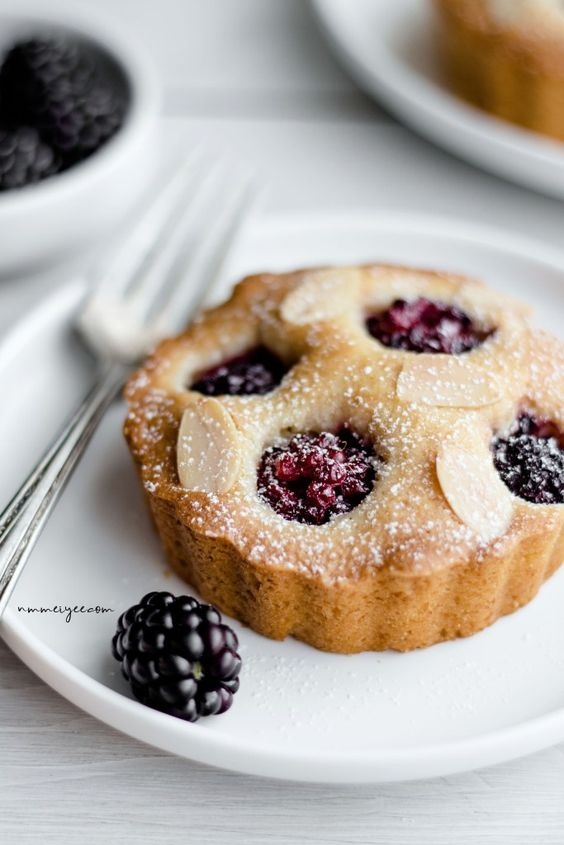
Tart is basically a baked dish with filling over a pastry base with the top left open. While the pastry is usually of shortcrust, the filling can vary from sweet to savoury; although modern tarts are fruit-based with or without custard. Miniature tarts known as tartlets like egg tarts are also gaining widespread popularity as they can essentially substitute for a complete breakfast for the “busy fast paced” world out there.

Originating from the Old French “tarte” or Medieval Latin “tarta”; the distinction of tart with flan, quiche and pie are often blurred with differentiation on the basis of the covering over the pastry or the filling type being sweet, savoury or meat and vegetable based. the categories of “tart”, “flan”, “quiche”, and “pie” overlap, with no sharp distinctions.

“Unless you are a professional, you will find the tart to be a high-maintenance, unforgiving whistle-blower of a pastry.” Sloane Crosley

On tracing the origins of tart, most food historians believe that they came about from the tradition of layering food or “putting things on top of other things” especially over notably round, flat pieces of bread or bread based crusts. Over time, the base was pastry type and then tarts had come about. Another line of thought maintains that tarts spring from the Medieval pie-making tradition, as a kind of flat, open-faced pie. Dating to at least mid 15th century, one of the earliest tarts was “the Italian crostata”, described as a “rustic free-form version of an open fruit tart” or “an open-faced sandwich or canape” due to its’ crusted appearance.

With the arrival of enriched dough around the 1550s, pies took a setback of being a common man’s way of recycling offal and table scraps, while tarts were made with fillings of “high cuisine” often made artistic and pleasing to the eye as well as palate. Often custard-based, a large, open tart presented a broad canvas upon which an artistic chef might compose a work of edible art with brightly-colored fruits, vegetables and spices added onto or into them, mostly being sweet than savoury, or a little of both.

Typically free-standing with firm pastry base of dough, itself made of flour, thick filling, and perpendicular sides; tarts have been made with varied fillings including jam, Treacle tart, meringue tart, tarte Tatin and Bakewell tart.

In fact, the “tarte Tatin”, named after the hotel (originated in France) serving it as its signature dish, is an upside-down pastry in which the fruit (usually apples) are caramelized in butter and sugar before the tart is baked. Over the years, this version as spread to other countries over the years with the filling upside-down being of not just apples or other fruit but also onions, tomatoes and other vegetables.

With savoury tarts getting their own special niche of “quiches”, German Zwiebelkuchen ‘onion tart’ or Swiss cheese tart (Gruyere); tarts and their related varieties are here to stay, especially for quick, comfortable, fun and artistic cooking. With June being the month of outdoors and picnics, tarts and pies are very much here to stay.

“I’m really a scientist. I follow recipes exactly – until I decide not to. And then I’ll follow something else exactly. I may decide I could turn this peach tart into a plum tart, but if I’m following a recipe, I follow it exactly.” Ina Garten

Posted in Daily, Family and Society, Life, Personal Musings, poetry, Quotes, Stories Around the World

The “Air” That We Breathe

“The environment is where we all meet; where we all have a mutual interest; it is the one thing all of us share.” Lady Bird Johnson

As the world gears up to acknowledge the environment today as World Environment Day (June 5th); the focus for this year is on “the air around us”. For the basic survival of man, the dependence on nature and her elements are huge. Since the beginning many things have been taken for granted, from the earth forests for shelter; water to drink; other living resources as food to the availability of air for existence. Unfortunately over time, the trend has changed from use to misuse and abuse. For those of us who live thoughtless of the future, little do we realise how much the present affects us. The rise of air pollution based diseases creeping early into childhood years to early phases of “bad lungs” from young adulthood; the impact is vast and huge.

“The ultimate test of man’s conscience may be his willingness to sacrifice something today for future generations whose words of thanks will not be heard.” Gaylord Nelson

Although this focus is on the “air” for now; gradual understanding and implementation of measures to address the core issues of climate change and pollution have to be done on small scale as well large scale to repair the significant damage done and avoid more harm. As the saying goes, “little drops of water make rivers and lakes, finally leading into seas and oceans.”

“Away, away, from men and towns,
To the wild wood and the downs, —
To the silent wilderness,
Where the soul need not repress its music.”
—Percy Bysshe Shelley

Habits started young, stay for life. Hence start small measures for now, keeping it up to slowly add on and lead to big changes. With children at home, from using water wisely, replenishing water back into the soil, recycling old toys and reusing the plastic around for school projects are few of the many measures to start off. For adolescents and young adults, options for changes act at a more significant level like carpooling, cleanliness and planting drives as well taking significant measures to reduce and reuse plastic, switch to conserve electricity as well as power use are few of the many efforts that can be made for helping to sustain the environment that we live on.

Growing older, sticking to these measures and putting them into the daily practical life is what matters the most. The clash is always between convenience, comfort, essential and effort. To “reduce, reuse and recycle”, use wisely or even sustain and conserve, is never easy but requires tremendous care, foresight and planning from one. After all, to maintain the best things in life, it was never easy. The environment is never ours alone but to be shared across all species and it has the potential to sustain us when used wise and destroy us when the balance is harmed.

The Brook
By Alfred Tennyson

I come from haunts of coot and hern,
I make a sudden sally
And sparkle out among the fern,
To bicker down a valley.

By thirty hills I hurry down,
Or slip between the ridges,
By twenty thorpes, a little town,
And half a hundred bridges.

Till last by Philip’s farm I flow
To join the brimming river,
For men may come and men may go,
But I go on for ever……

Posted in Daily, Food, Stories Around the World

Of “Catchup” and Origins…

“Three tomatoes are walking down the street – a papa tomato, a mama tomato and a little baby tomato. Baby tomato starts lagging behind. Papa tomato get angry, goes over to Baby tomato and squishes him…..and says ‘Ketchup!”
-Uma Thurman in ‘Pulp Fiction’ (1994)

Sweet and tangy, often used as a condiment for the “hot or fried, greasy” dishes and at times, as an add on for dressings, sauces or flavouring for the main course dishes; “ketchup” or “catchup” has evolved into being almost a must in every household. In fact, to flavour the most mundane or for a quick scratch meal; ketchup is the answer. Little wonder then with hoards of “tomato sauce” enthusiasts around, a whole day has been dedicated as National Ketchup Day (June 5th).

Typically made from tomatoes, sugar, vinegar, assorted seasonings and spices; this sauce had initial recipes of egg whites, mushrooms, oysters, mussels, or walnuts, among other ingredients. Some of these ingredients have been modified and labelled under other sauces; such that the term “ketchup” (earlier known as catsup, catchup, red sauce, ketsup) refers to the unmodified tomato ketchup (not the mushroom ketchup). While the specific spices and flavors may vary; most commonly include onions, allspice, coriander, cloves, cumin, garlic, mustard and sometimes celery, cinnamon or ginger.

“You know, you really can’t beat a household commodity – the ketchup bottle on the kitchen table.” Adlai Stevenson

Condiments and sauces have been an accompaniment for main course meals a s well as snacks from the very early days of civilizations. Delving into the origins and roots of “ketchup”, this concoction of the Orient had been passed on to the colonists. The 17th century Chinese cuisine included a concoction of pickled fish and spices; known as kôe-chiap (Amoy dialect) or kê-chiap meaning the brine of pickled fish (like salmon juice) or shellfish. Seen in the Malay States (Malaysia and Singapore) of early 18th century; as kicap or kecap (pronounced “kay-chap”) English colonists had first tasted it. The English settlers had taken it back with them, later to their American colonies. Over time “kecap” had evolved into catchup” or “ketchup”. From an etymological point of view, multiple competing theories offer explanations for the name “ketchup”, yet the most widely believed is the Malay or Chinese origin.

“I mix mayonnaise, ketchup and brandy and a little bit of mustard. This is a heck of a good sauce for seafood.” Jose Andres

Originally and historically, the initial preparations of the English ketchup had mushroom (sometimes even walnuts) rather than tomatoes as primary ingredient(1750 to 1850). While many variations of ketchup were created, the tomato-based version appeared a century later after other types. The early versions had anchovies placing its’ roots to fish-sauce ancestry. The mid-1850s saw anchovies being dropped from the ingredients.

Gather a gallon of fine, red, and full ripe tomatoes; mash them with one pound of salt.
Let them rest for three days, press off the juice, and to each quart add a quarter of a pound of anchovies, two ounces of shallots, and an ounce of ground black pepper.
Boil up together for half an hour, strain through a sieve, and put to it the following spices; a quarter of an ounce of mace, the same of allspice and ginger, half an ounce of nutmeg, a drachm of coriander seed, and half a drachm of cochineal.
Pound all together; let them simmer gently for twenty minutes, and strain through a bag: when cold, bottle it, adding to each bottle a wineglass of brandy. It will keep for seven years. – Recipe for “Tomato Catsup” from 1817
(Source: Wikipedia and Apicius Redivivus: Or, The Cook’s Oracle: Wherein Especially the Art of …)

“I can fry hollandaise, I can fry ketchup, I can fry mustard.” Wylie Dufresne

Besides the primary use as a condiment, add on to the marinade or to the minced mix as well as converting it sauces like brown ( barbeque) sauce, sweet and sour sauce or red remoulade; ketchup has its’ own special uses too.

  • Shine copper and silverware with ketchup, with the latter being a very effective cleaning agent. At times, mixing it with Worcestershire Sauce enhances the cleaning effect. Ketchup can be used to clean up the tarnish from the car parts, as well as a great agent to shine up alloy based metals; though it won’t clean up the dirt. The technique would be to first clean and remove the dirt, then use ketchup to add the shine.
  • To correct green highlights in bleached hair, ketchup can be used. Besides ketchup acts as a great conditioner, bringing back the natural oils into the hair.
  • Last but the most creative use of ketchup is its’ use as fake theatrical blood. Additionally ketchup as well as its’ bottle acts as a great base for food based paints and dyes for “toddler art and paint fun”.

With more than the “food” factor for ketchup, this condiment will continue to remain as an essential part of the pantry and the household, whatever may come.  For every food experimenter, getting creative and adding a bit of sweet, sour and tangy flavours to the routine recipes can lead to entertaining and surprising new flavours, combinations as well as artistic renderings ( like Eureka!!).  


Posted in Daily, Food, Musique, Stories Around the World

“Rocky Road” When On the Go

“I am not plain, or average or – God forbid – vanilla. I am peanut butter rocky road with multicolored sprinkles, hot fudge and a cherry on top.” Wendy Mass

Imagine a sewing scissors, ice cream and the whole house to oneself. As per one source, when William Dreyer of Oakland, California ( March 1929) had eyed these items on a spring day; he had cut up some walnuts and marshmallows and added them to his chocolate ice cream; similar to his friend Joseph Edy’s chocolate candy creation with walnuts and marshmallows. Later walnuts were replaced by pieces of toasted almonds. Variations of this combination with add on of nuts, whole or diced and even flavoured marshmallows with chocolate ice cream ( no choclate chips in the original one) had led to the creation of “rocky road ice cream”.

Post the era of the Wall Street Crash of 1929, Dreyer and Edy gave the flavor its current name “to give folks something to smile about in the midst of the Great Depression.” Another claim to this creation was by Fentons Creamery, Oakland who stated that Dreyer based his recipe on a Rocky Road-style ice cream flavor invented there by George Farren. The latter had blended his own Rocky Road-style candy bar into ice cream which Dreyer had modified.

“I hope your only rocky road is chocolate.” Amanda Mosher

While in Australia (1853), the “rocky road” was created. Rocky road was a type of cake made up of milk chocolate and marshmallow which is usually served in individual portions such as a cupcake or brownie. With exact origins debatable, the rocky road was created as a way to sell confectionery which had lost it’s flavour during the long trip from Europe and was mixed with locally-grown nuts and cheap chocolate to enhance the taste. As per this account, the name “rocky road” comes from the rocky road that travelers had to take to reach the gold fields. Although, many companies based in the Americas have laid claim to this creation as well.

Rocky road has it’s own variations as per the local flavour. With the traditional Australian rocky road being made of glace cherries, milk chocolate (sometimes dark or white chocolate), desiccated coconut, nuts (mostly peanuts) and marshmallow; Bahrain’s rocky road has milk chocolate, Nutella and pistachios. Moving west ward bound, the traditional British Rocky Road (1971) contains dried fruit, biscuit, milk chocolate ( rarely substituted by dark or white chocolate) with a light dusting of icing sugar over it.

Regardless of the type of Rocky road, whether as store bought or homemade cake, brownies, ice cream or served as topping over coffee, hot chocolate, sundaes or other sweet combinations; missing out on this delight before the summer comes to an end would be sinful. With foodimentarians celebrating tomorrow as National Rocky Road Day ( June 2nd); it would be fun, creative as well as a palatal delight to indulge in this delectable dessert for a change.

“I hear those ice cream bells and I start to drool,
Keep a couple quarts in my locker at school
Yeah, but chocolate’s gettin’ old,
And vanilla just leaves me cold,
There’s just one flavor good enough for me, yeah me,
Don’t gimme no crummy taste spoon, I know what I need, baby
I love rocky road,
So won’t you go and buy a half gallon baby
I love rocky road,
So have another triple scoop with me, OW!”

Lyrics of “I Love Rocky Road” by “Weird Al” Yankovic (1983)

Posted in Daily, Food

Of Macaron and Macaroon

“Orange pekoe flavor, with that gold confection dust on the top.” She holds one up to demonstrate. “Mascarpone filling.” She bites it clean in half and shows me the middle. “Rose jelly in the center.”
“Sounds good to me. What shall we call it?”
“I don’t know.”
I reach over and pick up a macaron, the texture, weight, and balance all perfect. Symmetry, lightness, both shells with excellent feet, wedded together with a smooth filling. Nodding with approval, I place it on my tongue. She is right; the orange and rose flavors melt lustily in your mouth. It’s just like Mama- all bright and full of surprises.” – Hannah Tunnicliffe, The Color of Tea

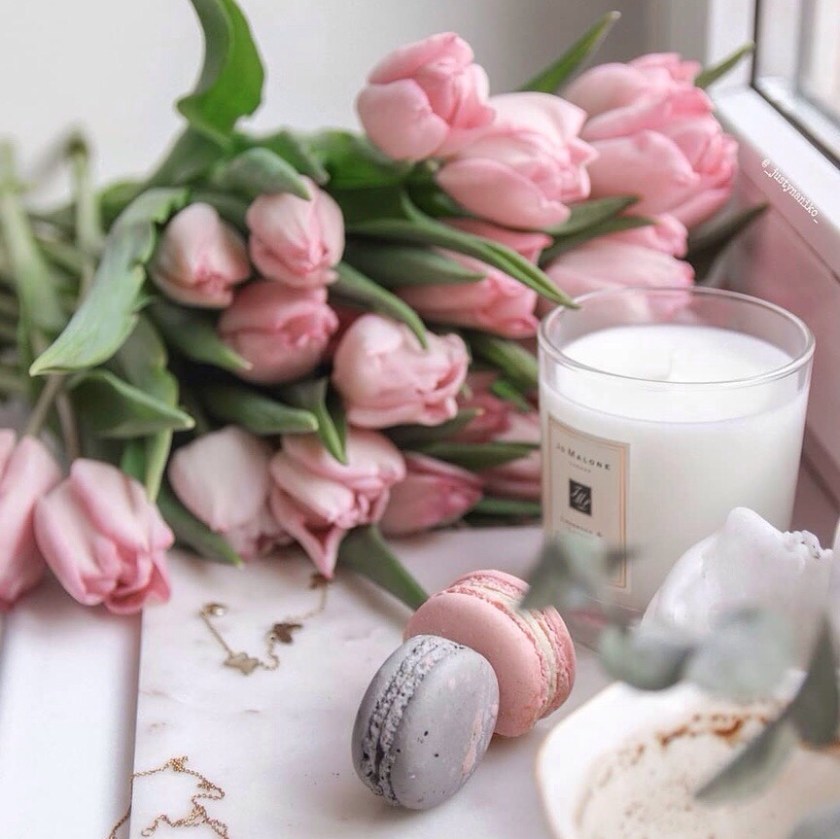
Known as “macaron” or “French macaroon”, this sweet meringue-based confection is made with egg white, icing sugar, granulated sugar, almond powder or ground almond and food coloring. Typically served with a ganache, buttercream or jam filling sandwiched between two such cookies (similar to a sandwich cookie), macarons have been one of the little delights gaining wide popularity globally. Mildly moist, melting when eaten; this confection is characterized by a smooth squared top, a ruffled circumference, referred to as the “crown” (or “foot” or “pied”) and a flat base. Macarons can be made in a wide variety of flavors that range from the traditional vanilla, raspberry, chocolate to the unusual flavours of foie gras, matcha and so on. There is some variation in whether the term macaron or macaroon is used, and the related coconut macaroon is often confused with the macaron.


Macarons are a little different from macaroons, wherein both start off with a base of egg whites and sugar. But macaroons are with the base is typically whipped into a stiff meringue , like meringue cookies. Whereas, for macarons after the meringue is whipped, a combination of powdered sugar and finely ground almonds gets folded in, not too much or too little. The resulting semi-liquid batter is piped into exact rounds and baked.

The origin of the macarons are quite debatable. Although macarons today are credited to France, the first known appearance of the macaron in Europe was believed to be back in the Middle Ages. In those times, the macaron was a small sweet made of almonds, egg white and sugar, crunchy on the outside and soft on the inside. As some food historians believe that, these “macarons” were initially made in Italy as a consequence of the Arab troops from modern Tunisia ( around 9th century AD), landing in Sicily. They had brought new foods along with them like lemons, rice, pistachios as well as a rich repertoire of nut-based sweets like almond paste candies wrapped in dough. In fact, the term “macaron” shares similarity to the Italian macaroni, which puts a shadow of doubt over it being a French creation.


Since the 8th century, Macarons have been produced in the Venetian monasteries. Yet they gained wide popularity in the French court, when the Italian pastry chef who were brought by Catherine de’ Medici when she had married King Henry II of France, during the Renaissance Era. During those years of the 16th century, macarons were known as ‘priest’s bellybuttons,’ due to the pastry’s shape. Yet as per Larousse Gastronomique, the macaron was created in 1791 in a convent near Cormery. Legend says that two Carmelite nuns, seeking asylum in Nancy during the French Revolution (1792), baked and sold the macaron cookies in order to pay for their housing. Later these nuns were known as the “Macaron Sisters”. These early years saw macarons being served without special flavors or fillings.

Towards the early 1990s, the modern day macarons had began to take shape. Largely credited to Pierre Desfontaines, the pastry chef and owner of the Parisian café, Ladurée; the modern day macaron was made when he had decided to take two macarons and fill them with ganache. The result was an instant success. These original “Gerbet” or “Paris Macaron” were composed of two almond meringue discs filled with a layer of buttercream, jam, or ganache filling. Similar styles were also claimed to be started by another baker, Claude Gerbet.

By the 1930s, macarons were served in two’s with the addition of jams, liqueurs, and spices. Since then macarons have evolved from a humble almond cookie to a versatile treat, coming in a variety of colours and flavours; alluring both to the taste buds, the experimenters’ kitchen as well as the creative mind. Towards the 21st century, confectioners started offering macarons with a difference in flavor between filling and cookie, in both savoury (Basil mint or Thai curry) and sweet styles. Little wonder that there are two days devoted to macarons with Macaron Day (March 20th) and National Macaroon Day ( May 31st) being celebrated across the world. Explore this little treat to enter another world of desserts, more than sandwich cookies, little delights both flavour some and edible art.


Posted in Daily, Food

Of “Burger” and Origins

“Fashion is like food! Some people like sushi, others think hamburgers are divine! People like different things!” Michael Kors

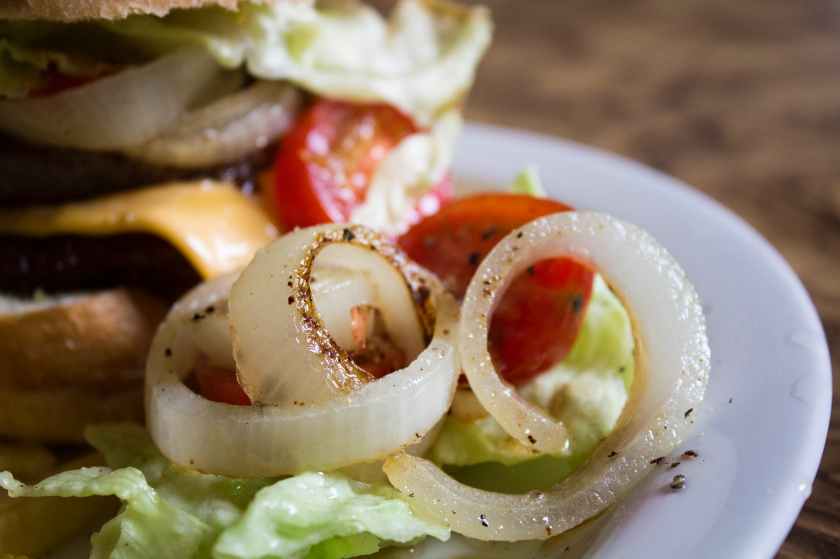
One of the most popular comfort foods, snack foods or a complete meal to splurge occasionally, or for fun and festive, is the hamburger or burger. Essentially a sandwich consisting of one or more cooked patties (pan fried, grilled or flame broiled) of meat placed inside a sliced bread roll or bun and often served with cheese, lettuce, tomato, onion, pickles and other adds ons, as well as condiments like ketchup, mayonnaise, mustard, relish, or “special sauce”, these sandwiches or “burgers” have stormed the food industry ever since their introduction. While today, the patties can range from meat, fish, egg or vegan; hamburgers or burgers have evolved from being that of fast food joints or the regular diners to specialty or high end restaurants. Like all sandwiches, its’ what goes in and the entire taste and texture that counts.

“It requires a certain kind of mind to see beauty in a hamburger bun.” ~ Ray Kroc


Although the term, “hamburger” is originally derived from Hamburg, Germany’s second-largest city; its’ origins have been subject to much dispute, claim and uncertainty. Before the “disputed invention” of the hamburger in the United States, similar foods already existed in the culinary tradition of Europe. As recorded in The Apicius cookbook, a collection of ancient Roman recipes that may date to the early 4th century, “isicia omentata” preparation is detailed as a baked patty in which meat is mixed with pine kernels, black and green peppercorns, and white wine, considered to be the earliest precursor to the hamburger. Later on with various conquests, civilizations and trade, similar recipes were made with various varieties of the meat available then, like the “steak tartare” made of minced horse-meat of the 12th century.

The evolution of the name “Hamburg” came as the town was known for its’ ports famous for trade with the “New World” as well as then ” Old Europe”. With immigrants reminiscing about home, various dishes made with steak came to known with the name “Hamburg” added along side the dish name on the various menus especially when at sea or the ports, like the Hamburg-style American fillet.


However the exact origin of the hamburger may never be known with any certainty. While most historians believe it was invented by a cook who placed a Hamburg steak between two slices of bread in a small town in Texas; few others credit the founder of White Castle for developing the “Hamburger Sandwich.” With records being scarce, the stories and claims still remain as “legends”. With most claims for the invention occurring towards the early 19th century, common factors include large crowds like fairs, festivals, amusement parks as well as street vendors, who for simplicity, ease and increased sales had placed the steak between two buns filed with few vegetables to get the taste and the sales” going.

Yet by whichever origin, the “burgers” have been evolved across the globe adapting to the taste, local ingredients, culture and essence of the locality like the Vietnamese rice-burger. Varied experimentation with the ingredients can be made with ease, to give rise to a style or art with home cooking the “burgers” especially on the International Burger Day (May 28th). Depending on the mood or scene, from barbecues to cook-outs various combinations can be made, traded and shared with fun memories to treasure. Or one can ordering the good old regular “burger” for not just satisfying the hunger pangs but also for comfort in the memories of the good old times. As the old saying goes, “moderation is the key to having fun while eating”.