Posted in Daily, Food, Quotes

Fritters for Weekend

You don’t want to make a steady diet of just lettuce. You don’t want to make a steady diet of fried chicken. Paula Deen

On a walk down the streets in India, the sight of stalls or shops selling fried pakoras or bhajji and the like are a common feature. Not seeing them would make the trip incomplete and less interesting. While it is National Fritter Day tomorrow, fritters have been the heart-line of Indian snacks or appetizers especially the savoury ones. The platter of fritter-like street foods is long with pakoras or bhajji, vadas and bondas to list a few.

Pakoras or bhajjis as they popularly called across most states of India are made usually from vegetables like onion, potatoes, chillies, cauliflowers; although banana, groundnuts, buckwheat, fish and bread pakoras are made. Making their global presence known, newer varieties of pakoras are being experimented with the local flavours like the Haggis pakora (a Scottish snack food of traditional Scottish haggis ingredients with the spices, batter and preparation method of Indian pakoras).

“So do not fritter away your days. Sooner than you fear, you will stand before a mirror in a care home, look at your body, and think, E.T., locked in a ruddy cupboard for a fortnight.” ― David Mitchell, Cloud Atlas

Contrary to the meaning of the noun, fritters are something irresistible deep-fried delicious once-in-a-while treats. Fritters are fried foods consisting of batter or bread filled with ingredients of a wide variety ranging from sweet to savoury tastes. The fillings can be single or mix of vegetables, like onion, potatoes, spinach or cereals like cornflour or milk-based (cheese), meat, seafood and even fruits like bananas or apples.

“Little critters fried like fritters come out crunchy and divine.”- Gregory Maguire

Call them by any name, but fritters have been popular across many countries. From gorengan of Indonesia, Malaysian cucur, Nigerian akara, tater tots and Hushpuppy to name a few, each country has their own version of fritters.

“I don’t want someone shoving his views down my throat, unless they’re covered in a crunchy candy shell”- Stephen Colbert.
To add on to the quote, “or a frittery crunchy taste” sometimes.


Posted in Daily, Family and Society, Food

Origins of Pain Perdu

“Dip a slice of bread in batter. That’s September: yellow, gold, soft and sticky. Fry the bread. Now you have October: chewier, drier, streaked with browns. The day in question fell somewhere in the middle of the french toast process.” — Tom Robbins

To add on to the quote above, add a little sugar before you fry the bread and with a glass of milk to go, November has come and almost gone.

In the morning chaos, one of the easiest options for a quick breakfast (besides cereal, oatmeal, eggs and bread) is the french toast. French toast is a dish made of bread soaked in eggs and milk, then fried. Alternative names and variants include eggy bread, Bombay toast, German toast to name a few. Yet the name is a misnomer as the recipe didn’t originally come from France. The Apicus, a collection of Latin recipes dating to the 4th or 5th century have the earliest reference to French Toast where it is labelled as simply aliter dulcia (“another sweet dish”) which breaks down the steps of the recipe to “slice fine white bread, remove the crust, and break it into large pieces. Soak these pieces in milk and beaten egg, fry in oil, and cover with honey before serving.” This recipe has been modified and carried to German, England, Nordic areas as well as Italy.

The usual French name is pain perdu translated as “lost bread”, reflecting its use of stale bread. Known for its ease in making and simplicity; sugar, cinnamon, nutmeg and vanilla can be also added to the mix. Alternatively, the bread may be soaked in wine, rosewater, or orange juice either before or after cooking. The bread is then fried in butter or olive oil until browned and cooked through. Day-old bread is often used, both for its thrift and because it will soak up more egg mixture without falling apart.

“The things that you did with parents, whether it was spending every Sunday morning with your dad and eating French toast and watching Popeye, or decorating the Christmas tree with our mother – these are memories that help you be happy.” ~ Leonardo DiCaprio

All said, bringing breakfast to the table from different parts of the world makes the morning light, quick and interesting; in addition to the fact that the kids will love the change once in a while.

Posted in Daily, Food, Quotes

Treats like Cupcakes

“The little cakes were iced in white, with golden yellow icing roses on top, and instead of ice cream there was sherbet that was a rainbow of colors in each dish. Jane Louise Curry”

Uniquely suited for the modern food culture, cupcakes are known for its portion controlled size, easy baking, inexpensive, delightful as well as edible art which allows us to splurge on the calories without being guilty. With origins traced to early 19th century, the original cupcakes or fairy-cakes were simple cakes about the size of teacups though the fairy-cakes were made slightly bigger. Although the classic vanilla, chocolate flavoured or chocolate topped icing are standard, flavours as well as the topping designs have become more elaborate, decadent and even weird at times. that followed the basic rule of numbers with measurements as cups.

“In my mind, there was nothing better than a cupcake with a funny little twist. I liked bold pairings of fresh ingredients slathered high with decadent, old-fashioned waves of icing- organic pear and chai tea cake topped with vanilla-ginger buttercream was one of my current favorites. But Lolly St. Clair had more classic taste, and so I’d made an array of delicately flavored Meyer lemon, vanilla, and mocha cupcakes for the benefit.” ? Meg Donohue, How to Eat a Cupcake

There is cup cake and then there are cupcakes. No, both aren’t exactly the same. The “cup cake” refers to a cake whose ingredients were measured by volume (using a standard-sized cup) instead of being weighed. The recipes where the ingredients were measured using a standard-sized cup can also be baked in cups; but they were more commonly baked in tins as layers or loaves. Later as the use of volume measurements was firmly established in the home kitchens, these recipes became known as 1234 cakes or quarter cakes. They mainly have four ingredients: one cup of butter, two cups of sugar, three cups of flour, and four eggs; making them less rich and less expensive than pound cake.

“When you look at a cupcake, you’ve got to smile.” -Anne Byrn

The craze for cupcakes had picked up with the varying varieties available for many occasions besides having them at any time of the day as well as easily portable (remember rushing for the train with cupcake and coffee in hand). A quick office meeting or a tête-à-tête with friends; cupcakes and coffee go well with each having the freedom of their own topping. Elaborate cupcakes have graced receptions, wedding banquets as well as minor celebration parties. For weight watchers and chronic dieters, cupcakes are the answer to prayers for resolving the sugar cravings. Any kids parties, quick desserts or fast baking, cupcakes are life savers and yes, they can be made in pressure cookers too. Not to forget the designs and colours of cupcake toppings an icing, which have launched their own line of food photography art.

Cupcakes are like having life in delicious bite sizes. To quote Laurel Nakadate, “A cupcake is like a great pop song. The whole world in less than three minutes. And it’s impossible to have a bad cupcake. In New York you walk everywhere. So I’m always looking, always on the eternal search for the perfect cupcake. I take them very seriously. It’s like hunting and gathering for me.” As the best things in life come in small packages, cupcakes join my list of sweet delights. This makes promoting the Small Business Saturday with cupcakes worth the time and effort.

“Coffee makes it possible to get out of bed. Cupcakes make it worthwhile.” ~ Unknown Author

Posted in Daily, Reflections, Stories Around the World

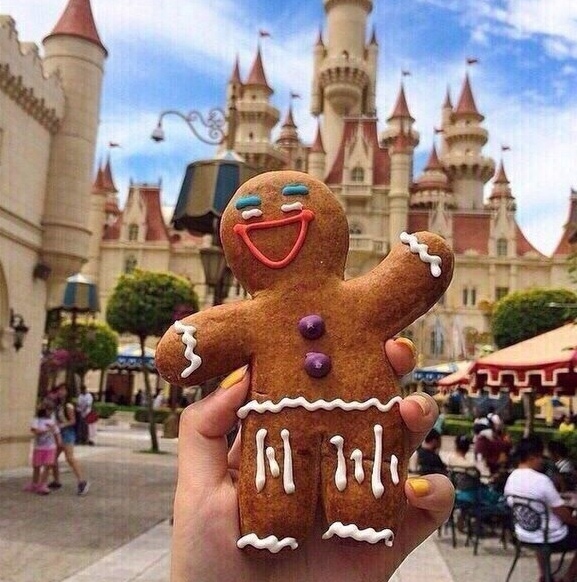
Reality of the Gingerbread Man

Ever since my toddler had got his own storybook about “The Gingerbread Man”, he has been fascinated by the large cookie that can run. Little wonder then that he chose to read this book more than thrice a day at different sittings.

The story centers around an old woman who baked a gingerbread man which leapt from her oven and runs away. The woman and her husband give chase but are unable to catch him. The Gingerbread Man then outruns several farm workers and farm animals while taunting them, only to fall prey to the fox. The tale ends with the latter catching and devouring the gingerbread man.

Although he is too young to understand the hidden concepts, sometimes I do wonder if this tale is an underhand way to get at adults for our possessive streak, trust issues as well as the habitual lying we either weave ourselves or get caught in.

Just as every person or animal runs after the gingerbread claiming it,the question arises if the person has a right to claim it. We often reinforce it to children that just because we want it, doesn’t mean that it is ours or that we can have it. Isn’t true for adults too where our whims and tendencies trigger the possessive streak many a time. Second is the trust issue. Like the spider and the fly, we often fall prey to trickery as we see want we want to see or hear what we want to interpret. Though for the innocent children it is more important to know who to trust an when to call for help; this lesson doesn’t change as we become adults. The world is an ocean, filled with delights and sharks. To experience the former, one has to steer clear of the latter. The third is about the lies. Black or grey or white, lies are lies and fibs are fibs. While sometimes we engage them with good intentions, the dangers of being caught makes one uneasy at any point of time. For a man without credibility and honesty is like an unreliable car or gadget.

Setting aside the story, there is something special about gingerbread, either shaped as a doll, cookies or even the houses. One chunk at a time, they not only add colour to the flavours but also add to fun times in the kitchen with delicious batter to sample.

Posted in Daily, Food, Quotes

Art on modified Focaccia

The solution to some weekday nights when the day is too busy followed by a high tea on crashing after the working hours, is pizza especially when the ready-made base is available and all you need are the toppings. For the record, although the flat bread pizza is credited to Naples of Italy around the 16th century, flavoured topping added to bread have been there since the development of farming of the primitive man.

Everybody likes pizza! It’s a quick and easy clean-up meal. Buddy Valastro

While the Ancient Greeks had their plakous (flat bread flavoured with toppings of herbs, onions, cheese and garlic), the ancient Persians baked flat-breads with cheese and dates while the Aeneid (a Latin epic poem by Virgil) tells of meals of round cakes (like pita bread) topped with cooked vegetables. Among the various suggestions made to the origins of modern pizza, pizzarelle (Kosher for passover cookies eaten by Roman Jews) and other Italian paschal breads are in the list. Yet the most widely accepted precursor of pizza was the focaccia, a flat bread known to the Romans as panis focacius, to which toppings were added. Other varieties of flat-breads across the globe include the Chinese bing (a wheat flour-based food with a flattened shape), the Indian parantha, naan and roti (where toppings and mix varies) and Finnish rieska. Add on cheese, meat, vegetables and seasonings to make the French quiche or German zwiebelkuchen.

Pizza is a great segue into unfamiliar flavors – plus, you can pile on the veggies. Maneet Chauhan

In 16th-century Naples, the pizza was a galette flatbread sold in the streets and known as a dish for the poor people. Later it was replaced by oil, tomatoes and diverse toppings with cheese or mozzarella twining it. Modern pizza developed in Naples, when tomato was added to the focaccia in the late 18th century. Initially pizza was mainly eaten in Italy and by emigrants from there. After World War II, as the Allied troops stationed in Italy came to enjoy pizza along with other Italian foods, it was brought out to the rest of the world.

Kids want to saute, to cut the pizza, to see how the ingredients come together. If you let them do the fun stuff, they’ll develop skills and interests that will stay with them forever. Guy

Today with a surplus of options and wide diversity of toppings available, it is no wonder that a whole month (October) has been dedicated to pizza. As they say, one things running through all the toppings is cheese that sticks together.

Ideas are like pizza dough, made to be tossed around. Anna Quindlen


Posted in Daily, Photography Art, Stories Around the World

Of Weddings, Cakes and Tradition

With the entire family gearing up for the wedding of the youngest, the days have turned into an organizational fiasco. Considering all the hectic preparations underway, the easier option would have been to elope and have a very quiet wedding. But then the entire family would miss out a chance to meet up, have loads of fun and enjoy great photographic moments or memories.

Although the event management team as well as the wedding planner were working on the arrangements, from gowns to venue settings to catering, last minute details were to be ironed out. As a part of my research into various ideas, I had chanced upon some fascinating historical facts and traditions that went along with wedding cakes in particular.

As early as the era of the Roman empire, a loaf of bread or biscuit made of meal (matzo cake), wheat or barley was crumbled over the bride’s head to provide good luck. After the newly married couple would eat a few crumbs together as one of their first unified acts, the leftover crumbs would be scooped by the wedding guests for good luck. With the Romans conquering Britain, the tradition was carried further by throwing the bread at the bride for good luck and fertility. Slowly the bread changed to more flatter cake like versions.

In England during the medieval era, instead of the plain wheat cakes; spiced buns, scones, and cookies were stacked as high as possible and the bride and groom would try to kiss over it. Legend said if they would have good fortune if they smooched successfully without knocking the whole thing down. From this the French tradition of Croquembouche was created. The myth tells of a Pastry chef while visiting Medieval England had witnessed such a wedding where sweet rolls were piled. Back in France, he had piled sweet rolls up into a tower to make the first Croquembouche. The modern croquembouche tower (usually built from profiteroles) is now placed on a bed of cake and make it a top tier, sometimes given a halo of spun sugar.

In some areas, especially mid 17th to 19th century, bride pies were made wherein a ring would. To symbolize the acceptance of the proposal, traditionally the bride would place a ring inside the couple’s portion of the cake. Alternatively a glass ring would be placed in the middle of the dessert and the maiden who found it would be the next to marry. Bride’s pie would evolve into the bride’s cake. As an oven was still a rarity, two pastry crusts would be baked on the hearth with currants between them like a sandwich and sugar sprinkled on top. At this point the dessert was sweeter than earlier versions. Over time, the ingredients progressed to include candied fruits, almonds, spices, raisins and even rum. In the Victorian era, white icing was also a symbol of money and social importance which has since then been carried on.

Interestingly, in the 17th century, two cakes were made, one for the bride and one for the groom as the bride cakes were too feminine for men. The groom’s cake was typically the darker colored, rich fruit cake and generally much smaller than the bride’s cake. Initially the bride’s cake was usually a simple pound cake with white icing with white as a symbol of purity. This is still carried over today at some weddings, although sometimes the groom’s cake is served at the rehearsal dinner.

Towards the late 18th century, tiered cakes had got their start when the apprentice of a London baker fell in love with his boss’s daughter. Inspired by by the tiered spire of St. Bride’s Church, legend has it the apprentice baker recreated the look in pastry form to impress her. Later on the traditional wedding cakes in England and early America were fruit cakes, often topped with marzipan and icing with tiers.

Symbolism and Superstitions. From bread to pies then cakes, the latter was originally intended to be distributed among the guests by only the bride for consuming the cake would ensure fertility. As weddings grew with increase in number of guests and tiered cakes with icing became popular, cutting the cake was a joint venture with the groom assisting the bride. As this tradition began the bride and groom would share a piece of cake before distributing it not only as a symbol of their union but also as their promise to take care of each other forever.

In the traditional American wedding, ribbons would be attached to the bottom layer of the wedding cake of which one would contain a charm or ring. Maidens would be invited to pull ribbons and whoever gets the charm will be the next person to marry. Some places, the wedding cake is broken over the bride’s head to ensure fertility and good fortune. Also bridesmaids would take a piece of cake home and place it under the pillow, or put it in their left stocking and sleep for dreams on their future husband and good luck as well.

Besides being celebratory, initially wedding cakes were a sign of social status. Over the centuries with the advent of wedding cake toppers, fondant, flower-paste, royal icing, glaceing, filling flavours ranging from chocolate, carrot, pistachio to Italian cream, lemon-thyme, passion fruit-lime, Mexican-hot chocolate to name a few; the options are endless as the wedding business grew to new and big proportions. Of recent the single or multiple tiered cake is for family and close friends at the wedding while little cupcakes and pastries have made their way into the reception. It’s little wonder that in all the wedding planning details, the cake takes its fair share faced by a great deal of choices, minor specifics, tastings, trepidation and artwork laced with innumerable amount of rethinking and decisions to be made.

Posted in Daily, Food

Pancakes Across the Globe

If there is any food, since prehistoric times which has been carried over in families and homes to the present day; it has to be batter rich and poured on plate, ready to be eaten when done. Called by various names across the globe, pancake (a.k.a. hotcake, griddlecake or flapjack) has been a constant item on the breakfast or comfort foods menu both across the East and the West as well North and South. While the structure and components vary across the globe, the essential ingredient of cereal based flour (wheat, buckwheat, oats, rice and so on) in the batter leavened or unleavened has been the central theme of almost all the pancakes across the homes and diners world-wide. As food changes as per the local flavours, pancakes even when called by different names can be made either sweet or savoury but is essentially akin to quick breads or flat breads. While its’ not only by proportions, but also by the local available flavours each type of pancake has their own story to tell and cuisine to belong to.

Flour. Baking Powder. Sugar. Milk. Eggs. Butter. Pinch of Salt. Mix, Pour and heat. Pancakes are ready. 
The toppings added varies according to seasons and availability. Kaiserschmarrn is an Austrian pancake with raisins, almonds, apple jam or small pieces of apple, split into pieces, and sprinkled with powdered sugar. They can be made thin and filled with jam, chocolate sauce or hazelnut spread. A traditional version includes filling pancakes with cheese, pouring yogurt over them, and then baking in an oven. While Æbleskiver are traditional spherical shaped Danish pancakes, Ålandspannkaka made in Finland is an extra thick variety of oven-made pancake which includes the addition of cardamom and either rice pudding or semolina porridge to the dough.

Flour. Milk. Eggs. Pour and then Crêpes are ready. They are very thin pancakes that are served with a sweet (fruit, ice cream, jam, chocolate spread) or savoury filling (cheese, ham, seafood, spinach). In some places, galette (or galette bretonne) is prepared which is a large thin pancake made of buckwheat flour, often cooked on one side only. Farinata ( also known as socca) are pancakes made from chickpea flour and black pepper as seasoning and are quite popular in the Mediterranean regions. In South Africa, a “pancake” is a crêpe known as a pannekoek. Pannekoeke are usually served with cinnamon-flavoured sugar (sometimes lemon juice) that is either allowed to dissolve into and soften them. To retain the crispy texture, they have to be eaten immediately.

Short-grain rice. Dal. Fenugreek seeds.Salt. Mix for Batter. Soft crepes. Dosa ready to go. By thickening the batter and adding savouries, it’s uttapam. With fermented rice flour appam is made while gram flour is used to make salty pancakes (cheela). In Nepal, chataamari is the savoury rice pancake cooked with meat or eggs on top or served plain. Chinese pancakes may be either savoury or sweet, and are generally made with dough mostly consisting of water, flour, and vegetable oil.The Indonesian pancake serabi is made from rice flour and coconut milk and can include fruit toppings, chocolate, meat or even ground peanuts. While in the Philippines, bibingka is made from rice flour, eggs, and coconut milk, whereas in Japan, Okonomiyaki are made from flour, egg, cabbage and a choice of ingredients.

Irrevocably pancakes have become a part of the tradition and culture of the place. Traditionally pancakes are eaten on Shrove Tuesday (or as Mardi Gras or Fat Tuesday), which is known as “Pancake Day” in a few Western countries like Canada, the United Kingdom, France. Historically, pancakes were made on Shrove Tuesday so that the last of the fat or lard was used up before Lent as meat products were avoided during Lent. Additionally pancake art as well as pancake fund raising breakfast have been on the rise. Besides with the rise of tourism along the banana pancake trail, exploring and having fun filled experiences is on the bucket list of many.

Ranging from many emotions, pancake fundraising breakfast campaigns to absolute food art, pancakes remind us of home, comfort and warmth. To quote Kathleen Flinn, “I don’t have to tell you I love you. I fed you pancakes.” With a varied range of mixes, toppings, fillings and side-dishes for the different types of pancake mixes results in an surfeit of ideas for quick breakfasts on weekdays, rich calorie laden meals for the lazy weekends or a delightful delicious cuisine of art and hospitality. Looks like pancake are here to stay for a long time to come with newer recipes to be experimented and tried.