
Posted in Food, Stories Around the World

Of Simplicity, Elegance and Canapés

Entering into the football and cricket season, weekends involve having the family and friends for the collective cheer and match-viewing. While for the first few days, quick snacks like crisps, fried pakoras, fritters, tater-tots provided immediate sustenance during the game hours; alternatives were required for the semi-finals and final game nights. Consequently it was tiny sandwiches and canapes for the remaining days.

One of the types of hors d’œuvre, a canapé is a small, prepared and often decorative food consisting of a small piece of bread (sometimes toasted), puff pastry or a cracker topped with some savoury food, held in the fingers and often eaten in one bite. The technical composition includes a base (bread, pancake, fresh vegetables or even crackers), the spread (compound butter, flavoured cream cheese, thick cream); the main item (meat, cheese, fish, relish, purees, caviar, foie gras) and topped with garnish of choice. The latter can be varied, from finely chopped vegetables, scallions, herbs or even truffle oil).

Quiet interesting is the fact that canapes weren’t an overnight invention. Savory protein on bread or pastry combinations (croutons, crustades) were a gradual adaption and evolution of the cuisine through Middle Ages. Though the “Canapes” of today, had originated in France. They were initially offered to the guests of the French fêtes (18th century) and this practice was adopted by the other cuisines around the world especially the English. Although the concept of making canapes have evolved, today they are also known as finger foods (not vice versa) or savouries. Though the larger canapes often border close to being labelled as open sandwich.

The beauty of making canapés is that subtle variations can affect a distinct difference in taste and style. For instance, the base can be changes to crackers, toasted bread pieces or even flat vegetables seasoned, deep fried or sauted cut into interesting shapes and sizes. For the kids, canapés can be decorated with sugar sprinkles, gems or even different coloured icing for an added touch of colour.

[1869:Paris]
“Anchovy canapes.
Cut some slices of crumb of bread, 1/4 inch thick; cut these in pieces 2 1/2 inches long, 1 1/2 inch wide; and fry them in clarified butter, till a nice golden colour; When cold, spread the pieces with Anchovy Butter; Steep some anchovies in cold water; drain, open, and trim them; Place 4 fillets of anchovies, lengthwise, on each piece of bread, leaving three small spaces between the fillets; fill the first space with chopped hard-boiled white of egg; fill the middle space with chopped parsley, and the third with chopped hard-boiled yolk of egg; Dress the canapes in a flat china boat, or small dish, generally used for all these cold Hors d’oeuvre.”
—The Royal Cookery Book, Jules Gouffe, translated and adapted for English use by Alphonse Gouffe [Sampson Low, Son & Marston:London] 1869 (p. 409)
[NOTE: This source also contains recipes for shrimp canapes, caviar canapes, crayfish tails canapes, lobster canapes, and smoked salmon canapes.]

Posted in Food, Stories Around the World

Platter of Warmth and Pasta

Informing my other half, that office hours would extend on till late evening resulted in the first reassurance whether everything was ready for dinner or not. Unfortunately the planned ahead wasn’t in order. Consequently it was a day of either ordering in for the entire family or an immediate quick meals ensemble or emergency cooking. With the sudden downpour, it was the latter that won the toss. Instead of the ever filling mac and cheese, it was pasta and cheese for dinner. While it mayn’t be as close to di Lelio’s “fettuccine alfredo”, it was a dish made of family love, that made the evening one of happiness, warmth and peace.

Tracing the roots of the famed fettuccine alfredo, would an interesting read. Serving fettuccine (flat thick pasta made of egg and flour) with butter and cheese can be found in the 15th century recipes for macaroni romaneschi (Martino da Como, Rome). Here the noodles are cooked in broth or water, butter is then added along with good cheese and varied sweet spices. Variation of the above ingredients with the fresh fettuccine being tossed with butter and Parmesan cheese, the latter forming a smooth rich sauce coating the pasta as it melts leads to the present day “Fettuccine Alfredo”.

As per family accounts, Di Lelio made it for his wife Ines, in order to entice her to eat after giving birth to their first child. Named as fettuccine al triplo burro initially, for the extra butter added while mixing up the fettuccine together. The initial recipes included the use of three ingredients: fettuccine, young Parmesan cheese and butter. As legends go, the original recipes have believed it’s secret lie in the oil added to the pasta dough or the noodles being cooked in milk. Whichever it may be, this dish had caught with the generation then and has been carried over since.

Interestingly as important as the taste, was the tossing of the fettuccine with the cheese and butter; such that the entire procedure was an art in itself. No matter how busy or dull the day may have been, Combining the essence of warm plate of homeliness, love, comfort food as well as warmth makes this dish; be it the homemade version or the dining out in-style brings out the best feelings within.

“This act of mixing the butter and cheese through the noodles becomes quite a ceremony when performed by Alfredo in his tiny restaurant in Rome. As busy as Alfredo is with other duties, he manages to be at each table when the waiter arrives with the platter of fettuccine to be mixed by him. As a violinist plays inspiring music, Alfredo performs the sacred ceremony with a fork and spoon of solid gold. Alfredo does not cook noodles. He does not make noodles. He achieves them.” — George Rector (1933)

Posted in Daily, Family and Society, Personal Musings, Quotes

Building On

In the holiday-to-do projects, my nephew had drawn up the plan for a real miniature boat for the creative arts class. To call it a boat would be a little primitive. After building two models to get an idea of the specifics, he had decided to go ahead with his plan for an English galleon with the four mast type. Although the initial work of the basic models of ” the dhow” and “the cutter” were simple, the real work was for the bigger galleon. It would have been so easy to go with the basic model as submission for the holiday art project, yet he didn’t. He had wanted to his pet project and that was it. While initially masts had refused to hold up, later they did. The sense of completeness was an experience in itself when the project was finally complete.

“Strength does not come from winning. Your struggles develop your strengths. When you go through hardships and decide not to surrender, that is strength.” Arnold Schwarzenegger

Working out the principle of “sticking on” in our daily lives, the rewards in itself would be great. Watching a fledgling gear up their wings or a novice worker with his tools, is akin to trying something new. As one learns to experiment and grow from their mistakes, the confidence within slowly builds up and plans work out. Eventually one learns to fly.

“When the world says, “Give up,” Hope whispers, “Try it one more time.” ” Unknown

We all need beginnings. When the beginnings work out, it is the staying on that matters the most. Like walking for a toddler, the first few steps maybe difficult then things catch up on being easy. One the other hand, learning to do a skilled embroidery, the first few stitches may go in easy, but as the patterns become more complicated the difficulty arises. But it’s when one learns to perfect the art through a slow and steady approach, the entire work gets done.

The experience of achieving a dream, is something that can be felt only in the aftermath. There is always the possibility of fall in every step. Unless we gather the courage for a step, we would miss out the joys of experiencing the unknown.

“There is freedom waiting for you,
On the breezes of the sky,
And you ask “What if I fall?”
Oh but my darling,
What if you fly?”
― Erin Hanson

Posted in Food

More than Nuts and Chocolate…

Trying to get a stubborn toddler or a pre-teen to have breakfast is worse than negotiating a board meeting. In fact, getting the latter going is way easier than the former. For every parent, guardian or care-giver who has to battle this, there are plenty of antics up our sleeves.

Which is why every year, there is a rigorous scanning for coupons, online discounts and offers on the first week of February. Yes, it is the month for the best buys and hoard on Nutella. Be it an elder or the young one, Nutella can get most of them to get start and moving onto the breakfast table in the morning hours.

Though, Italian in origin, Nutella has put itself on the world map, may be because of it’s easy acceptability among the young and old. Though many similar brands and spreads have cropped up, there is something about this one that gets the most stubborn young mind to grace the breakfast table. More than the nutritional value it is the morning calorie intake, for the growing bones that one is worried about.

In order to stretch the tiny amount of Nutella, various indigenous methods have been attempted by yours truly. The sole purpose was to just get the flavour in, for the breakfast feel to kick in. From adding it to pancake (or even dosa) batter, including it in minimal amounts along with the sandwich filing, waffle mix, potato pancakes, idli (fermented rice cakes), cereals as well as oats; new indigenous methods are still underway like the nutella lasagna, nutella pasta or even the nutella burgers, rice and chicken. As for quick desserts (nutella mug cakes), a zing to the coffee, icing to the homemade cakes, impromptu anniversary or celebration cakes, doughnut dips and fillings; this hazelnut and choclate spread makes life a wee bit easier. Little wonder why this chocolate and hazelnut spread is till making waves in the kitchens and off the shelves.


Posted in Daily, Food

Basic, Staples and Gluten-free..

During childhood years, school breaks were one of the most awaited days. Not just for the fact that schools were closed, but also for the reason was that our parents would enroll us in the various extra-curricular activities or we could stay at our cousins’ place (on both sides of the family lines) for a part of the break. Staying with them was huge fun, not just for the camaraderie of cousins but also to be a part of various experimentation especially when one of my close-knit cousins was diagnosed with inflammatory bowel disease. So for a period of time, we were off wheat based diet and that is when the experimentation started. After all the salads and rice got tedious, my aunt had made few of the first gluten-free pancakes, of them one was the “potato pancake”.

Known as boxties, latkes, raggmunkar or simply potato pancakes, these are shallow-fried pancakes of grated or ground potato, matzo meal or flour (rice based or wheat) mixed with egg or applesauce (binding ingredient) and flavored with grated garlic or onion and seasoning. They can be had as savoury (with sour cream or cottage cheese), sweet dessert (with apple sauce, maple syrup or sugar), topped with spice condiments or just had plain. From mashing the potatoes to making pancake-shaped croquettes, there are plenty of variations with this basic meal. Interestingly with change of place, country or cuisine; these “potato pancakes” have a history of their own.

“Boxty on the griddle; boxty on the pan. If you can’t make boxty, you’ll never get a man!” (an old Irish rhyme)

One of the traditional potato pancakes, is the Irish boxty. The essence of the recipes (with regional variations) are the potatoes, finely grated and served fried. Recipe of the common version is of finely grated raw potato or mashed potato with flour (gluten-free in our case), baking soda, buttermilk, and sometimes egg. While the grated potato may be strained to remove some starch and water, it isn’t necessary. The mixture is fried on a griddle pan for a few minutes on each side, similar to a normal pancake.

When the flour is removed, one of the recipes is the Rösti or rööschti, a Swiss dish consisting mainly of potatoes, in the style of a fritter. Originating as a breakfast dish of the farmers (Bern), it has now become a Swiss favourite with plenty of European and trans-Atlantic variations. Rösti dishes are made with coarsely grated potato, either cooked or raw. With the potatoes being parboiled or grated raw, oil, butter or another fat may be added with salt and pepper. The potato mix is then shaped into rounds or patties (five inches to half inch thickness) and more commonly had pan-fried than baked. While the basic rösti consists of nothing but potato, a number of additional ingredients like bacon, onion, cheese, apple or fresh herbs are added, depending on the regional variations.

Keeping the consistency to a batter type, the Korean Gamja-jeon (or potato pancakes) is a variety of jeon (Korean style pancake), made by pan-frying finely grated potato on a frying pan with any type of vegetable oil until golden brown. Traditionally Gamjajeon is made with only potato, salt, and oil; though the grated potato may be enriched with slivers of carrots, onions or scallions, sliced mushrooms, or garlic chives, which adds color and crunchy texture to the dish. Had garnished with shredded fresh red and green chili pepper or served with a dipping sauce of soy sauce and vinegar.

There are numerous more variations to these recipes, like the Brigand’s pancake, Swedish raggmunkar, potatisplättar, rårakor and potatisbullar or the Polish placki ziemniaczane to name a few. If not for these simple changes, my cousin would have had a trying gluten-free diet. In fact, these traditional recipes make for an interesting variation from the regular cuisine. If one is not a fan of potatoes, sweet potatoes are an option. Though if one wants more gluten-free recipes, there are many others to choose from. With all these delectable variations, it is quite surprising that a bit of potatoes can bring out a lot of fun.

Posted in Food, Stories Around the World

Delicious, Simplified

“Kindly send 100gms of cereal preferably rice krispies, corn flakes or cocoa pops along with snack meal for tomorrow”.
(Note from the class teacher in the kindergarten diary)

Enrolling my toddler in kindergarten resulted in all of us learning a couple of things along the way. First thing was that we all experienced school again. From getting the paper cuttings of fishes for the “ocean project” to helping him gather stones, twigs and leaves for the “village project” to sending specific things (like rice crispies, cut vegetables, diced fruits) for the home science project; we parents got into the school mode as well. Second important fact, for which it was greatly appreciated was that home science especially involving ingredients, basic mixing and appreciating cooking in general saw no gender specification. In fact there was no “it’s a girl stuff” or “it’s a boy stuff” classification. Children loved to learn and all this was a part of their experimentation.

Coming back to the initial note, the trip back home involved detailed description of their chocolate treats. Known as chocolate crackles (or choclate bubble cakes in certain areas), this popular confection had originated from Australian and New Zealand schools, especially for school fetes and birthday parties (Australian Women’s Weekly, December 1937). Predominantly these are one of the few recipes, not requiring an oven, baking or any tough steps, especially when meant as an activity for young children.

With the basic ingredients of cereal (rice bubble, rice krispies, cocoa pops, corn flakes or crispy fried noodles), vegetable shortening, icing sugar, cocoa and desiccated coconut. First the hydrogenated oil is melted and then combined with the dry ingredients. This mixture is then split into portions, either placed in cupcake pans (within cupcake papas or just as is) and made to set in the refrigerator. The hydrogenated oil re-sets to give each cake its form without baking. To add a little zing to the simple recipe, variations include addition of raisins, chocolate chips, mini-marshmallows or peanut butter. Substitutions for hydrogenated oil include melted chocolate or non-hydrogenated coconut oil.

As these simple recipes comes to life during school hours, recreating those moments, adding new recipes and photographing them creates a memorable album for the rainy days as these young minds mature into the adults in the future.

Posted in Food, Stories Around the World

Nuts, Caramel and Snack

Nearing the end of the first month of the 2020s, the constant battle between sugar cravings, snacking and healthy leads one to explore alternative options. Keeping the sugar, sodium and fats intake to a limit isn’t always an easy task. As for all those health snacks, keeping the hidden sugars in the range is always the catch. Exploring the healthy snack recipes, adding a little sugar to the nuts makes the traditional brittle a healthy snack, especially for the cold hungry wintry evenings.

One of the earliest confectionery types, brittle is essentially flat broken pieces of hard sugar candy embedded with pecans, almonds or peanuts, or simply a mixed range of nuts. Depending on the local availability, the mix can be of walnuts, pistachios (Middle Eastern) or even sesame seeds. While peanut brittle still stays high on the radar, variations and mixes are a local delight. To name a few variations include the French croquant, Greek pasteli, Punjabi chikki or Indian gachak, Chinese Huasheng tang to name a few. 

“An Excellent Receipt for Groundnut Candy
To one quart or molasses add half a pint of brown sugar and a quarter of a pound of butter; boil it for half an hour over a slow fire; then put in a quart of groundnuts, parched and shelled; boil for a quarter of an hour, and then pour it into a shallow tin pan to harden.” —The Carolina Housewife, Sarah Rutledge, facsimile copy 1847 edition, with an introduction by Anna Wells Rutledge [University of South Carolina Press:Columbia] 1979 (p. 219) (1847)
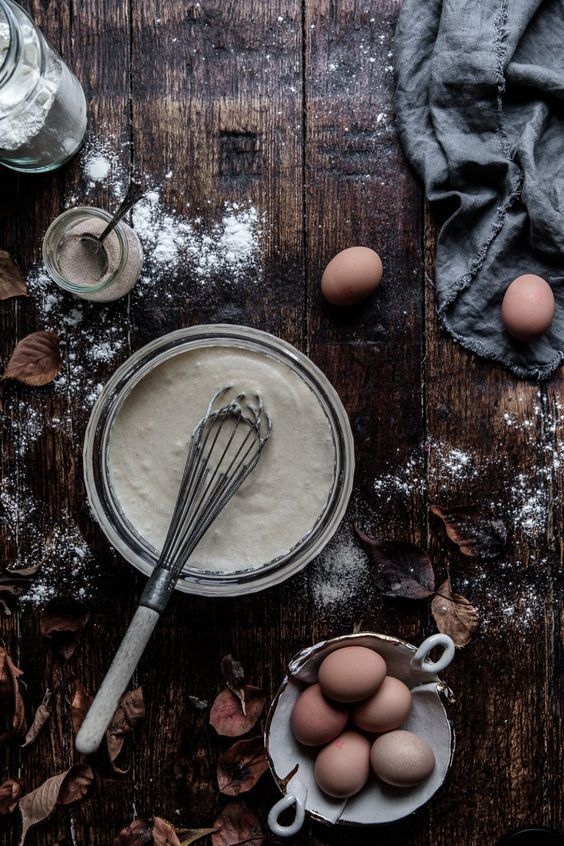
Most of the traditional recipes calls for first caramelizing the sugar, corn syrup or honey and then the nuts are mixed with the caramelized sugar with the spices or leavening agents added last. While some result in a liquid like consistency which is poured out and troweled to uniform thickness; other recipes may have a grainy consistency of which the brittle is then prepared into tiny balls. When the brittle is cooled, it can be had as tiny bite sized snacks.

An interesting variation is the Paraguayan “Ka’í Ladrillo”, a typical dessert made mainly with peanuts and molasses. This high protein snack needs toasted peanuts and molasses. Few varieties include a tinge of sour orange or grapefruit juice to give a bittersweet taste to diminish the excessive sweetness.

Keeping the sugar and fat content in sights, sometimes modifying the good old traditional mixes gives an easy, pack-able as well as feasible options. For life in bite-sized portions saves for some memorable experiences.

“Peanut Brittle I
Sugar, 2 cups
Water, 2/3 cup
Cream of tartar, 1/4 teaspoon
Molasses, 2 tablespoons
Salt, 1/2 teaspoon
Cream, 2 tablspoons
Baking soda, 1/2 teaspoon
Peanuts, shelled, 1 cup
Combine sugar, water and cream of tartar in a heavy saucepan. Plce over low heat and stir until sugar is dissolved; cook without stirring to 280 degrees F. (brittle). Wipe down crystals from sides of pan with a damp cloth wrapped around the tines of a fork. Add molasses, salt and cream. Cook slwoly to 290 degrees F., stirring slowly but constantly. Remove from stove. Quickly stir in soda and peanuts. (Be sure that soda is free from lumps. Pour onto an oiled surface–a shallow pan or marble slab–in a very thin layer. When cool enough to handle, the brittle may be grasped at the edges and stretched into a very thin sheet. When cold break into medium-sized pieces. Note: If peanuts are raw, add a sirup at 250 degrees F. instead of at the end. Makes about 1 pound.”
—Woman’s Home Companion Cook Book [P.F. Collier & Son:New York] 1942 (p. 788-789) [NOTE: Peanut Brittle II consists of sugar, baking soda and peanuts only. This book also offers recipes for coconut brittle, Chocolate-Nut Brittle and Bran-Nut Brittle.]