Posted in Food, Stories Around the World

Of Crisp, Soft to Crunchy or Curls

With snack time being in the savoury category for the past one week (courtesy of the fresh crop of plantain and cassava), the urge to indulge in something sweet was running quiet strong. For the change, it was “churros” that got the pick and making it at home, was quite an interesting experience.

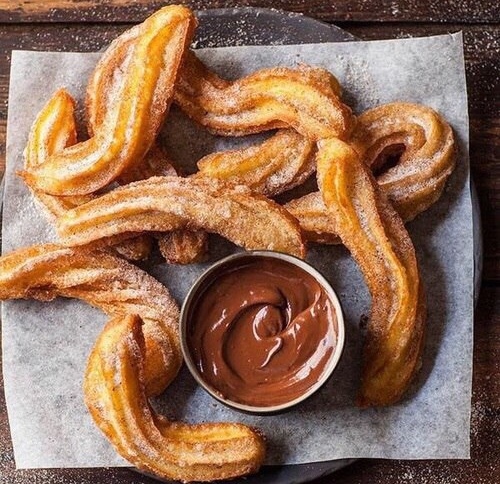
Predominantly a choux based snack, made of fried pastry dough; “churros” are synonymous to the Spanish and Portuguese food traditions. Made from flour, these thin spirally, knotted or neat, long or thick pieces of dough (all purpose flour or wheat mixed) are more of a breakfast tradition, had dipped in champurrado (chocolate based atole) or hot choclate, dulce de leche with sugar sprinkled on top.

Tracing their origins, the making of churros were credited to the Spanish shepherds, who had fried the dough of flour, water, salt with a little butter and eggs, as a substitute for fresh bread. Interestingly, the name churros was adapted from the ridged horns of the native Churra sheep, which kind of resembled the ridges on this snack. On the other hand, some food historians state that the Spanish churro is an adaptation of the Chinese pastry “youtiao” whic was pastry fried in oil with their shape being as two long conjoined breadsticks. As the legend goes, the “youtiao” was brought back to Iberia by Portuguese explorers. From therein, the distinct star-edged shaped took root and the dish became famed for its’ sweetness on the breakfast tables across Spain and Portugal. With colonization and spread of travel, churros soon found there way to the Americas, both Norht and South; and gradually across the globe.

As with all popular dishes, churros too have been adapted to their indigenous cuisine. Known as calientes in Andalusia, these pastry dough are fried as a continuous spiral which is then cut into portions. The delicacy and art of these lie in the thick and soft centers. Another variation is made with a thinner dough and smooth non-ridged surface (no star shaped nozzle on the piping bag). For filled, straight churros; the Cuban cuisine has made with fruit fillings like guava; while chocolate, vanilla or cajeta (caramelized goat’s milk) are the preferred fillings across Argentina, Mexico and Brazil. Alternatively churros may be had glazed with sweetened condensed milk, rolled in cinnamon or other sugars, or made savoury with a filling of melted cheese. From being made straight or bent into the typical “U” or other shapes, churros can be had as a meal, snack or party dip.

One of the best parts of churro, is their ease and simplicity in the make and style. For a quick snack when getting out of the kitchen isn’t an option and minimum stock of “packaged snacks” in the pantry, “churros” are a go-to option during the days like this. After all, it just comes down to pastry and sugar; missing out on a try would be a miss at the chance to travel down the food lane, not worth the miss.

Posted in Food, Stories Around the World

Of Iced, Sweet and Tannin

Approaching the mid-rays of the summer, there is something about the lure of a sip from the chilled glass. Whether the drink be of the canned variety, or the iced feel of Java or the lighter tones of crushed infused leaves, that sip brings out a volume of emotions from within. The best part is the memories of childhood that come along with it. Also the fact that one can switch from the java to tannins anytime, with each recipe being different with every make, results in one reaching out for that glass. Learning the stories behind the iced tea, opens a whole new chapter in the kitchen experimentation.

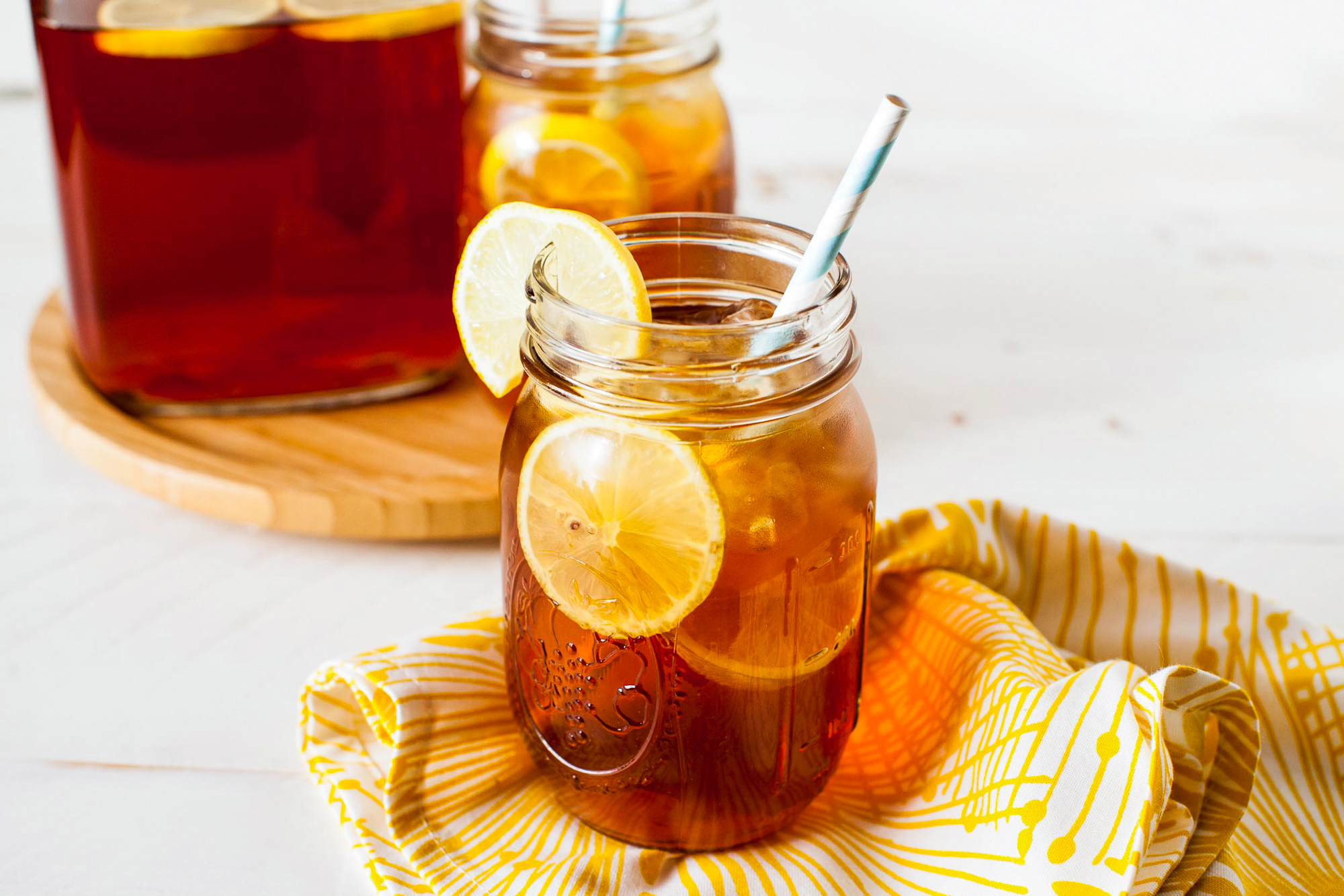
Surprisingly iced tea was initially made as a medicinal drink. As the drink gained popularity beyond this, varied experimentation with different herbs and varieties of tea leaves were tried. With the combination of ice, tea and sugar doing wonders, the slow evolution of sweet tea began; though it was more of an item of luxury during the initial period. Tracing back to late 1870s wherein the oldest known recipe for sweet iced tea was published, the base was of green tea as the latter was the most popular tea leaves being used then. With the WWII and the availability of only black tea in the market; flavours were switched and then on it just stayed.

[1861]
“Balm and Burrage Tea
These, as well as all other medicinal herbs, may easily be cultivated in a corner of your garden…Take a balm and burrage a small handful each, put this into a jug, pour in upon the herbs a quart of boiling water, allow the tea to stand for ten minutes, and then strain it off into another jug, and let it become cold. This cooling drink is recommended as a beverage for persons whose system has become heated for any cause.” —A Plain Cookery Book for the Working Classes, Charles Elme Francatelli, London [1861] (p. 92) [Note: Mr. Francatelli was the head chef for Queen Victoria. He is often credited for introducing many popular Victorian food dishes and trends.]

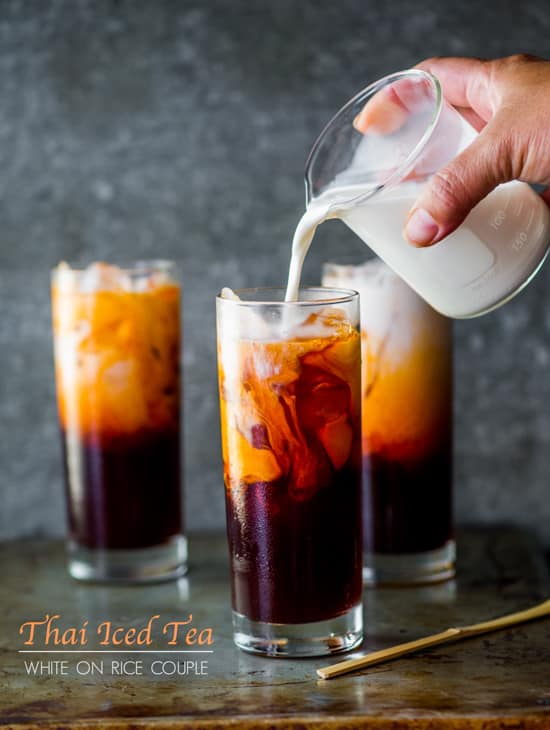
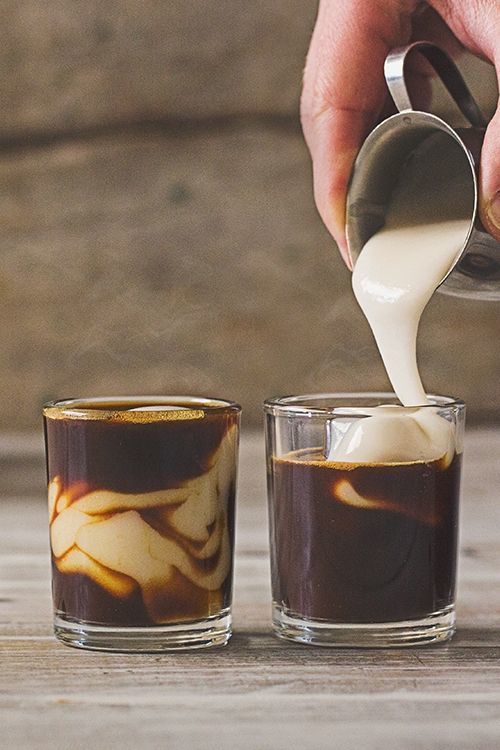
Graduating from the simple iced tea, one of the cultural iced teas which may be tried at the home kitchen is the Thai Iced tea. Also known as “cha yen”, this drink is made from strongly brewed black tea, laced with condensed milk and sugar and served chilled. To give the creamy taste and look, evaporated milk, coconut milk or even whole milk may be poured over the iced tea For the “cha dem ya” (Dark Thai iced tea) the milk is out and the iced tea is sweetened with sugar alone. To get the “cha manao” (Lime Thai iced tea), the flavourings of lime and ice maybe added..

“Unlike water or wine or even Coca-Cola, sweet tea means something. It is a tell, a tradition. Sweet tea isn’t a drink, really. It’s culture in a glass.” Allison Glock

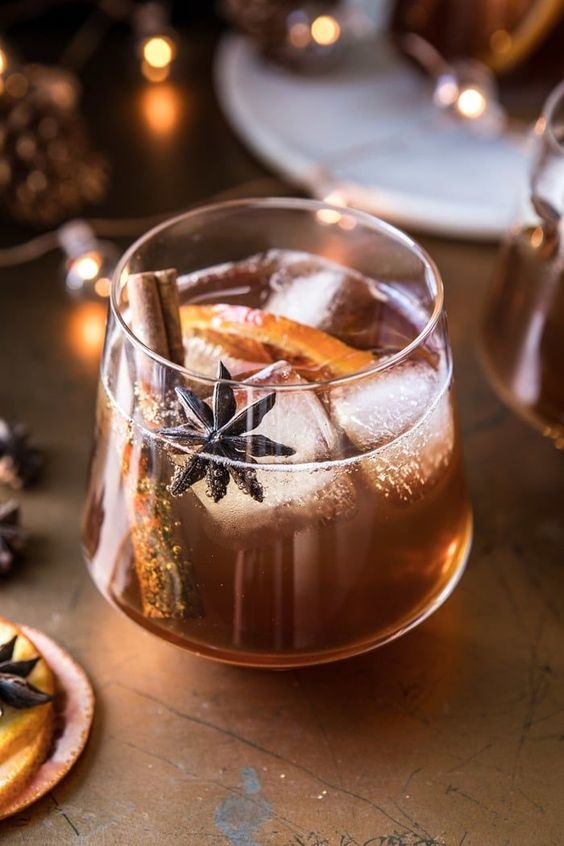
To get a kick in the evening hours, sweet iced tea can be had as a punch mixed with liquor with a dash of cream and mint julep for the flavour. Or one could try out he Tortuga cocktail, home to the Haitian island Tortuga. Made primarily from iced tea sweetened with brown sugar, it is garnished by cinnamon and a lime wedge. Though an alternate recipe of the Tortuga cocktail involves Cuban rum, curacao and creme de cacao for an additional flavour.

With each blend having a story of own to be told; trying out different varieties brings various cultures across the globe to the kitchen. Little wonder why then, there are two pitchers kept chilled, round the clock. With a new twist to the old known recipes, that pitcher is always a welcome surprise for the summer heat.