“Man cannot live by bread alone; he must have peanut butter.” James A. Garfield
One of the iconic American sandwich is the “PB&J sandwich”, which includes one or more layers of peanut butter and one or more layers of jelly ( jam in British English) on bread. Eaten open faced or with one slice of bread folded over ( a “half sandwich”); this sandwich is quite common and popular among Americans especially the children. The history of the peanut butter and jelly sandwich is the story of three essential ingredients; all of which have been around for a long time, when combined together gives us the American favorite and enduring PB&J sandwich; which slowly soared in popularity across the world.
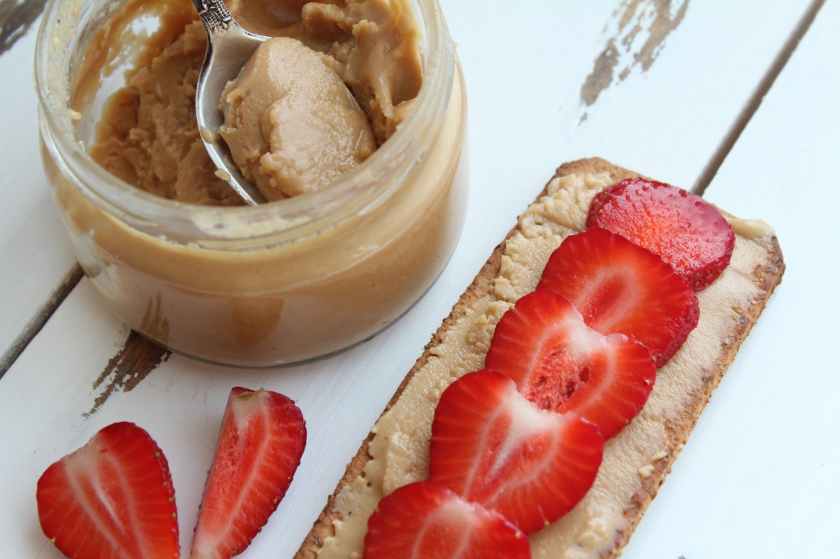
Layer each bread slice with two tablespoons of Peanut butter. The forerunner of the peanut butter of today was when a St. Louis physician, Dr. Ambrose Straub had made a peanut paste for geriatric patients who had trouble swallowing or had bad teeth (1880s). Around the same time, Dr. John Harvey Kellogg ( of the cereal fame) was the first to patent a process for manufacturing peanut butter. Post the Chicago World Fair (1983), where the peanut butter was first introduced and the St. Louis World Fair (1904) when Dr Straub had got a food company to develop the peanut spread further; their popularity rose high with grocery stores stocking up on peanut butter. Upscale tea rooms of New York City, peanut butter appeared as delicacies with watercress, sandwiches, on toasted triangles with soda crackers as well.


Then add two tablespoons of the iconic “strawberry Jelly” to the peanut butter layered bread slices, merge them and enjoy. The development of the jelly (although it has been around for a long time), in the case of this quintessential American PB&J sandwich can be credited to Paul Welch. He had secured a patent (1917) for pureeing grapes and turning them into jelly which he had developed and advertised as Grapelade. This was popular with America’s troops in WWI, who had brought the trend of Grapelade spread on bread, back to their homes after the war.
The first peanut butter and jelly sandwich recipe appeared in the Boston Cooking School Magazine of Culinary Science and Domestic Economics (1901) written by Julia Davis Chandler. The recipe had advised to use currant or crab-apple jelly with the combination being delicious and as far as known then, original.
With creamier peanut butter (doesn’t stick to the palate) being made, Grapelade and pre-sliced bread becoming popular, the PB&J slowly gained popularity. During the Great Depression of 1930s, families discovered that peanut butter had provided a less expensive but satisfying high protein substitute. Yet the major breakthrough came when this was included in the US Military ration menus of World War II. With peanut butter being high-protein, shelf-stable and easily portable; grape-lade on its’ second trip with the soldiers and pre-sliced bread readily available; the combination of the three became a part of the American soldier’s life.
When the soldiers came home from the war, the PB&J sandwich scored with the families. With the great taste and easy to make, both the young and the old loved it, especially when budgets were tight and the times were difficult.
“Everyone has the talent to some degree: even making a peanut butter and jelly sandwich, you know whether it tastes better to you with raspberry jam or grape jelly; on chewy pumpernickel or white toast.” Anna D. Shapiro


Today a wide variety of mix ups and combinations have been seen across globally, with honey or sliced fruit substituted for the jelly component or the transition to “almond butter and jelly” (AB&J) sandwiches. With marshmallow fluff being substituted for the jelly, or added for extra flavor; the “fluffernutter” sandwich is created. Cream cheese substituted for the peanut butter ( a cream cheese and jelly sandwich) or Nutella (possible substitute for one of the spreads) with PB or Jelly are other common variants.
Slight changes can be made to the original recipe by using an artisan bread and heating it in butter, which melts the peanut butter and jelly; creating a crispy, buttery crust on the bread similar to when cooking grilled cheese. White or brown bread alternatives include rye, whole grain or sourdough bread. One other popular variant of “PB&J” sandwich is “the peanut butter and Lucy banana sandwich” or peanut butter, banana and bacon sandwich,known as an Elvis sandwich or simply the Elvis, consists of toasted bread slices with peanut butter, sliced or mashed banana, and sometimes bacon. Honey is seen in some variations of the sandwich as well alternative fillings of sweet potato, carrots, pumpkin, and apples. The sandwich is frequently cooked in a pan or on a griddle, served hot. Additionally the PB&J can be added to pancakes, crepes and even french toast.
Like these combinations, many more are being made with creative cooking on the rise. Just like variety adds the spice to life, jelly up with peanut butter on this day as foodimentarians celebrate “Peanut butter and Jelly” Day today (April 2nd). Mix, match ad spice it up for a quick break from the routine cooking with both kids and family enjoying the break from the routines or predictability the day.


 Sugar And Spice... Among Other Things