One of the after-effects of mixing flour, water and yeast which was later baked had resulted in the preparation of the one of the most staple foods had across different countries of the globe. With the dawn of civilization and agriculture leavened (or in certain areas the unleavened form) bread has become a part of the local cuisine and culture, such that existence without it for a couple of days would be quite unthinkable.
Etymology tracing the roots, the word “bread” originally meant “broken piece” or “morsel”, as evidenced by the appearance of West Frisian brea, Dutch brood, German Brot, Swedish bröd, Norwegian and Danish brød; all a part of the Gemanic languages which had transferred few of it’s roots to the Middle and Modern English. Although “hlaf” was the old English name for bread (hlaifs in Gothic: modern English loaf).


One of the earliest prepared foods, archaeological evidence shows starch residue on rocks. Possibly roots of certain plants (possibly cattails and ferns)were pounded on these rocks for their starch extract, then placed over a fire and cooked, which would be the earliest primitive form of flatbread. With the rise of agriculture ( Neolithic Age) and cultivation of certain plants, cereal may have then been the mainstay of bread making.
“Good bread is the most fundamentally satisfying of all foods; and good bread with fresh butter, the greatest of feasts.” James Beard
Leavening of the bread in the early years may have happened through multiple sources. One possibility would be that leaving the uncooked dough exposed to air for sometime would result in the airborne yeast spores falling in. Another fact is that many yeast spores are naturally found on the surface of cereal grains, so if any dough is left to rest, it may leaven naturally. Records of Pliny the Elder report that the Gauls and Iberians used barm (the foam skimmed from beer) to produce “a lighter kind of bread than other peoples” such as barm cake. Other parts of the ancient world used their knowledge of wine to find a source of yeast, either by making a paste composed of grape juice and flour that was allowed to begin fermenting or wheat bran steeped in wine. Another common source of leavening was to retain a piece of dough from the previous day to use as a form of sourdough starter.


Modern methods of bread making was initiated by the Chorleywood bread process (1961) which uses the intense mechanical working of dough to dramatically reduce the fermentation period and the time taken to produce a loaf. Mostle used on a factory scale, this resulted in bread being easily available on a large scale and in the commercial market.
Alternative to the regular wheat bread, bread may be made from other wheat species like spelt, emmer, einkorn and kamut or made from non-wheat cereals like rye, barley, corn, oats, sorghum, millet and rice have been used to make bread. Although only rye bread can be made exclusive of wheat, others may need a little of wheat flour for binding process. Although for the purpose of preparing gluten-free breads, ground flours from various alternatives like almonds, rice, sorghum, corn, legumes (like besan), tubers (cassava) maybe used. As these flours mayn’t hold their shape as they rise and hence may be dense without the aeration, additives such as corn starch, eggs, xanthan gum and the like are used to compensate for the lack of gluten.


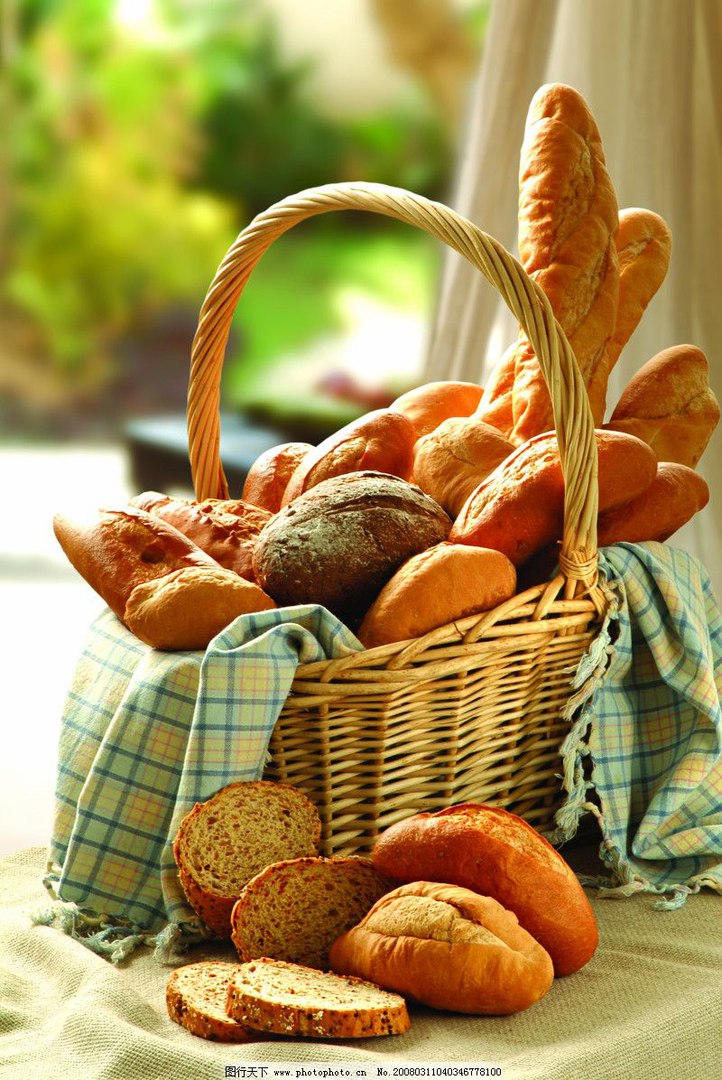
From sliced bread to sourdough loaves, there are a variety of breads being made pertaining to each locality and region like the yeast based anadama bread, hoppers, Scottish bannock, cottage loaf, Austrian kifli, Spanish mollete or the Swiss Zopf to mention a few. There is nothing more satisfying than making own bread once in a while. From the regular bread to short bread, the choice of recipes and methods are plenty. Giving the sweet tooth a rest, it would be an interesting experience to give bread baking a try, may be adding a more individual, experimental and creative touch to it.
“The smell of good bread baking, like the sound of lightly flowing water, is indescribable in its evocation of innocence and delight… [Breadmaking is] one of those almost hypnotic businesses, like a dance from some ancient ceremony. It leaves you filled with one of the world’s sweetest smells… there is no chiropractic treatment, no Yoga exercise, no hour of meditation in a music-throbbing chapel. that will leave you emptier of bad thoughts than this homely ceremony of making bread.” M.F.K. Fisher, The Art of Eating


 Sugar And Spice... Among Other Things