
Posted in Daily, Food, Uncategorized

Of the “Mocha”….

With the heavy downpour being tempered down, the cold winds still bring forth the occasional morning chill. Little wonder then, as the rainy blues slowly creep in, with piles of unfinished work piling about; the morning combination of coffee and choclate keeps the day and the evening going fine.

“Suave molecules of Mocha stir up your blood, without causing excess heat; the organ of thought receives from it a feeling of sympathy; work becomes easier and you will sit down without distress to your principal repast which will restore your body and afford you a calm, delicious night.” Charles Maurice de Talleyrand

Though the caffè mocha or mocaccino ( or mochaccino, mochachino) is in fact a chocolate-flavored variant of a caffè latte; it can also mean a simple mix of hot choclate and coffee. Essentially caffè mocha is based on espresso and hot milk but with added chocolate flavoring and sweetener, typically in the form of cocoa powder and sugar. Many varieties, at times signature style of certain cafes’, use chocolate syrup, may contain dark or milk chocolate, with distinctive milk froth on top or with whipped cream, cinnamon or cocoa powder. For the more artistic coffee connoisseurs, marshmallows plain or coloured, nutmeg powder, bits of sprinkles with cream and the like may be added on top.

Interestingly, the word “mocha” didn’t have anything to do with chocolate. Originating in the 1770s’, the word “mocha” referred to a variety of coffee beans, named after the the port of Mocha (Al Mokha) in Yemeni (or Yemen), where the beans were shipped from. As their popularity increased in Europe, these beans became a part of the coffee culture. Today, these beans are commonly referred as Arabica beans, with “mocha” being the mix of coffee and chocolate.

“Coffee and chocolate—the inventor of mocha should be sainted.” Cherise Sinclair

Over the years, mocha variants like white caffè mocha (made with white chocolate), as well as more exotic sounding names like black and white mocha, marble mocha, tan mocha, tuxedo mocha or zebra; all varying as per as the amount of choclate (dark or milk) and coffee mixed in. Variant as an espresso shot (double) with either a combination of steamed milk and cocoa powder or chocolate milk is known as mochaccino. Another variant on the caffè mocha is to use a coffee base instead of espresso with the combination be coffee, steamed milk and the added chocolate ( akin to sip of coffee with a shot of hot choclate).

No matter the way it is made, cafe mocha is essentially a drink that can be made in the kitchens of all coffee lovers. For keen experimenters, nothing would be better than the National Mocha Day (September 29th) to indulge in the crazy but delightful combinations and enjoy the flavours of the two C’s, chocolate and coffee.

Posted in Daily, Food, Stories Around the World

Of Chocolate

“Can I offer you a slice of this amazing caramelized white chocolate apricot brioche made by my favorite granddaughter?” “You may indeed.”
When you slice the rich, buttery bread topped with crunchy bits of pearl sugar, you get a swirl of white chocolate, which now also has hints of caramel flavor from having been roasted, and chunks of apricot. ” ? Stacey Ballis ( Author of Wedding Girl)

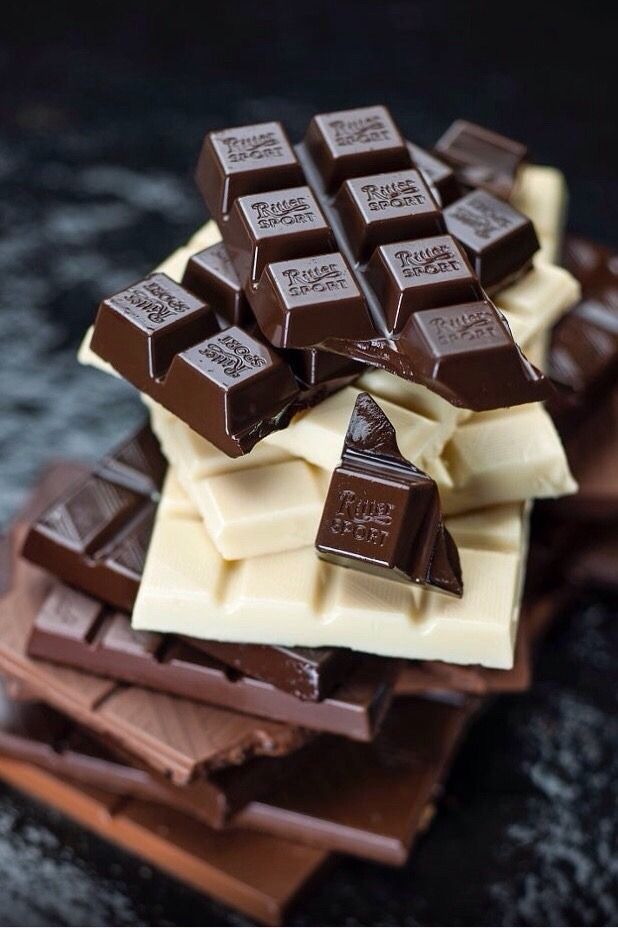
One of the drawbacks of reading books revolving or having a bit of the food factor, is the sudden trigger for that particular dish or meal. Using this as a justifiable excuse to dig into my toddler’s stash of white chocolate, would satisfy the sudden craving for the chocolate, creamy and white.

Interestingly white chocolate isn’t exactly chocolate. Made from cocoa butter, milk solids, sugar, lecithin and flavorings (most commonly, vanilla); it doesn’t include chocolate liquor. The latter beside s giving the bitter flavour and dark colour to chocolate, by the FDA Guidelines state that chocolate liquor has to be present in a product to be known as “chocolate”. Though today as per the US Guidelines (2004), white chocolate (by weight) should have at least 20% cocoa butter, 14% total milk solids, 3.5% milk fat with maximum of 55% sugar or other sweeteners. On a plus point, white choclate has very minimum caffeine as compared to the regular chocolate.


On tracing to the exact origin of chocolate being white, no definite person or country can be given credit. While the Swiss company Nestlé takes almost sole claim to being the initial source of marketable white chocolate (1930s, Milkybar) in Europe; rumours exist of a New Hampshire man producing white chocolate shortly after World War I. Other records state of Kuno Baedeker, who had developed white chocolate (1945) and is widely considered the first creator of the same in North America. Though as records mostly show that Nestlé was the heart of creation and development of the modern white chocolate.

All said and done, one can melt it, chip it in, drink it or just have it like that. Like the regular choclate, white choclate has become a very prominent add on in the cookie dough, cake mix, quick desserts, melted with hot choclate and a regular combination with ice cream. Which is why, a bar of white chocolate has it’s own role of cheering up the depressing bits of life, no matter how old one grows.

“I like caramel flavors; some people prefer a lighter taste, like rose, at least to start with. The chocolate-flavored ones are lovely, of course…” I am rambling; it is like choosing a favorite child, practically impossible. “What’s in this one then?” She points at my newest creation, a pale, creamy white with soft flecks of yellow, like glints of gold in white marble.
“Reve d’un Ange. It means ‘dream of an angel.'” She tilts her head, interested, and I shrug. “Hopelessly romantic name, I know. Couldn’t help myself.” “What’s in it?” she asked, lowering her voice.
“It’s my white chocolate macaron. Ganache, that’s a kind of chocolate cream, sandwiched in the middle. I’ve added a little lemon rind and cinnamon.”
-Hannah Tunnicliffe ( author of The Color of Tea)


Posted in Daily, Food

Sweet, Flavoured and Iced

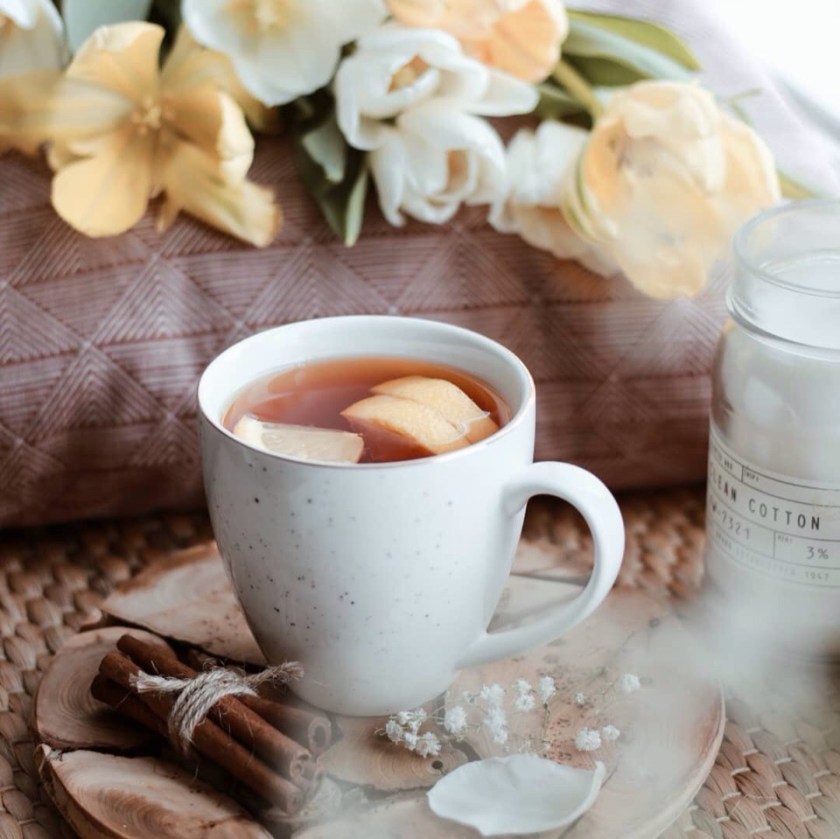
“After scalding the teapot, put into it one quart of boiling water and two teaspoonfuls green tea. If wanted for supper, do this at breakfast. At dinner time, strain, without stirring, through a tea strainer into a pitcher. Let it stand till tea time and pour into decanters, leaving the sediment in the bottom of the pitcher. Fill the goblets with ice, put two teaspoonfuls granulated sugar in each, and pour the tea over the ice and sugar. A squeeze of lemon will make this delicious and healthful, as it will correct the astringent tendency.” (Marion’s recipe for “Ice Tea” (1879))
– The oldest sweet tea recipe (ice tea) in print from the community cookbook “Housekeeping in Old Virginia”, by Marion Cabell Tyree (1879 publication)

Although summer heat has given way to the rain, tea especially the iced and sweetened versions have almost a year round presence. Despite the rains, each week has it’s fair share of afternoon heat, best felt when one spends the muggy hours on foot. While iced or cool water has their benefits, there is the something about iced tea and sweet tea that prompts every cool drink enthusiast to indulge in them once a while.

With trade and colonial conquests, tea was introduced to Europe and then on to the Americas, where it had gained widespread popularity especially in the southern parts. By the 1900s, black tea became more accepted than green tea, especially when taken with ice. With scorching heat, the sweetened and iced version had more support than simply the iced version. Yet it was the World Fair (1904) that had made iced tea a popular summertime drink. This popularity had catapulted with the Prohibition ( 1920-1933) wherein beer, wine and alcohol was declared illegal then.

The technical difference between “sweet” and “iced tea” lies in the sugar. The former is taken as “sweetened and iced” whereas the latter i.e. iced tea, may be served unsweetened or black. Either way, learning to make sweet tea is a must for any afternoon social especially when the age of soft drinks may have been passed. With National Sweet Tea Day tomorrow (August 21st), it’s time to go recipe hunting and come with a flavoured and tacky sweet tea recipe.

Posted in Daily, Food, Stories Around the World

Of Piña Colada, Origin and Evolution

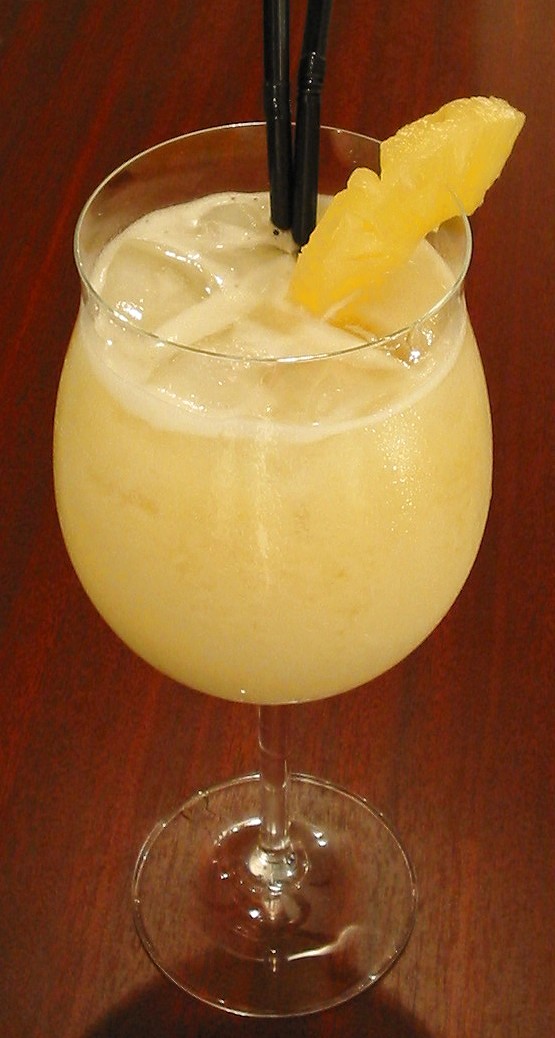
“Blend or shake 6 ounces of pineapple juice, 3 ounces of coconut cream, 1½ ounces of white rum and crushed ice until smooth. Serve in chilled glasses, garnished with pineapple wedge and/or a maraschino cherry.” – Piña Colada (1954 recipe)

Proclaimed as the national drink by Puerto Rico (1978), this cocktail although steadily popular in all Spanish and Portuguese speaking countries, is widely enjoyed across the world. The popularity is affirmed by it being a part of the world of entertainment, from music, popular lyrics to cinemas. For instance, “Escape (The Piña Colada Song)” by American musician Rupert Holmes (1979) had reached the number one spot and stayed there for few weeks.

While the name piña colada literally means “strained pineapple” in Spanish; this sweet cocktail is made with rum, coconut cream or coconut milk and pineapple juice. Usually served either blended or shaken with ice, it may be garnished with either a pineapple wedge, maraschino cherry or both.

Legends abound the origin of this cocktail. The earliest known legend states that Puerto Rican pirate Roberto Cofresí, to boost his crew’s morale, gave them a beverage or cocktail that contained coconut, pineapple and white rum; what would be later known as the famous piña colada (19th century). This recipe was believed to be lost with his death (1825). Yet this story is widely disputed by food historians.

By popular belief, the creation of the piña colada was credited to bartender Ramon “Monchito” Marrero (1954). Working in the Beachcombers Bar of the Caribe Hilton, one of the premier luxury hotels in San Juan; he was asked by hotel management to create a signature drink that captured the flavors of the island. By his account, Marrero had spent three months experimenting with hundreds of combinations before perfecting his sweet, frothy concoction of rum, cream of coconut and pineapple juice. Once introduced it had gained mass popularity. Marrero mixed up and served his creation at the hotel for 35 years until his retirement (1989). Concurrently another barman, Spaniard Ricardo Gracia who had served drinks at the Caribe Hilton, had claimed that he invented the cool, creamy cocktail. As per the interview to the Coastal Living magazine (2005), a strike by a coconut-cutters union (1954) had prevented him from serving up the popular mixed drink of rum, cream of coconut and crushed ice in its traditional sliced coconut. When forced to improvise, Gracia had poured the drink into a hollowed-out pineapple. When the fruit’s added flavor proved popular, Gracia said he added freshly pressed and strained pineapple juice to the previous combination of rum and cream of coconut, to create the piña colada.

Concurrently two miles west of the Caribe Hilton, another San Juan hotspot stakes its claim as the birthplace of piña colada. As attested by the marble plaque outside the entrance of the Restaurant Barrachina ( established late 1850s), Ramon Portas Mingot, a Spanish mixologist who wrote cocktail books and worked in the top bars of Buenos Aires, had made the first piña colada (1963) inside its doors.

Although the piña colada, was born in Puerto Rican capital of San Juan; the identity of the bartender who first mixed up the iconic rum-based cocktail remains a point of contention. However the modern-day beach cocktail wouldn’t be possible until the invention of Coco Lopez, a pre-made cream of coconut (1954). Developed by Ramon Lopez-Irizarry, an agriculture professor at the University of Puerto Rico; he had blended cream from the hearts of Caribbean coconuts with natural cane sugar, which later became an integral part of the island’s piña coladas.

Over the years, different proportions of the core ingredients, as well as different types of rum, may all be used in the piña colada to create different and new signature varieties. While frozen piña coladas are also served today; other named variations like the Amaretto colada (amaretto substituted for rum),  Chi chi (vodka in place of rum), the Virgin piña colada or piñita colada ( non alcoholic, without the rum) or even the Soda colada (resembles the original recipe, but soda is used instead of coconut milk) to list a few. For the more resourceful or food connoisseurs and experimenters, piña colada can be blended into smoothies, milk shakes, cupcakes or even into cheesecake.

With National Piña Colada (July 10th) being celebrated tomorrow, it would be fun to experiment and create a similar based concoction, or simply enjoy the flavours of the original piña colada to mark special occasions.

CARIBE HILTON’S PIÑA COLADA RECIPE

2 ounces rum
1 ounce cream of coconut
1 ounce heavy cream
6 ounces fresh pineapple juice
1/2 cup crushed ice

Mix rum, cream of coconut, heavy cream and pineapple juice in a blender. Add ice and mix for 15 seconds. Serve in a 12-ounce glass and garnish with fresh pineapple and a cherry.

Posted in Daily, Food, Stories Around the World

Mix Them as “Mock” or “Cocktails”

One of the social necessities of being a part of a bigger, corporate or franchise based workforce, is attending the social or business social networking, popularly under the banner of “cocktail” evenings. At times, the conversations are silently laced with hunger pangs after a long day or the stress of the day filtering through the thoughts, which can be quite dangerous especially when thoughts and words don’t really gel well with the situation. While primarily the whole purpose is to extend the social “work based” or business connections, one can hardly ignore the “hors d’oeuvre” or appetizers as well as the baseline of the gathering, “cocktails or mocktails”.

“If it’s a cocktail party, I generally make five or six different things, and I try to choose recipes that feel like a meal: a chicken thing, a fish or shrimp thing, maybe two vegetable things, and I think it’s fun to end the cocktail party with a sweet thing.” Ina Garten


While the inventor of the cocktail evenings is quite a controversial topic, with some believing it to be Alec Waugh of London or Mrs. Julius S. Walsh Jr. of St. Louis, Missouri (May 1917). The former had detailed that the Alec Waugh noted that the first cocktail party in England was hosted by war artist Christopher Nevinson (1924) while Mrs. Walsh invited 50 guests to her house on a Sunday at high noon for a one-hour affair. The St. Paul’s Pioneer Press newspaper had declared that “The party scored an instant hit,” and stated that within weeks cocktail parties had become “a St. Louis institution”.

“A cocktail done right can really show your guests that you care.” Danny Meyer

Whether purely alcoholic or fruit based, a cocktail is essentially both palate satisfying as well as a work of “art”. As defined, “cocktail” is an alcoholic mixed drink, which is either a combination of spirits, or one or more spirits mixed with other ingredients such as fruit juice, lemonade, flavored syrup, or cream. Technically it contains alcohol, sugar and a bitter or citrus. While there are various types of cocktails, based on the number and kind of ingredients added; their origins are debated.


Also, when a mixed drink contains only a distilled spirit and a mixer, such as soda or fruit juice, it is a highball. When it contains only a distilled spirit and a liqueur, it is a duo. On adding a mixer to the duo, it becomes a “trio”. The additional ingredients may be sugar, honey, milk, cream, and various herbs. Mixed drinks without alcohol that resemble cocktails are known as “mocktails” or “virgin cocktails”.

“A cocktail can be made by the bartender. But the cocktail also can be made by the chef.” Jose Andres

The first use of the term “cocktail” is highly debatable. As per The London Telegraph, a satirical newspaper article (March 20, 1798) about what must have been a hell of a party had accounted the drinks imbibed by William Pitt (the younger) which included “L’huile de Venus,” “parfait amour,” and “‘cock-tail (vulgarly called ginger.)’” The challenge was whether “cocktail” in this article truly referred to an alcoholic drink, or something else. Another record was the article from The Farmer’s Cabinet ( Vermont, April 28, 1803), where to drink a cocktail was claimed to be “excellent for the head.” By 1806, the word “cocktail” had reached it’s current meaning as defined by the newspaper, Balance and Columbian Repository( May 13, 1806), the editor defined a cocktail as: “a stimulating liquor composed of spirits of any kind – sugar, water, and bitters.”


The exact derivation is attributed to multiple origins. One origin of “cocktail” is as a mispronunciation of the French word for eggcup “coquetier” (said as cocktay in English). In the late 18th century, apparently Antoine Amédée Peychaud, a New Orleans apothecary and inventor of Peychaud bitters had served brandy mixed with his bitters in eggcups. The second belief states that the name is derived from the term “cock tailings,” which was the practice of tavern owners combining the dregs (tailings) of nearly empty barrels together into a single elixir that was sold at bargain prices. In those days, the spigot of a barrel was sometimes referred to as a “cock.” Another reference was from the “cock tail” of regular “adulterated” horses entered into the races with the thoroughbred horses of docked tails, which during the early 17th century. As Liquor and races go hand in hand, this theory states that “mixed or adulterated drinks” were likened to the “cocktail” of the regular ( non-thoroughbred) horses in the race.

Whatever and however the origin may be, from mocktail to cocktails, the evenings for social or business purposes need them to keep the conversations flowing, mixing work with comparatively less stress of the regular work schedule. With summer in full swing, it would make these occasions more entertaining as well as in demand.


Posted in Daily, Food

Staying “Summer” Fresh

“If life gives you lemons, make apple juice and make people wonder how the hell you did it.” Gurbaksh Chahal

With summer reaching it’s peak, staying hydrated is quite important. Add holidays, children, get together weekends or picnics as well as spending time with friends and family; getting creative is a necessity. With plenty of fruits available this season as well the vegetable garden thriving, it would be fun to experiment and serve something more than chilled lemonade this summer.

“If life gives you lemons, make some kind of fruity juice.” Conan O’Brien


Before getting started, few practical tips would make the experimentation more fun and feasible as well as palatable. As per most nutrition experts and chefs, carrots can be juiced with any fruit and apples can be mixed with any vegetables. Cabbage, kale or collard greens shouldn’t be juiced. A little of mint, basil or rosemary gives a distinct flavour to the regular fruit juices. Adding a little of parsley or watercress will not only cleanse the blood but also give a distinct flavour.

Before juicing, washing the vegetables and fruits is a must. A quick tip to clean the berries would be to soak them for a few minutes in a solution of vinegar and water of one cup to ten, respectively and dry them completely. Not only will they remain fresh mould free but also be cleansed. Have fruit juices fresh and early in the morning would ease the health for the day. Fruit juice once made, should be consumed fresh as they may turn too sweet when kept in the fridge for long, or turn rancid or sour when kept outside. T have it cold, add a few ice cubes which can contain a hint of crushed mint in the water frozen as ice cubes.


Before juicing, rough skins like those of pineapple and avocado as well as pits and seeds should be removed. An exception to the peels are apple skin and citrus (not oranges) peels which are edible and anti-oxidant rich. And the removed pulp can be added to mayonnaise for a delicious mock salad, or to pancakes, cookies, and even hummus. Not all seeds and greens can be added to food as some can cause gastric upsets as well as food allergies. Few of the more vibrant juices, as seen by their colours fall into the category of :
Big RED: Beetroot, Carrot, Celery, Apple, Pomegranate.
Yummy Carrot: Carrots, Apple, Ginger, Turmeric or Parsley and Lemon.
Green: Kale, Spinach, Cucumber, Parsley, Celery, Apple.
The Detoxifier: Beets, Carrots, Lemon, Ginger, Apple
The Vision: Carrots, Oranges, Ginger with or without turmeric

If the taste of the juice isn’t sweet enough to the palate initially, try adding some stevia or things like cucumber, beetroot and carrot, which can make the juices easier to drink for a newbie. Also although lemonade is one of the summer drinks since school, a dash of lime any juice would spruce it up a bit.


Posted in Daily, Food

Hummus: From “Then” to “Now”

From parties to the routine meals or for the dieters as well as snack food for the cravings time after work or before the ” big meal”, this dip has been popular across the world. Little wonder then that with International Hummus Day ( May 13th) gone by, one mayn’t know enough about this dip.

Known as “Hummus” or “hummus bi tahini”, this Levantine dip or spread, is made from cooked or mashed chickpeas or other beans, blended with tahini, olive oil, lemon juice, salt and garlic. The word “Hummus” comes from the Arabic word meaning “chickpeas”. However likely from the Greek origins, hummus a part of the local cuisine in both Turkish Cypriot and Greek Cypriot communities, it is known as “humoi” . While originally placed in the Middle East and Mediterranean cuisine, today it has been featured in many local cuisine and recipes around the globe.

While there are a number of different theories and claims of origins in various parts of the Middle East and the Mediterranean, there is insufficient evidence to determine the exact or precise details. The basic ingredients of chickpeas, sesame, lemon, and garlic have been combined and eaten in their local cuisine over centuries. While some food historians believe that variations of this recipe were there during the ancient Egyptian civilizations where then chickpeas were widely eaten as cooked in stews and other hot dishes; they had also been a part of the Greek cuisine and cooking. However records of pureed chickpeas eaten cold with tahini do not appear before the Abbasid period in Egypt and the Levant.

Cookbooks of 13th century Cairo record recipes for dish resembling hummus bi tahina; like the recipe of a cold puree of chickpeas with vinegar and pickled lemons with herbs, spices, and oil, but no tahini or garlic.  Over the years variations exists in the amount of ingredients of the beans, chickpeas pureed as well as mixing of vinegar or olive oil, tahini as well as different spices, herbs or nuts, with or without garlic; made or served by rolling it out and letting it sit overnight. With trade playing a significant role in the spread and share of cuisines, hummus may be one among the numerous foods that had crossed over during the historical periods across the Middle East and the Mediterranean.

Being used as an appetizer or dip, or served with meals; hummus can be had in an numerous ways. It can be scooped with flatbread, such as pita or served as part of a meze (selection of appetizers) or as an accompaniment to falafel, grilled chicken, fish or eggplant as well as with tortilla chips or crackers. Hummus can be garnished with numerous available ingredients like chopped tomato, cucumber, coriander, parsley, caramelized onions, sautéed mushrooms, whole chickpeas, olive oil, hard-boiled eggs, paprika, sumac, olives, pickles and pine nuts. It can also be topped by a mixture of fava beans or can be made with yogurt, butter and topped with pieces of toasted bread ( Jordan and Palestine areas).

There are many variations to the preparation of “hummus” with the various changes of civilizations, culture mixing as well as immigration. Variations like hummus with fried eggplant and boiled eggs, as a chickpea soup or hummus with traditional skhug hot sauce to name a few, are popular in their locale areas. Of recent, African cuisine have brought specialties such as Sudanese Hummus Darfur with eggs, tomatoes, and grated cheese. Many restaurants offer varieties of warm hummus which may be served as chick peas softened with baking soda along with garlic, olive oil, cumin and tahini or as “msabbaha” made of whole chick peas garnishing the tahini (lemon spiked) with a drizzle of olive oil and sprinkling of paprika.

With hummus being gluten free, nut-free, dairy free as well as a perfect spread or dip for snacks, fresh fruits, bread, meat, pita chips and the like; it has gained widespread acceptance across many cultures and cuisines as well for the weight watchers, medical reasons or just for its’ own unique taste and blend. Making hummus isn’t just a work of ingredients but also of art and creativity. With its’ quick and easy preparation with locally available ingredients; “hummus” is something that everyone should try at least once in a lifetime.