Posted in Daily, Food

The “PB&J” Way

“Man cannot live by bread alone; he must have peanut butter.” James A. Garfield

One of the iconic American sandwich is the “PB&J sandwich”, which includes one or more layers of peanut butter and one or more layers of jelly ( jam in British English) on bread. Eaten open faced or with one slice of bread folded over ( a “half sandwich”); this sandwich is quite common and popular among Americans especially the children. The history of the peanut butter and jelly sandwich is the story of three essential ingredients; all of which have been around for a long time, when combined together gives us the American favorite and enduring PB&J sandwich; which slowly soared in popularity across the world.

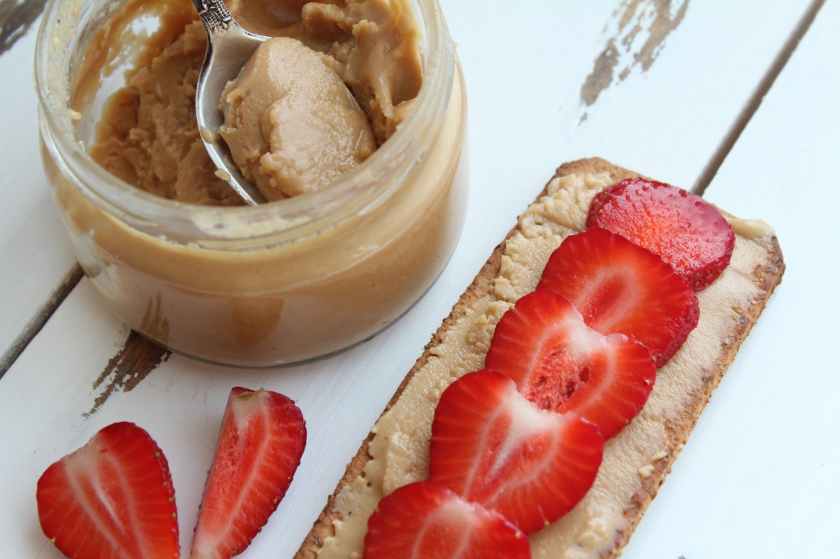
Layer each bread slice with two tablespoons of Peanut butter. The forerunner of the peanut butter of today was when a St. Louis physician, Dr. Ambrose Straub had made a peanut paste for geriatric patients who had trouble swallowing or had bad teeth (1880s). Around the same time, Dr. John Harvey Kellogg ( of the cereal fame) was the first to patent a process for manufacturing peanut butter. Post the Chicago World Fair (1983), where the peanut butter was first introduced and the St. Louis World Fair (1904) when Dr Straub had got a food company to develop the peanut spread further; their popularity rose high with grocery stores stocking up on peanut butter. Upscale tea rooms of New York City, peanut butter appeared as delicacies with watercress, sandwiches, on toasted triangles with soda crackers as well.

Then add two tablespoons of the iconic “strawberry Jelly” to the peanut butter layered bread slices, merge them and enjoy. The development of the jelly (although it has been around for a long time), in the case of this quintessential American PB&J sandwich can be credited to Paul Welch. He had secured a patent (1917) for pureeing grapes and turning them into jelly which he had developed and advertised as Grapelade. This was popular with America’s troops in WWI, who had brought the trend of Grapelade spread on bread, back to their homes after the war.

The first peanut butter and jelly sandwich recipe appeared in the Boston Cooking School Magazine of Culinary Science and Domestic Economics (1901) written by Julia Davis Chandler. The recipe had advised to use currant or crab-apple jelly with the combination being delicious and as far as known then, original.

With creamier peanut butter (doesn’t stick to the palate) being made, Grapelade and pre-sliced bread becoming popular, the PB&J slowly gained popularity. During the Great Depression of 1930s, families discovered that peanut butter had provided a less expensive but satisfying high protein substitute. Yet the major breakthrough came when this was included in the US Military ration menus of World War II. With peanut butter being high-protein, shelf-stable and easily portable; grape-lade on its’ second trip with the soldiers and pre-sliced bread readily available; the combination of the three became a part of the American soldier’s life.

When the soldiers came home from the war, the PB&J sandwich scored with the families. With the great taste and easy to make, both the young and the old loved it, especially when budgets were tight and the times were difficult.

“Everyone has the talent to some degree: even making a peanut butter and jelly sandwich, you know whether it tastes better to you with raspberry jam or grape jelly; on chewy pumpernickel or white toast.” Anna D. Shapiro

Today a wide variety of mix ups and combinations have been seen across globally, with honey or sliced fruit substituted for the jelly component or the transition to “almond butter and jelly” (AB&J) sandwiches. With marshmallow fluff being substituted for the jelly, or added for extra flavor; the “fluffernutter” sandwich is created. Cream cheese substituted for the peanut butter ( a cream cheese and jelly sandwich) or Nutella (possible substitute for one of the spreads) with PB or Jelly are other common variants.

Slight changes can be made to the original recipe by using an artisan bread and heating it in butter, which melts the peanut butter and jelly; creating a crispy, buttery crust on the bread similar to when cooking grilled cheese. White or brown bread alternatives include rye, whole grain or sourdough bread. One other popular variant of “PB&J” sandwich is “the peanut butter and Lucy banana sandwich” or peanut butter, banana and bacon sandwich,known as an Elvis sandwich or simply the Elvis, consists of toasted bread slices with peanut butter, sliced or mashed banana, and sometimes bacon. Honey is seen in some variations of the sandwich as well alternative fillings of sweet potato, carrots, pumpkin, and apples. The sandwich is frequently cooked in a pan or on a griddle, served hot. Additionally the PB&J can be added to pancakes, crepes and even french toast.

Like these combinations, many more are being made with creative cooking on the rise. Just like variety adds the spice to life, jelly up with peanut butter on this day as foodimentarians celebrate “Peanut butter and Jelly” Day today (April 2nd). Mix, match ad spice it up for a quick break from the routine cooking with both kids and family enjoying the break from the routines or predictability the day.

Posted in Daily, Food

Of Rice, Steam and Cake

Add four parts uncooked rice (or parboiled rice) to one part whole white lentil (urad dal) are soaked separately overnight (at least four hours to six hours). Optionally spices like fenugreek seeds can be added at the time of soaking for additional flavour. After being soaked, the lentils are ground to a fine paste and the rice is separately coarsely ground and then combined. The mixture is left to ferment overnight during which its volume will more than double. The finished batter is put into trays of greased perforated moulds for steaming. The trays are held above the level of boiling water in a pot, and the pot is covered until done (about 10–25 minutes, depending on size).

Idli or idly are a type of savoury rice cake, originating from the Indian subcontinent, popular as breakfast foods. Made primarily from steaming a batter of fermented black lentils (de-husked) and rice, idlis are can be had at any time, most popularly with condiments like chutney and sambhar. Other variations include rava (semolina) idli, ragi idli, “tatte” idli varying to the local ingredients and flavour.

Several ancient Indian works mention the precursor of modern idli. Initial records mention soaking black gram in buttermilk, ground to a fine paste and mixed with the clear water of curd and spices. The three key aspects of the modern idli recipe; the use of rice (not just urad dal), the long fermentation of the mix and the steaming for fluffiness are left out. Popular belief is that the Indonesian influence on the cooks of those times may have let to the development of the modern idli. As of 2015, March 30 is celebrated as World Idli Day.

Besides known for its’ versatility of flavours and on the streets, idlis are nutritionally smart. In a single idli, one consumes 2 grams of protein, 2 grams of dietary fiber and 8 grams of carbohydrates, approximately 39 calories. In addition, it contains iron with trace amounts of calcium, folate, potassium and vitamin A. Spices like fenugreek, mustard seeds, chili peppers, cumin, coriander, ginger or sugar may be added to make them sweet instead of savory. Stuffed idli with filling of potato, beans, carrot and masala are popular. Leftover idlis can be cut-up or crushed and sauteed for a dish called idli upma. Creative fusion recipes like idly chicken, idly manchurian, idly fry, chilly idly and a lot of different ideas have been successfully experimented and recreated.

From the huge plate sized “thatte idlis” to the “Mangalorean Muday Idli” in steamed leaves or Goan Sannas and mini Sambhar idli, these dishes are travelling miles from the subcontinent and gaining popularity globally.


Posted in Daily, Food

Basics, Creativity and Flour

“Your bread assumes the shape of the pan you use to bake your flour. Therefore stand still and know that you can’t use a rounded pan and ever get squared bread. Change the pan and change the shape of the bread!” Israelmore Ayivor

One of the items landing a place on the “weekly shopping list” is flour and the like. Whether the principal cereal we take be cassava or wheat, rice, corn or chickpea; flour is the necessity of any home cooking or kitchen experimentation.

While the earliest archaeological evidence for wheat seeds crushed between simple millstones to make flour dates to 6000 BC; other types of flour have been in use in various countries. With the Industrial Revolution, mills as well preservation techniques of flour were drastically modified and improved. As flour began to be enriched and trade and transport options increased; flour trading became prosperous. Throw in the green revolution and flour of all types began to be available in any places.

“I love using rice as a flour; I’ll grind roasted rice and dip fish in that. It gives a beautiful, crunchy texture.” Marcus Samuelsson

Being in the National Flour month (as per most foodimentarians), for those of us with gluten problems can resort to rice flour, chickpea flour as well as banana flour. There are many replacements for wheat in the recipes. More fascinating aspects is that non cereal flours like soybean, arrowroot, quinoa are other options to look into. And flour doesn’t restrict itself to being in the meal or as desserts but can also be a part of the gravy as well. With all varieties being available in most supermarkets and groceries; trying new recipes ( all time favourite of rice flour vadais or besan laddoos) can be fun for family, friends as well as a break from the busy world of work, entertainment and schedules.

Gravy is the simplest, tastiest, most memory-laden dish I know how to make: a little flour, salt and pepper, crispy bits of whatever meat anchored the meal, a couple of cups of water or milk and slow stirring to break up lumps.” Dorothy Allison

Posted in Daily, Food

Trend of “Break-the-Fast”

“Breakfast is everything. The beginning, the first thing. It is the mouthful that is the commitment to a new day, a continuing life.” A. A. Gill

After the regular morning tea or cup of joe; the bustle of the day starts off with “breakfast” what was previously known as “morgenmete” (Old English) i.e. “morning meal”.On the wintry or cold February mornings, there is nothing more delightful than being warmed by breakfast; which is maybe why the month of February has been dedicated to warm breakfast.

The ancient man, from the Neolithic age believed in the concept of baking cereals and consuming them in the morning, especially among peasants as light repast to start the day’s labour. While the Ancient Greek (ariston or akratisma) and Rome (jentaculum or ientaculum) carried on this tradition, the morning meal bacme more lighter, giving way to a more rich midday meal.

Towards the Middle Age, breakfast was frowned on by the nobility believing it to be a meal for the lower or working class. Yet towards the 15th and 16th century, with the introduction of meat and caffeine as well as tea; the morning repast became a necessary indulgence for the nobility as well. From then on breakfast time encourages one to indulge in a heavy or light glucose intake for the day depending on the mood.

From the continental breakfast to English breakfast or simply pancakes, waffles, dosa or muffins; the variety of food served at breakfast can never be termed boring. And for those of us who dread cooking in the mornings, there’s always a warm bowl of cereal or cupcakes to kick-start the day.

“All happiness depends on a leisurely breakfast.” John Gun

Posted in Daily, Food

Of Crescent and Croissants

“You are going to have to take the rest of these croissants to work with you, I cannot be trusted alone in the house with a half-dozen buttery, crispy pillows of deliciousness.” Stacey Ballis

These fluffy, light and inviting goodness has now and then replaced the regular doughnut or bagel sessions with coffee or tea, often earning themselves a very special spot on most cafe’ menus. The croissant, a buttery, flaky, viennoiserie pastry although most popularized through the French cuisine, is of Austrian origin, named for its historical crescent shape. Made of a layered yeast-leavened dough by a technique known as laminating almost similar to the making of a puff pastry.

Most culinary experts declare the ancestor of the croissant to be “the kipferl”, a traditional Austrian yeast based roll made as early as 13th century in varied shapes, plain or filled with nuts and the like. Although the true origin of “kipferl” is not known, it is believed to be based on the “feteer halali”, a flaky crescent-shaped Egyptian pastry that is a version of the “feteer meshaltet” pastry known since their ancient times. Essentially it all boils down to dough and yeast, one of the better versions of the good old bread.

“Good bread is the most fundamentally satisfying of all foods; and good bread with fresh butter, the greatest of feasts.” James Beard

As with most popular food fads of today, croissants have their own culinary legends surrounding it. One legend was that they were invented to celebrate the defeat of the Umayyad forces by the Franks at the Battle of Tours in 732 in Europe, with the shape representing the Islamic crescent. Whereas some say that it was invented in Buda; or, according to other sources, in Vienna in 1683 to celebrate the defeat of the Ottomans by Christian forces as they laid siege of the city. The shape of croissants was a tribute by the bakers as a reference to the crescents on the Ottoman flags, for these bakers staying up all night heard the tunneling operation and sounded the alarm.

“”Croissant”: However you choose to pronounce it at home, it is perhaps worth nothing that outside the United States, the closer you can come to saying “kwass-ohn,” the sooner you can expect to be presented with one.” Bill Bryson

Croissants has their own family of cousins with the Italian cornetto or brioche, Spanish cuerno, the Turkish ay çöregi to list a few. Handmade or readily available in the grocery, croissants have made their mark. As the years progressed, their fillings grew more interesting leading to the birth of “croissan’wich”. As time goes on, so will the art of croissants be more diverse and varied.

Posted in Daily, Food, Photography Art

Oatmeal Art

“The oat is the Horatio Alger of cereals, which progressed, if not from rags to riches, at least from weed to health food.” Waverley Root, ‘Food’ (1980)

From being a weed, oats has been transformed to being one of the essential health foods, so much so as to declare January as the month of oatmeal as per “foodimentarians”. From its’ origin as early as 3000 years ago, oats were a common occurrence among the cultivation of other crops. Greeks and Romans considered oats to be a diseased form of wheat. Though most of the Scottish and the Germanic tribes would disagree with that thought.

Slowly over the years, oats has been embraced as a part of dining, especially for breakfast. The slow acceptance can be attributed to the fact that oats was and still is a primary fodder as pasturage and hay crops especially for cattle and horses. Additionally oats can turn rancid pretty quickly if not processed immediately after harvesting.

It truly amazes me all the things you can add and mix in to truly transform a plain old bowl of oatmeal. Ayesha Curry

Nevertheless the acceptance of oats especially as oatmeal (made of hulled oat grains, groats which have either been milled or ground, steel-cut or rolled) is on the rise. From the least to most processed oatmeal can be prepared from oat groats or whole oats, oat bran, steel cut (Irish) oats, rolled oats ( known as old fashioned oats), quick oats as well as instant oats and oat flour. From simple oatmeal to protein bars, brownies, oatmeal bread and cakes; the experimentation with oats is endless.

Oats are great – you can make meatloaf and use oats instead of bread as the binder, or you can make oatmeal cookies, my husband’s favorite. Ree Drummond

Besides being wonderful art decor for foodists, oats can be mixed with an “n” number of ingredients to make weird combination like oats dosa, oats and chicken salads, oats “upma”, to shakshuka, medley of vegetable or meat and even into stuffed bell peppers or spicy seasoned stuffed bitter-gourds. Try an online search, there would be numerous recipes including the addition of oats.

There is no doubt that some plant food, such as oatmeal, is more economical than meat, and superior to it in regard to both mechanical and mental performance. Such food, moreover, taxes our digestive organs decidedly less, and, in making us more contented and sociable, produces an amount of good difficult to estimate. Nikola Tesla

Posted in Daily, Family and Society, Food

Origins of Pain Perdu

“Dip a slice of bread in batter. That’s September: yellow, gold, soft and sticky. Fry the bread. Now you have October: chewier, drier, streaked with browns. The day in question fell somewhere in the middle of the french toast process.” — Tom Robbins

To add on to the quote above, add a little sugar before you fry the bread and with a glass of milk to go, November has come and almost gone.

In the morning chaos, one of the easiest options for a quick breakfast (besides cereal, oatmeal, eggs and bread) is the french toast. French toast is a dish made of bread soaked in eggs and milk, then fried. Alternative names and variants include eggy bread, Bombay toast, German toast to name a few. Yet the name is a misnomer as the recipe didn’t originally come from France. The Apicus, a collection of Latin recipes dating to the 4th or 5th century have the earliest reference to French Toast where it is labelled as simply aliter dulcia (“another sweet dish”) which breaks down the steps of the recipe to “slice fine white bread, remove the crust, and break it into large pieces. Soak these pieces in milk and beaten egg, fry in oil, and cover with honey before serving.” This recipe has been modified and carried to German, England, Nordic areas as well as Italy.

The usual French name is pain perdu translated as “lost bread”, reflecting its use of stale bread. Known for its ease in making and simplicity; sugar, cinnamon, nutmeg and vanilla can be also added to the mix. Alternatively, the bread may be soaked in wine, rosewater, or orange juice either before or after cooking. The bread is then fried in butter or olive oil until browned and cooked through. Day-old bread is often used, both for its thrift and because it will soak up more egg mixture without falling apart.

“The things that you did with parents, whether it was spending every Sunday morning with your dad and eating French toast and watching Popeye, or decorating the Christmas tree with our mother – these are memories that help you be happy.” ~ Leonardo DiCaprio

All said, bringing breakfast to the table from different parts of the world makes the morning light, quick and interesting; in addition to the fact that the kids will love the change once in a while.