Posted in Daily, Food, Photography Art

Art of Chantilly Cream

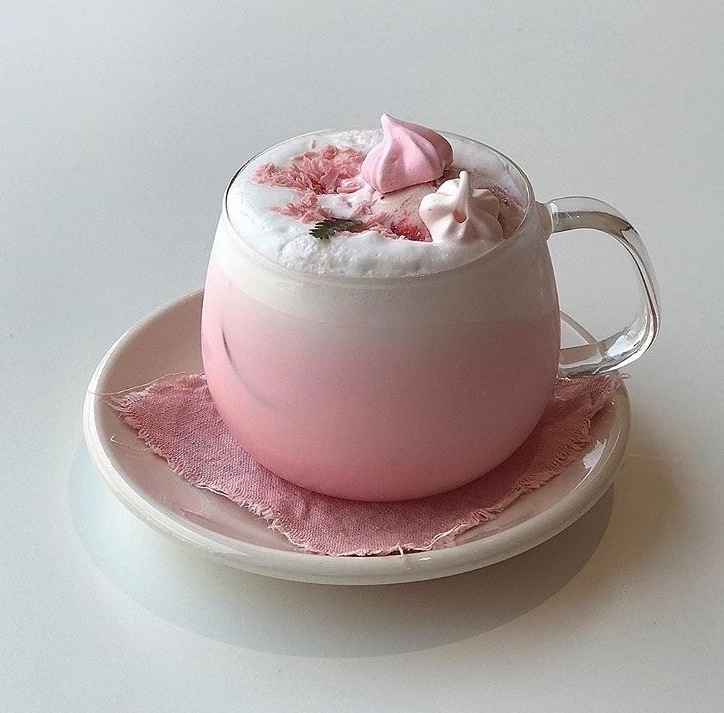
Whipped cream also known as Chantilly cream or crème chantilly, is one of those discoveries whose origins have been lost in obscurity. From being attributed to accidental discovery in the ancient times, to whipping instead of churning the cream for butter or the common folk tale of a fast horse ride with a half filled container of cream, whipped cream has become an answer to transform the boring mundane to fresh, new and exciting view.

Essentially whipped cream is made by whipping the cream by a whisk or mixer until it is light and fluffy. It is often sweetened and flavored with vanilla, coffee, chocolate, orange to mention a few. The colder the equipment, ingredients and the cream, the easier to whip and better the results. Cream must be below 50 degrees to whip, for at 50 degrees or above it gets churned into butter. From whipping siphons to food processors and electric mixers, the hand whipped cream has progressed with time and technology.

Popularized from the 16th century onward, whipped cream became aromatized and sweetened. Then it was added to various desserts from pyramidal shapes with coffee, liqueurs, chocolate, fruits and so on, to make either as a mixture or poured on top known as crème en mousse (‘cream in a foam’), crème fouettée, crème mousseuse and fromage à la Chantilly. Modern mousses including “mousse au chocolat” have continued this tradition. As written, “Mousses are made with sweet cream, not very thick; one whips it, which makes it foam, and it is this foam that one uses: one may give it whatever flavor one wants, with aromatics, flours, fruits, wines, or liqueurs.” M. Emy, 1768

Continuing through the years, whipped cream still remains a popular topping from fruit to desserts of pie, ice cream, cake, puddings, waffles and even to beverages ranging from coffee to milk or plain hot chocolate. These days imitations of whipped cream, for those with milk allergies or vegan diets, extended shelf life and convenience have been made available as whipped topping or squirty cream. Although the original whipped cream is the best, whichever way it may be made, whipped cream makes a good treat for the eyes as well as the palate. So in honour of National Whipped Cream Day (January 5th), I’m planning to shut down the inner calorie counter, to have whipped cream on any topping like, cake, pie or even coffee for a delicious weekend splurge.

Posted in Daily, Food, Photography Art

Oatmeal Art

“The oat is the Horatio Alger of cereals, which progressed, if not from rags to riches, at least from weed to health food.” Waverley Root, ‘Food’ (1980)

From being a weed, oats has been transformed to being one of the essential health foods, so much so as to declare January as the month of oatmeal as per “foodimentarians”. From its’ origin as early as 3000 years ago, oats were a common occurrence among the cultivation of other crops. Greeks and Romans considered oats to be a diseased form of wheat. Though most of the Scottish and the Germanic tribes would disagree with that thought.

Slowly over the years, oats has been embraced as a part of dining, especially for breakfast. The slow acceptance can be attributed to the fact that oats was and still is a primary fodder as pasturage and hay crops especially for cattle and horses. Additionally oats can turn rancid pretty quickly if not processed immediately after harvesting.

It truly amazes me all the things you can add and mix in to truly transform a plain old bowl of oatmeal. Ayesha Curry

Nevertheless the acceptance of oats especially as oatmeal (made of hulled oat grains, groats which have either been milled or ground, steel-cut or rolled) is on the rise. From the least to most processed oatmeal can be prepared from oat groats or whole oats, oat bran, steel cut (Irish) oats, rolled oats ( known as old fashioned oats), quick oats as well as instant oats and oat flour. From simple oatmeal to protein bars, brownies, oatmeal bread and cakes; the experimentation with oats is endless.

Oats are great – you can make meatloaf and use oats instead of bread as the binder, or you can make oatmeal cookies, my husband’s favorite. Ree Drummond

Besides being wonderful art decor for foodists, oats can be mixed with an “n” number of ingredients to make weird combination like oats dosa, oats and chicken salads, oats “upma”, to shakshuka, medley of vegetable or meat and even into stuffed bell peppers or spicy seasoned stuffed bitter-gourds. Try an online search, there would be numerous recipes including the addition of oats.

There is no doubt that some plant food, such as oatmeal, is more economical than meat, and superior to it in regard to both mechanical and mental performance. Such food, moreover, taxes our digestive organs decidedly less, and, in making us more contented and sociable, produces an amount of good difficult to estimate. Nikola Tesla

Posted in Daily, Food, Quotes

Balancing the Scale

Post Christmas and as a part of the year end festive, some of us may discover that a new wardrobe might come in order if the continue on the path of festive eating. The whole point of holidays is to have fun and enjoy. Yet the post-holiday guilt is disheartening and clings onto to our conscience, taunting us with every bite we take, unless we learn to numb it or have a back up plan in place to keep us still healthy and fit. There are a few tips and tricks that I plan to put into place before the guilt strikes with a fury.

Don’t dig your grave with your own knife and fork. ~English proverb

Remember the old dictum for healthy eating, eat breakfast like a king, lunch like a prince and dinner like a peasant. While it may be difficult putting this into daily practice, there are ways around it. For holidays try proportioning the meals as well as desserts; then we would be able to stick to the rule.

The key of having fun with food and controlling our portions is to experiment a bit as well as sit down to mindful eating. Even though you are alone for lunch or dinner, instead of mindless snacking or eating from the fridge, set the table for a meal for one and enjoy your food with plenty of light and proper cutlery. When the whole family is in, set the table and sit down for a proper meal.

While many of us hit the gym or workout during the week, instead of over indulging over the weekends, plan ahead for your weekend parties, trips and drives so as to downsize the calorie intake before the celebratory eating phase.

I definitely try to eat a healthy diet, but I am the first person to say I love unhealthy food. I would never tell you I don’t. I love fried chicken or mac and cheese. Do I order them all the time when I’m out at restaurants? No, though I do have one splurge meal a week. Rachel Nichols

Mix up the healthy and unhealthy foods. For instance try having fried chicken with one serving of rice or bread, adding some colour to the plate with greens or other vegetables. Another mix-up would be having the pizza homemade with a healthy topping of vegetables, meat as well as cheese but limit the portions. Enjoy the large serving of homemade desserts but then remove any added sugars ( especially in tea, coffee and juices) for the rest of the day, limit the remaining portion of carbohydrates and go more for protein and cellulose rich foods to feel full.

Mindless eating whether we are eating to finish off and not waste food, or even munching while talking nineteen to the dozen kills the taste of food and delight of eating. Instead sit down at a place and eat quietly. Even when in a group, occasional comments may be passed but mindless chatter ceases when we concentrate and eat. In this case I try to take a leaf from my toddler’s book of chewing. Ideally when we chew our dense foods thirty times, we discover that the little portion was enough.

Homemade fries, potato wedges and fried snacks are way better than always getting them delivered. Even though the holiday season is in full swing, try not to make too much.

If nature had intended our skeletons to be visible it would have put them on the outside of our bodies. Elmer Rice

When food is delivered, first lay them on your plate and then pack up the rest away. Once when we settle done to eat, the chances of getting up and adding on are slim when we have already packed away the extras.

With all the excess food delivered and leftovers from the party, outings or fellowship meets and neighbourhood dinners, distribute them among neighbours and friends or even better, donate them to the nearby orphanage, old age or retirement home or even the homeless shelters.

Instead of eating straight out of the containers or box, pre-portion your snacks  and meals too, into small individual containers or bag them for a ready to eat snack.

Food feeds both the body and soul – there are clear reasons to eat a balanced diet, but there are also reasons you cling to your mom’s secret chicken noodle soup recipe when you’re sick. Michael Mina

Add spice to food when possible, for spicy food tends to make us feel full faster. Another trick that I had read and tried was to stock some red pepper flakes. When eaten early in the day, red pepper can reduce the amount of food you consumer later.

If you remember the good old saying, “Good things come in small packages”, then apply them to food and treats as well.

For those of us who love our desserts, enjoy the decadent delights in bite sizes savouring the taste and not eating in a hurry, or when doing any other work or in front of any entertainment. When we focus on the taste and flavour we realize that the little portion was enough.

If hunger is not the problem, then eating is not the solution. Author unknown

Most importantly stay active, enjoy your food without guilt and engage in the pleasure as well as mindful eating even if they are comfort foods. A little of everything never hurts but the catch is in our definition of the extent of “little”. When we decide to eat because we are hungry is not the same when we eat for the sake of it. Being on the top of the food chain, gives us the right to decide from the pyramid of choices, but it doesn’t mean that we have to end up being a large hamper ourselves.
Posted in Daily, Food

Fruitcake Time Again !

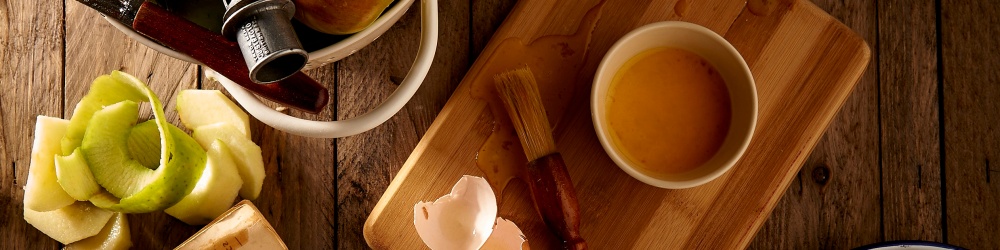
When the Romans had shaped “the satura”, as a cake of pine nuts, barley mash, pomegranate seeds, raisins with honeyed wine “satura”, little did they imagine the evolution of their creation years in the future. Over the centuries the entire month of December has been dedicated to the creation whose origins may dated back to even before the Romans. If one hasn’t yet figured out what the above lines were about, it can be credited to the modern version of “satura”, i.e. the fruitcake.

Each year, the holiday season marks special traditions in many homes and among many communities, some which center around food while others revolving around the various customs and heritage. The fruitcake enjoys its’ own special relation with people. For some, fruitcakes bring nostalgic memories of warm kitchens, family specialties, the smell of spices in the air and the feel of Christmas baking. While for others, fruitcakes epitomize tasteless bricks or unwanted gifts that probably came from a factory kitchen rather than a homemade specialty.

“There’s a little bit of fruitcake left in everyone of us.” Jimmy Buffett

Yet the origin of the fruitcake was one of love and survival for difficult times. It was believed that the ancient Egyptians would put an early version of the fruitcake in the tombs of loved ones as means of providing food for the afterlife. The ancient Romans popularized the fruitcakes especially for the soldiers as these early fruitcakes were easy to carry and remained edible for a long time. Gradually over the years, other ingredients, such as honey, spices and preserved fruits were added. Towards the 16th century, the discovery that fruit could be preserved by soaking it in heavy concentrations of sugar (candied fruit) lead to its’ experimentation in fruitcakes especially when excess amounts were there in the kitchens.

“Friends are the fruitcake of life – some nutty, some soaked in alcohol, some sweet.” Jon Ronson

Slowly fruitcakes became layered, dense and heavy with a typical fruitcake having citrus peel, pineapples, plums, dates, pears, cherries, candied fruits and even nuts or raisins. With a long storage life and easy to preserve, fruitcakes have been popular during Victorian England especially during holidays and special occasions. This British tradition has spread over to many of its’ colonies although other countries have their own set of “fruitcakes”. From the Stollen of Germany, panforte of Italy, keks of Poland and Cozonac of Romania to light coloured or rum soaked fruitcakes, the variants are many to list. Although by convention fruitcakes are made more around December (Christmas time), they have been traditional for certain weddings especially as seen in the royal weddings.

“Reality is like a fruitcake; pretty enough to look at but with all sorts of nasty things lurking just beneath the surface.” A. Lee Martinez

Although fruitcakes can certainly be delicious, they’ve declined in popularity over the years primarily as the richness is a little too much especially with calorie counting and the arrival of other decadent delights. Despite the declining demand, fruitcakes are still a holiday tradition in many areas though not beyond that period.

Posted in Daily, Food, Quotes

Evolution of Baking

Baking may be regarded as a science, but it’s the chemistry between the ingredients and the cook that gives desserts life. Baking is done out of love, to share with family and friends, to see them smile. Anna Olson

Since the existence of man, the very first instances of baking was believed to have occurred when wild grass grains were soaked in water, mixed together and mashed into a kind of broth-like paste which was cooked by pouring it onto a flat, hot rock, resulting in a bread-like substance. After the experimentation and mastery of fire, the paste was roasted on hot embers which made bread-making easier. To date the world’s oldest oven was credited to the evidence in Croatia dating it back 6500 years ago. The Ancient Egyptians had baked bread using yeast.In Ancient Greece (600 BC) bread making had lead to the invention of enclosed ovens. Baking flourished further during the Roman Empire with professional pastry cooks being in vogue. Rome saw the establishment of the bakers’ guild with an wide variety of breads being available like the libum (sacrificial cakes made with flour), spira (modern day flour pretzels), savaillum (sweet cake) to name a few. Ovens with their own chimneys and mills to grind grain into flour were common features in Roman towns.

Cooking involves a deadline and hungry people and ingredients that expire in a week. It’s stressful. Cooking happens on the stove and on the clock. Baking happens with ingredients that last for months and come to life inside a warm oven. Baking is slow and leisurely. Regina Brett

Over time and with travel, the Roman technique of baking spread throughout Europe and to eastern areas of Asia. Towards the 13th century, commercial baking started off in London with strict regulations being enforced. Yet it was only by early 19th century that alternate leavening agents (besides yeast) like baking soda were more common. Slowly baked goods were available on the streets as handcarts or in downtown cafes (first being in Paris) or stores. With the advent of automated machinery, the commercialization of baking grew by leaps and bounds.

Baking can be done with a few simple ingredients, so it’s about simplicity and nostalgia – people are reminded of their childhood. Paul Hollywood

The technique of baking is not confined to bread alone, but ranges from biscuits to cakes, casserole to pudding and pies as well as roast, tarts and viennoiserie to list a few. Each country has their own set of baked goods. Adobe bread of southwest US, Barley bread in England, Baozi of China, pan de vapor of Mexico, Naan of India are a few of the baked breads that vary across various regions and countries. In fact a bread variety can be named for every letter of the alphabet.

If baking is any labor at all, it’s a labor of love. A love that gets passed from generation to generation. Regina Brett

Fast forwarding to today, baking has become an art with more flavours, designs and artful masterpieces being created. From cultural as well as religious significance to high teas, daily food, party events and even nursery rhymes (pat-a-cake, bakers’ man) the art of baking has always been an integral part of man’s subsistence and lifestyle. A day at home or any festive season, (especially Christmas) without baked goods would be like missing important pieces of the puzzle, not to forget the pleasant memories as well as burst of flavours and taste lost. As Lidia Bastianich said, “Make gifts meaningful by putting the time in creating them, whether baking and cooking, or in making arts and craft. It will all have more meaning for the giver and receiver.” Baking is a labour of love and something that brings rest to a tired, wandering or lost soul with a plate of freshly baked bread, whichever style of type it may be.

Posted in Daily, Food, Musique

The Muffin Man

Do [or “Oh, do”] you know the muffin man,
The muffin man, the muffin man,
Do you know the muffin man,
Who lives on Drury Lane?

Yes [or “Oh, yes”], I know the muffin man,
The muffin man, the muffin man,
Yes, I know the muffin man,
Who lives on Drury Lane.
(Source: Opie and P. Opie, The Singing Game (Oxford: Oxford University Press, 1985), pp. 379-82))

One of the traditional nursery rhymes of English origin, “the muffin man” was recorded around the early nineteenth century as confirmed by British manuscripts circa 1820. Towards the mid-nineteenth century the rhyme as well as the game had spread over to other countries with regional variations in the lyrics as well as the game altering as a forfeit game, guessing game and a dancing game. Whichever style it may be in, as long as the children have fun, it doesn’t matter.

Interestingly, the muffins in the song were based on the English muffins, not the sweeter American cupcake shaped variety. The muffin is an individual-sized, baked product which refers to two distinct items, a part-raised flatbread or a cupcake-like quick-bread. The former i.e. the flatbread version is of British or European origin dating from at least the early 18th century or even earlier. While the latter i.e. the quick bread muffins originated in North America during the 19th century. Like all bread related products, muffins were an evolution over time with human ingenuity, local ingredients, sudden requirements, cultural expectations laced with technological advancement as well as creative baking styles.

I believe the world to be a muffin pan, and there certainly are a lot of muffins here. Aaron Funk

As far as the origins of the word “muffin” goes, it can be traced to old French word “moufflet” applied to bread meaning soft, or even Low German word “muffe” meaning cake. Initially it started off as small yeast cakes light textured roll, round and flat and commonly enjoyed during winter when they are slit, tasted, buttered and served hot with tea or jam. What initially started off as a basic recipe, towards the twentieth century, they varied from the type of flour (white, graham, rye and corn) to add-ons’ from handful of chopped dates or raisins to the base being of bran, blueberry, corn, apple, oatmeal as well as being bigger in size.

I’m all over the place with muffins. Carrots are great. Banana, chocolate chip, they rock, too. Shawn Mendes

Into the final month of this year, there has to be something special on the table once in a while. The beauty of muffins is that they are so quick and easy to make, particularly since the ingredients are only lightly mixed, not beaten smooth and can be made in a pressure cooker as well. Besides making a good snack while counting calories, the variety of tastes and mixes that can be experimented on are quite interesting. With today being the “National Oatmeal Muffin Day” in the west, it would be fun to give a try for some simple homemade muffins- cupcake style or the “English muffin way”.


Posted in Daily, Food, Random Thoughts

Cover with Chocolate

The greatest tragedies were written by the Greeks and Shakespeare…neither knew chocolate. – Sandra Boynton

On my evening shopping spree, as I running through the aisles, the poster announcing a discount on the chocolate syrup on the event of Chocolate Covered Anything Day (December 16th) caught my eye. With a toddler in tow and it being the Christmas season, I couldn’t resist the offer. Usually when I use chocolate in cooking, I lavishly blend it with the desserts and shakes. For simply dipping food in chocolate and just having a bite, leaves the taste buds still craving. Yet for the fun of covering chocolate over variety of foods, I have planned on a chocolate dipped fruit salad, chocolate rice pudding as well as chocolate covered banana fritters (to be on the safe side). Even though the chances are high that no one can resist chocolate, simply rice with choclate is still a weird combination although wheat (roti) and chocolate spread works well. But there is no harm in a little bit of experimentation. With all the fun, personally I feel that the celebration of “Chocolate Covered Anything Day” is simply another reason to justify the need to indulge in chocolate, without triggering the guilty feel.

Chocolate comes from cocoa, which is a tree, that makes it a plant. Chocolate is salad. – Unknown