
Posted in Daily, Family and Society, Personal Musings, Quotes, Stories Around the World

To Say Something

“If you can’t say something nice, don’t say nothing at all”.

For avid animation film viewers or parents of children, Bambi may have made an appearance on their screens or watch list. As the original movie Bambi (1942) revolves around the life of a fawn, who would be the future guardian of the forest; one of his close friends was an eager, energetic rabbit named Thumper.

When Bambi, newly born, was being presented to all the forest creatures as the future young prince of the glen, Thumper remarks accurately that he is “kinda wobbly” whereupon his own mother inquired if he remembered what his father had impressed upon him earlier that day. Thumper, drawing circles with his hind left foot, says haltingly, “If you can’t say something nice… don’t say nothing at all.” Also known as the “Thumperian principle”, “Thumper’s rule” or “Thumper’s law”; this principle holds true then and even now.

“Be nice. And if you can’t do that, just don’t be mean.” Richelle E. Goodrich

When looking deeply into the growing society, one often sees unkindness, thoughtless words, bullying and impolite talk becoming more rampant day by day, especially towards those on less social standing than oneself. In order to instill a sense of pleasantness, kind thoughts and gracious behaviour; Mayor Keith Summey of North Charleston proclaimed June 1st as “Say Something Nice Day” (2006). Joined by Dr. Mitchell Carnell, the author of Say Something Nice: Be a Lifter at Work, the South Baptist Convention and the Charleston-Atlantic Presbytery; this day was recognized to remember and celebrate people who provide society with a variety of services from bus drivers, teachers, healthcare workers, law and order. Additionally it was marked as a day to be kind to the special people in our lives, like children, grandparents and the elderly. Above all, this day offers a great opportunity to apologize to people that one may have wronged or hurt them through one’s behaviour, especially when done intentionally be it when in range or fit of anger.

“Be nice to each other. You can make a whole day a different day for everybody.” Richard Dawson

To one’s surprise and perhaps the biggest truth, is that, it doesn’t take much to be nice for a day. True that each one has their own share of likes, dislikes, opinions, understanding, perceptions, assumptions, expectations and thoughts, and so on. Yet the beauty of coexistence as a humane society is that there is place for all. From appreciation of others, noticing or acknowledging their presence by kind words or simple courtesy greetings to complimenting personality traits to styles, or simply greeting others with pleasant words are few of the many ways to be spread ” the happy feel” around oneself. While each one of us may have our own personal inner struggles, it doesn’t give a leeway to be rude or obnoxious to others. Life has always it’s curves and it’s how we navigate the choppy waters and narrow hard beaten roads that makes all the difference during the travel. These roads that we take are what matters more than somehow just reaching the final destination.

“The main thing that you have to remember on this journey is, just be nice to everyone and always smile.” Ed Sheeran

Posted in Daily, Food

Of “Burger” and Origins

“Fashion is like food! Some people like sushi, others think hamburgers are divine! People like different things!” Michael Kors

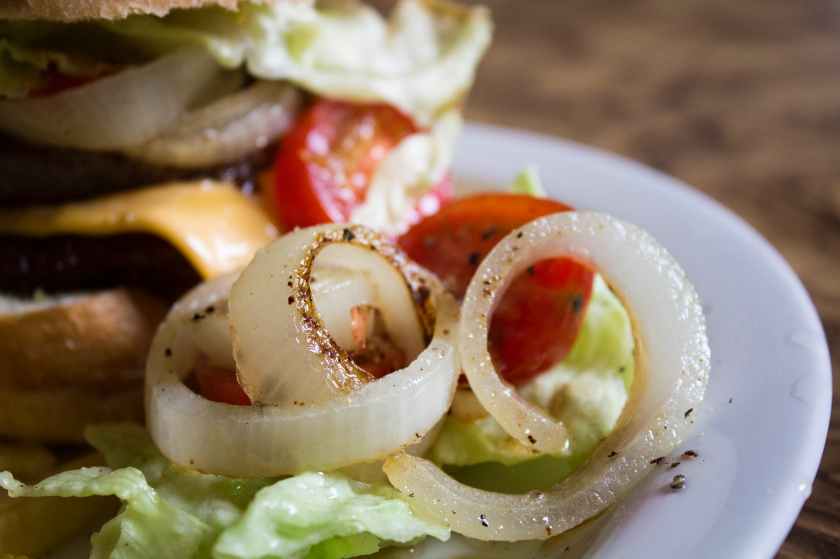
One of the most popular comfort foods, snack foods or a complete meal to splurge occasionally, or for fun and festive, is the hamburger or burger. Essentially a sandwich consisting of one or more cooked patties (pan fried, grilled or flame broiled) of meat placed inside a sliced bread roll or bun and often served with cheese, lettuce, tomato, onion, pickles and other adds ons, as well as condiments like ketchup, mayonnaise, mustard, relish, or “special sauce”, these sandwiches or “burgers” have stormed the food industry ever since their introduction. While today, the patties can range from meat, fish, egg or vegan; hamburgers or burgers have evolved from being that of fast food joints or the regular diners to specialty or high end restaurants. Like all sandwiches, its’ what goes in and the entire taste and texture that counts.

“It requires a certain kind of mind to see beauty in a hamburger bun.” ~ Ray Kroc


Although the term, “hamburger” is originally derived from Hamburg, Germany’s second-largest city; its’ origins have been subject to much dispute, claim and uncertainty. Before the “disputed invention” of the hamburger in the United States, similar foods already existed in the culinary tradition of Europe. As recorded in The Apicius cookbook, a collection of ancient Roman recipes that may date to the early 4th century, “isicia omentata” preparation is detailed as a baked patty in which meat is mixed with pine kernels, black and green peppercorns, and white wine, considered to be the earliest precursor to the hamburger. Later on with various conquests, civilizations and trade, similar recipes were made with various varieties of the meat available then, like the “steak tartare” made of minced horse-meat of the 12th century.

The evolution of the name “Hamburg” came as the town was known for its’ ports famous for trade with the “New World” as well as then ” Old Europe”. With immigrants reminiscing about home, various dishes made with steak came to known with the name “Hamburg” added along side the dish name on the various menus especially when at sea or the ports, like the Hamburg-style American fillet.


However the exact origin of the hamburger may never be known with any certainty. While most historians believe it was invented by a cook who placed a Hamburg steak between two slices of bread in a small town in Texas; few others credit the founder of White Castle for developing the “Hamburger Sandwich.” With records being scarce, the stories and claims still remain as “legends”. With most claims for the invention occurring towards the early 19th century, common factors include large crowds like fairs, festivals, amusement parks as well as street vendors, who for simplicity, ease and increased sales had placed the steak between two buns filed with few vegetables to get the taste and the sales” going.

Yet by whichever origin, the “burgers” have been evolved across the globe adapting to the taste, local ingredients, culture and essence of the locality like the Vietnamese rice-burger. Varied experimentation with the ingredients can be made with ease, to give rise to a style or art with home cooking the “burgers” especially on the International Burger Day (May 28th). Depending on the mood or scene, from barbecues to cook-outs various combinations can be made, traded and shared with fun memories to treasure. Or one can ordering the good old regular “burger” for not just satisfying the hunger pangs but also for comfort in the memories of the good old times. As the old saying goes, “moderation is the key to having fun while eating”.


Posted in Daily, Food, Stories Around the World

“Grill or Barbecue” Summer

With the scent of summer and warm weather, there’s nothing more fun than having an outdoor cooking session. Open space, vegetables and meat or fish with lots of sauces, condiments, rice as well as firewood or outdoor grills and everyone is getting set for the weekend family cookout. Interestingly one may be naturally guess that the concept of outdoor cooking has been there since the time of the prehistoric man. While in the early years, it was more of a necessity than leisure; over time it became an occasion for gatherings, mass cooking as well as festive or season celebrations.

“If summer had one defining scent, it’d definitely be the smell of barbecue.” Katie Lee

Contrary to popular notion, grilling and barbecue aren’t the same. The initial years had seen majority of outdoor or open fire cooking where in the art of getting vegetables and meat well done were perfected. Slowly there were distinct methods and styles as well as flavours of getting food well done over fire were learnt and modified, like smoking, roasting or baking, braising and grilling. While these may be largely encompassed under the banner of barbecue, there subtle distinctions by the manner each is done. Each technique by which it is named so involves cooking using smoke at low temperatures and the duration of cooking hours from few to several. While baking uses an oven to convection cook with moderate temperatures for an average cooking time of about an hour; braising combines direct, dry heat charbroiling on a ribbed surface with a broth-filled pot for moist heat. Grilling is done over direct, dry heat, usually over a hot fire for a few minutes. Technically barbecue is a method as well as an apparatus for cooking meat, poultry and occasionally fish with the heat and hot smoke of fire, smoking wood or hot coals of charcoal.

“There are two different things: there’s grilling, and there’s barbecue. Grilling is when people say, ‘We’re going to turn up the heat, make it really hot and sear a steak, sear a burger, cook a chicken.’ Barbecue is going low and slow.” Guy Fieri

Since the pre-colonization era, grilling had existed in the Americas. However, the origin of the term “barbecue” can’t be exactly determined. The earliest records were that when the Spanish, upon landing in the Caribbean, had seen the natives like the Arawak people of South America or the Caribbean Taino Indians (accounts vary) who had a method of slow-cooking meat over a wooden (or green sticks) structure known as “barbacoa” in Spanish. For centuries, the term barbacoa referred to the wooden structure and not the act of grilling, but it was eventually modified to “barbecue”.

As per the records of the earliest English tales of barbecue as written by Edward Ward ( 18th century) in his travel accounts, “The Barbacue Feast: or, the three pigs of Peckham, broil’d under an apple-tree.” As per his story, the social aspects of “cooking food over fire” for several hours while enjoying the evening was a new and noteworthy experience. Later on this techniques had caught on and with the spread of colonies, civil wars and later, as festive or celebratory occasions, the technique, art, style and precision of cooking by “barbecue” were perfect and made into an enjoyable social as well as family occasion.

“Cooking and eating food outdoors makes it taste infinitely better than the same meal prepared and consumed indoors.” Fennel Hudson

Across the globe, similar techniques were being practiced like the Korean barbecue features thin slices of beef or pork cooked and served with rice, Argentinian “asado” or marinade-free meat cooked in a smokeless pit and the Indian “tandoor” cooking. The “tandoor” is a large pot, typically buried in the ground up to its neck with hot coals added to the bottom. Made of ceramic, the Tandoor holds in the heat and focuses it on the food cooked inside. With the “true barbecue” has evolved into its’ distinct style over the years; summer evenings and holidays turned into occasions of fun, beating the heat and humid season. With a range of styles from open pit or fire cooking to grills or barbecue, outdoor cooking of summer is indeed an experience to try as well as appreciate.

Posted in Daily, Family and Society, Life, Personal Musings, Stories Around the World, Work

Cups, Perfection or Happiness

“Folks are usually about as happy as they make their minds up to be.” Abraham Lincoln

As per the recent health surveys, the growing levels of stress are increasing steadily, not only among white collar workers, but also among young adults, adolescents and even at school level. In 2016, an estimate of over 1.1 billion people worldwide ( 1 in 6 or 15-20%) had mental or substance use disorder with around 4 percent of population had anxiety disorder ( Source: Institute for Health Metrics and Evaluation, Global Burden of Disease study). As per the Cigna 360 Well Being Survey (2018), around 9 in 10 Indians suffer from stress. With all this statistical evidence and data of mental as well physical health correlations, the glaring fact or query is whether happiness or health is defined by the boundaries of pre-defined standardized success or by the quiet inner serenity of “being successful within”.

“You will never be happy if you continue to search for what happiness consists of. You will never live if you are looking for the meaning of life.” Albert Camus

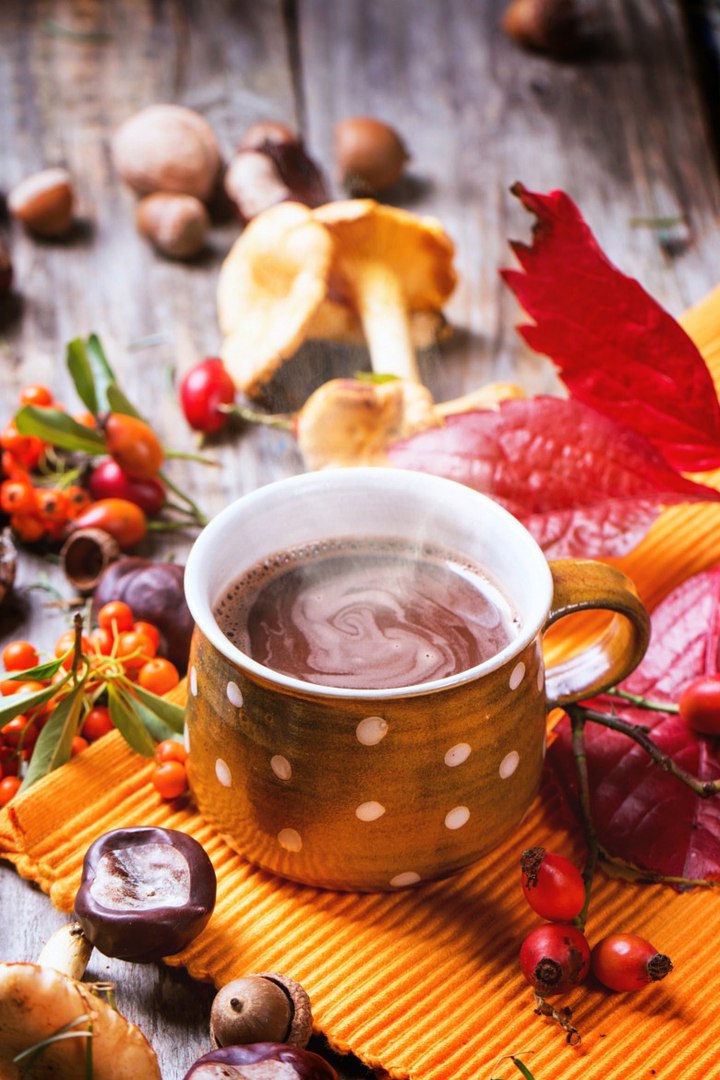
One of the reasons why we often sink into the pits in our journey in life, is because we are too busy looking around to notice our own. One becomes too busy in concentrating on how “our coffee cup” is shaped, styled and modeled in comparison to others either by wealth, career, assets or other parameters. Unfortunately in doing so, we fail to enjoy to taste, flavours and pleasure of indulging in the freshly brewed coffee in our own cup. Wouldn’t it be better if we enjoyed our own cup in the short time that we have?

“Success is not the key to happiness. Happiness is the key to success. If you love what you are doing, you will be successful.” Albert Schweitzer

To attain the happiness in life, doesn’t imply to concentrate only on the cup that we have. Perfection doesn’t define happiness. Rather define what is important to one and find comfort and peace of mind in those. The choice to remain at peace and serene lies within us and our thoughts. Choose to stay calm, happy and content by finding the value and worth in things that really matter to us and our inner peace.

“Happiness depends upon ourselves.” Aristotle

A Cup and Coffee

A group of highly established alumni got together to visit their old university professor. The conversation among them soon turned into complaints about their stressful work and life. The professor went to his kitchen and returned with a large pot of coffee and an assortment of cups, including porcelain, plastic, glass, crystal, some plain-looking, some expensive and some exquisite. The professor told them to help themselves to the coffee. After all the students had a cup of coffee in their hands, the professor said: “ Did you notice all the nice looking cups are taken and only the plain inexpensive ones are left behind. While it is normal for everyone to want the best for themselves, but that is the source of problems and stress in your life. “ “ The cup itself adds no quality to the coffee. In most of the cases, it’s just more expensive and hides what we drink.”, the professor continued. “What all of you really wanted was coffee, not the cup, but all of you consciously went for good looking expensive cups and then began eyeing on each other’ s cups.”
“Let’s consider that life is the coffee and the jobs, houses, cars, things, money and position are the cups. The type of cup we have, does not define or change the quality of our lives.”

Posted in Daily, Food

“Quiche” on the Menu

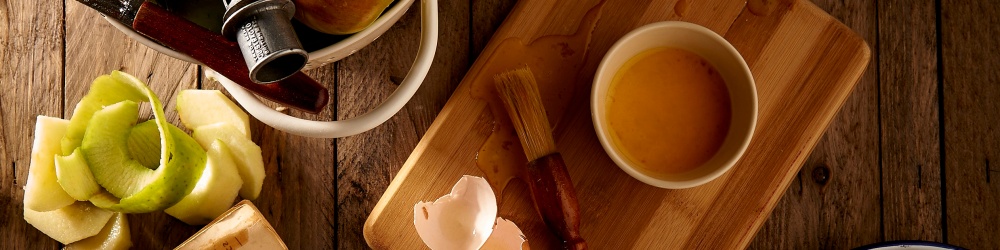
Fill the pastry crust with cheese, tomatoes, egg custard and smoked meat or mushrooms or any ingredient by choice, bake it without covering the pastry and viola’ the “homemade quiche’ ” is ready for the get-together with the extended family, friends, colleagues, neighbours or for a quiet light meal for two.

This savoury open flan consisting of pastry crust filled with eggs, milk or cream with cheese, meat, seafood or vegetables, quiche is one of the popular dishes of the French cuisine which has reached over to various parts and countries of the world albeit with or without modifications.

While the word “quiche” was first attested in French (1805) and the first English usage as “quiche Lorraine” was recorded in the Indiana Evening Gazette in 1925; the origins of this dish may be traced to the German roots. For the word “quiche” may originate from the German “Kuchen” meaning “cake” or “tart”. Food historians have traced the roots of “quiche” to the medieval kingdom of Lothringen, under German rule, which the French later renamed as Lorraine.

Although this may be debatable as using eggs and cream in pastry was practiced in most cuisines as early as the 13th century. In fact the ” Forme of Cury” and the “Italian Libro de arte coquinaria” of the 13th and 14th century cookbooks have references of recipes known as ” Crustardes of flesh” or ” Crustade” which spell out steps for eggs and cream baked in pastry containing meat, fish and fruit. Since then, these recipes have caught on.

“I do not like a quiche with wet, undercooked pastry underneath, and that is that.” Mary Berry

Quiche can be made with a variety of ingredients with the variants often named descriptively in French like the quiche au fromage ( with cheese), quiche aux champignons (with mushrooms) or conventionally like florentine (spinach) and provençale (tomatoes) to list a few. Although there are many variants of quiche, one of the most popular and famous one is the ” Quiche Lorraine”, which has its’ own National Day as per the foodimentarians ( May 20th).

The authentic Quiche Lorraine originated from the German culture in which the “quiche” was an egg custard pie baked in a brioche pastry (and not in the typical French pie dough). Over the years this recipe had evolved into its’ classical form containing heavy cream, eggs and bacon or chopped ham, but no cheese. This mouth-watering wintry dish is baked until the pastry crust is browning. It can be served as a starter with a dressed crisp salad or as a brunch dish, often enjoyed at room temperature or little warm to keep the pie still crunchy. While the most popular Quiche recipe, includes French soft cheese (emmenthal or gruyere); many modern variations like the Alsatian-style including onions to modern versions with goat cheese, salmon, leek or even broccoli are made today.

So for a quick change from the regular, trying this simple recipe after a busy day may be fun. For the lack of ovens, this dish works fine on cooking with “instant pot” or ” by double boiling” techniques too . As often said, cooking is all about ” experimentation, cuisine mixing with modifications keeping it simple, tasty and artsy as well as fun”.

Posted in Daily, Food

Staying “Summer” Fresh

“If life gives you lemons, make apple juice and make people wonder how the hell you did it.” Gurbaksh Chahal

With summer reaching it’s peak, staying hydrated is quite important. Add holidays, children, get together weekends or picnics as well as spending time with friends and family; getting creative is a necessity. With plenty of fruits available this season as well the vegetable garden thriving, it would be fun to experiment and serve something more than chilled lemonade this summer.

“If life gives you lemons, make some kind of fruity juice.” Conan O’Brien


Before getting started, few practical tips would make the experimentation more fun and feasible as well as palatable. As per most nutrition experts and chefs, carrots can be juiced with any fruit and apples can be mixed with any vegetables. Cabbage, kale or collard greens shouldn’t be juiced. A little of mint, basil or rosemary gives a distinct flavour to the regular fruit juices. Adding a little of parsley or watercress will not only cleanse the blood but also give a distinct flavour.

Before juicing, washing the vegetables and fruits is a must. A quick tip to clean the berries would be to soak them for a few minutes in a solution of vinegar and water of one cup to ten, respectively and dry them completely. Not only will they remain fresh mould free but also be cleansed. Have fruit juices fresh and early in the morning would ease the health for the day. Fruit juice once made, should be consumed fresh as they may turn too sweet when kept in the fridge for long, or turn rancid or sour when kept outside. T have it cold, add a few ice cubes which can contain a hint of crushed mint in the water frozen as ice cubes.


Before juicing, rough skins like those of pineapple and avocado as well as pits and seeds should be removed. An exception to the peels are apple skin and citrus (not oranges) peels which are edible and anti-oxidant rich. And the removed pulp can be added to mayonnaise for a delicious mock salad, or to pancakes, cookies, and even hummus. Not all seeds and greens can be added to food as some can cause gastric upsets as well as food allergies. Few of the more vibrant juices, as seen by their colours fall into the category of :
Big RED: Beetroot, Carrot, Celery, Apple, Pomegranate.
Yummy Carrot: Carrots, Apple, Ginger, Turmeric or Parsley and Lemon.
Green: Kale, Spinach, Cucumber, Parsley, Celery, Apple.
The Detoxifier: Beets, Carrots, Lemon, Ginger, Apple
The Vision: Carrots, Oranges, Ginger with or without turmeric

If the taste of the juice isn’t sweet enough to the palate initially, try adding some stevia or things like cucumber, beetroot and carrot, which can make the juices easier to drink for a newbie. Also although lemonade is one of the summer drinks since school, a dash of lime any juice would spruce it up a bit.


Posted in Daily, Family and Society, Food

“Food Fun”: Mix , Match and Experiment

“One cannot think well, love well, sleep well, if one has not dined well.”  Virginia Woolf

Imagine a menu planned by kids. This was one of the tasks allotted to my child in his kindergarten class. On first hearing this; for all parents, this plan may set off alarm bells of the aftermath of a mass gastric upsets, whereas secretly many among us crave these foods on certain or many occasions. 


Imagine a list that ranges from Cheetos to ice cream, pancakes, sandwiches and all the sweet as well as the “street food” in the world. While this may sound too good to be true, some of these combinations though weird actually taste good.

Oreos and Orange Juice
Frosted Flakes and Cheese
Soya Sauce on Ice Cream
Apples with Salt, Pepper and Chilli Flakes
Cake of “Banana Pancakes with Nutella, Cream and Honey”
Avocados and Chocolate
Peanut Butter and Pickle Sandwiches
Bananas on Cheese Toastie
Butter and Sugar Sandwiches
Peanut Butter in Burgers
Rice and Ketchup
Grape Jelly on Scrambled Eggs or Omelettes ..and the list goes on, up to one’s choice of taste, artistic eye and palatable combinations.


Though everyday food involves eating healthy as well enjoying food that we love guilt free, the daily meals get a bit of livening up when we get free with the mix and match, go creative as well as enjoy surprising the taste senses.
With “Eat What You Want Day” (May 11th) is being celebrated today, which was initially started to enjoy a guilt free “indulge in your favourite food” day; this is one of the best days to try weird combinations or have breakfast for dinner, break the routine and let the young ones plan one meal for the day (few of us can tolerate Doritos, pizza and ice cream only to an extent).

Whether one wants to have sweet or sour, or indulge in the “mood for something different to taste” for the day; having fun while eating is the first along with being healthy, wise, happy and creative too.