Posted in Daily, Life, poetry, Quotes, Reflections

Yearnings before the Summer

“The world is full of magic things, patiently waiting for our senses to grow sharper.” W.B. Yeats

With the heat of summer approaching and spring nearing its’ end, a longing comes for the early pleasant winter days or the cooler autumn. While summer is indeed a time for beaches and water and cooler evenings making up for the oppressive heat of the mornings, one often longs to escape to the coldest part of the time for a few days.

“Happiness doesn’t depend on what we have, but it does depend on how we feel toward what we have. We can be happy with little and miserable with much.” William D. Hoard

Looking back, the seasons do expose the strength of one’s endurance. During the extreme cold of winter, one harbours the longing for summer and reverse feelings in winter. These feelings bring to front the changing nature of the whims and fancies of man. Being human, one often tends to change one’s mind, thoughts and actions depending on the mood of the situation. Yet at times, we lose sight of the moral principle while engaging on the whims.

“We are all faced with a series of great opportunities brilliantly disguised as impossible situations.” Charles R. Swindoll

To transform, mature and to experience life, change is important. Yet if we are always on the lookout for change, without experiencing the moments of the present, we fail to learn what time and life has in store for us with every passing moment. Flitting from branch to another, we may always on the lookout for something better, brighter and more purposeful. In doing so, we tend to lose out on the meaning of the wonders of the present. Once lost, that Time would never come back. In His Timeline and among His Creations, one often learns that during uncertain situations, difficult choices or troubled times; stepping out and taking a breath of fresh air helps to find new perspective. The sooner we do so, the most difficult and rough season becomes an enjoyable one for the time.

“The best remedy for those who are afraid, lonely or unhappy is to go outside, somewhere where they can be quiet, alone with the heavens, nature and God.
Because only then does one feel that all is as it should be.” Anne Frank

I See You Spring

I see you, spring,
In my double window.
You’re not very red,
and even a little dirty.

There is no greenery yet.
The earth is exactly two-colored photo,
And the snow only catches the moment
To disappear from us imperceptibly.

And sleepy shade carts,
Squeaking axes,
On the same trampled snow
They derive sleds in the autumn.

And chomping with a check,
And twisting the wheels with his hands,
And a drop of rain on his cheek
Suddenly feels like tears.

Varlam Shalamov

Posted in Daily, Food, Stories Around the World

“Grill or Barbecue” Summer

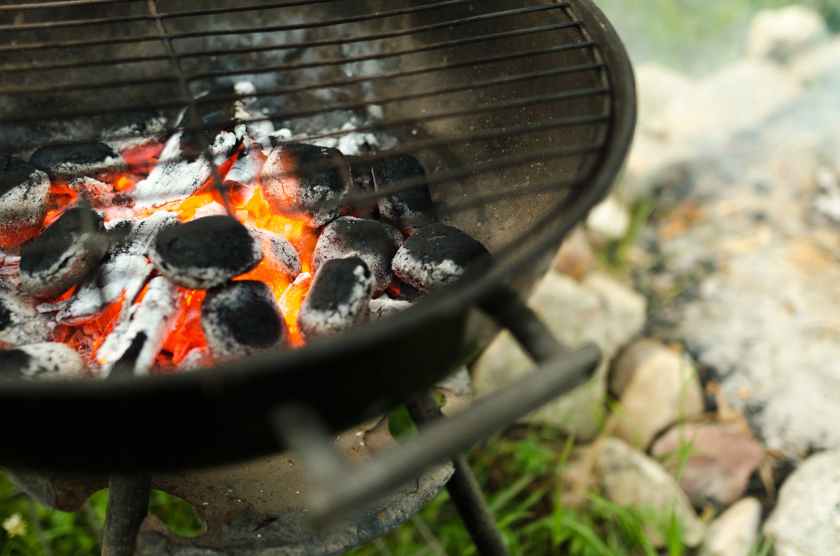
With the scent of summer and warm weather, there’s nothing more fun than having an outdoor cooking session. Open space, vegetables and meat or fish with lots of sauces, condiments, rice as well as firewood or outdoor grills and everyone is getting set for the weekend family cookout. Interestingly one may be naturally guess that the concept of outdoor cooking has been there since the time of the prehistoric man. While in the early years, it was more of a necessity than leisure; over time it became an occasion for gatherings, mass cooking as well as festive or season celebrations.

“If summer had one defining scent, it’d definitely be the smell of barbecue.” Katie Lee

Contrary to popular notion, grilling and barbecue aren’t the same. The initial years had seen majority of outdoor or open fire cooking where in the art of getting vegetables and meat well done were perfected. Slowly there were distinct methods and styles as well as flavours of getting food well done over fire were learnt and modified, like smoking, roasting or baking, braising and grilling. While these may be largely encompassed under the banner of barbecue, there subtle distinctions by the manner each is done. Each technique by which it is named so involves cooking using smoke at low temperatures and the duration of cooking hours from few to several. While baking uses an oven to convection cook with moderate temperatures for an average cooking time of about an hour; braising combines direct, dry heat charbroiling on a ribbed surface with a broth-filled pot for moist heat. Grilling is done over direct, dry heat, usually over a hot fire for a few minutes. Technically barbecue is a method as well as an apparatus for cooking meat, poultry and occasionally fish with the heat and hot smoke of fire, smoking wood or hot coals of charcoal.

“There are two different things: there’s grilling, and there’s barbecue. Grilling is when people say, ‘We’re going to turn up the heat, make it really hot and sear a steak, sear a burger, cook a chicken.’ Barbecue is going low and slow.” Guy Fieri

Since the pre-colonization era, grilling had existed in the Americas. However, the origin of the term “barbecue” can’t be exactly determined. The earliest records were that when the Spanish, upon landing in the Caribbean, had seen the natives like the Arawak people of South America or the Caribbean Taino Indians (accounts vary) who had a method of slow-cooking meat over a wooden (or green sticks) structure known as “barbacoa” in Spanish. For centuries, the term barbacoa referred to the wooden structure and not the act of grilling, but it was eventually modified to “barbecue”.

As per the records of the earliest English tales of barbecue as written by Edward Ward ( 18th century) in his travel accounts, “The Barbacue Feast: or, the three pigs of Peckham, broil’d under an apple-tree.” As per his story, the social aspects of “cooking food over fire” for several hours while enjoying the evening was a new and noteworthy experience. Later on this techniques had caught on and with the spread of colonies, civil wars and later, as festive or celebratory occasions, the technique, art, style and precision of cooking by “barbecue” were perfect and made into an enjoyable social as well as family occasion.

“Cooking and eating food outdoors makes it taste infinitely better than the same meal prepared and consumed indoors.” Fennel Hudson

Across the globe, similar techniques were being practiced like the Korean barbecue features thin slices of beef or pork cooked and served with rice, Argentinian “asado” or marinade-free meat cooked in a smokeless pit and the Indian “tandoor” cooking. The “tandoor” is a large pot, typically buried in the ground up to its neck with hot coals added to the bottom. Made of ceramic, the Tandoor holds in the heat and focuses it on the food cooked inside. With the “true barbecue” has evolved into its’ distinct style over the years; summer evenings and holidays turned into occasions of fun, beating the heat and humid season. With a range of styles from open pit or fire cooking to grills or barbecue, outdoor cooking of summer is indeed an experience to try as well as appreciate.

Posted in Daily, Food

Staying “Summer” Fresh

“If life gives you lemons, make apple juice and make people wonder how the hell you did it.” Gurbaksh Chahal

With summer reaching it’s peak, staying hydrated is quite important. Add holidays, children, get together weekends or picnics as well as spending time with friends and family; getting creative is a necessity. With plenty of fruits available this season as well the vegetable garden thriving, it would be fun to experiment and serve something more than chilled lemonade this summer.

“If life gives you lemons, make some kind of fruity juice.” Conan O’Brien


Before getting started, few practical tips would make the experimentation more fun and feasible as well as palatable. As per most nutrition experts and chefs, carrots can be juiced with any fruit and apples can be mixed with any vegetables. Cabbage, kale or collard greens shouldn’t be juiced. A little of mint, basil or rosemary gives a distinct flavour to the regular fruit juices. Adding a little of parsley or watercress will not only cleanse the blood but also give a distinct flavour.

Before juicing, washing the vegetables and fruits is a must. A quick tip to clean the berries would be to soak them for a few minutes in a solution of vinegar and water of one cup to ten, respectively and dry them completely. Not only will they remain fresh mould free but also be cleansed. Have fruit juices fresh and early in the morning would ease the health for the day. Fruit juice once made, should be consumed fresh as they may turn too sweet when kept in the fridge for long, or turn rancid or sour when kept outside. T have it cold, add a few ice cubes which can contain a hint of crushed mint in the water frozen as ice cubes.


Before juicing, rough skins like those of pineapple and avocado as well as pits and seeds should be removed. An exception to the peels are apple skin and citrus (not oranges) peels which are edible and anti-oxidant rich. And the removed pulp can be added to mayonnaise for a delicious mock salad, or to pancakes, cookies, and even hummus. Not all seeds and greens can be added to food as some can cause gastric upsets as well as food allergies. Few of the more vibrant juices, as seen by their colours fall into the category of :
Big RED: Beetroot, Carrot, Celery, Apple, Pomegranate.
Yummy Carrot: Carrots, Apple, Ginger, Turmeric or Parsley and Lemon.
Green: Kale, Spinach, Cucumber, Parsley, Celery, Apple.
The Detoxifier: Beets, Carrots, Lemon, Ginger, Apple
The Vision: Carrots, Oranges, Ginger with or without turmeric

If the taste of the juice isn’t sweet enough to the palate initially, try adding some stevia or things like cucumber, beetroot and carrot, which can make the juices easier to drink for a newbie. Also although lemonade is one of the summer drinks since school, a dash of lime any juice would spruce it up a bit.


Posted in Daily, Food

“Cobble” it Together

“Cherry cobbler is shortcake with a soul.” Edna Ferber

With summer round the corner and plenty of fruits to go around, desserts are always the reason why the meal gets completed in the twinkling of an eye, especially for the children. Even with the lack of time or frozen products over, dessert can be done soon, especially when bits of fruit over biscuit dough, batter or dumpling are baked to give the warm “cobbler” feel of the spring and summer skies.

Believed to have originated from the archaic word “cobeler” (recorded from 1859) meaning wooden bowl, cobblers were essentially a byproduct of the early years of European settlement in the Americas, especially by the English and the Dutch. They had initially emerged as a makeshift version of the popular pie recipes as a trail-modified desert.

“My earliest memory is making peach cobbler with my grandmother. A wonderful memory. I grew up in a restaurant family – B.B.Q. restaurant.” Rick Bayless

Unable to make the traditional puddings or pies, due to lack of ingredients or equipment as the settlers moves westward, modifications were made to the original methods. Consequently various ingredients were “cobbled together” with the available fruit, more common as peaches, plum or cherries, which were dried, preserved or canned, leavened dough (using baking powder) and an open fire. The initial cobbler were being made with a covered stewed filling with a layer of uncooked plain biscuits or dumplings, fitted together.

“Chocolate’s okay, but I prefer a really intense fruit taste. You know when a peach is absolutely perfect… it’s sublime. I’d like to capture that and then use it in a dessert.” Kathy Mattea

Cobblers were meant to be more palatable and sweet than pretty. Fruit, however it came, was dumped into a Dutch oven, topped with globs of biscuit dough and baked over an open fire until golden brown. Soon cobblers were quickly integrated into the settler diet, with the sweet dish being eaten for breakfast, as first course or as a main dish. Towards the late 19th century, the cobbler was officially labeled as a dessert.

“My earliest memory is making peach cobbler with my grandmother. A wonderful memory. I grew up in a restaurant family – B.B.Q. restaurant.” Rick Bayless

With modern technology of preservation, trade and transport; cobblers today have been vastly modified to include many fruit varieties including raspberries, blackberries as well being topped with cinnamon or vanilla essence, adding colours and flavours to the original version. Variants like grunts, pandowdy and slumps are Canadian Maritimes and New England varieties of cobbler are labelled when they are typically cooked on the stove-top or in an iron skillet or pan, with the dough on top in the shape of dumplings. The name originates from the grunting sound they make while cooking. Other popular variants include the apple pan dowdy (an apple cobbler whose crust has been broken and perhaps stirred back into the filling), the Betty or Brown Betty ( made with breadcrumbs or bread pieces or graham cracker crumbs and fruit, usually diced apples, in alternating layers, baked covered with a consistency of bread pudding) and the buckle (made with yellow batter like cake batter with the filling mixed in with the batter) among many others.

On the other hand, the scone-topped cobbler predominates in the UK where they are made both as sweet or savoury. While the common sweet fillings include apple, blackberry or peach; the savoury ones consists of beef, lamb or mutton as a casserole filling, sometimes with a simple ring of cobbles around the edge, rather than a complete layer, to aid cooking of the meat. The savoury versions may be topped with cheese or herb scones.

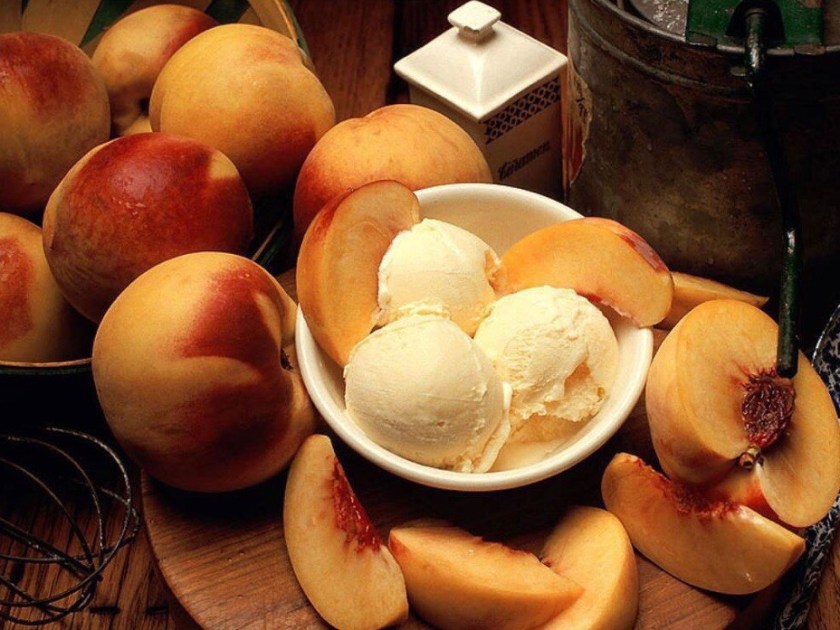
Over the years, cobblers have remained popular especially as they were quick to make for the luncheons and brunches. Little wonder then that the Georgia Peach Council declared April 13th National Peach Cobbler Day. Taking a bite of the rosy fruit cradled in warm pillows of cinnamon-scented dough and blanketed with the melted vanilla ice cream brings rich splendor to the senses, giving warmth and happiness all the way. For all the foodists at heart, have a little bite of cobbler to revel in the taste of sunny skies and warm sunshine.

“There are a couple of different types of food I eat a lot. I was raised in the South, in Tennessee, so I’m going to go with comfort food, soul food. I would probably start with collard greens and candied baby carrots and then have some biscuits and white gravy – and for dessert, probably blackberry cobbler.” Megan Fox

Posted in Daily, Life, Photography Art, poetry, Quotes, Reflections

Rise of Spring

“Just living is not enough… one must have sunshine, freedom, and a little flower.” Hans Christian Andersen

With the fresh fragrance of spring in the air, early mornings beckon the restless mind for a moment’s peace. For those of us caught in the daily melee of chaos, where everyday turns into routine; taking ten minutes into the sun, before the morning chores brings a new perspective to life.

“In every walk with nature one receives far more than he seeks.” John Muir

Looking into the hue and colours of nature, it’s quite startling to believe that this was the same brown, wintry landscape a few months ago. As colours are brought to life, nature teaches us a few simple but pertinent lessons of life.

Events will happen by choice or against our will. Time always moves on. But by staying in the rut, we get left behind and no amount of cribbing will get us across those days. Instead buckle up and take one step at a time. Looking back on those days of the past, one will realize that things aren’t that bad, when viewed from far.

The harsh winters of nature brings forth beautiful spring and joyous summer. The distraught of then bears fruit now, as long as we never forget to toil keeping one’s hope, kindness and spirits in tact.

Every tree’s loss of winter doesn’t reflect in its’ branches through spring. Instead new shoots and leaves come to life. Forgive and let go; but learn from it. The pain will lessen with time, but let it not be the cause of the future.

“Knowing trees, I understand the meaning of patience. Knowing grass, I can appreciate persistence.” Hal Borland

I Have Come to You

I have come to you, delighted,
To tell you that sun has risen,
That its light has warmly started
To fulfil on leaves its dancing;

To tell you that wood’s awaken
In its every branch and leafage,
And with every bird is shaken,
Thirsty of the springy image;

To tell you that I’ve come now,
As before, with former passion,
That my soul again is bound
To serve you and your elation;

That the charming breath of gladness
Came to me from all-all places,
I don’t know what I’ll sing, else,
But my song’s coming to readiness.

Afanasy Afanasyevich Fet

“There is pleasure in the pathless woods, there is rapture in the lonely shore, there is society where none intrudes, by the deep sea, and music in its roar; I love not Man the less, but Nature more.” Lord Byron

Posted in Family and Society, Life, Quotes

From Bare to New

“I wonder if the snow loves the trees and fields, that it kisses them so gently? And then it covers them up snug, you know, with a white quilt; and perhaps it says, “Go to sleep, darlings, till the summer comes again.” Lewis Carroll

As the white blanket starts receding and colours come to vibrancy, the landscape starts changing giving us new perspectives. While most of us welcome the spring and the break from the thaw, the stark beauty of winter will be missed for a while. As John Steinbeck once said, “What good is the warmth of summer, without the cold of winter to give it sweetness.”

The spring air speaks of new beginnings, projects and life experiences. As we venture into new territories, the lives that we lead often reminding me of the trees, bare and broken in winter but green shoots springing to life in spring. The resilience of human nature is amazing. We all have had our own shares of downfalls and setbacks; yet like the skeleton-bare eerie and snapping branches give to new life of crispy, silk-soft branches with the smell of baked apples growing stronger; our lives echo the same when we decide to move forward and ahead.

“Then spring came. The white blanket melted away, the evergreens and spruces scented the air with their new growth; the little streams rushed hither and thither as if they were joyfully carolling, birds sang and built everywhere. Children were out for wild flowers, and raced around like deers.” Amanda Minnie Douglas (From “A Little Girl in Old St. Louis”)

As Mr. Frost runs away for the youth of Spring to take over, the young buds protected from the winter come to life. In a way, nature teaches a few basic life lessons to man; the ability to stay strong and not quit as well as to survive the drought, keeping in mind that better days will come when we seek and yearn for it.

“Each solstice is a domain of experience unto itself. At the Summer Solstice, all is green and growing, potential coming into being, the miracle of manifestation painted large on the canvas of awareness. At the Winter Solstice, the wind is cold, trees are bare and all lies in stillness beneath blankets of snow.” Gary Zukav

Posted in Daily, Family and Society, Life, Personal Musings, Quotes, Reflections

Snowflakes of Own

“Please keep calling me a snowflake. I like being different than the next person. Every snowflake is unique. They all come from the same place, but are able to establish their own identities, free and clear of any other snowflake. Snowflakes make this world beautiful.” Ed Krassenstein

From a single ice crystal of the right size, when amalgamated become a white blanket but when viewed separately has their own existence. Each flake, when frozen and accreted in their crystal form give their own individual characteristics with shapes a combination of needle, column, plate and rime of varying degrees. At the core, they all share the principle of dust nucleus of supersaturated air particles surrounded by super-cooled cloud water droplets as they vary thought the differing temperature and humidity zones. With the electrostatic and cohesive forces of varying degrees, each snowflake has their own intricate pattern, design and structure.

In short, keeping the physics as well as scientific jargon to bare minimum, no two snow flakes of nature have been formed exactly alike. Man being always his innate curious and experimental sense, artificial snowflakes have almost been created that are identical, but this has been done in very controlled and specific settings.

“It’s so fascinating to think about how each snowflake is completely individual – there are millions and millions of them, but each one is so unique.” Kate Bush

One can never fail to appreciate and marvel the hand behind the existence of nature. In its’ essence nature has taught us many lessons during our co-existence. From the distinguishing fingerprint for one individual to distinct snowflakes, life has thrown each one of us our own pattern of struggles, emotions, achievements and setbacks. Each person has their story to tell during their respective timelines. Like the snow that falls, each one has their own right season. Through adaptability, acceptance and mutual regard; nature shows that life in all its’ phases can be of miracles as long as we follow the principles of coexistence, love and harmony. Like distinct snowflake, reach one is special in their own aspect. Learning to appreciate these simple things, makes life more beautiful to live by.

“Nature is full of genius, full of the divinity; so that not a snowflake escapes its fashioning hand.” Henry David Thoreau