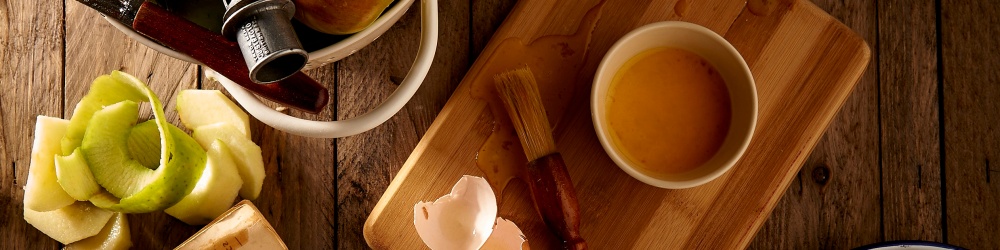

“The armored infantry was Santa Claus, the battle was out Christmas. What else for the elves to do on Christmas Eve but to let their hair down and drink a a little eggnog.” Hiroshi Sakurazaka
Being Christmas today, the night vigil and celebrations can be drawn to a close by the noon or evening “Christmas” dinner. Along with the regular stuffing of bird or meat, pies closed by pudding and cake; unless the dinner is graced with egg-nog, it will feel like something missing.
Historically also known as milk punch or egg-milk punch, egg-nog or eggnog is a rich dairy based beverage served chilled, sweetened of either alcoholic (brandy,rum,whisky or bourbon) or non-alcoholic variety. Starting with etymology, among the various versions; eggnog is said to be derived from an Old English word for strong beer. Another possibility states that it was derived from noggin, a word for a small cup that was first known to be used as 1588; whereas some attribute the name to Colonial America where colonists referred to thick drinks as grogs and eggnog was widely known as egg-and-grog.


Traditionally made with milk, cream, sugar, whipped egg whites and egg yolks; eggnog is primarily a Christmas time drink whose origins are still debated. By popular consensus, culinary historians believe that eggnog originated from the early medieval British drink known as posset. Made with hot milk, curdled with wine or ale and flavoured with spices; posset was often used as a cold and flu remedy during the Middle ages. Later on eggs were added to the recipe and monks were believed to enjoy posset of eggs and figs. Then on, various adaptations were made to the ingredients depending on the local availability, flavours and tastes of those times. With colonization, travel and cultural mixing; eggnog has gained widespread popularity becoming synonymous with the Christmas time cocktails, dinners and parties.


Eggnog is often homemade using milk, eggs, sugar and flavorings; served with cinnamon or nutmeg. Although often served chilled, on particularly cold days it’s served warm. Additionally eggnog flavouring may also be added to other beverages like coffee ( as an “eggnog latte” espresso), tea and also to dessert foods such as egg-custard puddings and even ice-cream.
Ode to Eggnog
(Author Unknown)If you see a fat man, who’s jolly and cute,
wearing a beard and a red flannel suit;And if he is chuckling and laughing away,
while flying around in a miniature sleigh;With eight tiny reindeer to pull him along;
Then – let’s face it – Your eggnog’s too strong!!








 Sugar And Spice... Among Other Things